
In Brickell, chef’s-table dining is less about velvet-rope theatrics and more about access, discretion, and repeatable privilege. This MILLION Luxury comparison looks at the two chef-driven ecosystems most often discussed in the same breath: ORA by Casa Tua and 619 Brickell with NOBU. Without leaning on unverifiable minutiae, we evaluate what “exclusive” actually means in practice for residents, buyers, and hosts: control of the room, privacy choreography, service consistency, and the social signal each address sends in Miami’s most international neighborhood.
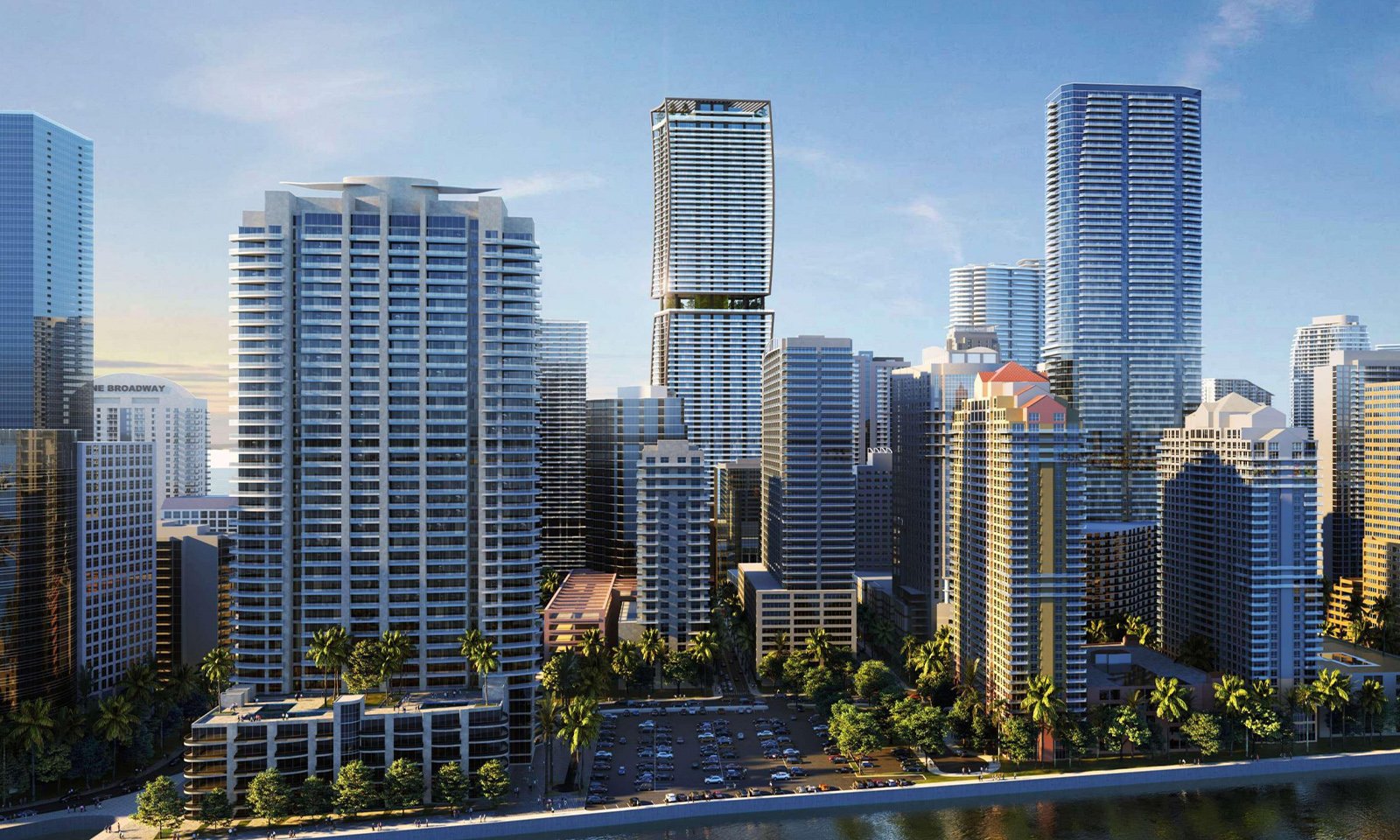
In a market as liquid and globally watched as Brickell, dining is rarely just dining. A chef’s table becomes a proxy for how a building manages access, protects privacy, and supports the kind of social life it enables without fanfare. For residents, it can be the tower’s most reliable “third space”: a room where meetings land cleanly, celebrations stay contained, and guests feel the building’s standard of care without ever encountering the machinery behind it.
From that vantage point, exclusivity is not a question of how difficult it is to secure a reservation on an arbitrary Saturday. It’s whether the room feels controllable when it matters. Can you host without being watched? Can you bring clients without competing with the room’s attention? Can you return often and be met with consistent familiarity rather than transactional hospitality?
Through that lens, ORA by Casa Tua and 619 Brickell - NOBU reflect two distinct interpretations of a chef-led halo in the same neighborhood. One reads as residential discretion with a culinary point of view. The other reads as high-recognition brand energy translated into a private-residential frame.
ORA by Casa Tua’s appeal, at its core, is the idea of house culture elevated into a vertical setting. In chef’s-table terms, that typically shows up as cadence over spectacle: fewer variables, tighter sequencing, and an overall mood that feels composed rather than bustling.
For a buyer, the more decisive question isn’t “Is it famous?” It’s “Is it repeatable?” Controlled intimacy has value because it can become a dependable ritual. When exclusivity is built around a smaller room, a narrower set of touchpoints, and a more residential read, the experience can feel less like an occasion-and more like a privilege that doesn’t require performance.
That’s where ORA by Casa Tua tends to signal a particular Brickell confidence: prioritizing privacy over visibility. If your ideal chef’s table is the one where a guest feels welcomed, not surveyed, intimacy becomes an advantage-not a constraint.
For those weighing Brickell’s broader new-build lifestyle ecosystem, it can be helpful to set ORA’s intimacy against the hospitality-forward scale elsewhere in the neighborhood, such as 888 Brickell by Dolce & Gabbana, where the aura reads more runway than residence. The point isn’t which is “better,” but which social temperature matches your default.
At 619 Brickell, the NOBU association frames exclusivity immediately and differently. Here, the signal is recognizability: a culinary name that arrives with social permission built in. That gravity can work especially well for residents who host frequently, entertain international guests, or want an experience that feels instantly legible to someone arriving from London, São Paulo, or Dubai.
Brand gravity is a specific kind of exclusivity. It’s less about the smallest room and more about the strongest magnet. It can create a subtle “always on” energy within the building’s lifestyle: guests understand the tone before you explain it, and the dining component can feel like a social credential embedded in the address.
The tradeoff, in any brand-led environment, is that visibility often rises with demand. In practice, exclusivity becomes a choreography problem: how residents are separated from non-residents, how arrivals and departures are handled, and whether private dining can still feel insulated when the overall scene is lively.
If your definition of exclusivity includes the pleasure of being near the current-not apart from it-the NOBU aura can read as a feature. For others, that same visibility can feel like friction.
Exclusivity persuades most when it repeats in small moments. For prospective buyers comparing ORA by Casa Tua to 619 Brickell - NOBU, these four practical categories often separate “private dining” from “private access.”
True access control is seamless. It’s the difference between being escorted and being managed. In a chef’s-table setting, the most exclusive outcome is when your reservation behaves like a calendar appointment: confirmed, prioritized, and protected from noise.
When dining access aligns cleanly with resident identity, the result is consistent privilege that doesn’t require negotiation. When that system is less defined, exclusivity becomes situational-dependent on timing, personality, and whatever else is happening in the room.
Luxury clients notice sightlines. They notice who can see the room, how sound carries, and whether the environment supports natural conversation without the feeling of being overheard. Chef’s-table dining is most valuable when it allows sensitive discussions and real celebration without the ambient pressure of an audience.
This is one reason many Brickell buyers still compare vertical living to a waterfront lifestyle, where privacy is often inherited from geography. If your instincts lean toward the quiet insulation of places like Una Residences Brickell, you likely prioritize spatial privacy and a calmer social rhythm, even while enjoying serious food culture.
At a chef’s table, high service is rarely theatrical. It’s memory. It’s pace. It’s the ability to host without micro-managing. In the most exclusive environments, personalization feels automatic: preferences are remembered, timing is honored, and staff presence is calibrated to the room’s mood.
The real estate implication is meaningful: a strong service rhythm often mirrors how a building handles everything from package delivery to guest arrivals. Dining becomes an operational preview.
Brickell performs status in more than one language. Some addresses communicate through quiet materiality; others through public recognition. Chef’s-table dining sits at the center of that choice. One can signal “in-the-know” discretion; the other can signal “globally understood” prestige.
If your life involves frequent hosting, the question becomes: do you want the room to flatter your guests with instant recognition-or flatter you with intimacy?
Rather than asking which chef’s table is “more exclusive,” the more useful question is what kind of host you are.
If you’re a continuity-driven host, you’ll likely prefer exclusivity expressed through calm repetition: familiar faces, consistent cadence, and the sense that the room is yours when you need it. In that case, ORA by Casa Tua’s identity tends to align with buyers who treat privacy as a daily requirement, not an occasional upgrade.
If you’re a magnetism-driven host, you may prefer exclusivity expressed through a name that carries immediate weight-where the dinner itself becomes a shared reference point. In that case, 619 Brickell - NOBU can feel like a built-in advantage, especially for residents who entertain visiting partners and want the building to do some of the narrative work.
Both approaches can be “exclusive.” They simply concentrate value differently: one in discretion, the other in gravity.
In ultra-premium buying, amenities matter less as a checklist and more as identity. Chef’s-table culture can elevate a building’s perception because it suggests an internal community and a credible standard of curation.
Buyers, however, should be careful not to confuse novelty with durability. Dining that reads as a marketing promise can date quickly. Dining that functions as a daily utility-a place you’ll actually use-tends to support long-term satisfaction and, by extension, resale appeal.
This is why Brickell’s luxury competition increasingly revolves around lifestyle ecosystems. A chef-led halo sits within a broader expectation: an excellent arrival experience, calm resident circulation, and hospitality that feels effortless.
To compare, consider how other Brickell-forward concepts position themselves. 2200 Brickell appeals to buyers who want a more neighborhood-scaled sensibility, while ORA by Casa Tua Brickell speaks to those who want the culinary identity to feel inherent to the residential narrative. Each plays to a different buyer psychology-even before you reach the dining room.
Ultimately, chef’s-table exclusivity is a litmus test. It reveals how a building understands its residents: as an audience, or as owners.
Which is more exclusive, ORA by Casa Tua or 619 Brickell - NOBU? Exclusivity depends on whether you value intimate discretion or brand-driven gravity more in your day-to-day use.
Does a chef’s table meaningfully affect how a building feels to live in? Yes. It often mirrors the property’s overall approach to access, privacy, and service consistency.
Is brand recognition always a benefit in private dining? Not always; it can increase demand and visibility, so the best outcomes rely on strong resident separation.
What should I ask when touring a building with a private dining program? Ask how resident access is prioritized, how privacy is maintained, and whether hosting can be tailored.
Is a quieter chef’s table automatically more luxurious? Quiet can feel more luxurious for privacy-focused hosts, but some buyers prefer a more energetic scene.
How can I evaluate privacy beyond what I see on a tour? Pay attention to sightlines, entry paths, and whether staff movement feels discreet or disruptive.
Do chef-led amenities translate into resale value? They can, especially when the dining experience is durable and genuinely used by residents.
What type of buyer typically prefers ORA-style exclusivity? Buyers who prioritize discretion, repeatable rituals, and a residential tone tend to gravitate that way.
What type of buyer typically prefers the NOBU-style ecosystem? Buyers who entertain often and value global name recognition tend to prefer brand-forward experiences.
Can I enjoy chef’s-table dining without it becoming a social obligation? Yes; the best programs allow you to participate privately and on your own rhythm.
When you're ready to tour or underwrite the options, connect with MILLION Luxury.
If branded residences are on your mind — as a home or as an allocation — we would be glad to share what we are seeing, privately.
Begin a quiet conversation
.jpg&width=700&height=438&fit=cover)