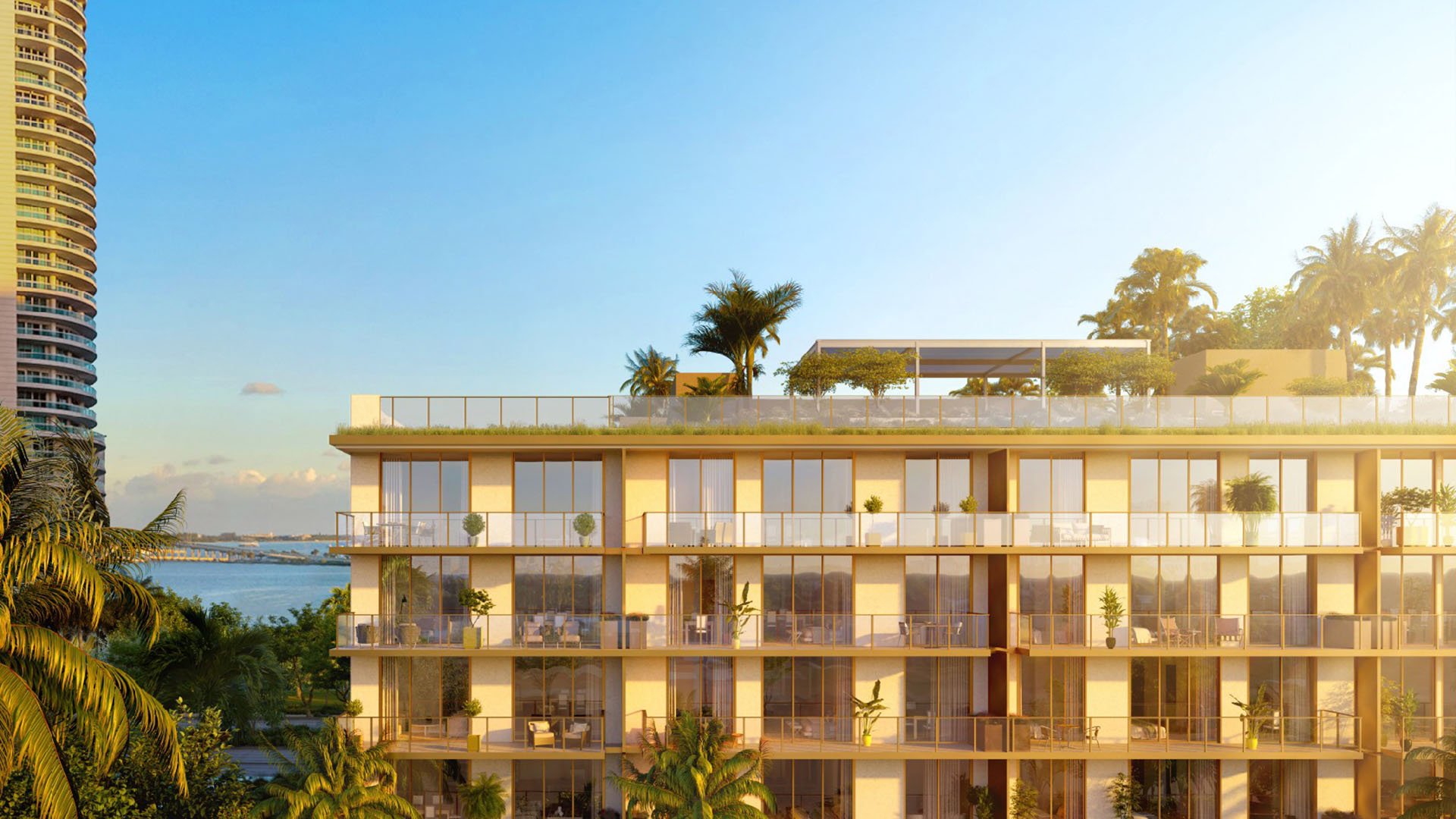
Evaluating the Structural Integrity of Post-Tensioned Concrete vs Steel
In South Florida’s coastal high-rise market, structural material is rarely a design footnote. For buyers weighing a post-tensioned concrete tower against a steel-framed alternative, the decision touches resilience, maintenance risk, and long-term value. This MILLION Luxury guide frames the conversation the way sophisticated purchasers, lenders, and engineers tend to: by understanding how each system carries load, how it behaves over time in salt air, and where due diligence should concentrate. Rather than declaring a universal winner, the goal is to clarify trade-offs. Post-tensioned concrete dominates many modern condominium floorplates for its stiffness, span efficiency, and vibration control. Steel can be exceptionally strong, fast to erect, and adaptable, but it introduces a different corrosion and fireproofing profile. What matters most is not the label on the drawings, but the quality of detailing, waterproofing, protective systems, and the building’s inspection culture over decades.
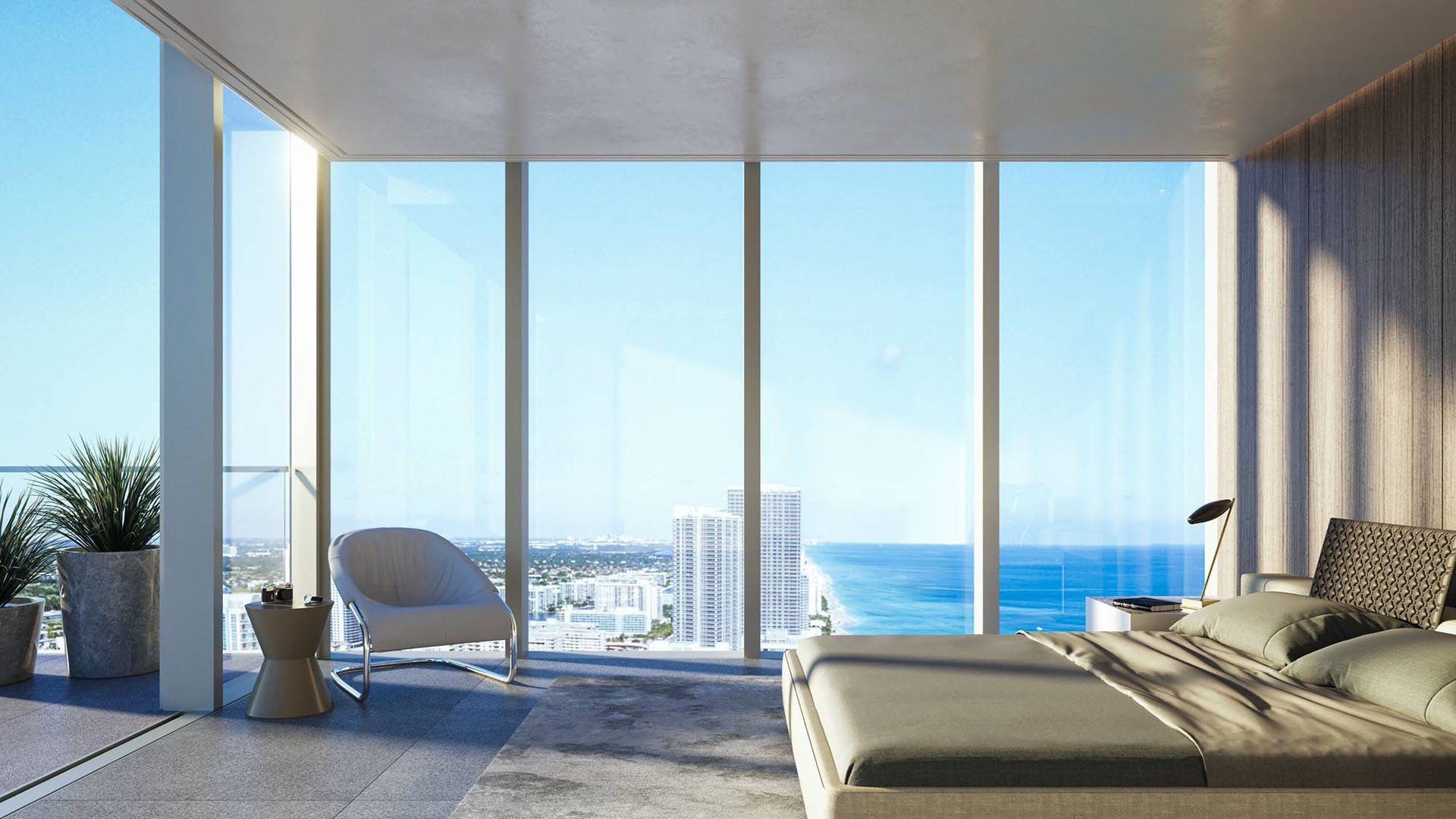
The Importance of Motorized Shades and UV Glass Protection for Oceanfront Views
Oceanfront living is defined by light, reflection, and horizon lines. In South Florida, that same sun that animates an Atlantic view also drives heat gain, glare, and long-term fading. Motorized shades and UV-protective glazing are not decorative add-ons in a luxury residence; they are performance systems that protect interiors, preserve comfort, and allow owners to enjoy floor-to-ceiling glass without living behind closed curtains. For buyers evaluating new construction and resale in Miami Beach, Sunny Isles, Bal Harbour, and beyond, the conversation is practical: how to maintain the view while managing solar intensity, salt-air wear, and daily privacy needs. The best solutions blend architecture, automation, and materials so the home feels effortless at noon, golden hour, and late-night entertaining.
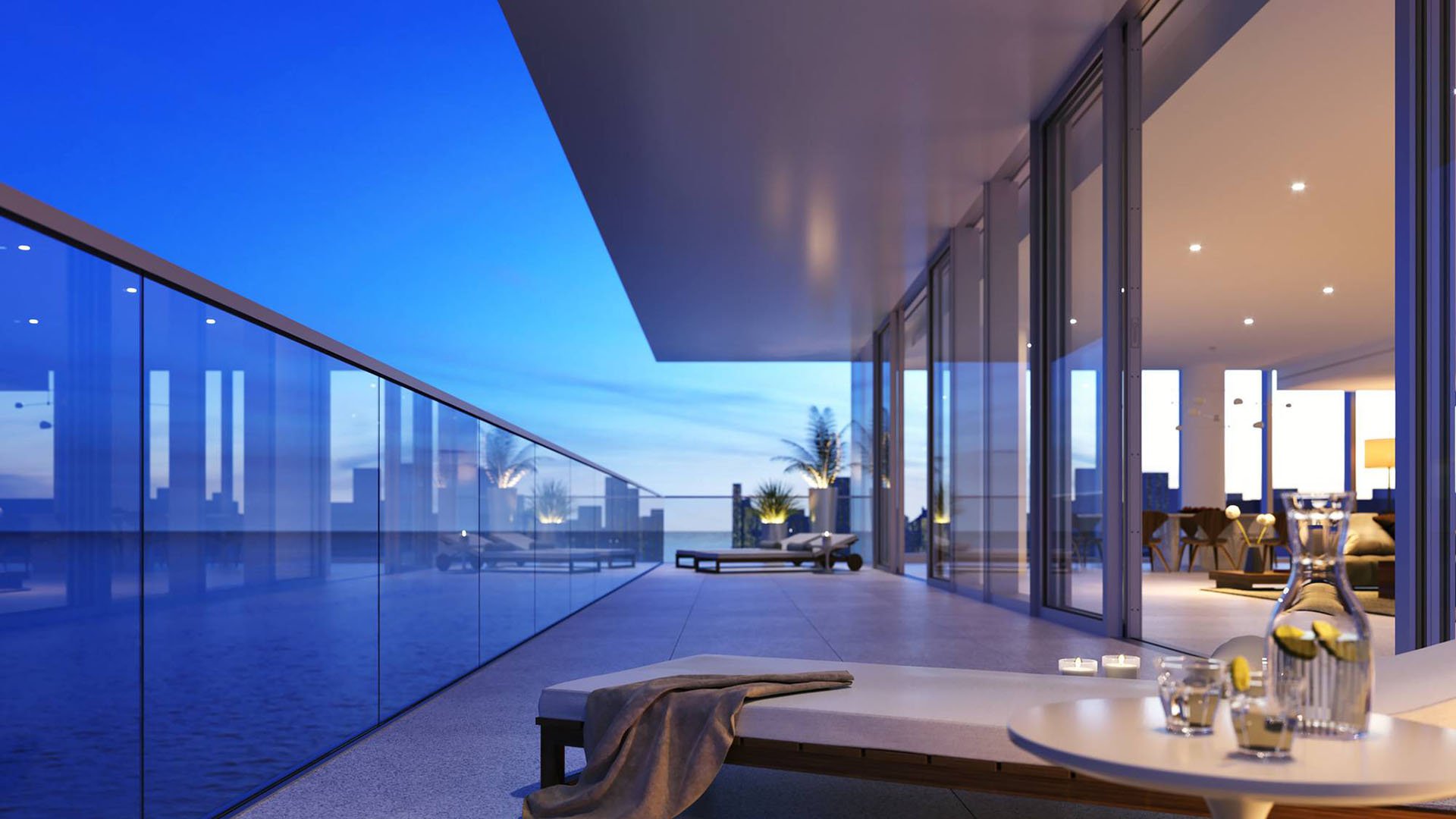
How to Evaluate Wind Resistance and Fortified Construction in Oceanfront Condos
A discreet, buyer-oriented framework for assessing how an oceanfront condominium is engineered to perform in high-wind events, and how to verify it through documents, details, and due diligence.

Evaluating the Speed and Redundancy of Elevator Systems in Supertall Towers
In a supertall tower, elevator performance is not a convenience feature. It is core life-safety infrastructure, a daily quality-of-life metric, and a quiet determinant of resale desirability. For South Florida buyers who prioritize privacy, punctuality, and predictability, the right question is less “How many elevators?” and more “How does the entire vertical-transportation system behave under peak demand, storms, maintenance, and human error?” This MILLION Luxury guide lays out what to evaluate: speed and travel time, the presence and design of sky lobbies and destination dispatch, redundancy of power and controls, service-elevator separation, and the operational culture that keeps all of it working. The goal is to help you read beyond marketing language and understand what a well-engineered, well-managed elevator ecosystem looks like in a true high-rise.
The Value Proposition Of A Private Elevator Foyer In Post Pandemic Luxury Real Estate
A private elevator foyer has evolved from a quiet prestige marker into a practical post-pandemic feature that supports privacy, hygiene, security, and daily ease. In South Florida’s ultra-luxury condo market, it also shapes first impressions, protects interior serenity, and can influence resale positioning when buyers compare otherwise similar floor plans. This editorial breaks down what a private elevator foyer truly delivers, where it matters most, and how to evaluate quality beyond the marketing phrase.
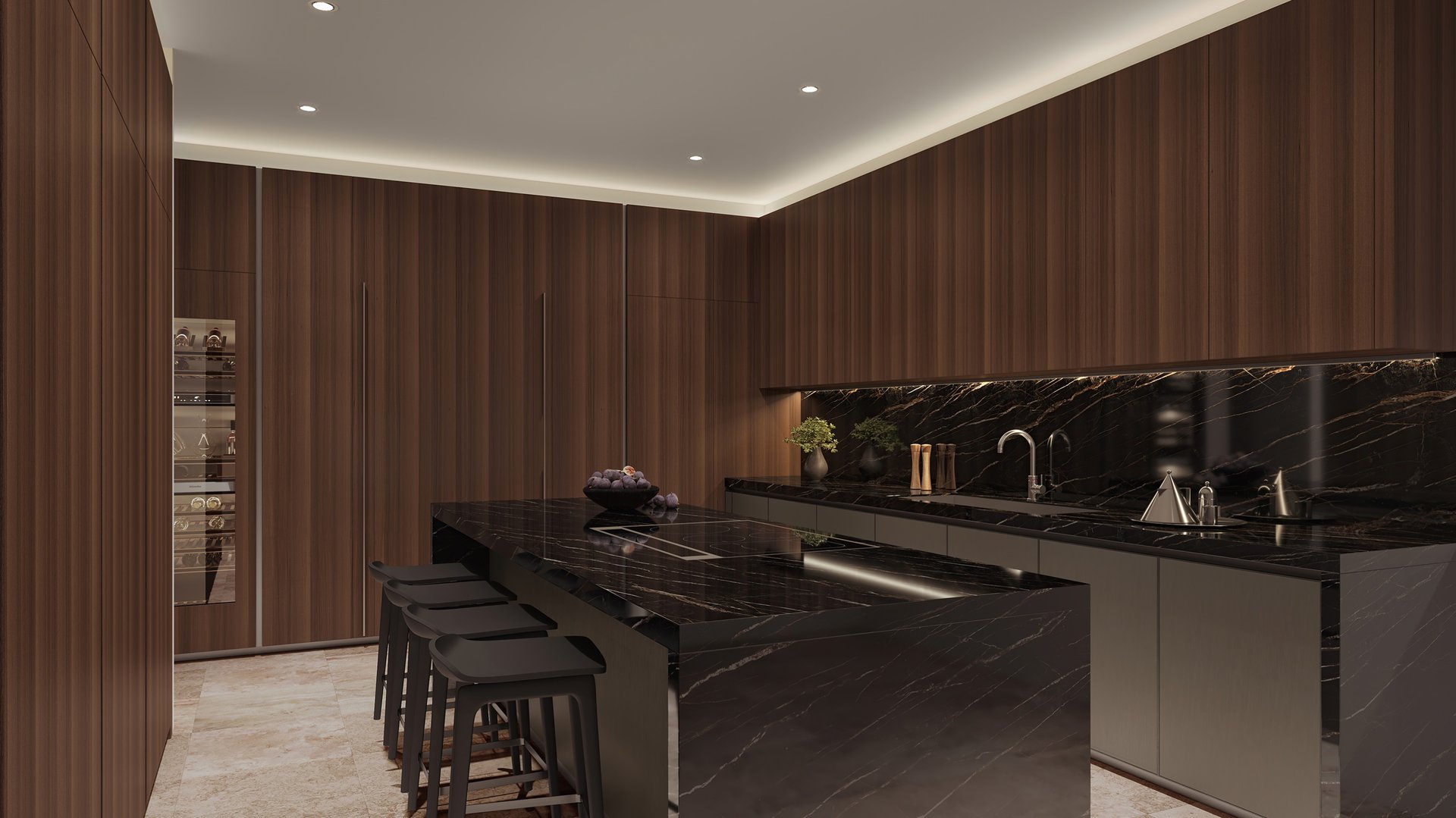
The Pragmatic Approach To Securing Adequate Storage Space In Luxury High Rise Developments
A discreet, buyer-oriented playbook for evaluating and securing real storage in South Florida luxury high-rises, from closets to private cages, valet services, and governance.