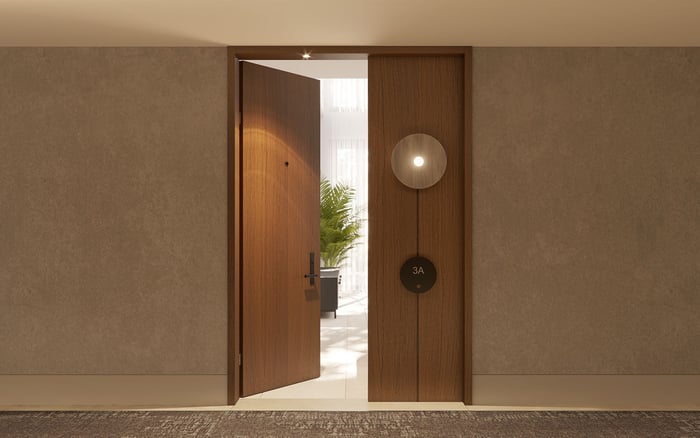
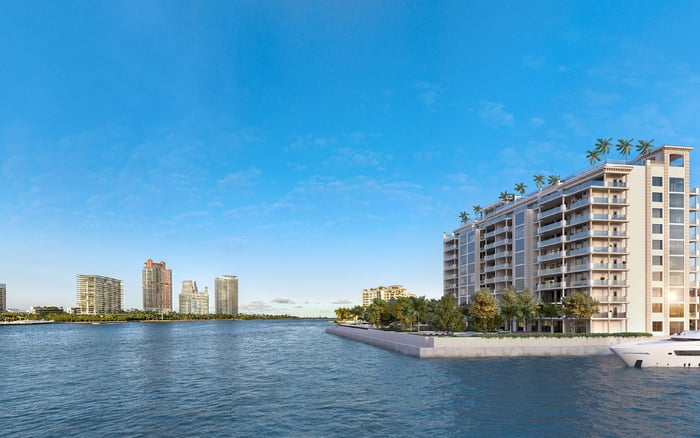
A private elevator foyer has evolved from a quiet prestige marker into a practical post-pandemic feature that supports privacy, hygiene, security, and daily ease. In South Florida’s ultra-luxury condo market, it also shapes first impressions, protects interior serenity, and can influence resale positioning when buyers compare otherwise similar floor plans. This editorial breaks down what a private elevator foyer truly delivers, where it matters most, and how to evaluate quality beyond the marketing phrase.
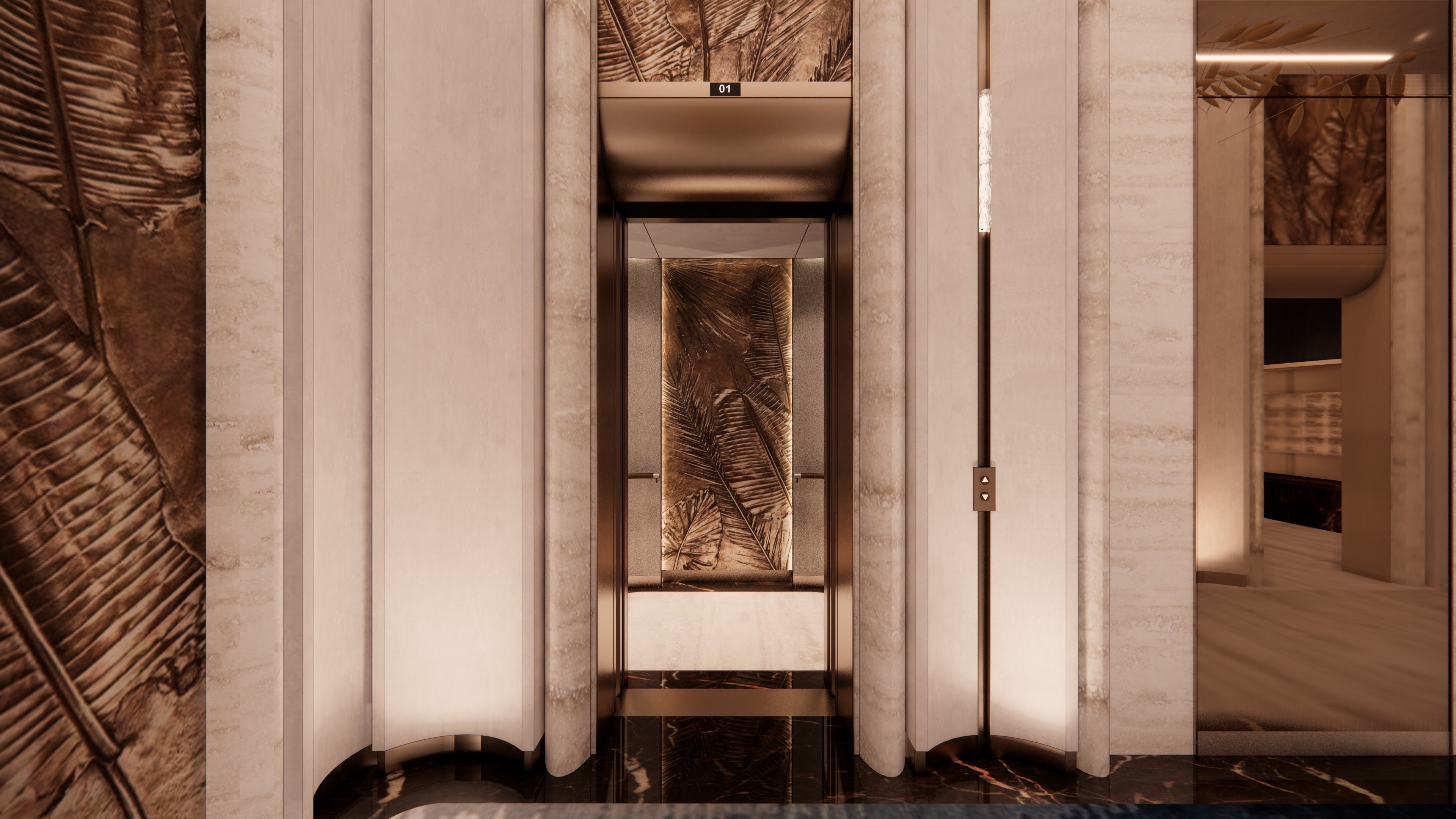
In South Florida’s top-tier condominium buildings, the private elevator foyer has long been shorthand for “true luxury.” After the pandemic, buyers began treating it less as symbolism and more as infrastructure. As daily life expanded to include remote work, higher expectations for cleanliness, and a stronger desire for personal boundaries, the transition space between public corridor and private home gained practical utility.
A well-designed private elevator foyer creates a clear threshold. It allows residents to exit the elevator without immediately revealing the interior of the residence, while reducing the friction that comes with shared circulation. The psychological shift is subtle but meaningful: arrival feels like entering a private residence, not stepping out of a transportation system.
In buildings where owners come and go frequently, host guests, or manage multiple residences, that threshold also reinforces discretion. It gives you a moment to pause, collect deliveries, greet staff, or wait for guests-without turning your living room into part of the building’s public realm.
Luxury is often framed as space, light, and views. In day-to-day reality, luxury is also control-control of sound, sightlines, access, and the pace at which your home reveals itself.
Privacy and sightlines.
A private elevator foyer reduces direct lines of sight into the residence when doors open. That matters for owners who entertain, travel frequently, or simply prefer a quieter life. It is especially relevant in homes with floor-to-ceiling glass, where interiors can feel visually exposed the moment an entry door swings.
Hygiene and separation.
Post-pandemic living sharpened awareness of touchpoints and shared air. Without turning a home into a sterile environment, the ability to separate “outside” from “inside” carries real value. A foyer creates room for handwashing routines, shoe storage, coat closets, and a more deliberate transition. This is less about fear and more about designing for contemporary habits.
Access management.
Many households now coordinate a mix of residents, guests, assistants, dog walkers, and service providers. A private elevator foyer helps organize these interactions. When a building also provides service elevator access and thoughtful back-of-house routing, the home’s primary entrance stays calmer and more residential.
Not every “private elevator foyer” delivers the same experience. In the ultra-premium segment, the label matters less than the execution.
1) True exclusivity versus shared vestibules.
Some configurations provide a semi-private vestibule shared by two residences. Others deliver a truly private landing with a single front door. That distinction affects noise, privacy, and the sense of ownership. Ask how many residences share the landing, and whether a neighboring door is visible from your elevator exit.
2) Door choreography and concealment.
The strongest foyers manage sequence: elevator doors open, you step into a controlled space, and only then do you enter the residence. If the entry door sits directly in front of the elevator, the foyer can feel more like a formality than a feature. Ideally, the entry placement minimizes direct views into the home, even when the door is open.
3) Acoustic buffering.
A foyer can function as a sound lock-but only when walls, doors, and seals are detailed with intention. Listen for elevator mechanics, corridor conversation, and nearby doors closing.
4) Space that is actually usable.
At its best, the foyer has enough depth to be functional: a console, a closet, a niche for art, or simply space for two people to stand comfortably. This is where luxury becomes measurable in daily life.
5) Integration with security and smart access.
The foyer is a natural point for discreet access control-key fobs, mobile credentials, guest codes, or staff scheduling. The experience should feel seamless and residential, not like entering an office suite.
In competitive submarkets, buyers often compare residences with similar views, similar finishes, and similar square footage. The private elevator foyer stands out because it shapes the first five seconds of the experience-and those seconds carry disproportionate weight.
It can also protect a home’s “quiet luxury” narrative in photos and showings. The arrival sequence reads as bespoke and intentional, supporting premium positioning when inventory expands.
Still, the value is not automatic. A poorly executed foyer can feel like wasted area-or worse, a narrow box that adds steps without adding comfort. The true value proposition depends on whether the foyer improves privacy, circulation, and livability in ways a buyer feels immediately.
South Florida’s luxury buyers tend to be highly sensitive to high-rise density, seasonal occupancy patterns, and a lifestyle that blends home, hospitality, and travel. In this environment, a private elevator foyer is especially compelling.
In Brickell, many owners balance work-from-home days with meetings, events, and travel. The controlled arrival of a private foyer suits a schedule that can shift from business to private life quickly. In that context, residences in buildings such as 2200 Brickell and Baccarat Residences Brickell reflect a clientele that values discretion as much as design-particularly when the building experience is meant to feel curated.
In Miami Beach, the feature reads as both privacy and serenity. The difference between stepping into a shared corridor and stepping into a private landing is amplified when you return from the beach, a dinner reservation, or a weekend away. A more residential arrival also aligns with the “sanctuary” mindset many buyers seek in ocean-adjacent living. For a buyer exploring a refined beachfront approach, 57 Ocean Miami Beach offers a useful mental model for how boutique-scale buildings can make arrival feel intimate rather than purely vertical.
In Sunny Isles, where many towers cater to international second-home ownership and frequent guest hosting, foyer privacy can be a decisive comfort feature. A building like St. Regis® Residences Sunny Isles aligns with the expectation that arrivals should feel hotel-level polished while still protecting residential intimacy.
In Hallandale, the private elevator foyer can appeal to owners who want a quieter, more residential cadence while staying connected to Miami’s orbit. 2000 Ocean Hallandale Beach is the kind of coastal luxury context where the threshold space matters: it is the difference between “tower living” and a “private residence in the sky.”
On a tour, treat the elevator foyer as part of the residence-not an afterthought. These questions help clarify whether it will elevate daily life or simply photograph well.
How does guest arrival work?
A strong foyer lets you welcome guests without exposing the home. Notice where people stand, how they orient themselves, and whether the space feels generous.
What is the service story?
If deliveries and service providers arrive via the same route as owners, the foyer becomes a staging zone. That can work, but it should feel intentional. If the building offers alternative routing, confirm how it operates in practice.
Where do you put the “outside world”?
Look for coat storage, a niche for packages, or simply a natural landing place for shoes and bags. Post-pandemic preferences made this transition space more valuable, and the best residences support it without creating clutter.
Does it enhance security or complicate it?
The most secure feeling is often the simplest: clear boundaries, predictable access points, and a private landing that does not invite lingering. Confirm how access is controlled to the elevator itself and to the floor.
A private elevator foyer should never read like leftover corridor. In the most successful residences, it’s treated as a gallery moment-art, lighting, and materiality that set the tone.
For owners who entertain, the foyer functions as a prelude, giving guests a beat to transition from city energy to residential calm. For families, it’s a practical buffer where strollers, beach bags, or sports gear can be handled without immediately entering the main living space. For collectors, it can be the right setting for a sculptural piece that might feel overwhelmed in a larger room.
If you are evaluating pre-construction, ask whether the foyer is deeded private area or a limited common element, and whether finishes or lighting can be personalized. Even small details-like a deeper baseboard reveal or upgraded door hardware-can elevate the experience.
The private elevator foyer matters because it changes behavior. It delivers a calmer arrival, strengthens privacy, and creates deliberate separation between shared space and the home. In post-pandemic luxury real estate, that separation is no longer a niche preference-it has become an expectation among discerning buyers.
Treat it like any other premium component: evaluate quality, not labels. When executed well, a private elevator foyer can make a residence feel rarer, more private, and more emotionally comfortable-exactly the combination the top end of South Florida’s market continues to reward.
Is a private elevator foyer the same as a private elevator? Not necessarily; a private foyer is the landing, while “private elevator” often implies exclusive elevator access.
Does a private elevator foyer increase resale value? It can improve marketability and premium positioning, especially when buyers compare similar units.
Can a private elevator foyer be shared with a neighbor? Yes; some buildings use semi-private vestibules shared by two residences, which changes privacy.
What should I look for first when touring one? Start with sightlines into the residence, usable space, and whether the landing feels truly exclusive.
Does it help with noise? A well-built foyer can act as a sound buffer, but only if doors and walls are properly detailed.
Is it useful for deliveries and packages? Yes; it offers a controlled space to receive items without bringing the activity into main rooms.
Is a private elevator foyer safer? It can feel safer by reducing shared-corridor exposure, but overall safety depends on building access controls.
Can I personalize the foyer design? Sometimes, especially in new construction, but it depends on what is considered part of the residence.
Does it matter for second homes in South Florida? Often; it supports discreet arrivals, guest hosting, and a more residential feel when you return.
When is a private elevator foyer not worth it? When it’s too tight, poorly planned, or shared in a way that undermines the privacy you expect.
When you're ready to tour or underwrite the options, connect with MILLION Luxury.
If branded residences are on your mind — as a home or as an allocation — we would be glad to share what we are seeing, privately.
Begin a quiet conversation