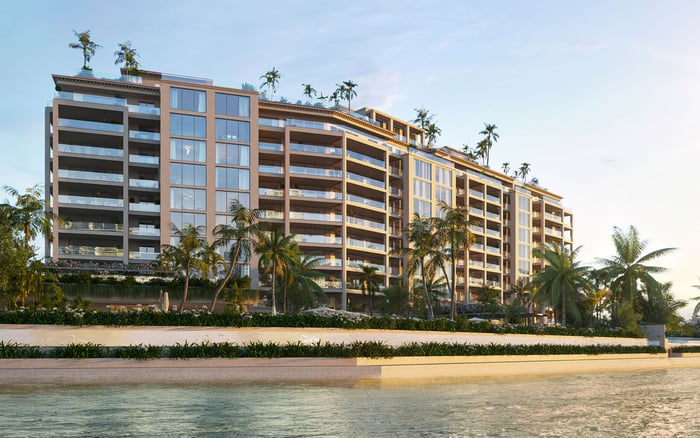
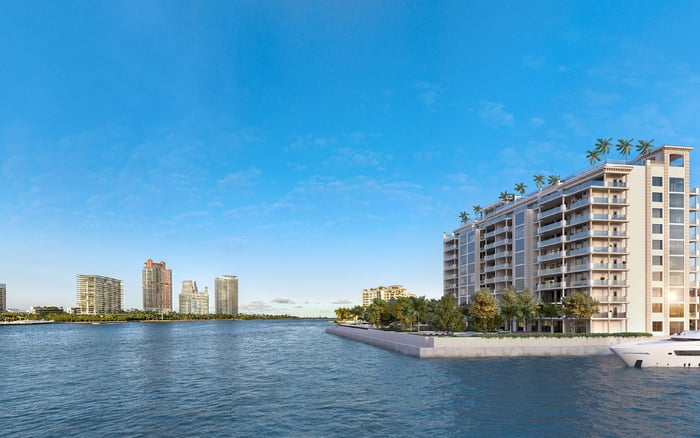
A discreet, buyer-oriented framework for assessing how an oceanfront condominium is engineered to perform in high-wind events, and how to verify it through documents, details, and due diligence.
In South Florida, an ocean view and a high floor are only part of the value proposition. In an oceanfront condo, long-term livability is closely tied to how a building performs when conditions turn hostile: sustained winds, pressure cycling, wind-driven rain, and flying debris. “Fortified construction” is often used as shorthand for resilience, but buyers should treat it as a due-diligence category with specific, verifiable components-not a marketing adjective.
The goal is not to find a building that is “hurricane-proof.” The goal is to understand how the structure and exterior envelope manage loads, protect openings, control water intrusion, and restore normal operations quickly. That clarity also sharpens your negotiating position because you can separate cosmetic upgrades from true, systems-level risk reduction.
Wind risk is not a single number, and oceanfront parcels sit in the most demanding exposure conditions. Start with three practical questions.
First, what is the building’s wind exposure category and the surrounding terrain? Towers directly on the sand have fewer obstructions and can experience higher wind speeds at height.
Second, where are the critical openings? Ocean-facing expanses of glazing and balcony doors often see the highest pressure differentials. A unit with multiple exposures can be spectacular, but it also increases the number of openings that must perform under load.
Third, what is the tower’s shape? Clean, rectilinear forms can reduce some complexities, while dramatic setbacks, deep recesses, or aggressive cantilevers can create localized pressure zones. These are not deal-breakers, but they raise the importance of documented engineering and product testing.
On tour, pay attention to what you can read without a spec sheet: slab-edge depth, balcony-line continuity, and whether exterior details feel engineered or merely ornamental. For buyers comparing oceanfront lifestyles in Miami Beach, stepping into a project like 57 Ocean Miami Beach can be a useful prompt to focus less on staging and more on envelope, openings, and detailing.
A resilient tower behaves as a continuous system. Wind loads must travel from the facade and roof through diaphragms, columns, shear walls, and down to the foundation. If any link is weak, performance is limited by the most vulnerable connection.
Ask the sales team or property manager for a clear explanation of the building’s lateral system. You are listening for competence and specificity-not buzzwords. Strong answers identify where the primary shear elements are, how the core is designed to resist torsion, and how the facade ties back to the structure.
In practical terms, look for cues that the building was designed as a cohesive engineered object: minimal ad-hoc penetrations, well-organized mechanical zones, and consistent detailing at corners and transitions.
This is also where “new” versus “updated” matters. Retrofitting impact windows is meaningful, but it does not change how the building’s primary structure resists hurricane-level forces.
Impact-rated glass and doors are the baseline expectation in premium coastal construction, yet they are only one layer of the overall system.
Evaluate openings as a system:
Glass and frames: Frame anchorage and corner detailing often separate adequate from exceptional.
Door thresholds: Low-profile thresholds can be elegant, but they must also manage wind-driven rain.
Hardware: Multi-point locking and robust hinges can improve performance under pressure cycling.
Garage and service doors: Back-of-house failures can cascade into operational downtime.
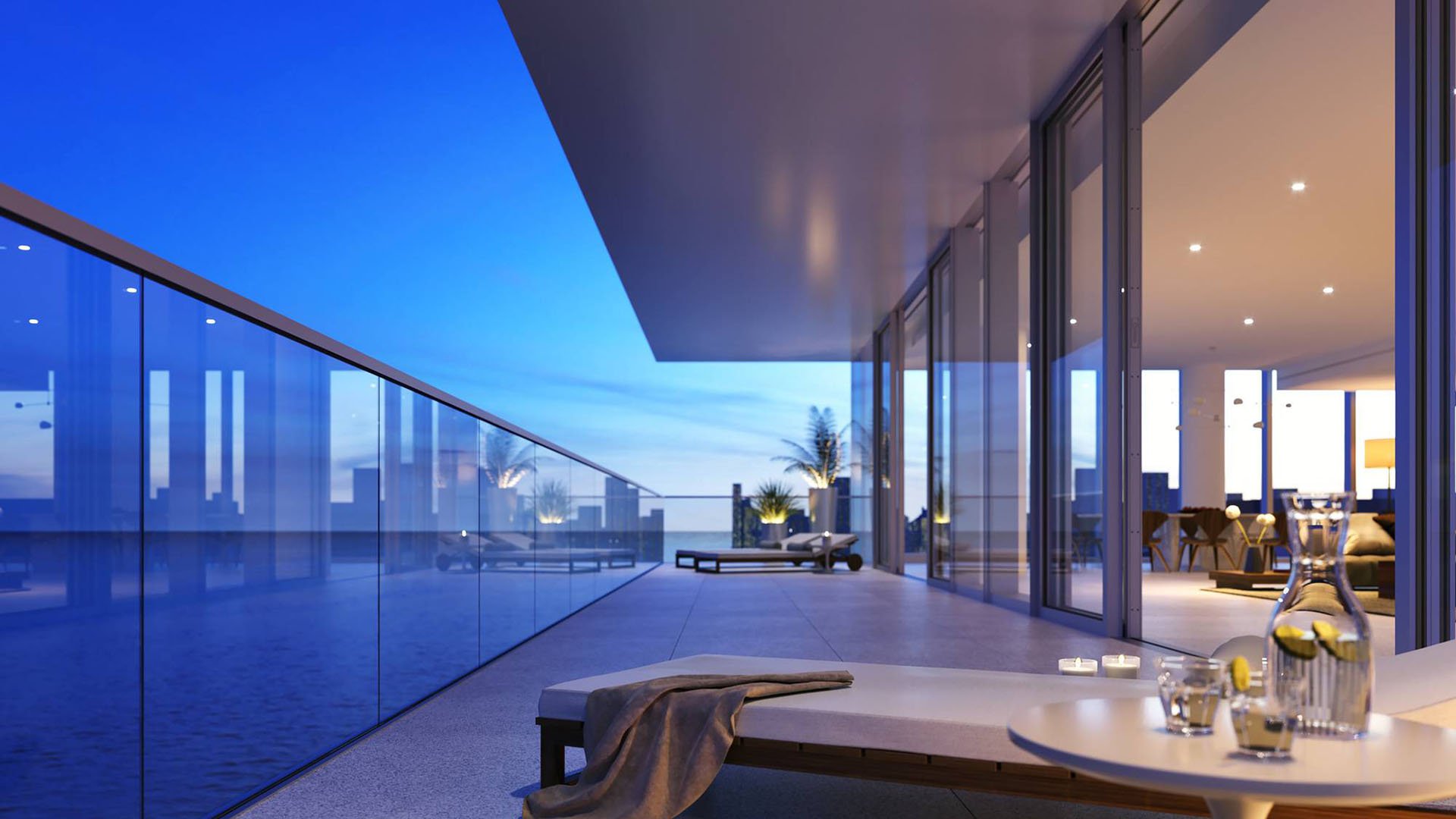
Balconies deserve special attention. Railings are not merely aesthetic; they must resist load and remain secure. If a building has glass balcony rails, ask how they are engineered and attached, and whether the assemblies are rated for the site conditions.
In Sunny Isles, where buyers often prioritize floor-to-ceiling glass and panoramic terraces, the conversation should move quickly from “impact glass” to “tested assemblies, anchorage, and maintenance cycles.” Touring a contemporary high-rise such as Bentley Residences Sunny Isles can help ground that discussion in openings, balconies, and the owner experience after a storm.
Wind is dramatic; water is expensive. Even when a building remains structurally sound, the most common post-event disruption is water intrusion through joints, seals, and transitions.
Focus on four areas:
Facade joints and sealants. Sealants age. Ask about inspection intervals and how repairs are scoped and funded.
Sliding doors and window perimeters. Look for clean detailing and evidence of regular upkeep in common areas.
Roof and terrace waterproofing. In high-rise condos, roofs include not just membranes, but also equipment curbs, drains, and penetrations that must be managed.
Below-grade and ground-level protection. Lobbies, parking entries, and mechanical rooms at or near grade should reflect thoughtful water management.
When comparing oceanfront choices in Broward, consider how a building on the sand may manage salt, spray, and wind-driven rain as a daily condition-not a rare event. A modern oceanfront address like 2000 Ocean Hallandale Beach offers a useful lens for evaluating what “coastal durability” looks like in finishes, hardware, and building operations.
“Fortified” should translate into a checklist you can verify. In a condo context, it typically points to a combination of:
Robust structural design for coastal wind loads
A well-detailed building envelope with tested openings
Backup power and protected life-safety systems
Operational planning for shut-down and restart
Maintenance discipline that preserves the design intent
Because labels vary, ask for the building’s specific resilience features in writing, then confirm them through documents and on-site observation. Treat this like reviewing a yacht’s maintenance log: details matter, and vague confidence is not a substitute for proof.
For a serious evaluation, the paper trail is part of the asset.
Request what is reasonably available through management, the seller, or public records, such as:
Permit history for window/door replacements, balcony work, roof, and facade repairs
Product approvals and specifications for windows, doors, and shutters if applicable
Recent engineering reports or building condition assessments, if available
Maintenance records for sealant cycles, waterproofing repairs, and facade access programs
Rules and procedures for storm preparation, balcony furniture, and unit shutdown
What you want is consistency. A building that can clearly explain what it has, when work was completed, and how it is maintained is often a building that performs better-even if it is not the newest address on the shoreline.
Luxury is continuity. After a storm, the building that can maintain safe egress, elevators in a controlled mode, essential lighting, security systems, and water management will feel fundamentally different.
Ask operational questions that cut through brochures:
What is backed up, for how long, and in what sequence?
Are there protected locations for critical equipment?
How are access controls, fire systems, and communications maintained?
What is the plan for water intrusion response and drying?
In high-density districts such as Brickell, continuity also intersects with the practical realities of vertical living. A refined residential tower like 2200 Brickell provides a relevant reference point for buyers thinking about elevator reliance, security operations, and how quickly a building returns to normal life.
A well-presented lobby can distract from the details that matter. Watch for:
Repeated staining or efflorescence on garage walls or near slab edges
Chronic caulking failures around common-area windows and doors
Rusting fasteners or premature corrosion on exterior metalwork
Pool-deck or terrace cracking that suggests waterproofing distress
Unclear responsibility lines between the association and unit owners for openings
None of these automatically disqualify a building, but each should trigger targeted questions-and a deeper document review.
For buyers evaluating multiple oceanfront options, build a simple scorecard that forces apples-to-apples thinking.
Consider scoring each building from 1 to 5 across:
Structural clarity: Can the lateral system be explained and documented?
Opening performance: Tested assemblies, anchorage, and a maintenance plan
Water management: Facade, roof, terraces, and ground-level protection
Continuity: Backup power, equipment placement, and restart procedures
Governance: Records, reserve discipline, and enforcement of storm rules
This method is intentionally unglamorous. It helps prevent paying a premium for views while underestimating operational risk.
Wind and water behave differently across a tower. Two units in the same building can present meaningfully different risk profiles.
For the unit you are buying, evaluate:
Corner exposure and number of operable panels
Balcony depth and furniture rules for storm season
Sliding door spans and the feel of hardware in operation
Evidence of prior leaks: baseboards, drywall repairs, or discoloration
Mechanical penetrations on exterior walls, including dryer vents if present
If you are purchasing a second home, align resilience expectations with occupancy patterns. A unit that sits vacant for extended periods needs a plan for shutdown, humidity control, and post-event inspection.
Oceanfront living will always involve a relationship with weather. The sophisticated move is to treat wind resistance and fortified construction as intrinsic elements of luxury-not as insurance language.
In practice, you are buying the integrity of a system: structure, envelope, water management, and operations. When those elements are strong and well maintained, the aesthetic pleasures of the coastline become less conditional-and more enduring.
What should I ask first when evaluating an oceanfront condo’s wind resistance? Ask how the building’s structural system resists lateral wind loads, and how openings are tested and maintained.
Is impact glass enough to consider a condo “fortified”? No; impact glass is baseline, but fortified performance also depends on structure, waterproofing, and operations.
Do higher floors always mean higher wind risk? Generally, wind speeds and pressures increase with height, making opening performance and detailing more critical.
What is the biggest post-storm problem in many condos? Water intrusion and humidity control often drive downtime even when the structure remains sound.
How can I verify claims about windows and doors? Request permits, product approvals, and records of replacement or maintenance from the association or seller.
Why do balconies matter in wind events? Balconies add openings and components like railings and door thresholds that must resist pressure and rain.
What building systems should be on backup power? Prioritize life safety, security, essential lighting, communications, and critical water management equipment.
Are newer condos always safer than older ones? Not automatically; newer codes help, but maintenance discipline and documentation are equally decisive.
What visible red flags should I watch for on a tour? Look for staining, corrosion, repeated sealant failures, and signs of chronic water management issues.
Should I hire specialists during due diligence? Yes; a qualified engineer and building-envelope professional can interpret documents and inspect risk points.
To compare the best-fit options with clarity, connect with MILLION Luxury.
If branded residences are on your mind — as a home or as an allocation — we would be glad to share what we are seeing, privately.
Begin a quiet conversation