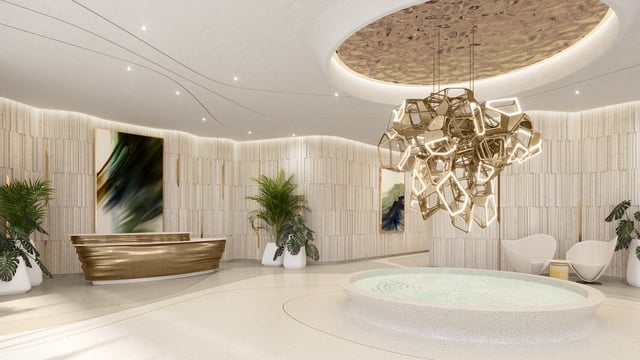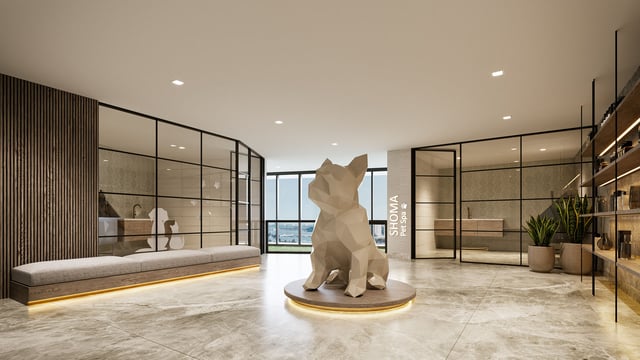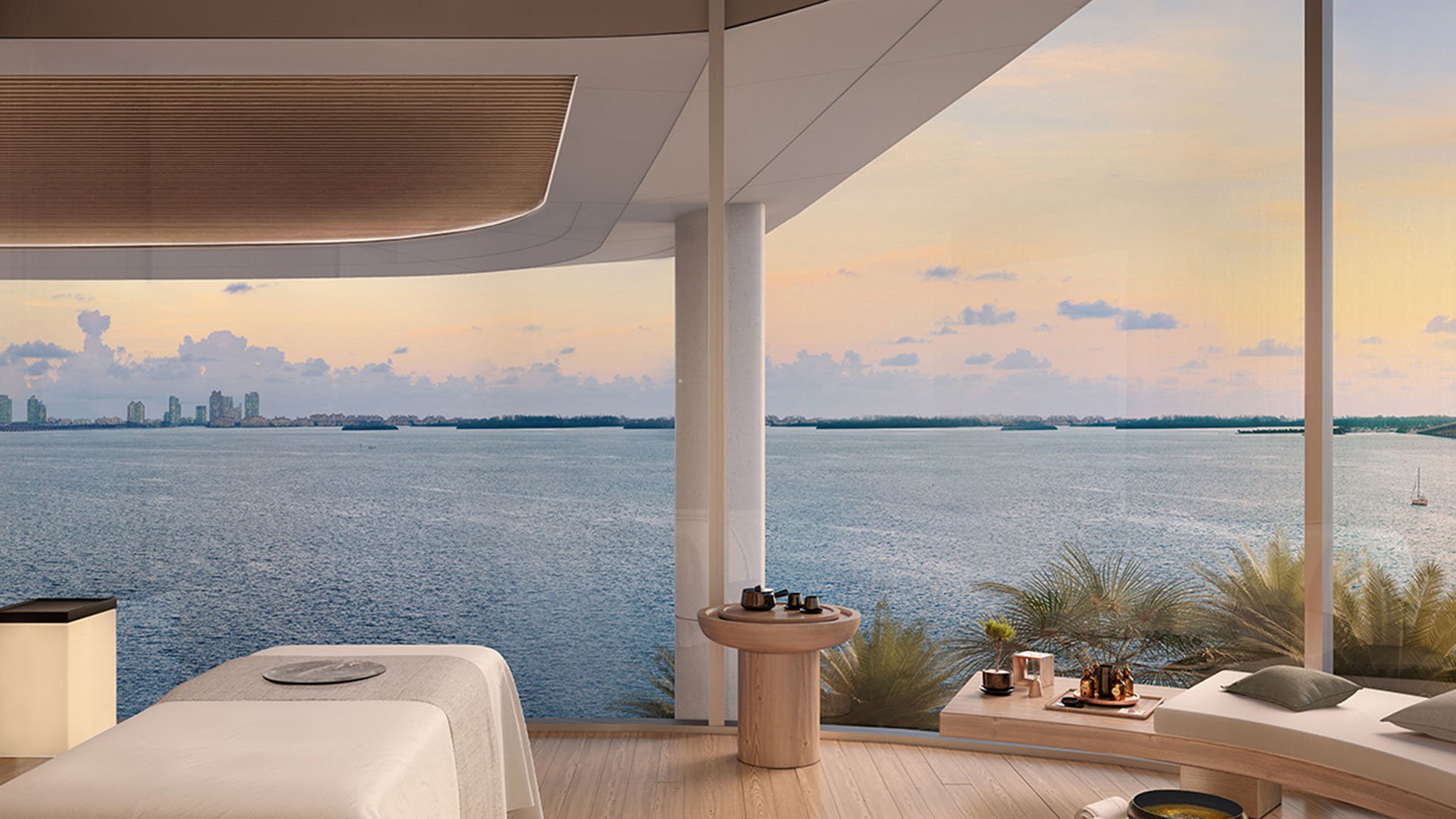
How to Evaluate the Quality of Water Filtration Systems in High-Rises
A buyer-focused framework for assessing high-rise water filtration: what to ask building management, what to test, and how to spot systems that protect fixtures, finishes, and daily wellness.
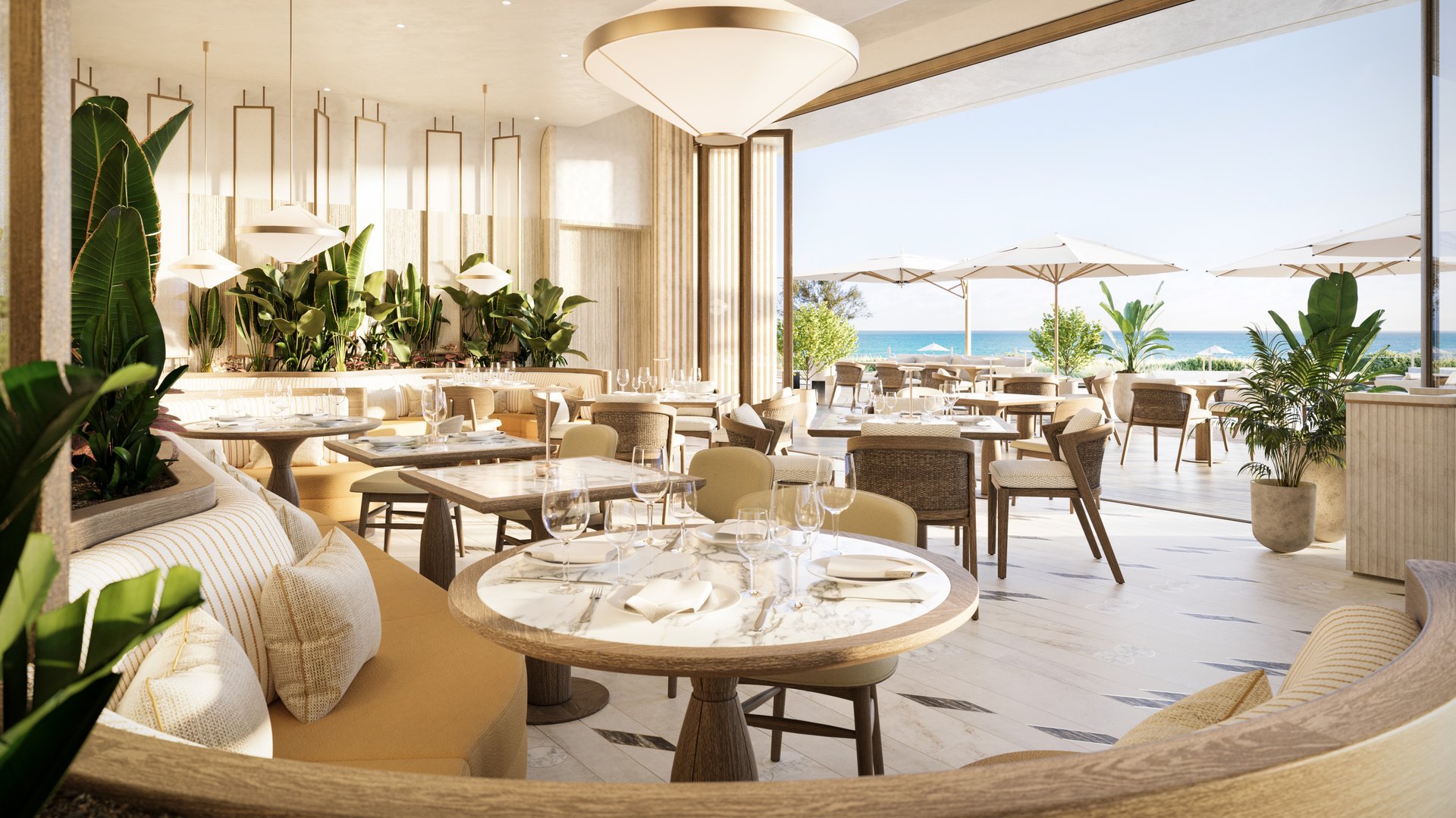
Evaluating the Impact of Michelin-Starred Restaurants on Condo HOA Fees
A discreet, buyer-oriented framework for understanding how Michelin-caliber dining programs and hotel-style food and beverage operations can influence condominium HOA budgets, reserves, and long-term resale positioning in South Florida.

How to Structure Offshore Trusts for South Florida Property Acquisitions
A discreet, buyer-oriented framework for using offshore trusts when acquiring South Florida real estate, focusing on governance, compliance, financing, insurance, and clean exit planning.

Evaluating Natural Stone vs Composite Materials in Coastal Environments
In South Florida, the decision between natural stone and composite surfaces is less about taste and more about coastal physics: salt, sun, wind-driven rain, and constant cleaning. For luxury residences, the best outcomes come from matching the material to the microclimate, selecting the right finish, and specifying detailing that keeps water out and maintenance predictable.

The Value Proposition Of A Private Elevator Foyer In Post Pandemic Luxury Real Estate
A private elevator foyer has evolved from a quiet prestige marker into a practical post-pandemic feature that supports privacy, hygiene, security, and daily ease. In South Florida’s ultra-luxury condo market, it also shapes first impressions, protects interior serenity, and can influence resale positioning when buyers compare otherwise similar floor plans. This editorial breaks down what a private elevator foyer truly delivers, where it matters most, and how to evaluate quality beyond the marketing phrase.
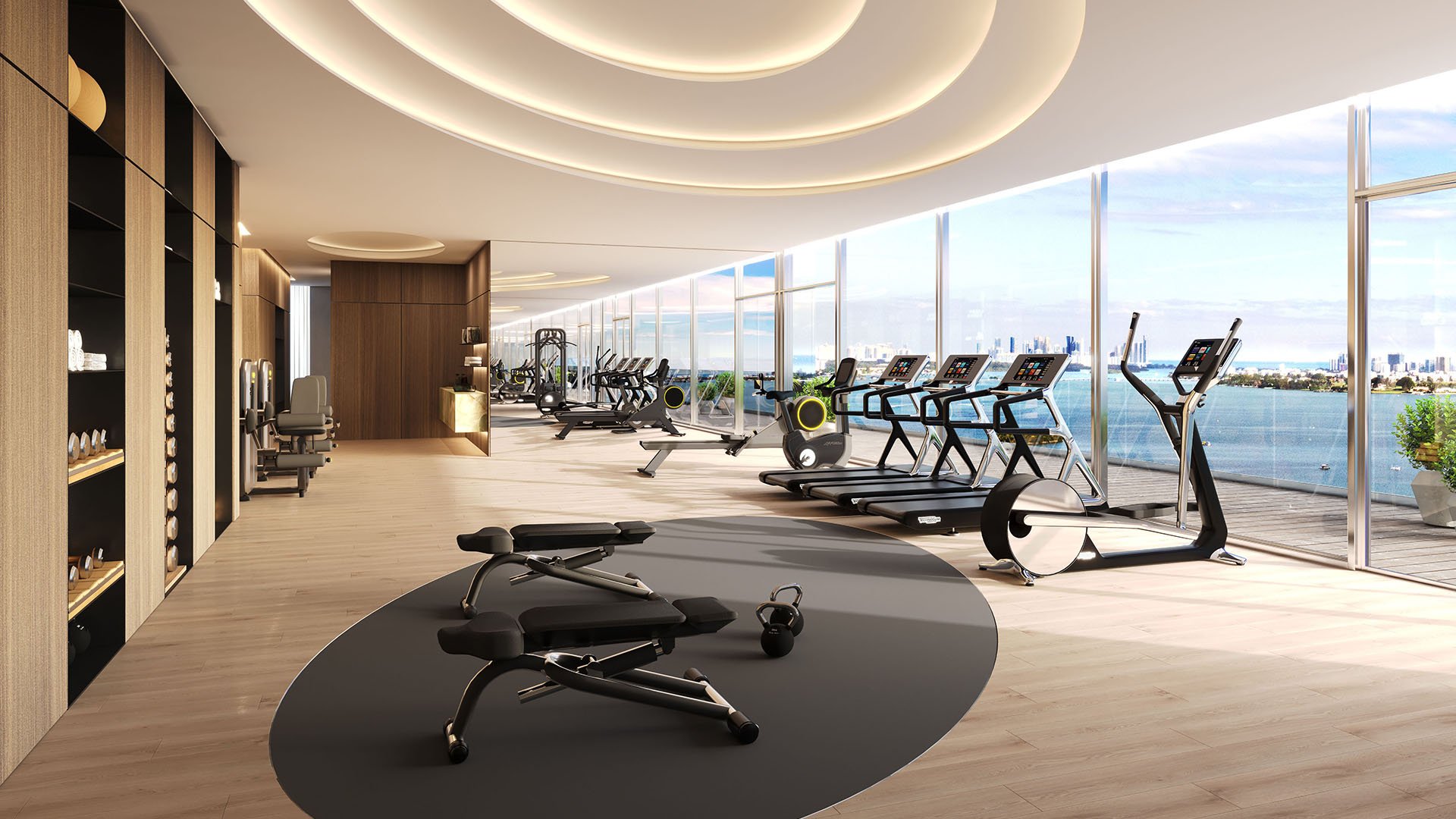
Assessing The High Impact Training And Recovery Rooms At Monarch Athletic Club Intersections
In South Florida’s luxury landscape, the private athletic club is no longer an amenity. It is a positioning statement. High-impact training zones and recovery rooms, in particular, have become the two-pole engine of modern performance living: one space designed to elevate output, the other to protect longevity. This editorial assesses how these rooms tend to intersect at a member-forward club like Monarch Athletic Club, and what discerning buyers and residents should look for when evaluating whether a fitness program is truly “high performance” or simply well photographed. The lens is intentionally practical: noise, materials, circulation, privacy, and day-to-day usability matter as much as brand-name equipment. Rather than treating training and recovery as separate experiences, the most compelling clubs choreograph them as a single sequence. That intersection, where intensity meets restoration, is where value is either compounded or lost.