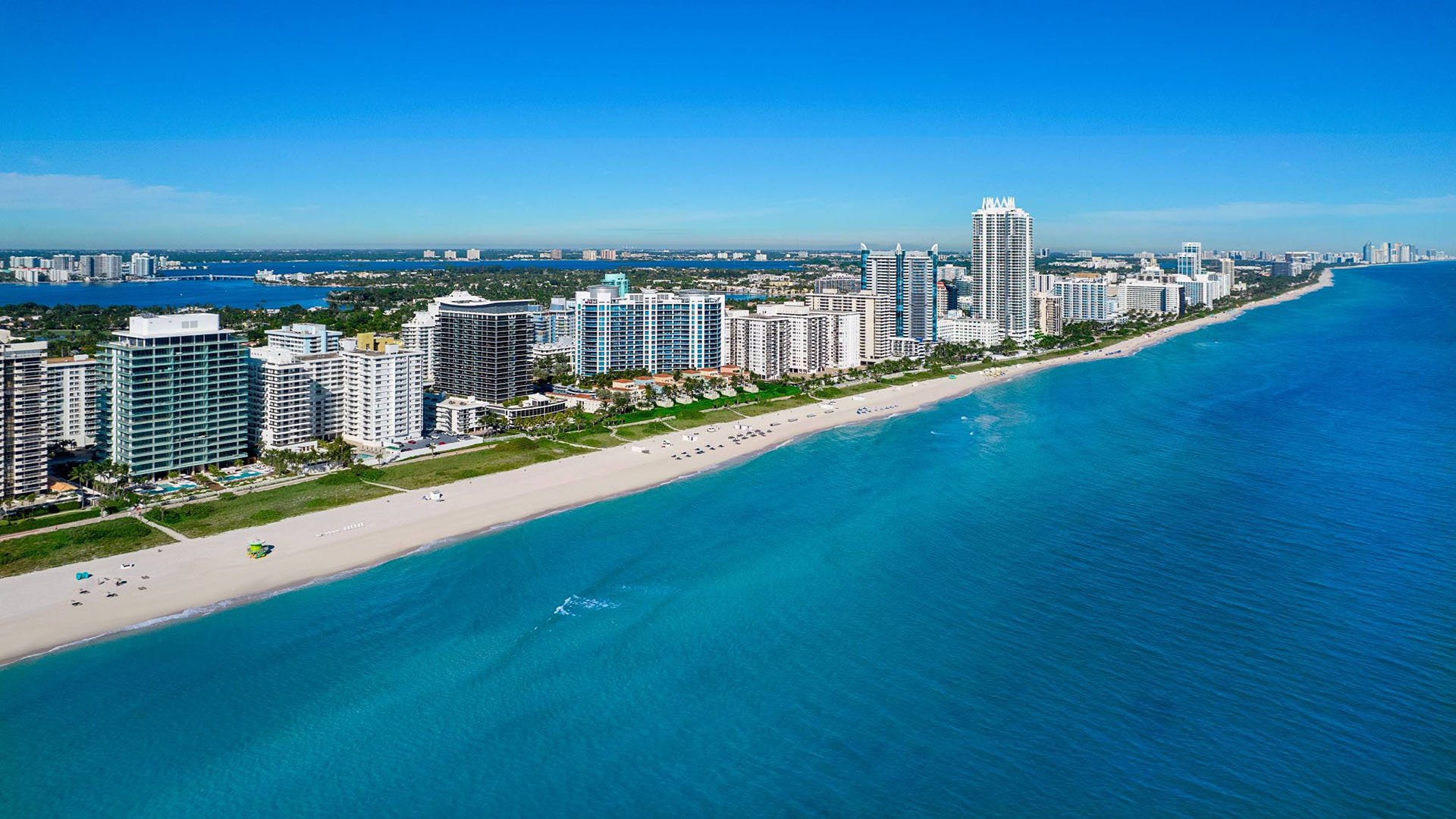
What to ask about household storage before you assume a large square-footage residence is truly functional
Large residences can impress on paper while falling short in daily use if storage is poorly planned. This MILLION guide outlines the questions discerning South Florida buyers should ask to determine whether square footage translates into true household functionality.
.jpg&width=1920)
What to ask about package rooms, cold storage, and delivery logistics in full-time luxury condo living
For full-time luxury condo buyers in South Florida, package handling is no longer a minor convenience. It is a daily operational system that affects privacy, staffing, security, perishables, lobby flow, and the ease of living. This guide outlines the due-diligence questions to ask about package rooms, refrigerated storage, oversized deliveries, and last-mile logistics before you buy.
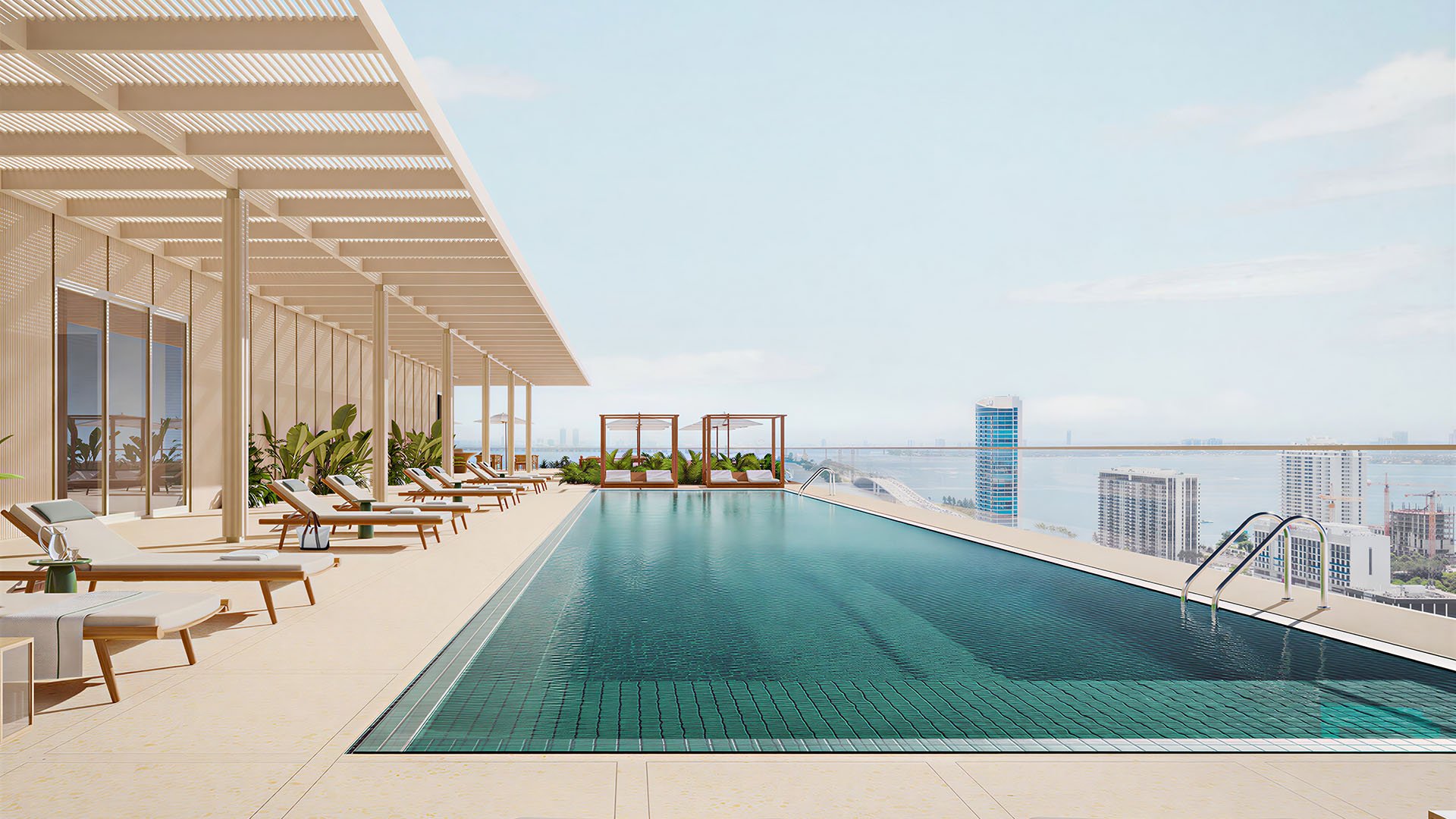
Kid-friendly condo living: What families should ask about pools, noise, and security
For families considering a South Florida condominium, the right questions go far beyond square footage and finishes. Pool safety, building acoustics, access control, emergency readiness, and rule enforcement shape whether daily life feels effortless or stressful. This MILLION Luxury guide outlines the practical due diligence families should complete before buying.
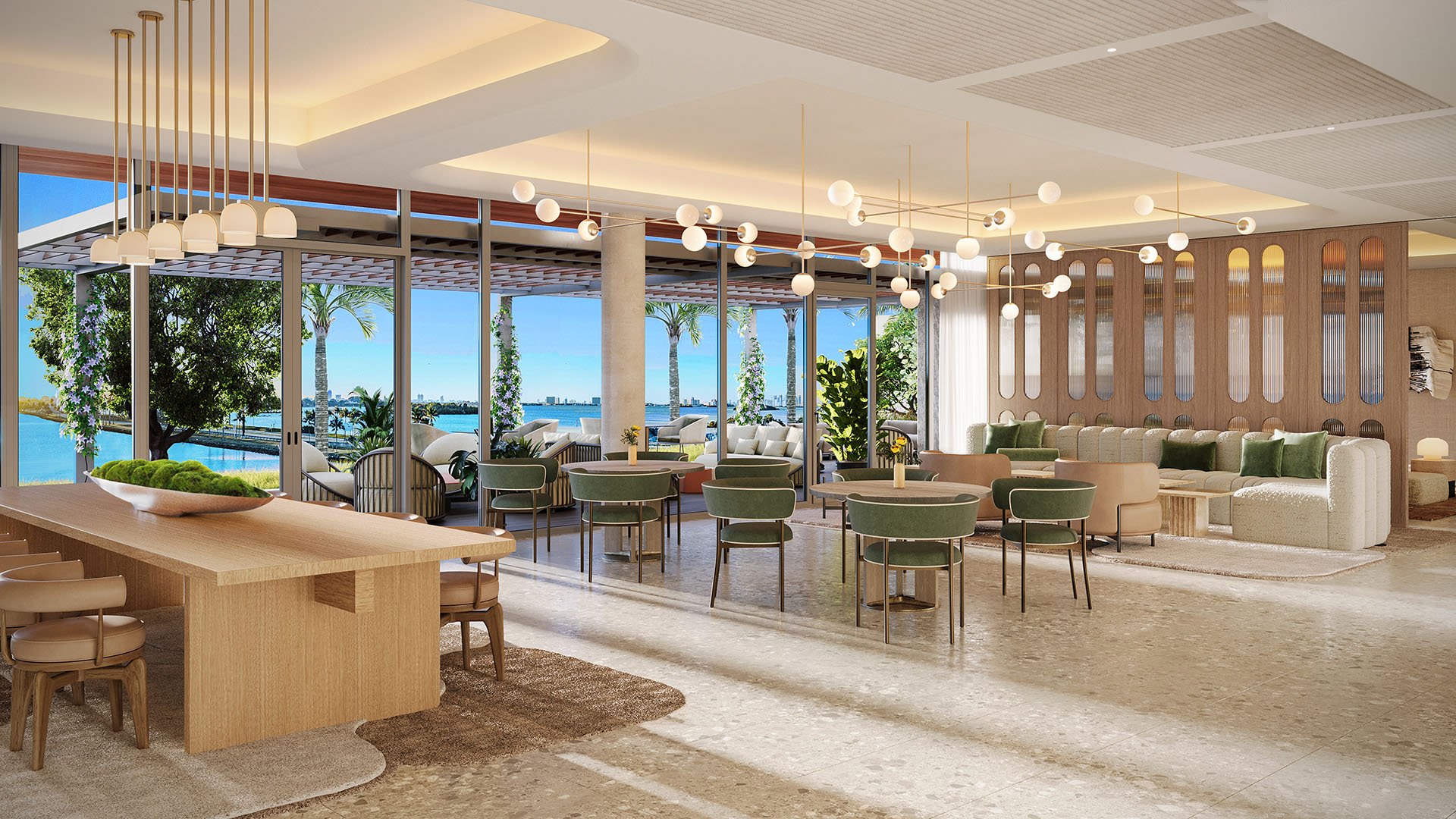
The Logistics of Furnishing a Luxury Condominium Specifically for World Cup Dignitaries
Furnishing a luxury South Florida condominium for World Cup dignitaries is less about taste and more about operational excellence: security-aware planning, brand-neutral comfort, and a white-glove timeline that protects the building, the owner, and the guest experience.

Seven Ultra Luxury Buildings in Florida Implementing Advanced Artificial Intelligence Concierge Systems
In Florida’s most rarefied residential towers, the definition of “service” is shifting from staffed desks and phone calls to an always-on, privacy-minded layer of automation. Advanced AI concierge systems are increasingly positioned as the quiet operating system behind the scenes, designed to anticipate routines, streamline arrivals, and personalize building life without compromising discretion. For South Florida buyers, the question is not whether a property offers five-star hospitality. It is whether the building’s digital backbone can match the pace of modern ownership: multi-home schedules, frequent travel, staff coordination, and a growing preference for touchless, text-first service. The best executions feel less like a gadget and more like an invisible butler: consistent, secure, and never performative. Below, MILLION Luxury outlines seven ultra-luxury building archetypes in Florida where advanced AI concierge concepts are actively being implemented or integrated into day-to-day operations. Because public disclosures vary by developer and management team, the emphasis here is on what an AI concierge does well, what it should never do, and how to evaluate the experience during your purchase diligence.
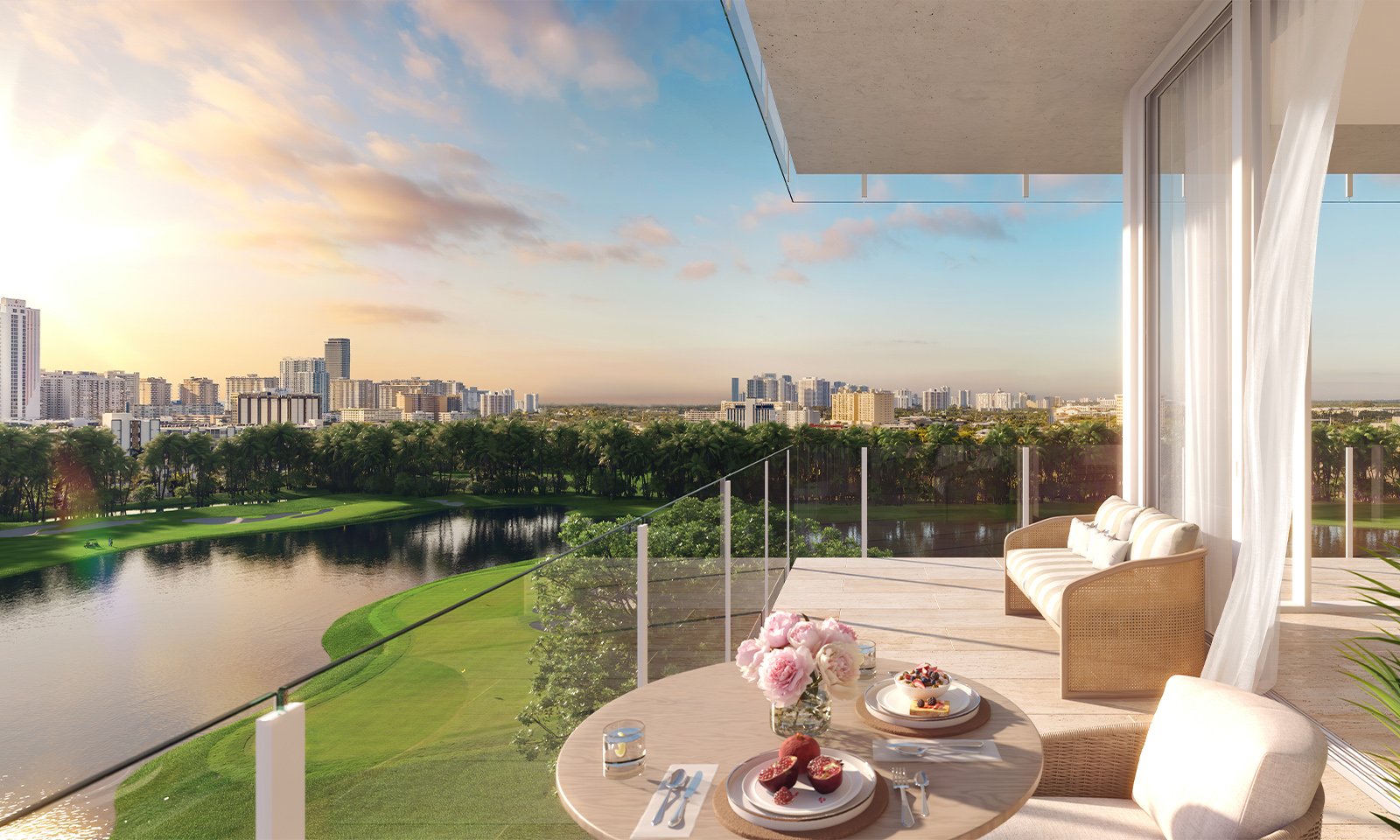
Five Branded Residences in South Florida with Sommelier Services
In South Florida’s newest wave of branded living, wine is no longer an afterthought. For buyers who collect seriously, entertain often, or simply prefer their cellar managed with hotel-level discretion, a growing set of residences is aligning the home experience with sommelier-led service. The appeal is practical: curated procurement, proper storage, event-ready pairing, and the quiet confidence that a bottle opened at the right moment will be the right bottle. Sommelier services vary widely, from resident-led tastings and pairing dinners to on-call selection for private chefs, in-residence service, and behind-the-scenes management of cellars, wine lockers, and delivery logistics. In a market where time is the true luxury, the most compelling proposition is not the tasting itself, but the seamless orchestration. Below, MILLION Luxury frames five branded residence experiences where wine culture is positioned as part of the lifestyle conversation. Details differ by property and can evolve; the larger point is the direction of travel: hospitality-grade beverage programs are becoming a meaningful differentiator for the most discerning South Florida buyer.