The Importance of Dedicated Staff Parking in Miami High Rise Developments
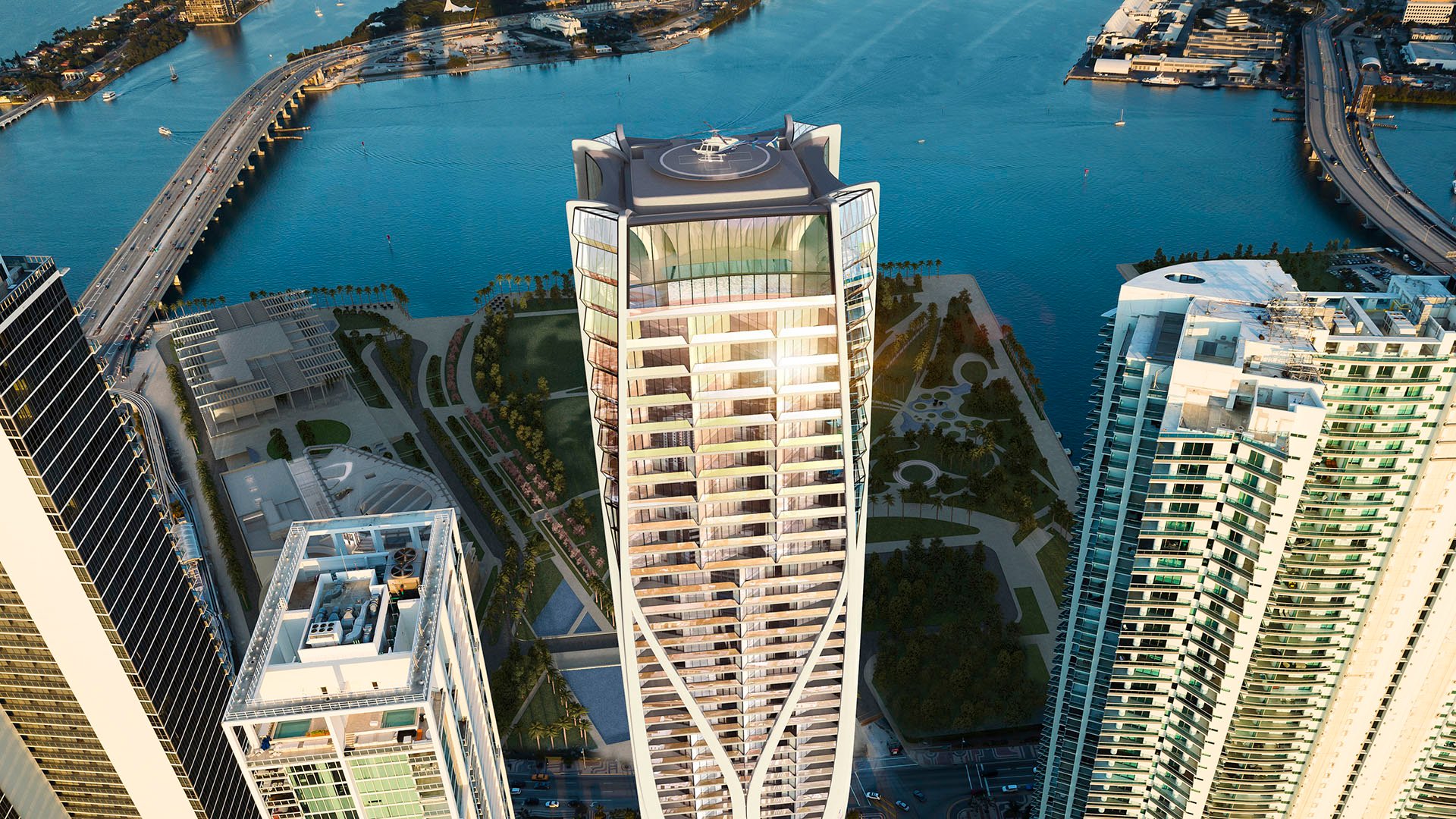
In Miami’s luxury high-rise market, dedicated staff parking is more than a convenience. It is an operational backbone that protects arrival rituals, reduces service friction, and supports retention of the people who make a building feel effortless. For buyers and developers, allocating secure, well-managed spaces for employees and vendors can materially influence resident experience, building security, and long-term value perception.

How to Evaluate the Flow of Back of House Service Corridors for Private Catering
A buyer-focused guide to judging back-of-house service circulation in luxury South Florida residences, with practical walk-through tests that protect privacy, timing, and the guest experience.

The Importance of Acoustic Insulation in High Rise Yoga and Meditation Rooms
In South Florida’s high-rise lifestyle, wellness amenities have matured from a glossy perk into a daily ritual. Yet the very qualities that make towers desirable, height, glass, views, proximity to energy, also amplify vibration, mechanical hum, hallway footfall, and the unpredictable cadence of neighbors. For yoga and meditation rooms, where breath, cadence, and stillness are the experience, acoustic insulation becomes a form of design integrity: it protects intention. This MILLION Luxury editorial explains what “quiet” actually requires in a vertical building, how buyers can evaluate acoustic performance without a lab report, and what developers, designers, and boards can do to deliver true sanctuary in the sky.

Evaluating the Efficiency of Destination Dispatch Elevators in Downtown Miami Supertalls
In Downtown Miami supertalls, elevator performance is not a technical footnote. It is a daily quality-of-life metric that shapes privacy, arrival rituals, and the lived value of the highest floors. Destination dispatch, a system that groups riders by selected floors before they enter the cab, has become a defining strategy for managing vertical traffic where residential, hotel, and amenity programs share a single tower. For buyers, the question is not whether destination dispatch exists, but how it is deployed. The best systems feel invisible: short waits, calm lobbies, predictable rides, and fewer intermediate stops. Poorly tuned systems can do the opposite, introducing friction precisely where luxury should feel effortless. This editorial translates elevator strategy into buyer-centric signals to watch for in Downtown Miami.

How the Biohacking Movement is Transforming Condominium Gyms into Longevity Clinics
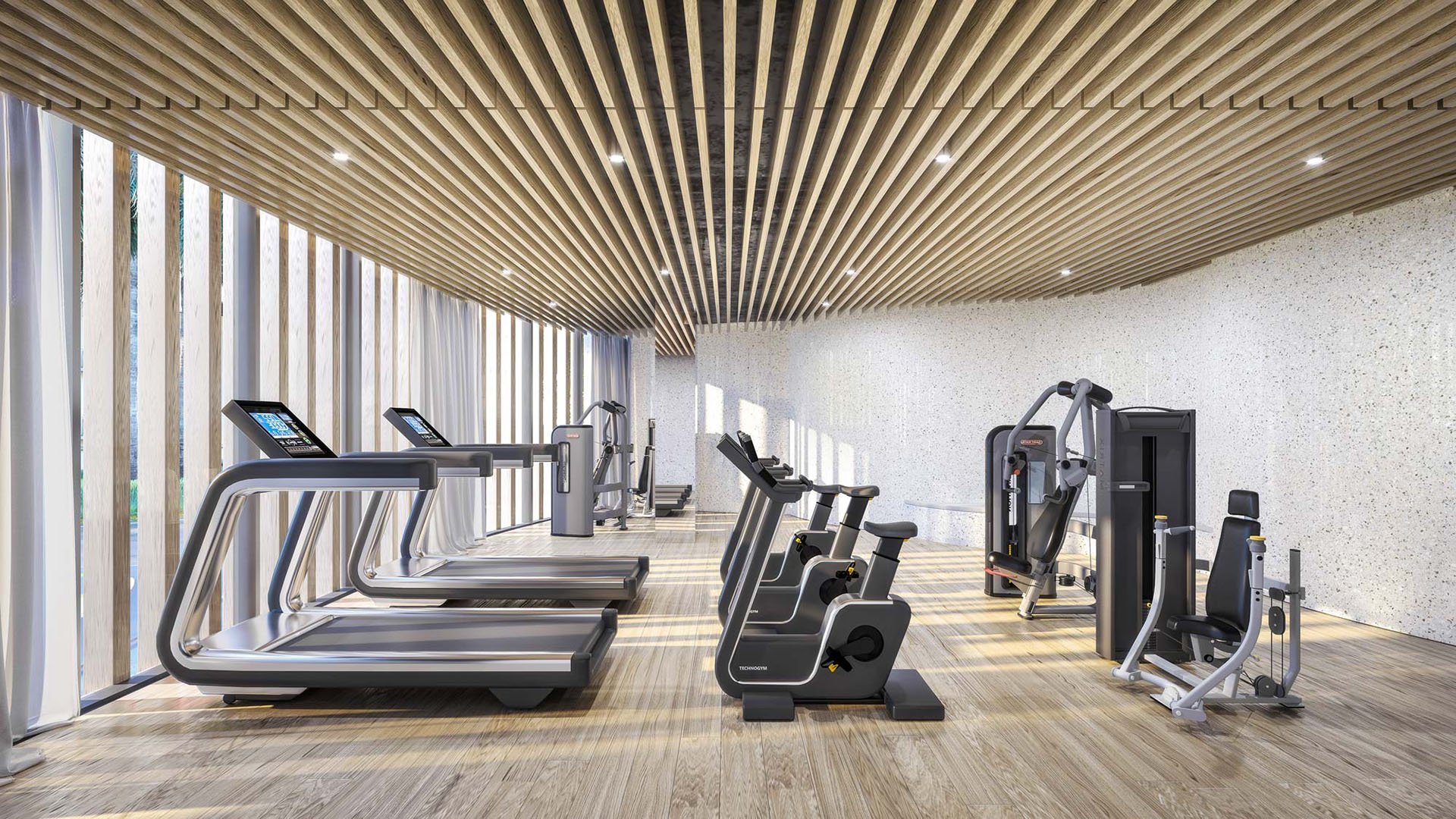
South Florida’s most ambitious condo amenities are shifting from conventional fitness rooms to wellness ecosystems that feel closer to private longevity clinics. For buyers, this evolution changes how value is assessed: not just square footage and views, but recovery capacity, sleep quality, air and water standards, and the daily friction required to maintain a high-performance routine.

The Integration of Red Light Therapy and Contrast Hydrotherapy in Miami Condominiums
Miami’s new wellness-forward condominium amenity is not a single feature, but a sequence: red light therapy paired with contrast hydrotherapy. Together, they translate spa-grade recovery into a daily, resident-only ritual that feels as intentional as the architecture itself. This editorial explains what these modalities are, how they are being designed into South Florida buildings, what sophisticated buyers should ask before they underwrite the lifestyle, and why the best implementations prioritize privacy, protocol, and materials as much as the equipment.