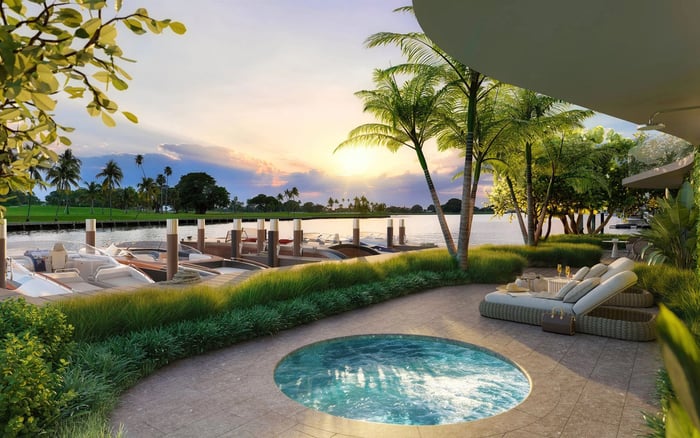
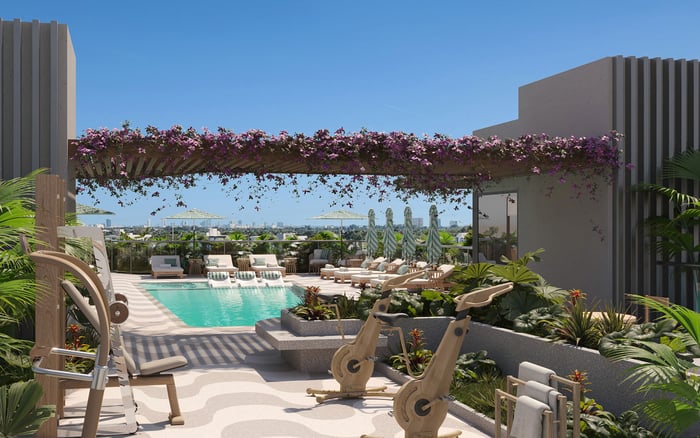
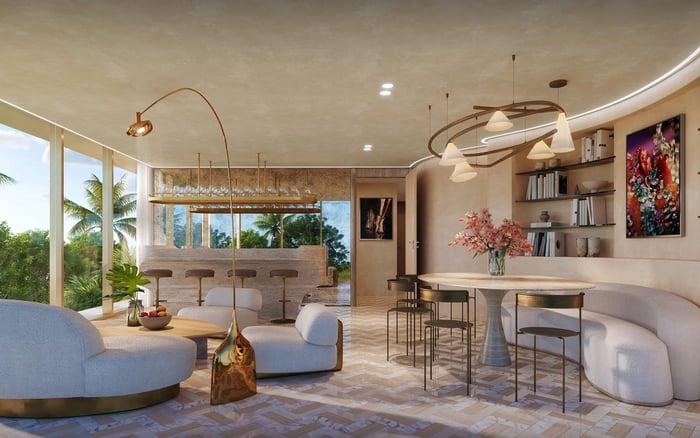
For wellness-focused buyers, flood-zone exposure is not a technical footnote. It is part of the home’s comfort profile, operating discipline, insurance posture, and long-term ease of ownership.
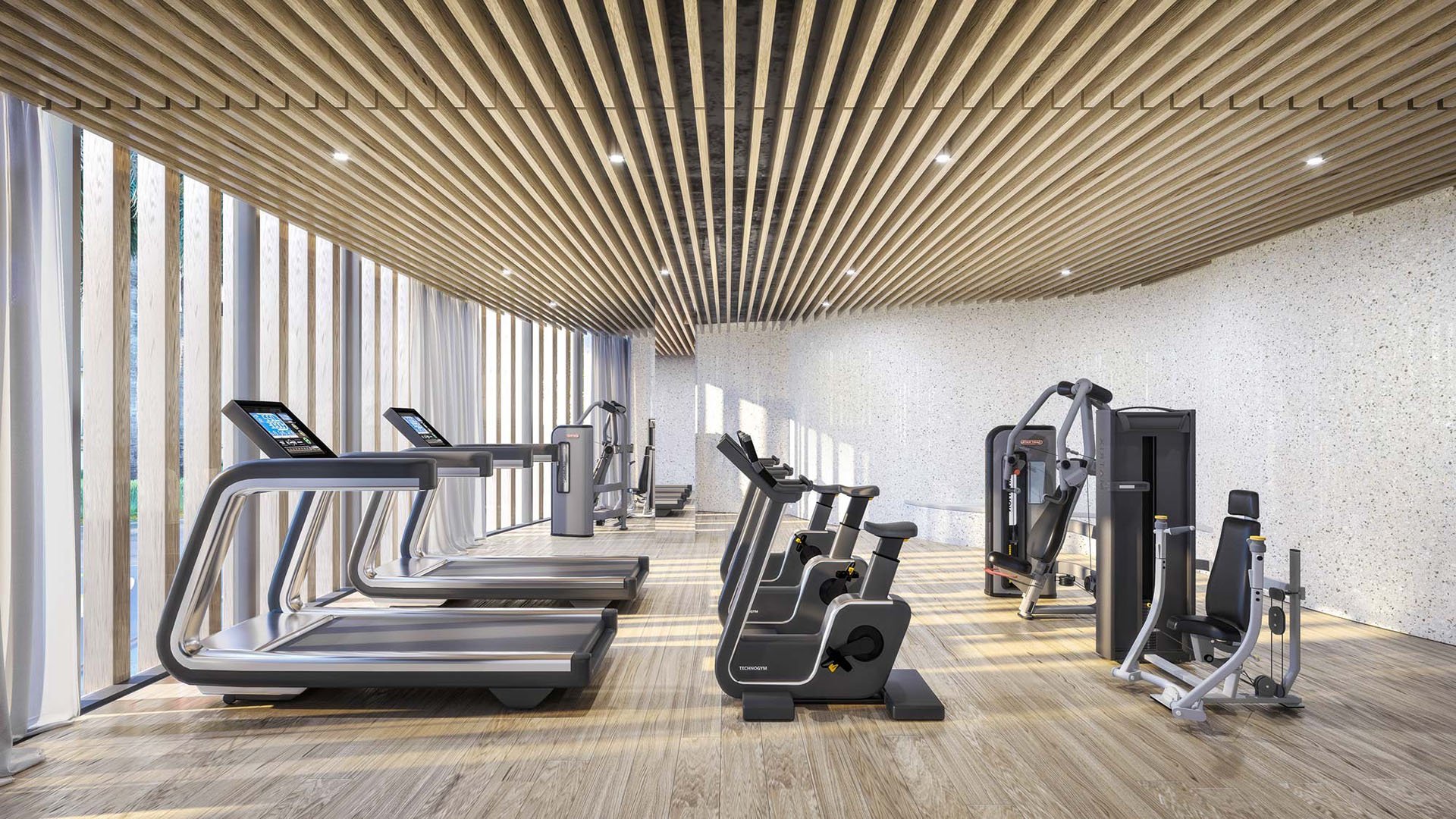
For the wellness-focused buyer, a South Florida residence is rarely just an address. It is the daily architecture of recovery, light, air, privacy, movement, and ritual. The morning swim, the quiet terrace, the walk to the beach, the spa circuit, the garden view, and the ability to host without friction all shape a sense of ease. Flood-zone exposure sits quietly beneath that lifestyle, yet it can influence how effortless ownership ultimately feels.
This does not mean the most desirable coastal or waterfront settings should be avoided. It means they should be read with the same sophistication buyers already bring to floor plans, finishes, service models, and amenity programs. In markets where water is part of the visual and emotional premium, understanding elevation, drainage, access, building systems, and insurance posture becomes part of protecting the home’s wellness value.
A buyer considering 57 Ocean Miami Beach may be drawn first to the beachfront rhythm, while a purchaser at 2200 Brickell may prioritize urban convenience and a refined residential scale. In both cases, flood-zone exposure is not simply a map designation. It is a prompt to ask sharper questions before signing.
Flood-zone exposure is often framed as an insurance issue. For an owner focused on wellness, the more personal question is continuity. Can you come and go easily during heavy weather? Are garage areas, lobbies, elevators, fitness spaces, spa rooms, storage areas, and service corridors designed with resilience in mind? If a residence is meant to support calm, the building’s response to water, wind-driven rain, and site drainage matters.
Even the most serene home can feel compromised if access is regularly disrupted or building operations become reactive rather than composed. Buyers should look beyond the view and ask how water moves around the site, where mechanical systems are located, how parking is protected, and what procedures are in place for storms or nuisance flooding. These are not gloomy questions. They are the quiet due diligence behind a luxurious life.
For wellness-oriented owners, this also extends to mental bandwidth. A home that carries constant uncertainty is not truly restorative. The goal is to understand risk, not dramatize it, and then decide whether the building, association, management, and location match the owner’s tolerance.
A flood map can start the conversation, but it should not end it. Two properties with similar designations can deliver very different ownership experiences depending on elevation, site planning, construction approach, garage configuration, drainage, and management culture. A higher residential level may feel removed from immediate exposure, but shared infrastructure can still influence daily comfort.
Ask where critical equipment is positioned. Ask whether storage, parking, lobby areas, and amenity floors have distinct vulnerabilities. Ask how the association communicates before and after major weather events. Ask whether past maintenance planning has treated resilience as a core responsibility or as an afterthought.
This is especially relevant in new-construction and recently delivered luxury buildings, where wellness branding, spa programming, and curated amenity decks may be central to the sales narrative. The deeper question is whether the invisible systems support the visible promise. A hammam, plunge pool, yoga deck, or recovery lounge only contributes to wellness if the underlying building operations are disciplined.
South Florida buyers often balance the romance of the coast with the practicality of mainland living. A waterfront residence offers a sensory reward that cannot be replicated inland, while urban convenience can reduce dependence on long drives and support a more fluid daily routine. Neither choice is inherently better. The right answer depends on how the owner lives.
In Bay Harbor Islands, a wellness-first buyer looking at The Well Bay Harbor Islands may be especially attuned to the relationship between calm design and environmental confidence. In Coconut Grove, The Well Coconut Grove places the wellness conversation in a lush, village-like setting where tree canopy, walkability, and residential texture may shape the buyer’s sense of retreat.
In Fort Lauderdale, a project such as Four Seasons Hotel & Private Residences Fort Lauderdale speaks to the appeal of service, beachfront living, and hospitality-level ease. The buyer’s task is to pair that emotional appeal with careful review of exposure, insurance, access, and building procedures.
A flood-zone review should reach beyond the individual residence. Condominium buyers should understand the association’s coverage, deductible structure, maintenance culture, and reserve posture. Single-family buyers should evaluate private coverage options, site improvements, drainage, and the condition of any systems intended to manage water.
Insurance is not merely a closing requirement. It is part of the ownership experience, and it can influence monthly carrying costs, lender conversations, and long-term flexibility. A wellness buyer who prizes simplicity should ask early, not late, how flood coverage fits into the broader cost of ownership.
The same discipline applies to associations. A building may present beautifully, but buyers should review whether the community has a clear operating culture around preparedness. Calm ownership often begins with calm governance.
Before contract execution, buyers should request a plain-language explanation of the property’s flood-zone status, elevation context, building systems, insurance requirements, and prior water-related maintenance. For condominiums, this should include the association’s master policy, deductibles, reserves, and any known capital planning tied to water management.
For single-family homes, the review should include site grading, drainage patterns, door thresholds, garage elevation, pool equipment, landscaping, seawalls where relevant, and the practical experience of access during heavy weather. A wellness-driven home should not only look tranquil in perfect conditions. It should be considered in imperfect ones.
Buyers should also ask how exposure may affect resale. Future purchasers may be even more attentive to climate, insurance, and operating costs. A property that can answer those concerns with clarity may preserve confidence more effectively than one that relies only on aesthetics.
Wellness real estate is ultimately about quality of life. In South Florida, that quality is inseparable from light, water, tropical air, and the relaxed glamour of indoor-outdoor living. Flood-zone intelligence does not diminish that appeal. It makes the purchase more deliberate.
The most sophisticated owners are not trying to eliminate every variable. They are trying to know which variables they are accepting, which have been mitigated, and which require ongoing attention. That awareness supports stronger negotiation, clearer insurance planning, better expectations, and, most importantly, a more peaceful relationship with the home.
When a residence is chosen with both beauty and exposure in mind, the result can be exactly what wellness buyers seek: a private environment that restores rather than distracts, and a South Florida lifestyle that feels as considered as it looks.
Why should wellness-focused buyers care about flood-zone exposure? Because exposure can affect daily ease, insurance planning, access, building operations, and long-term peace of mind.
Does being in a flood zone mean a property is a poor choice? No. It means the buyer should understand the building, site, insurance posture, and management practices before committing.
Is a high-floor condominium automatically protected from flood concerns? Not entirely. Shared systems, parking, lobbies, elevators, storage, and access routes may still influence the ownership experience.
What should condominium buyers review first? Review association insurance, deductibles, reserves, building systems, maintenance history, and procedures for storm preparation.
What should single-family buyers ask about? Ask about elevation, drainage, grading, garage exposure, mechanical equipment, landscaping, and practical access during heavy weather.
Can flood exposure affect resale? Yes. Future buyers may focus closely on insurance costs, operating resilience, and how clearly the property addresses water-related risk.
Should flood questions wait until inspection? No. They should begin early, so pricing, financing, insurance, and contract terms can be considered with better context.
How does this relate to wellness amenities? Wellness amenities depend on reliable operations. A spa, gym, pool, or garden setting feels more valuable when the building is resilient.
Are waterfront homes still attractive for wellness buyers? Yes. Water views, sea air, and outdoor living remain deeply desirable when paired with disciplined due diligence.
What is the ideal mindset before signing? Treat flood exposure as part of the property’s wellness profile, alongside design, privacy, service, light, and daily comfort.
When you're ready to tour or underwrite the options, connect with MILLION.
If branded residences are on your mind — as a home or as an allocation — we would be glad to share what we are seeing, privately.
Begin a quiet conversation