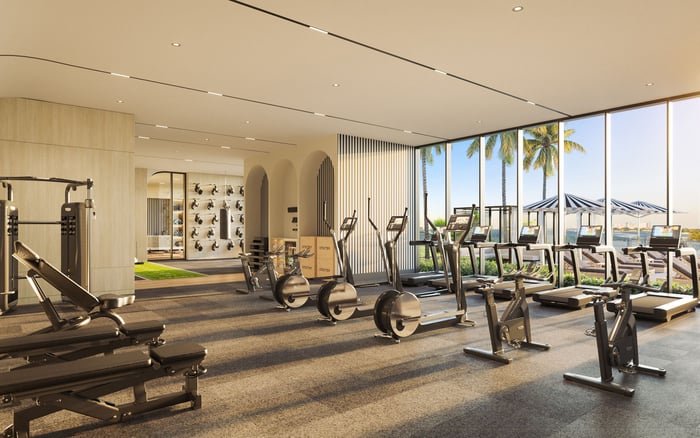
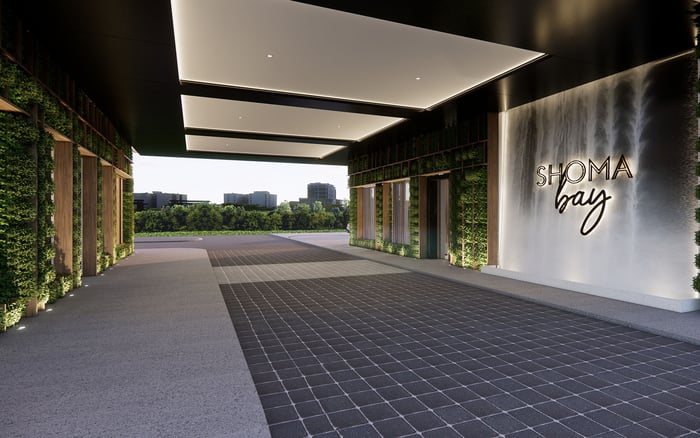
For collectors considering North Bay Village, the right residence is determined less by surface glamour than by verifiable control over access, illumination, installation, servicing, and risk. This guide frames the projects and questions that deserve close examination before purchase.
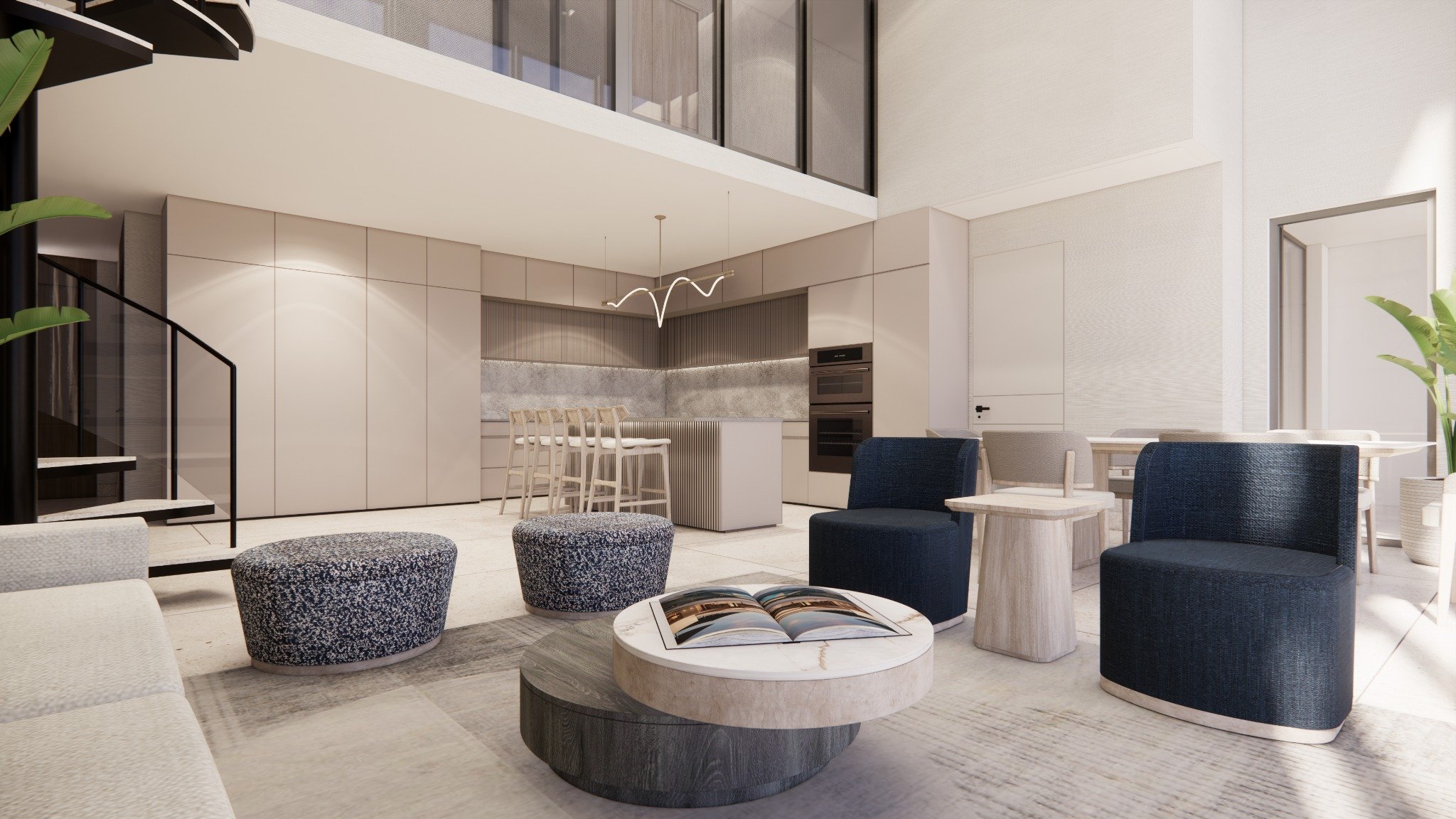
For an art collector, the best residence is not necessarily the one with the most dramatic glass or the most recognizable name. It is the home that supports discretion, conservation planning, secure movement, controlled presentation, and daily enjoyment without forcing compromises after closing.
That distinction matters when evaluating Branded Residences in North Bay Village. Marketing can establish a mood, but collector suitability must be confirmed at the level of the specific residence: its exposures, building procedures, governing documents, and available customization. The relevant question is not simply which project looks most refined, but which home can perform as a private gallery while remaining comfortable to live in.
Begin with the collection, not the floor plan. Create an inventory by scale, medium, weight, preferred orientation, installation requirements, and sensitivity. Then determine which works must occupy primary rooms, which can tolerate brighter transitional spaces, and which require more controlled conditions.
Map privacy with equal precision. Follow the complete path from vehicle arrival to residence entry for guests, household staff, art handlers, advisers, and service teams. A polished lobby is only one point in that sequence. Buyers should ask how identities, deliveries, temporary access, elevator use, and after-hours work are managed.
For North Bay Village buyers, this hierarchy separates emotional appeal from operational fit. It also gives architects, lighting consultants, security advisers, insurers, and art professionals a common framework for evaluating the same home.
Light control is not a single feature. It is a room-by-room design brief shaped by orientation, glazing, window treatments, artificial illumination, wall placement, and the intended rotation of works. A buyer should request a clear drawing of likely display walls and test how each relates to windows, doors, reflections, furniture, and circulation.
The most useful exercise is to assign every important piece a plausible location before committing. If a residence requires extensive intervention, determine whether the work is permitted and whether ceiling, electrical, millwork, shading, or wall modifications can be completed to the collector’s standard.
This is where Design & Architecture must become practical rather than merely decorative. Beauty remains essential, but the interior should also allow precise aiming, dimming, concealment, maintenance, and future reconfiguration without visual clutter.
Collector privacy is both spatial and procedural. Within the residence, examine direct sightlines from neighboring properties, common areas, terraces, and approaching boats or vehicles where relevant. Within the building, review how residents, visitors, vendors, and service personnel move through shared spaces.
A Waterfront setting can heighten the importance of this audit because the home may be experienced from several directions. The response should be tailored to the residence, not assumed from a project-wide presentation. Window treatments, landscape elements, vestibules, access permissions, and service scheduling should function as one discreet system.
Collectors should also consider information privacy. Ask who receives guest names, vendor details, delivery descriptions, installation schedules, and residence access records; how long that information is retained; and who can retrieve it.
Security should be evaluated as a chain. The residence, common areas, loading path, elevators, parking, staff procedures, communications, and emergency planning must align. Technology alone cannot resolve gaps in authorization or execution.
Before purchase, trace a hypothetical acquisition arriving at the property. Identify where the vehicle waits, where packing materials are handled, how an oversized work travels, who controls access, and how the route is protected from casual observation. Repeat the exercise for removal, conservation, photography, and appraisal.
The residence itself warrants a separate plan covering alarms, sensors, cameras where appropriate, backup procedures, safe storage, and response responsibilities. Any proposal should be coordinated with the buyer’s insurer and specialist advisers before installation.
A focused comparison can begin with Continuum Club & Residences North Bay Village. Rather than assuming the name answers the collector’s questions, request residence-specific information on glazing, shade integration, delivery routes, access control, installation approvals, and the management of specialist vendors.
Buyers considering Shoma Bay North Bay Village should apply the same disciplined test. Overlay a proposed collection plan onto the exact layout, then examine privacy from every principal room and trace the complete route used by art handlers. Confirm all representations through the relevant purchase documents and professional review.
Tula Residences North Bay Village should be examined through the same collector-first lens. Consistency is critical: compare projects using identical questions, required documents, sample scenarios, and approval standards. That discipline prevents a compelling presentation from obscuring a practical limitation.
No project should be declared the automatic winner without matching its individual residence to the collection. Continuum Club & Residences North Bay Village and Shoma Bay North Bay Village may belong in the conversation, but the best choice remains specific to the works, household, risk profile, and desired degree of intervention.
A collector’s matrix should record each requirement, its supporting document, the responsible party, and the point at which it must be resolved. Include display-wall dimensions, lighting and shading plans, structural questions, renovation permissions, service access, security protocols, insurance conditions, and ongoing maintenance.
Distinguish what is included, what is optional, what requires approval, and what cannot be changed. Verbal comfort is no substitute for contractual clarity. Attorneys and specialist advisers should review the controlling documents, while technical professionals assess whether the proposed residence can support the intended installation.
What makes a residence suitable for a serious art collection? Suitability depends on the specific works, display plan, light strategy, installation needs, privacy expectations, security procedures, and governing documents.
Is a branded residence automatically more secure? No. Buyers should verify actual staffing, access procedures, service routes, technology, response planning, and contractual obligations.
Should collectors avoid residences with extensive glazing? Not automatically. Glazing, orientation, shading capability, room plan, and the needs of each work should be assessed together.
When should an art adviser review the floor plan? Ideally, the review should occur before purchase so important works can be mapped to realistic walls, circulation paths, and installation conditions.
What should be checked for oversized artwork? Confirm the complete handling route, including vehicle access, loading areas, door clearances, elevators, turns, staging, and installation approvals.
Can window treatments solve every light-control issue? No. They are one component of a broader plan that also considers glazing, orientation, artificial lighting, placement, and use patterns.
How can a buyer evaluate privacy before closing? Visit at different times, study sightlines, trace guest and service movement, and review access and information-handling procedures.
Which documents deserve specialist review? Purchase documents, governing documents, plans, specifications, alteration rules, insurance requirements, and written security or delivery procedures may all be relevant.
Should security planning happen before interior design? The two should proceed together so sensors, controls, storage, lighting, millwork, and access decisions form a coherent interior.
Is there one best North Bay Village residence for every collector? No. The answer depends on the collection, exact residence, household routines, tolerance for customization, and required level of discretion.
To compare the best-fit options with clarity, connect with MILLION.
If branded residences are on your mind — as a home or as an allocation — we would be glad to share what we are seeing, privately.
Begin a quiet conversation