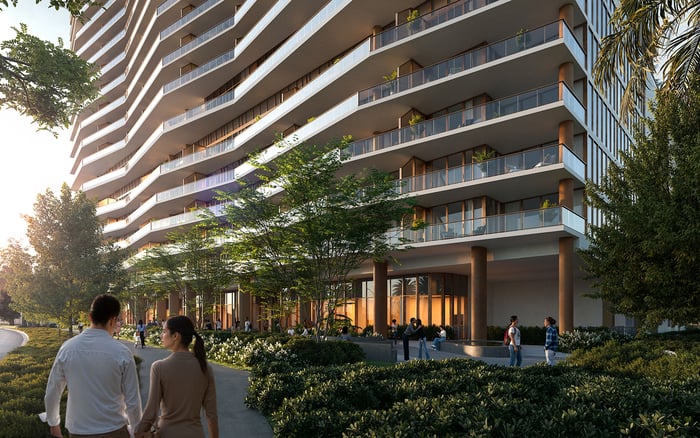
A buyer-focused guide to comparing rental restrictions across South Florida luxury condominiums, from state and municipal compliance to association documents, lease minimums, caps, taxes, and enforcement.
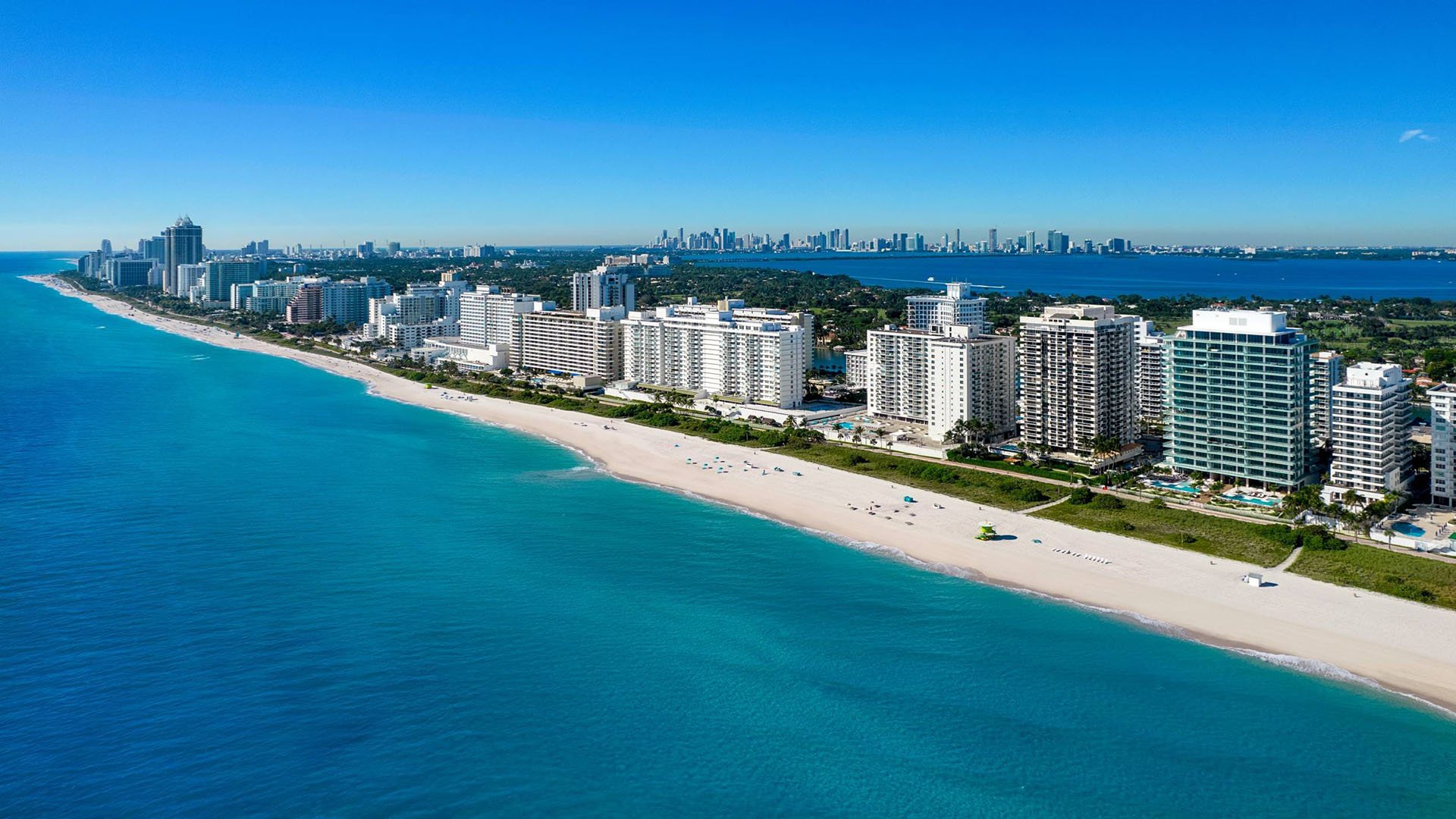
In South Florida, the difference between oceanfront, bayfront, and city living is not only the view. It is the rental profile built into the property. Two residences with similar pricing, finishes, and amenities can produce very different ownership outcomes because one permits flexible seasonal use while another limits leasing to longer terms, fewer annual leases, or association-approved tenants only.
For a luxury buyer, the question is not simply, “Can I rent it?” The sharper question is, “What kind of rental use does this property truly support?” Personal use, seasonal income, annual leasing, corporate housing, and true short-stay operation are distinct strategies. Each must be tested against Florida law, municipal zoning and licensing rules, condominium or HOA governing documents, and building-specific procedures.
Florida defines a vacation rental to include certain condominium, cooperative, single-family, two-family, three-family, or four-family units rented more than three times per year for periods of less than 30 days or one calendar month, or advertised as regularly rented to guests. That definition matters because a residence marketed as flexible may still trigger state, city, tax, and association requirements when the intended stays become short enough or frequent enough.
Oceanfront residences often sit closest to vacation demand, making rental flexibility especially appealing. Yet those same coastal addresses may be located in politically sensitive residential areas where short-stay activity receives close scrutiny. Miami Beach, for example, treats short-term rentals as a heavily regulated use and prohibits them in many residential areas. Where permitted, compliance can involve zoning, licensing, a business tax receipt, resort tax, and state-level requirements.
That is why an oceanfront buyer evaluating 57 Ocean Miami Beach, or any comparable coastal address, should separate lifestyle appeal from legal usability. Beach access, services, and views may support personal enjoyment and seasonal desirability, but the rental plan must withstand the building documents and the municipality. A unit that is ideal as a private second home may be less suitable for frequent guest turnover if the association or zoning district restricts that use.
The key questions are concrete: What is the minimum lease term? How many times per year may the unit be leased? Is tenant approval required before occupancy? Are there application fees, waiting periods, background checks, or blackout periods? Are there rental caps limiting how many units may be leased at one time? Each answer affects both yield and liquidity.
Bayfront properties can attract a different renter profile. Some buyers think in terms of seasonal tenants, relocating executives, medical or finance professionals, or residents who want water views without the hotel-like rhythm of the beach. Yet bayfront does not automatically mean more flexible. The decisive layer remains the declaration, bylaws, articles, rules, meeting records, and any amendments in the condominium’s official records.
A buyer considering Aria Reserve Miami, for instance, should evaluate the bayfront lifestyle alongside the association’s exact rental language. The same applies across North Bay Village, Bay Harbor Islands, Edgewater, Aventura, and other waterfront neighborhoods. “Seasonal friendly” is not a substitute for the lease minimum printed in the governing documents.
Condominium amendments also deserve careful attention. In Florida, amendments that restrict an owner’s rental rights generally apply only to owners who consent to the amendment and owners who acquire title after the amendment’s effective date, subject to statutory exceptions. For a buyer, that means current and historical rental language can matter, especially in resale transactions where documents and disclosures form part of the due diligence package.
In dense city settings, rental demand may be less about the beach week and more about business travel, relocation, education, healthcare, finance, or a trial period before purchase. Brickell, Downtown Miami, Edgewater, Fort Lauderdale, and West Palm Beach can each support different tenant behaviors. Still, a city address does not eliminate the need to confirm licensing, taxes, association approval, and lease rules.
When comparing a residence such as 2200 Brickell with an oceanfront or bayfront alternative, the analysis should begin with the intended use case. An annual tenant may be compatible with a building that limits leases to longer periods. A seasonal tenant may require a lease term of several months. A corporate housing model may need repeat occupancy, streamlined approvals, and clarity on whether the association treats the arrangement as a lease, guest use, or commercialized activity.
Investment discipline matters here. Buyers often focus on headline rent, but the operating reality includes approvals, deposits, elevator reservations, move-in fees, registration obligations, taxes, cleaning cadence, insurance expectations, and enforcement risk. In luxury buildings, resident experience is part of value preservation, so boards may scrutinize high-frequency leasing more closely than annual tenancy.
Municipal programs can be decisive even where the building seems permissive. Fort Lauderdale requires vacation rental registration for qualifying short-term rental properties, and its program includes operational standards and inspection requirements. For buyers comparing beach-area, waterfront, and urban properties there, diligence should include not only lease minimums but also registration, inspection timing, and ongoing compliance procedures.
A residence such as Four Seasons Hotel & Private Residences Fort Lauderdale may be evaluated for service, location, and lifestyle, but a rental strategy still needs property-specific and city-specific confirmation. The more operational the rental plan becomes, the more the buyer should think like an owner of a regulated asset, not simply a vacation-home purchaser.
Tax treatment is part of that discipline. Florida transient rental tax rules apply to rentals or leases of living or sleeping accommodations for six months or less. In Palm Beach County, Tourist Development Tax applies to living quarters or accommodations rented for six months or less. These tax layers can change the economics of seasonal and short-stay rentals, even before association fees and management costs are considered.
Short-term-rentals are often discussed as if they are a single category, but the rules can turn on duration, frequency, advertising, local zoning, and association language. A building that allows only longer leases may still be attractive for annual or seasonal tenants, especially where luxury residents value stability and privacy. Long-term-rentals can also reduce approval friction and turnover, although they may not capture peak-season pricing in the same way.
For comparison purposes, build a matrix before making an offer. Across each property, record the minimum lease term, maximum number of leases per year, tenant-approval process, required fees, security deposits, waiting periods, rental caps, renewal rules, guest policies, pet rules for tenants, and any board discretion. Then add the municipal layer: zoning eligibility, registration, local tax, state licensing, and inspection obligations where applicable.
Association enforcement should not be treated lightly. Condominium associations may enforce governing documents through fines and suspensions, so a violation can create building-level consequences beyond any city penalty. Board processes also matter because Florida condominium law sets notice and meeting requirements for board actions, which can affect when rule changes are discussed or adopted.
The cleanest comparison begins with lifestyle. If the residence is primarily a private retreat, a stricter building may be acceptable or even preferable. If the plan depends on income, the documents must support that plan without relying on informal assurances. If the goal is optionality, favor properties where the rules, approval process, and municipal framework are clear enough to underwrite conservatively.
Oceanfront living may offer the strongest emotional pull and visible visitor demand, but it can also bring the most restrictive short-stay environment. Bayfront living may fit seasonal or professional tenants, but only if the governing documents permit the intended cadence. City living may offer corporate or annual depth, yet licensing and association procedures still determine whether the strategy is practical.
The best purchase is not the property with the loosest headline rule. It is the one where rental permissions, tax obligations, enforcement culture, and personal-use priorities align. In South Florida’s luxury market, that alignment is part of the asset.
What is the first rental question a buyer should ask? Ask what use case the property must support: personal use, annual lease, seasonal tenant, corporate housing, or true short-stay rental.
Does Florida law alone determine whether I can rent my residence? No. Buyers must also review municipal rules, zoning, condominium or HOA documents, and building-specific procedures.
Why are Miami Beach short-stay rentals especially sensitive? Miami Beach treats short-term rentals as heavily regulated and prohibits them in many residential areas, so zoning must be verified before relying on income.
What should I request from a condominium association? Request the declaration, bylaws, articles, rules, meeting records, amendments, lease forms, fee schedules, and rental-cap information.
Can a condominium association fine owners for rental violations? Yes. Associations may enforce governing documents through fines and suspensions, separate from any municipal consequences.
Are seasonal rentals treated differently from annual rentals? Often, yes. Rentals of six months or less can raise transient rental tax issues and may trigger additional local tax obligations.
What makes Fort Lauderdale diligence different? Qualifying vacation rentals require city registration, and the program includes operational standards and inspection requirements.
Are bayfront properties automatically more flexible than oceanfront properties? No. Flexibility depends on the municipality, zoning district, governing documents, and building rules.
Do resale buyers receive association documents for review? Yes. Florida resale condominium buyers are entitled to specified association documents, making review a formal diligence step.
Should rental restrictions affect my offer price? Yes. Restrictions influence income potential, buyer pool, operating costs, and the long-term usability of the residence.
For a discreet conversation and a curated building-by-building shortlist, connect with MILLION.
If branded residences are on your mind — as a home or as an allocation — we would be glad to share what we are seeing, privately.
Begin a quiet conversation