Connected fitness has moved beyond spectacle. In South Florida’s luxury residences, the new marker of wellness is equipment that feels seamless, private and quietly intelligent.

The most compelling fitness rooms in South Florida no longer need theatrical lighting, oversized mirrors or rows of identical machines to make their point. Quiet luxury has shifted the conversation toward equipment that performs beautifully, integrates discreetly and respects the rhythm of private life. For a buyer moving between travel, waterfront living and a demanding calendar, a gym is no longer simply a room with machines. It is a daily system.
Better connected fitness equipment matters because it makes training feel less fragmented. It can remember settings, support guided sessions, simplify recovery and reduce the visual noise that often makes residential gyms feel commercial. In the best homes and towers, the goal is not to replicate a public club. The goal is to create a place where wellness feels immediate, elegant and personal.
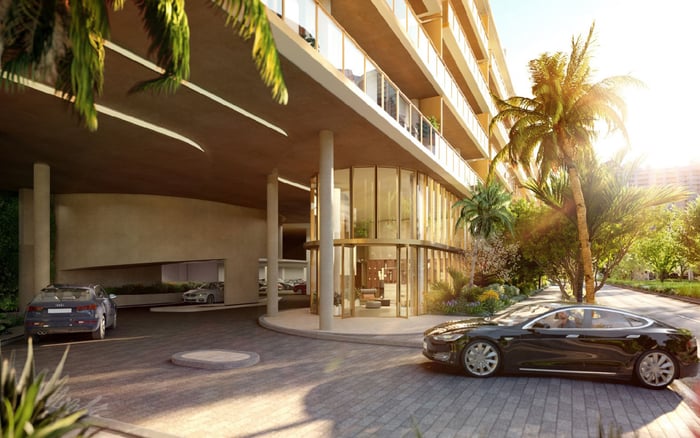
That distinction is especially relevant in South Florida, where residences compete not only on views and finishes, but on the fluency of the lifestyle they provide. A buyer considering 2200 Brickell, for instance, is often evaluating how a home supports work, entertaining, recovery and routine within one vertical neighborhood. Fitness equipment is part of that larger measure of ease.
Quiet luxury is not anti-technology. It is anti-clutter. The best connected fitness equipment does not turn the gym into a screen-filled showroom; it makes the room more intuitive. A treadmill that adjusts smoothly, a strength platform that minimizes bulky storage, a bike that supports low-impact conditioning and a recovery station that keeps data simple can all contribute to a calmer experience.
For ultra-premium buyers, this has practical value. The more seamless the equipment, the less dependent the owner becomes on scheduling, commuting or overbuilt amenity spaces. A morning session can happen before the city wakes. A recovery routine can follow tennis, golf, boating or travel. A trainer can work within a space that already understands the owner’s preferences.
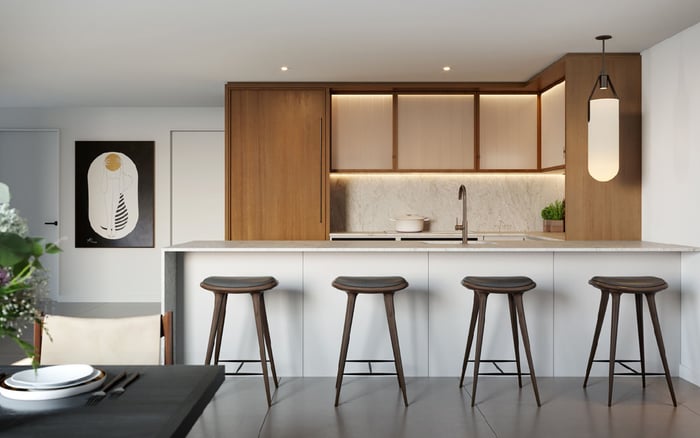
The visual language matters as well. In a residence with stone flooring, millwork, art and open views, fitness equipment should not feel like an afterthought. Compact footprints, refined materials, low cable exposure and quiet operation help preserve the residential atmosphere. The luxury is not in having more equipment. It is in having the right equipment, curated with the same restraint as furniture, lighting and wardrobes.
The strongest connected fitness setups begin with space planning. Ceiling height, ventilation, acoustic separation, flooring and storage are as important as the device itself. In condominiums, buyers should consider how the private residence, building fitness center, spa areas and outdoor amenities work together. A great in-home setup may focus on daily essentials, while the building gym handles larger-format training.
Privacy is another essential. Connected equipment should offer control over profiles, subscriptions and guest access. A household with family members, visiting trainers or seasonal use needs clear separation between users. The technology should serve the owner, not create another administrative layer.
Design restraint is equally important in oceanfront and view-driven homes. At 57 Ocean Miami Beach, the broader appeal of coastal living invites a softer approach to wellness, one where training, recovery and the beach do not feel like separate lives. For a Miami Beach buyer, the most successful equipment strategy may be one that disappears when the workout is over.
A pool remains an essential luxury amenity in South Florida, but it is no longer enough to define wellness. Buyers are thinking in layers: movement, strength, breath, recovery, sleep and mental reset. Connected fitness equipment fits into that broader architecture because it supports consistency. It allows a residence to become part of a daily discipline, not just a weekend escape.
This is where new-construction residences often have an advantage. Their amenity programs and floor plans can be considered alongside modern wellness expectations, from flexible dens to spa-inspired baths and more intentional storage. Yet older residences can also benefit when the equipment plan is precise. A compact connected strength system, a high-quality mat area and a single cardio element may be more useful than a crowded room of underused machines.
For buyers drawn to wellness-oriented living, The Well Coconut Grove sits naturally within the Coconut Grove conversation, where shade, walkability and a softer village cadence already support a more restorative lifestyle. The point is not that every buyer needs the same equipment. The point is that every serious buyer should ask whether the residence supports their actual routine.
Wellness infrastructure has become part of perceived quality. Just as buyers notice lighting control, kitchen systems and closet design, they increasingly notice whether a home can support a sophisticated fitness routine without compromise. A thoughtfully planned connected setup signals that the residence is current, livable and maintained with intention.
That does not mean technology should dominate the sales narrative. In quiet luxury, the best upgrades are often felt before they are named. A calm gym with fewer cords, flexible training zones, acoustic comfort and reliable equipment can make a stronger impression than a crowded amenity list. It suggests the owner understands how luxury is lived daily.
In Sunny Isles, where high-rise living often emphasizes views, privacy and resort-style ease, buyers considering St. Regis® Residences Sunny Isles may evaluate wellness through the same lens as service and arrival: it should feel polished, anticipatory and effortless. Connected fitness, when done well, belongs in that vocabulary.
Before purchasing equipment or assigning a room, start with the routine. Is the owner training for strength, mobility, longevity, weight management or recovery? Does the household need one primary station or multiple user profiles? Will a personal trainer use the space? Is silence important because bedrooms or neighboring residences are nearby?
Next, consider maintenance. Luxury buyers often underestimate the importance of service access, software updates, warranty support and replacement timelines. Equipment that looks elegant on day one but becomes difficult to maintain can quickly undermine the sense of ease it was meant to create.
Finally, edit. A refined residential fitness environment should have negative space. It should leave room to stretch, breathe and transition between movements. The best setup may include fewer pieces than expected, each selected for daily use rather than novelty. In a market where buyers are surrounded by abundance, restraint can be the clearest expression of taste.
Why is connected fitness relevant to luxury real estate? It supports private, consistent wellness inside the residence and enhances the daily usefulness of the home.
Does connected equipment need to be visible? No. The best installations are often discreet, with compact layouts, concealed storage and minimal visual clutter.
Is a building gym still important if a residence has private equipment? Yes. Private equipment supports daily convenience, while a building gym can provide variety and larger training zones.
What matters most when planning an in-home fitness area? Space, acoustics, ventilation, flooring, privacy settings and equipment serviceability should all be considered early.
Can connected fitness work in a smaller condo? Yes. A carefully edited setup can support strength, mobility and cardio without requiring a full dedicated gym.
Should buyers prioritize brand names or functionality? Functionality should lead. The equipment should fit the owner’s routine, space and maintenance expectations.
How does fitness equipment affect resale perception? A refined setup can signal that the residence is current, wellness-oriented and thoughtfully maintained.
Is quiet operation important in condominiums? Very important. Noise, vibration and placement can affect comfort within the residence and nearby homes.
What is the biggest mistake buyers make? Buying too many pieces before defining the routine often creates clutter rather than a more luxurious experience.
What defines quiet luxury in a fitness room? Precision, privacy, restraint and ease define it more than size, quantity or conspicuous technology.
For a discreet conversation and a curated building-by-building shortlist, connect with MILLION.
If branded residences are on your mind — as a home or as an allocation — we would be glad to share what we are seeing, privately.
Begin a quiet conversation