A discreet due-diligence guide for private aviation users evaluating construction-noise exposure before committing to a South Florida luxury residence.
For South Florida’s private aviation user, home is not merely an address near the water. It is the decompression chamber after a late arrival: the place to take an early global call, recover from a crossing, host family quietly, or spend a long weekend without friction. That standard makes construction-noise exposure a meaningful luxury variable, not a minor inconvenience.
In a region where desirable neighborhoods continue to evolve through new residential, hospitality, marina, retail, and infrastructure work, a beautiful residence can still be vulnerable to temporary disruption. The issue is not whether South Florida is active. It is whether the specific home, line, floor, orientation, and contract terms align with the buyer’s tolerance for acoustic interruption.
For many clients, this is both a New-construction and Second-home decision. A residence may be occupied intermittently, yet those stays are often highly intentional. If the only quiet mornings are the mornings a buyer is actually in town, noise exposure matters disproportionately.
Private aviation compresses time. A buyer may land late, arrive home quickly, and expect immediate rest. Another may return from a business trip and host guests the next day. A family may use the residence around school holidays, regattas, art week, race weekends, or yacht schedules. In each case, a predictable acoustic environment protects the value of the stay.
This is why the question deserves precision. The concern is not simply, “Is there construction nearby?” The better inquiry is what type of construction is involved, where it sits relative to the residence, what intensity is likely, and how sound will move through the unit during the hours the owner actually uses the home.
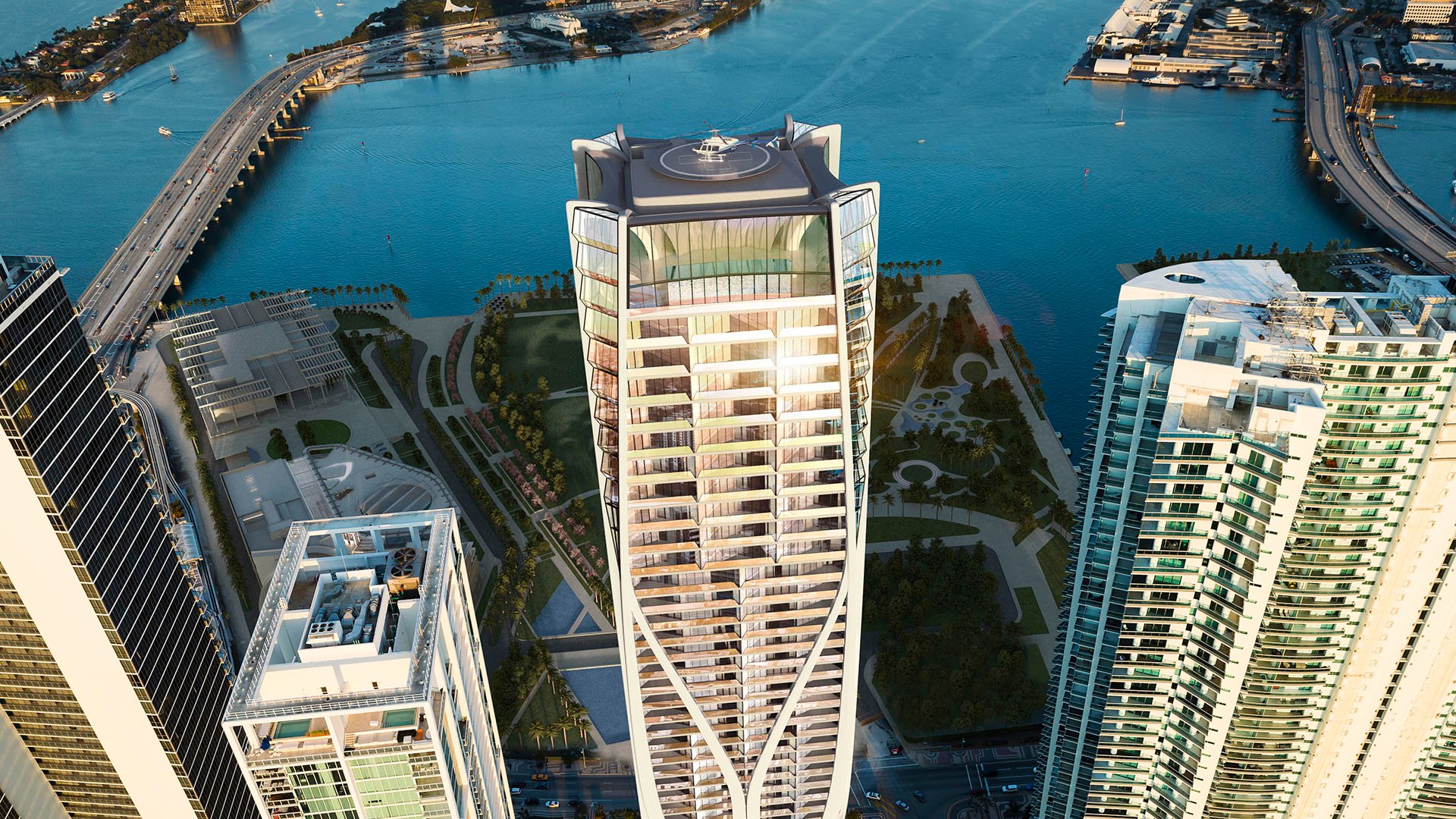
A high-floor residence may reduce certain street-level sounds, but it may also have a clear path to elevated equipment or neighboring tower work. A lower floor may benefit from landscaping, podium mass, or distance from the primary activity. A corner unit may be exposed on two sides, while an interior-facing line may be better protected. Luxury buyers should avoid assumptions and treat acoustics as a property-specific inquiry.
The first review should be geographic. Look beyond the subject building and study the surrounding parcels. Vacant land, aging low-rise structures, large parking fields, waterfront assemblages, and underused commercial sites may signal future work. The goal is not to predict every entitlement outcome. It is to understand whether the buyer is accepting a stable setting or a neighborhood still in transition.
The second review is physical. Consider how the residence is oriented toward likely staging areas, truck routes, cranes, pile work, facade work, rooftop mechanical activity, and street closures. In a dense Brickell setting, for example, a buyer considering 2200 Brickell should think beyond finishes and amenities and ask how the specific line engages the surrounding urban fabric.
The third review is contractual. Buyers should understand what representations are actually made, what is excluded, what remedies exist, and what discretion remains with the developer, association, or neighboring owners. Verbal comfort is not the same as written protection. In ultra-premium transactions, a calm conversation is valuable, but clear documentation is better.
South Florida luxury buyers often focus on the view first. For noise diligence, the envelope matters just as much. Window systems, door assemblies, seals, terrace doors, mechanical ventilation, and the ability to keep interiors comfortable while closed all influence the lived experience.
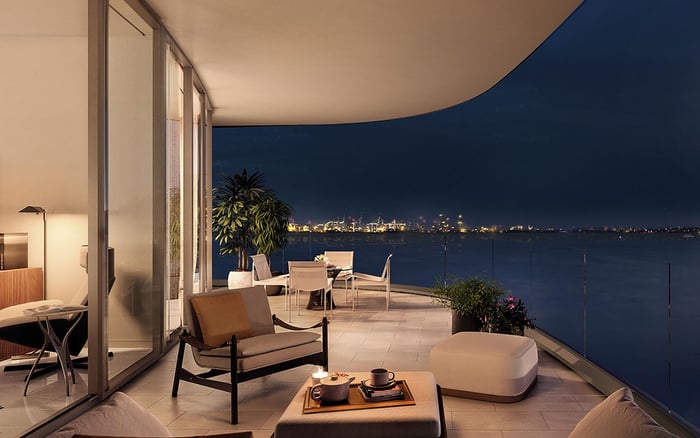
A spectacular terrace is part of the emotional purchase, particularly along the beach. Yet terrace enjoyment is often the first experience to change when construction activity intensifies. A buyer studying 57 Ocean Miami Beach, or any refined coastal address, should evaluate how often outdoor living is central to their use. If morning coffee, outdoor dining, and open-air calls are essential, nearby work deserves a more serious review.
Interior planning also matters. A primary suite facing a future job site may be more consequential than a secondary bedroom or service area in the same direction. A den intended for confidential calls should be treated differently from a casual lounge. Noise exposure is not only about decibels. It is about the rooms where silence is most valuable.
South Florida’s premium corridors are not identical. Some are mature, with fewer obvious development sites. Others are actively repositioning, which can bring exceptional long-term upside but more short-term friction. The private aviation buyer should decide whether the goal is immediate serenity, long-view appreciation, or a calibrated balance of both.
Sunny Isles, for instance, attracts buyers who value oceanfront presence, vertical living, and arrival convenience. In evaluating Bentley Residences Sunny Isles or any tower in a highly desired coastal corridor, the buyer should examine adjacent parcels and unit orientation with the same care given to garage access, wellness amenities, and views.
Fort Lauderdale brings another lens, especially for buyers who integrate boating, beach clubs, and private aviation into a single lifestyle. A residence such as St. Regis® Residences Bahia Mar Fort Lauderdale belongs in a broader conversation about how waterfront districts evolve, how access routes function, and how future work could affect the hours an owner most values.
Noise exposure is often discussed as a personal comfort issue, but it can also affect marketability. Sophisticated buyers and their advisors increasingly ask about surrounding development, construction timelines, and quality of life during ownership. If a seller cannot answer those questions confidently, the conversation can shift from desire to discount.
That does not mean buyers should avoid active neighborhoods. Many prime South Florida districts are defined by continuing reinvestment. The more useful approach is to underwrite the exposure. If the unit has superior glazing, a protected orientation, meaningful setbacks, and limited adjacent redevelopment risk, the buyer can proceed with greater confidence. If the exposure is uncertain, the price, timing, and contract posture should reflect that uncertainty.
The best residences are rarely selected by impulse alone. They are chosen through a disciplined reading of light, air, sound, access, services, and long-term context. For the private aviation user, construction-noise diligence is part of preserving the very luxury that brought the buyer to South Florida in the first place: ease.
Should private aviation users care more about construction noise than other buyers? Often, yes. Irregular arrival times, recovery windows, and remote business needs can make quiet hours more valuable.
Is a higher floor always quieter? Not necessarily. Height can reduce some street sounds, but it may create direct exposure to cranes, equipment, or nearby tower work.
What should I ask before signing a contract? Ask about nearby parcels, active work, expected staging areas, unit orientation, glazing, terrace exposure, and written contract protections.
Can impact glass solve construction noise? It may help, but overall performance depends on the full envelope, including doors, seals, ventilation, and installation quality.
Should I visit the residence at different times of day? Yes. Morning, midday, and late-afternoon conditions can feel very different, especially near active corridors.
Does construction noise matter if I will use the home only seasonally? Yes. Seasonal owners often concentrate usage into high-value weeks, so disruption during those windows can feel magnified.
How should I evaluate terrace exposure? Consider the direction of the terrace, nearby parcels, likely staging zones, and whether outdoor living is central to your lifestyle.
Can future construction be fully predicted? No. The goal is not certainty, but informed risk assessment before price, timing, and contract terms are finalized.
Is construction activity always negative for value? Not always. Reinvestment can strengthen a neighborhood, but the ownership experience during the work still deserves careful review.
Who should help evaluate noise exposure? A knowledgeable real estate advisor, counsel, and if appropriate, an acoustic or building-envelope specialist can provide useful perspective.
If you'd like a private walkthrough and a curated shortlist, connect with MILLION.
If branded residences are on your mind — as a home or as an allocation — we would be glad to share what we are seeing, privately.
Begin a quiet conversation