A discreet lifestyle comparison for family-office principals weighing Surfside and Bal Harbour through the lenses of privacy, household rhythm, service, family needs, and long-term fit.
For family-office principals, the question is rarely whether Surfside or Bal Harbour is more desirable. Both sit within the narrow band of South Florida addresses that can satisfy a sophisticated buyer seeking Oceanfront living, discretion, and a credible long-term base. The more useful question is operational: which village better supports how the household moves, receives, rests, and governs itself.
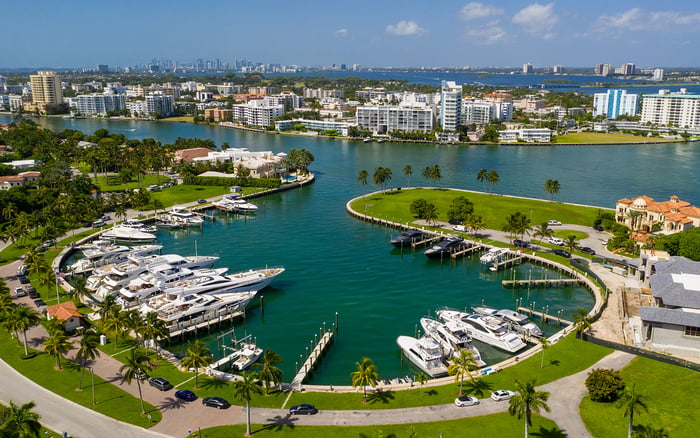
Surfside tends to appeal to principals who want luxury without constant presentation. It is quieter in mood, more residential in feeling, and often more compatible with families that prefer a lower-friction daily cadence. Bal Harbour, by contrast, suits households that value polish, proximity, and the feeling of being connected to a tightly curated social and retail environment. It is not necessarily louder, but it is more visibly composed.
That distinction matters. A family-office principal is not only buying square footage or a view. The purchase must support principals, partners, children, advisers, visiting relatives, security protocols, wellness routines, and, in some cases, staff logistics. Lifestyle, in this context, is a form of infrastructure.
Surfside is often the more intuitive choice for principals who want the beach to feel like a retreat rather than a stage. Its appeal is strongest when the household values daily calm, morning walks, family dinners, and an environment that feels residential first. Boutique scale is part of the attraction. The right Surfside residence can offer oceanfront presence without making every arrival feel ceremonial.
That is why projects such as The Delmore Surfside resonate with buyers who want a composed building environment rather than a large vertical community. For a principal balancing operating companies, investment committees, travel, and family obligations, this kind of setting can feel emotionally efficient. The day begins and ends with fewer transitions.
Surfside also suits families who want architectural sophistication without sacrificing understatement. The Surf Club Four Seasons Surfside speaks to a different but related desire: a legacy-style atmosphere where service and privacy can coexist with a sense of place. For principals who entertain selectively, the advantage is not volume. It is the ability to host with restraint.
Private-school planning, family calendars, and weekend routines should still be evaluated carefully. Surfside can work beautifully when the family’s routes, caregivers, and support systems are already aligned. If the household’s center of gravity is north of Miami Beach or split between multiple enclaves, Surfside’s quieter character may be a genuine advantage rather than a compromise.
Bal Harbour is more tailored in tone. It suits principals who want an address that feels complete on arrival, with a strong sense of service culture, refined public spaces, and proximity to a highly curated retail and dining environment. For some households, that visibility is not a drawback. It is part of the lifestyle architecture.
The Bal Harbour buyer is often not seeking more activity for its own sake. The appeal lies in efficiency and polish. A principal can move between residence, meetings, shopping, dining, and social commitments with a sense of continuity. The environment feels edited, which can be valuable for families that spend much of the year moving between homes, aircraft, offices, and private clubs.
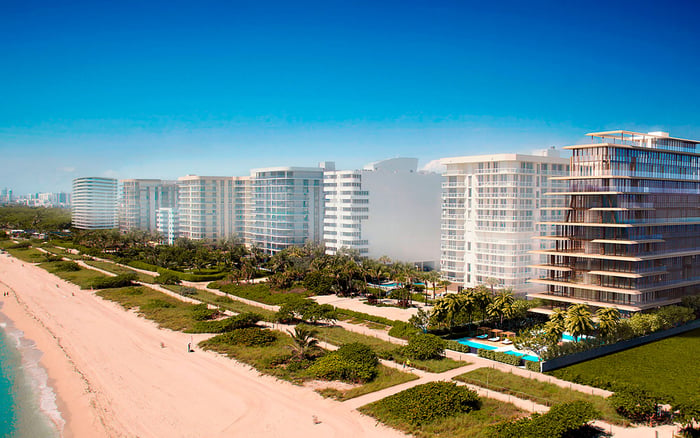
Projects such as Rivage Bal Harbour fit this mindset, particularly for buyers who want a refined residential experience within one of the area’s most recognized luxury settings. Oceana Bal Harbour speaks to a related preference for oceanfront permanence and a polished residential identity.
Bal Harbour may also suit principals whose families enjoy a slightly more social version of discretion. Privacy remains central, but the daily environment is more visibly curated. If Surfside is about retreat, Bal Harbour is about refinement with access.
A principal’s residence is rarely just a residence. It is a private base for family life, but also a place where trusted advisers may pass through, adult children may gather, and guests may be hosted without disrupting the household. The stronger choice between Surfside and Bal Harbour depends on how these patterns unfold.
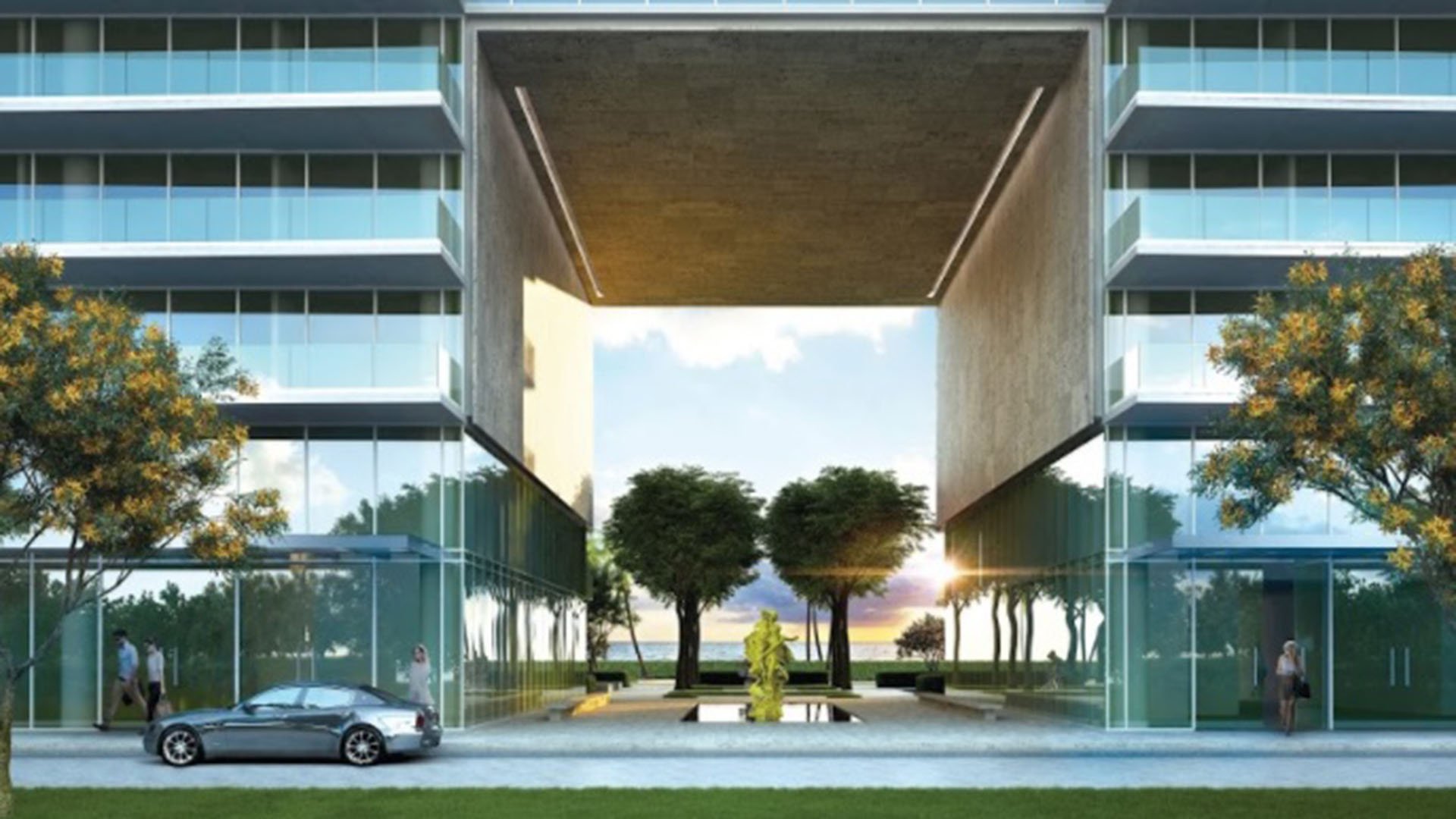
Start with governance. If a principal expects periodic meetings at home, the building’s arrival sequence, elevator privacy, service flow, and separation between public and private spaces become decisive. If the home is purely personal, the emotional qualities of the neighborhood may carry more weight.
Then consider staffing. A household with drivers, nannies, chefs, personal assistants, or security support will experience each location differently. The right building can make those routines almost invisible. The wrong building can turn every school run, grocery arrival, or guest visit into friction.
Guests matter as well. Surfside may feel more relaxed for extended family stays, especially when the goal is to slow down. Bal Harbour may be better when guests expect a more polished, resort-adjacent rhythm. Neither answer is universal. The best choice is the one that protects the principal’s energy.
The clearest way to compare Surfside and Bal Harbour is to map a real week. Where do children go in the morning? How often do advisers visit? How many dinners happen outside the home? Is the household drawn to quiet recovery after travel, or does it prefer seamless access to a refined public realm?
If the principal wants calm, Boutique scale, and a less performative version of Oceanfront living, Surfside is likely the stronger fit. If the family values polish, convenience, and a more curated social setting, Bal Harbour may feel more natural.
There is also a psychological difference. Surfside can feel like a private chapter in the day. Bal Harbour can feel like a finished sentence. Both are elegant. Both can serve multigenerational families. But they ask different things of the people who live there.
For the most discerning buyers, the final decision should not be made from a map. It should be made through repeated visits at different times of day, with close attention to arrivals, noise, building culture, service style, beach access, and how the family feels after spending several hours there. The better lifestyle is the one that disappears into the household’s rhythm.
Is Surfside or Bal Harbour better for privacy? Surfside often feels quieter in daily use, while Bal Harbour feels more polished and visible. Building selection will ultimately determine the privacy experience.
Which area is better for a family-office principal with children? Surfside may suit families seeking a calmer residential cadence. Bal Harbour may suit families that want refined access and a more curated daily environment.
Does Bal Harbour feel more formal than Surfside? Yes, Bal Harbour generally presents a more polished lifestyle. Surfside tends to feel more understated and residential.
Is Surfside a better fit for a second home? It can be, particularly for principals who want the residence to function as a retreat. The fit depends on travel patterns, staffing, and family use.
Is Bal Harbour better for entertaining? Bal Harbour can be excellent for refined entertaining because of its polished setting. Surfside works well for more private, low-key hosting.
Which location has the stronger Oceanfront lifestyle? Both offer compelling Oceanfront living. The difference is not the water, but the social texture around it.
Should buyers prioritize neighborhood or building first? For family-office principals, both matter equally. A superb building in the wrong daily setting can still create friction.
How should staff logistics affect the decision? Staff flow, arrivals, service access, and parking can materially shape daily comfort. These should be reviewed before committing.
Is Boutique scale always better for privacy? Not always, but it can reduce the feeling of density. The building’s design and culture are more important than size alone.
Can a principal own in both Surfside and Bal Harbour? Some households may prefer optionality, but most will find one area better matches their true rhythm. The deciding factor is how the family actually lives.
For a confidential assessment and a building-by-building shortlist, connect with MILLION.
If branded residences are on your mind — as a home or as an allocation — we would be glad to share what we are seeing, privately.
Begin a quiet conversation