A discreet, buyer-focused guide to planning flood, wind, hurricane deductible, liability, pool, watercraft, and valuables coverage before purchasing a South Florida waterfront home.
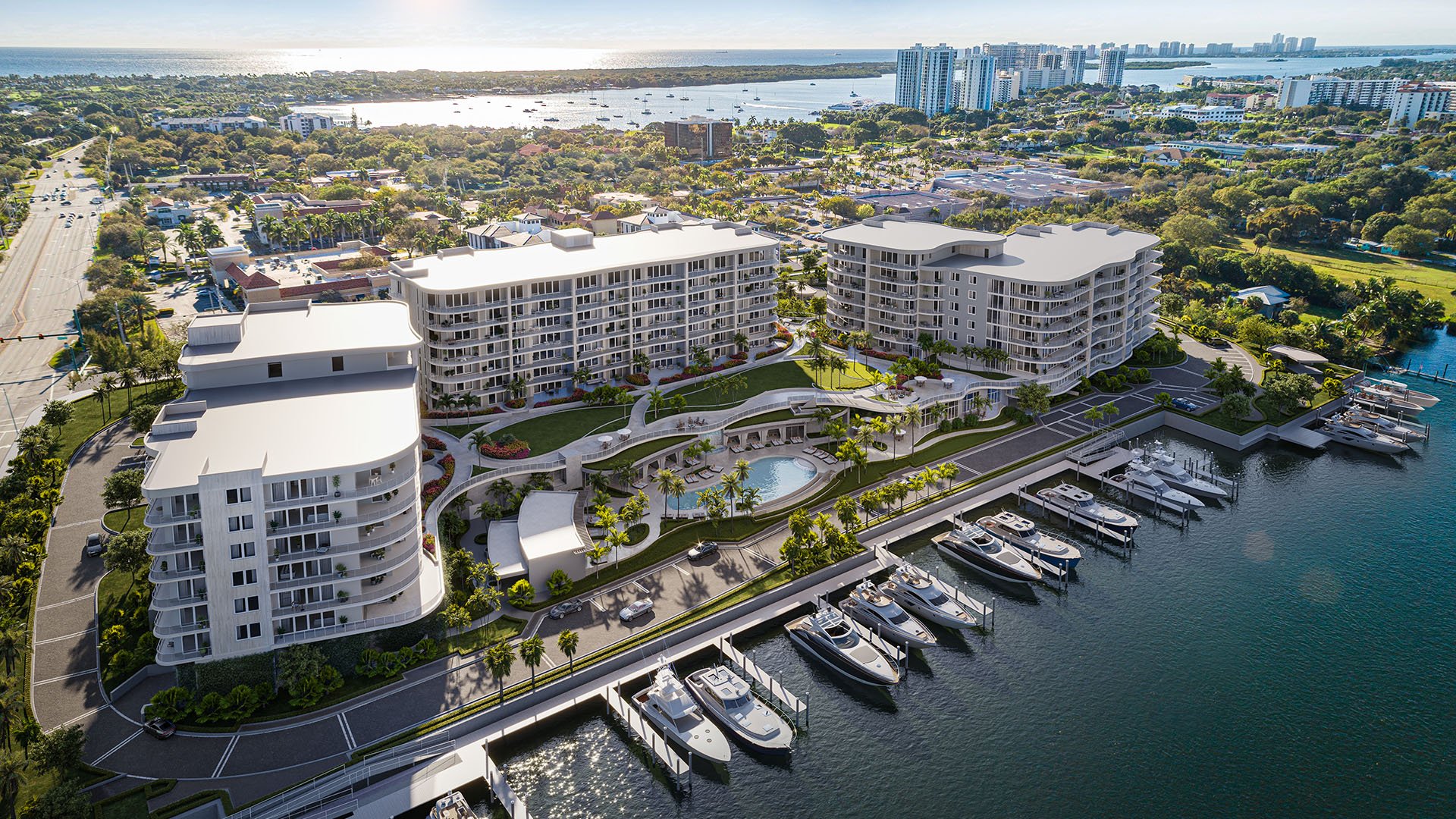
For South Florida’s waterfront buyer, insurance is not an administrative task to delegate after closing. It is part of the acquisition strategy, especially for owners who expect a steady rhythm of family visits, houseguests, pool weekends, dockside dinners, and overnight stays. The property may be purchased for privacy and pleasure, but its risk profile is shaped by water, wind, elevation, construction, personal liability, and how the home is actually used.
The Atlantic hurricane season runs from June 1 through November 30, making wind and storm exposure a recurring ownership cost rather than an occasional surprise. For a buyer comparing Miami Beach residences such as The Perigon Miami Beach, the view corridor and terrace depth matter, but so do the flood zone, building elevation, wind protections, deductible structure, and coverage terms that will apply after a named storm.
This is why sophisticated due diligence begins before contract deadlines. The right question is not simply whether insurance can be obtained. It is whether the coverage, exclusions, deductibles, and liability limits align with the way the residence will be lived in.
Waterfront ownership begins with mapped flood status. If a mortgaged property sits in a Special Flood Hazard Area, federally regulated or insured lenders generally require flood insurance. That requirement can affect timing, closing certainty, and carrying-cost assumptions, so the buyer’s advisory team should review the mapped flood zone, base flood elevation, and related flood-map products early in the inspection or diligence period.
An elevation certificate can be valuable because it documents building characteristics and elevation data used in floodplain management. It may also help frame insurance-rating conversations and future retrofit decisions. In practice, elevation can influence how a buyer evaluates garages, ground-level storage, mechanical systems, guest suites, driveway slope, and the threshold between lifestyle convenience and water exposure.
Standard homeowners insurance generally does not replace a dedicated flood policy. Waterfront buyers should separately review federal and private flood options, and should understand that current federal flood pricing uses property-specific variables such as flood frequency, flood type, distance to water, replacement cost, and elevation. Two visually similar properties can carry very different insurance profiles.
Storm surge is only one part of the waterfront conversation. Long-term sea-level trends, drainage, tide cycles, and nuisance flooding can affect how a property performs over time. King tides can create unusually high water levels even without a storm, making it useful to observe the site at different times, not only on a perfect showing afternoon.
Driveways, garage entries, seawalls, docks, street drains, landscape grading, and lower-level storage deserve close attention. For bayfront settings, including buyers considering La Baia North Bay Harbor Islands, the purchase lens should include not only views and boating convenience, but also how water moves around the property during high tides and heavy rain.
For condominium buyers, association-level coverage, building systems, reserves, and master-policy structure require separate review. For single-family buyers, the analysis is more direct: the owner is responsible for the home, the site, and many improvements that can be exposed to water, wind, and guests.
Florida homeowners policies commonly include hurricane deductibles that differ from all-other-perils deductibles. A buyer should model the out-of-pocket exposure after a named storm, not merely compare annual premiums. On a high-value waterfront property, the deductible can be a meaningful liquidity event.
Wind mitigation documentation is equally important. Impact windows, exterior doors, shutters, roof systems, opening protection, and related features should be verified with proper records. Insurers may require proof to apply credits or to underwrite coastal risk. In high-wind South Florida markets, product approvals and permit history can be as important as the visual quality of the installation.
Buyers weighing Fort Lauderdale options such as St. Regis® Residences Bahia Mar Fort Lauderdale should ask how the building or residence addresses wind exposure, emergency protocols, and insurance documentation. The same principle applies to oceanfront properties farther north, including a buyer reviewing The Ritz-Carlton Residences® Pompano Beach. Architecture, materials, and insurance evidence should be read together.
Coastal insurance markets can be selective. Florida’s state-created property insurer may be relevant when comparable private coverage is not available, but buyers should not treat that as a simple yes-or-no solution. Policy terms, flood-insurance requirements, exclusions, claim procedures, and future eligibility considerations should all be reviewed before purchase.
Surplus-lines coverage can also play a role when admitted carriers will not write the risk. These policies can be useful for complex coastal properties, but buyers should understand that surplus-lines policies are not protected by the state guaranty association that applies to admitted policies. The point is not that one path is automatically inferior. The point is that the buyer must understand which protections, limits, and remedies apply.
A waterfront home used for entertaining carries a different risk profile from a private retreat used by two owners. Guests bring exposure around pool areas, docks, balconies, boats, water toys, alcohol service, fitness rooms, elevators, guest parking, and overnight accommodations. Standard homeowners policies typically include personal liability coverage, but severe guest injuries can exceed base limits, particularly for high-net-worth owners.
Umbrella liability coverage should be discussed before closing, with limits that reflect the owner’s balance sheet and lifestyle. Pool barriers, alarms, covers, and door protections matter when children or frequent visitors are part of the picture. State residential pool-safety requirements make these features more than aesthetic details.
If guests use boats, jet skis, tenders, paddleboards, or other watercraft, the buyer should separately review boat insurance and liability terms. A boat slip, lift, floating dock, or water-toy inventory can create exposures that are distinct from the homeowners policy.
There is a meaningful insurance difference between hosting friends and allowing rental-like use. Owners who share or rent the home, even occasionally, should disclose that use to their insurance adviser because ordinary homeowners policies may not respond as expected. Short-term rentals, charity stays, corporate entertaining, and informal paid guest arrangements should never be left ambiguous.
Luxury waterfront homes also contain contents that often exceed standard policy sublimits. Jewelry, watches, art, collectibles, designer furnishings, wine, and specialty equipment may require scheduled coverage or floaters. The same planning applies to outdoor kitchens, custom cabanas, dock equipment, and other lifestyle assets that turn the residence into a private resort.
For MILLION readers, the best insurance plan is not the cheapest plan. It is the one that has been stress-tested against water, wind, guests, valuables, and the owner’s actual use of the property.
When should a waterfront buyer begin insurance planning? Before the offer or during the earliest diligence period, so flood status, deductibles, and liability limits can be evaluated before contract deadlines.
Does homeowners insurance usually include flood coverage? Standard homeowners insurance generally does not replace a dedicated flood policy, so buyers should review separate federal or private flood coverage.
Why does the flood zone matter before closing? If a mortgaged property is in a Special Flood Hazard Area, many lenders generally require flood insurance, which can affect cost and timing.
What is the value of an elevation certificate? It documents building and elevation characteristics that may help with floodplain, insurance-rating, and retrofit discussions.
How should buyers think about hurricane deductibles? They should model the cash exposure after a named storm because hurricane deductibles often differ from all-other-perils deductibles.
Are impact windows and shutters enough for insurance credits? Not necessarily. Buyers should verify documentation, permits, and product approvals because insurers may require proof.
Why do frequent guests require extra liability planning? Guests increase exposure around pools, docks, balconies, boats, water toys, alcohol service, and overnight stays.
Should a waterfront owner consider umbrella liability coverage? Yes, especially when the owner has significant assets or entertains often, because severe injuries can exceed base policy limits.
Does occasional rental-like use need to be disclosed? Yes. Sharing or renting the residence, even occasionally, can create coverage gaps under an ordinary homeowners policy.
Do valuables need separate coverage? Often, yes. Jewelry, watches, art, collectibles, and luxury furnishings may need scheduled coverage or floaters.
For a discreet conversation and a curated building-by-building shortlist, connect with MILLION.
If branded residences are on your mind — as a home or as an allocation — we would be glad to share what we are seeing, privately.
Begin a quiet conversation