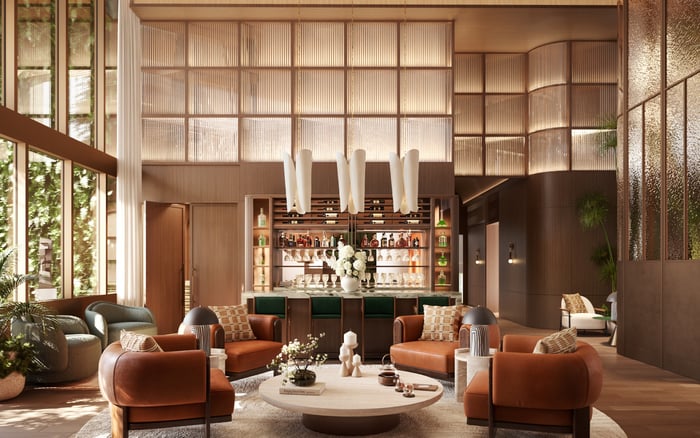
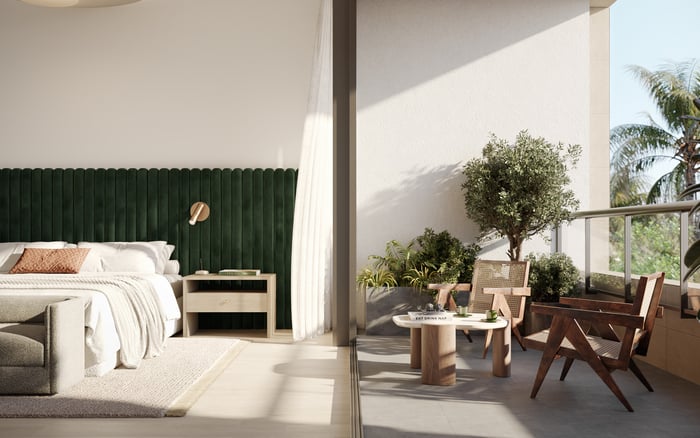
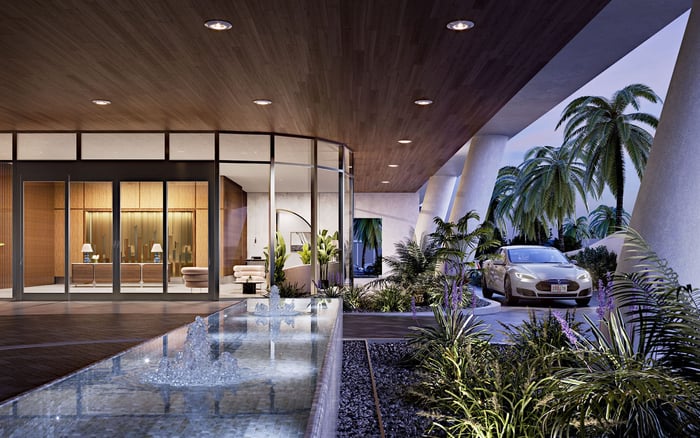
Mr. C Tigertail Coconut Grove and The Well Coconut Grove point to a more mature definition of South Florida luxury, where hospitality, wellness, service, and neighborhood integration matter as much as prestige.
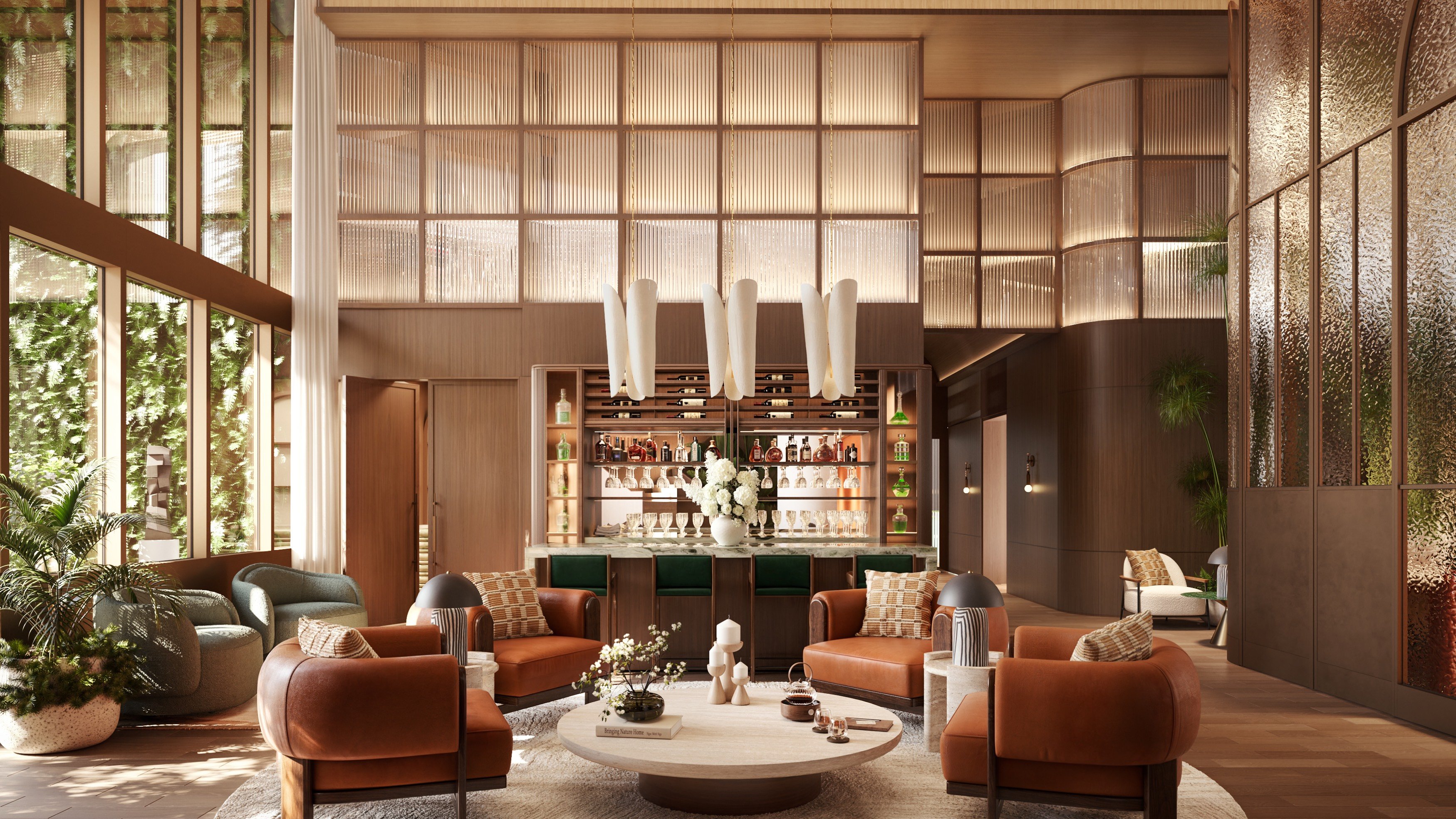
In South Florida’s prime residential market, the most revealing question is no longer simply whether a home is beautiful, branded, or well located. The sharper test is whether it can support several generations at once, while preserving the privacy, design quality, and ease expected at the top of the market.
That is why Coconut Grove offers such a useful lens. The neighborhood’s luxury conversation is increasingly shaped by residences that are not designed around a single buyer archetype. Instead, they speak to layered households: working adults managing demanding schedules, children who need everyday structure, grandparents who value comfort and continuity, and extended family members who may use the residence seasonally or for longer stays.
Within that context, Mr. C Tigertail Coconut Grove and The Well Coconut Grove reveal two complementary paths. One leans into hospitality-branded living, where service reduces daily friction. The other places wellness at the center of the residential experience, treating health, recovery, and daily wellbeing as core forms of value.
Together, they suggest that the future of multigenerational luxury in Coconut Grove is not about excess. It is about infrastructure: services, wellness, walkability, flexible use, and a home environment that can adapt as family needs change.
Branded Residences have long carried emotional weight in South Florida. They promise recognition, consistency, and a curated standard of living. For a multigenerational household, however, the deeper value is practical. A service-led residence can make a primary or long-term family base feel more manageable.
Mr. C Tigertail Coconut Grove fits this hospitality-branded side of the market. Its relevance is not only the Mr. C identity, but also the way a hotel-like service culture can translate into residential ease. For buyers balancing work, family life, travel, and aging relatives, convenience becomes a form of quiet luxury. The residence is not merely a place to return to after being served elsewhere. It becomes the service environment itself.
That distinction matters. A couple with children may value support that simplifies daily routines. Older residents may value the sense that the building is organized around comfort and responsiveness. Adult children may see the appeal of a home that can function for parents without feeling institutional or detached from the energy of the neighborhood.
This is where the hospitality model becomes a multigenerational argument. It can reduce the small frictions that accumulate across a household: arrivals, departures, guests, daily coordination, and the desire for a polished living experience without constant personal management.
The Well Coconut Grove approaches the same question from a different angle. Instead of leading with hotel-style convenience, it positions wellness as the organizing principle of residential life. For many luxury buyers, that is no longer a niche preference. It is part of how they evaluate whether a home can support longevity, energy, and family continuity.
A wellness-centered residence can speak to multiple life stages at once. Active professionals may value fitness and recovery. Families may value a daily environment shaped around health and routine. Retirees may see wellness programming as part of an aging-in-place strategy, especially when the goal is to maintain vitality without leaving a sophisticated urban village setting.
The most important shift is philosophical. Traditional luxury often treated amenities as additions to the home. The wellness model treats wellbeing as part of the home’s core operating system. That makes The Well Coconut Grove especially relevant for buyers who want their residence to reinforce how they intend to live, not simply where they intend to live.
This does not replace design, privacy, or prestige. It reframes them. The most desirable residence is one that feels elegant while also supporting better daily patterns: movement, restoration, social connection, and continuity across generations.
Coconut Grove’s appeal in this discussion is not only its name recognition. Its current luxury pipeline shows demand for residences that combine design, services, wellbeing, and neighborhood integration. In other words, the value proposition is becoming more complete.
Buyers comparing Four Seasons Residences Coconut Grove, Arbor Coconut Grove, and other Grove offerings are often evaluating more than finishes or views. They are asking whether a residence can become a durable family platform. Can it work for weekday routines and extended visits? Can it serve a couple today and a broader family structure later? Can it feel private without becoming isolated?
That is where lifestyle becomes a serious residential metric. In a multigenerational context, lifestyle is not a vague marketing word. It is the sum of everyday usability: how a building supports health, hospitality, family coordination, guests, privacy, and the ability to age comfortably without surrendering sophistication.
New luxury buyers in South Florida increasingly understand this. A trophy residence may still impress, but a residence that works beautifully across generations may hold deeper personal value.
Mr. C Tigertail and The Well do not compete in the same language. They clarify a broader hierarchy.
At one level, there is design. At another, there is service. Above that sits wellbeing. And at the highest level, for multigenerational buyers, there is adaptability. A residence must accommodate different rhythms under one address: quiet mornings, active days, visiting relatives, professional obligations, health routines, and the subtle need for both togetherness and separation.
This is why hospitality and wellness are not merely brand stories. They are tools for making luxury more livable. Hospitality reduces friction. Wellness supports resilience. Neighborhood integration gives the residence context beyond its walls. Flexible residential use allows a home to remain relevant as families evolve.
That evolution can also be seen in the broader Coconut Grove conversation, where projects such as Ziggurat Coconut Grove add to the sense that the neighborhood is being considered through multiple luxury lenses. The most compelling projects are not just asking what buyers want to own. They are asking how buyers want to live over time.
For South Florida’s ultra-premium audience, that may be the defining insight. Multigenerational livability is not a compromise. When executed with discretion, it is one of the clearest signs that a residence has moved beyond status and into permanence.
The contrast between Mr. C Tigertail Coconut Grove and The Well Coconut Grove is useful because it gives buyers two distinct frameworks.
Choose the hospitality lens if the priority is service, ease, and a residential environment that feels managed without feeling formal. Choose the wellness lens if the priority is health, recovery, and a daily home life structured around wellbeing. For many families, the ideal answer may involve both impulses: the convenience of service and the long-term benefits of wellness.
The deeper lesson is that Coconut Grove’s luxury market is moving beyond single-demographic targeting. The strongest residences now speak to children, parents, and grandparents simultaneously, not by flattening their differences, but by giving each generation something meaningful.
That is the new South Florida luxury standard: not simply a spectacular home, but a home capable of supporting a beautiful life for more than one generation.
Why are Mr. C Tigertail and The Well important to Coconut Grove buyers? They show two different luxury strategies in the same neighborhood: hospitality-led living and wellness-centered living.
How does Mr. C Tigertail Coconut Grove support multigenerational livability? Its service-led residential model can reduce daily friction for working adults, families, and older residents seeking convenience.
How does The Well Coconut Grove approach multigenerational living differently? It places health and wellbeing at the center of the home experience, giving it relevance across life stages.
Are these projects only for retirees or empty nesters? No. Their appeal can extend to active professionals, families, older residents, and households planning for long-term use.
Why does hospitality branding matter in a family residence? Hospitality can make everyday life easier by adding structure, responsiveness, and service to the residential experience.
Why is wellness becoming a luxury real estate priority? Buyers increasingly want homes that support fitness, recovery, daily wellbeing, and aging-in-place aspirations.
What does Coconut Grove add to the multigenerational equation? The neighborhood framing emphasizes design, service, wellbeing, and integration rather than prestige alone.
Should buyers compare hospitality and wellness residences directly? Yes, but the comparison should focus on lifestyle fit rather than only brand recognition or amenity counts.
What is the main lesson for South Florida luxury buyers? Long-term value increasingly depends on lifestyle infrastructure, not just views, finishes, or status.
Can one residence serve children, parents, and grandparents well? The strongest new luxury concepts are designed to appeal across generations through service, wellness, and flexibility.
For a tailored shortlist and next-step guidance, connect with MILLION.
If branded residences are on your mind — as a home or as an allocation — we would be glad to share what we are seeing, privately.
Begin a quiet conversation