A buyer-focused look at the lifestyle distinction between Surfside and Bal Harbour, where walkability, privacy, service culture, beach access, and daily rituals shape two very different definitions of luxury.
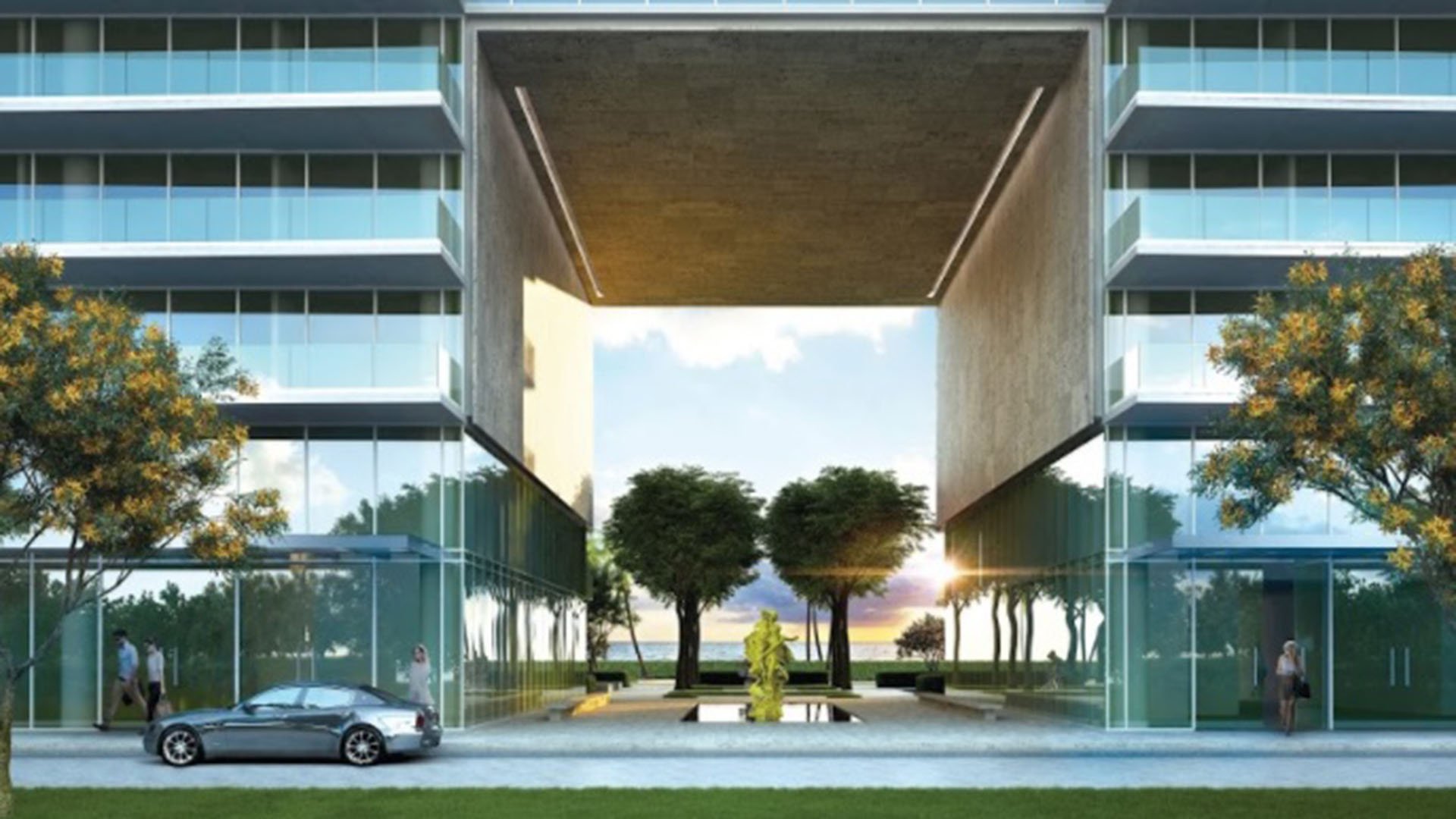
Surfside and Bal Harbour sit close enough that many buyers compare them in the same afternoon, yet they are rarely interchangeable in practice. The distinction is not simply how far one walks to the beach, a restaurant, a lobby, or a waiting car. It is the kind of day an owner wants once the residence becomes part of a weekly routine.
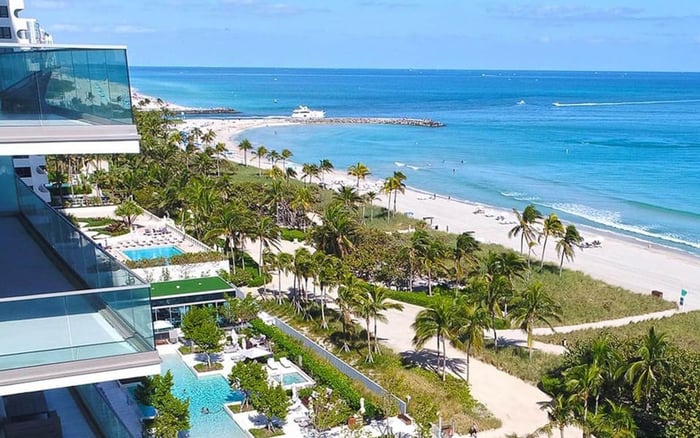
In Surfside, the appeal is often a softer residential cadence. Walkability is less theatrical and more domestic: a morning stroll, a relaxed errand, an unhurried return from the sand. The atmosphere tends to suit buyers who want coastal life to feel low-friction, intimate, and quietly connected to the street.
Bal Harbour, by contrast, is frequently evaluated through a more formal luxury lens. The walk may be shorter, longer, or similar depending on the building and the owner’s habits, but expectations around arrival, recognition, privacy, and service can feel more ceremonious. Buyers are not merely asking whether they can walk. They are asking what the experience feels like before and after they do.
Surfside walkability is best understood as neighborhood ease. The buyer drawn here often wants to leave the residence without feeling that every movement is a public performance. The ideal is a place where beach time, casual dining, errands, and family routines can coexist without constant reliance on a driver.
This is especially meaningful for owners who split time between South Florida and another home. Second-home buyers often underestimate the importance of small daily rituals: where coffee fits, whether children or guests can move independently, how simple it is to step out after sunset, and whether the neighborhood feels approachable in resort wear rather than formal dress.
The Surfside buyer may still demand excellent building service, but the tone is often personal rather than grand. Discretion matters. A lobby that knows how to receive guests without overproducing the moment can be more desirable than one that feels staged. For some owners, the luxury is the ability to disappear into a familiar coastal rhythm.
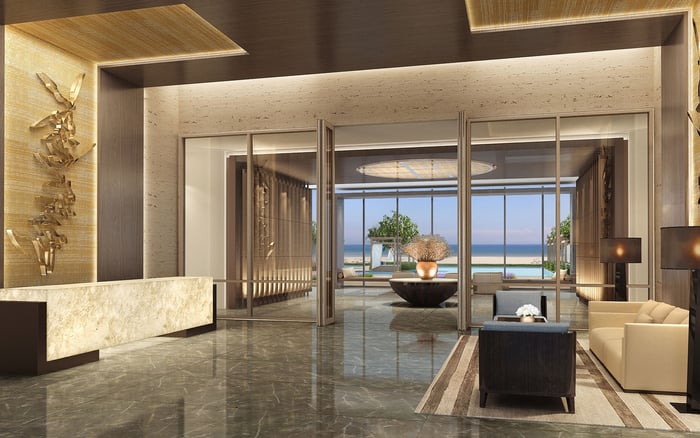
Bal Harbour tends to attract buyers who view walkability as part of a more curated environment. The experience may include polished arrival sequences, attentive staff presence, and a stronger desire for controlled transitions between residence, car, beach, and nearby destinations.
The distinction is subtle but important. In Bal Harbour, a buyer may place greater emphasis on how the building manages the passage from private home to public realm. Is the valet choreography effortless? Does the lobby feel composed at peak hours? Are guests received with precision? Does the owner feel protected from friction, even while living in a highly desirable coastal setting?
For this buyer, walkability is not necessarily about doing everything on foot. It is about having options without surrendering refinement. A short walk can be attractive, but only if it preserves the sense of privacy and order expected from an ultra-premium address.
Boutique living can mean different things in each market. In Surfside, boutique often suggests intimacy, recognition, and a staff culture that feels close to residential stewardship. The best experience is not necessarily the most visible one. It is the one that anticipates needs without making the owner feel observed.
Bal Harbour service expectations often lean toward a more polished hospitality vocabulary. Buyers may be more sensitive to the sequencing of arrival, security posture, staff presentation, and consistency of response. This does not mean one market is more luxurious than the other. It means the definition of luxury changes.
An owner who wants a relaxed beach morning with minimal ceremony may prefer Surfside. An owner who wants the confidence of highly structured service may find Bal Harbour more aligned. The decision is not about status alone. It is about temperament.
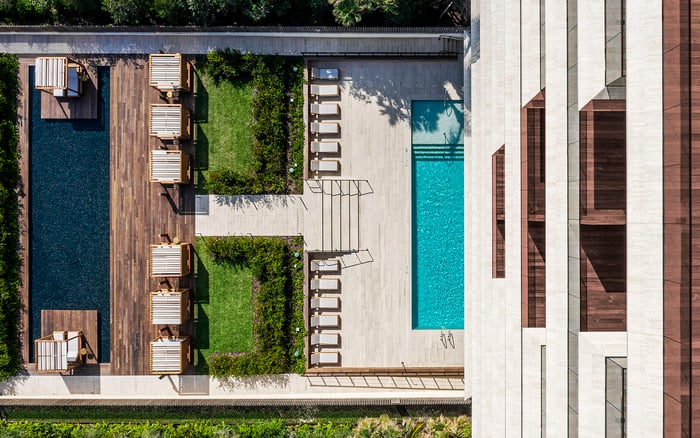
Oceanfront living places pressure on every small operational detail. Beach access needs to feel natural, not like an afterthought. Pool areas should support the way owners actually gather, read, exercise, host children, or receive guests. Pets are another quiet but decisive factor, especially for buyers who expect staff, elevators, outdoor routes, and nearby walks to function smoothly.
In Surfside, these details are often judged by ease. Can an owner move from residence to beach without a production? Can family members come and go comfortably? Can the building support a casual day that changes shape by the hour?
In Bal Harbour, the same questions may be asked with a different standard of polish. Owners may look more closely at privacy during transitions, staff attentiveness at entry points, and whether amenity spaces maintain composure even during high-demand periods.
Neither approach is superior. A residence succeeds when the operational style matches the owner’s private habits.
The Surfside buyer often values warmth, scale, and a sense of belonging. This buyer may be highly sophisticated, but does not always want sophistication expressed through formality. The preferred residence feels like a coastal home first and a luxury asset second.
The Bal Harbour buyer may be more focused on controlled luxury, arrival quality, and the assurance that service standards remain consistent across every touchpoint. This buyer may be less interested in spontaneous neighborhood texture and more interested in a composed environment where convenience is carefully managed.
Families, seasonal residents, collectors, and international owners can be found in both places. The difference is not demographic alone. It is behavioral. The right question is not, “Which is more prestigious?” The better question is, “Which one makes the owner’s ordinary day feel better?”
A serious comparison should happen at the same time of day the owner expects to use the home. Morning walks, school-hour traffic, late-afternoon beach returns, weekend guest arrivals, and evening dining routines can reveal more than a pristine tour.
Buyers should also study how a building behaves when it is busy. Lobby acoustics, elevator pacing, valet flow, beach service, package handling, guest reception, and staff discretion all influence the lived experience. Luxury real estate is not only architecture and view. It is choreography.
For Surfside, ask whether the neighborhood supports the desired informality without sacrificing privacy. For Bal Harbour, ask whether the service environment feels elegant rather than heavy. The winning residence will not simply be the one with the most amenities. It will be the one where walkability and service create the least resistance around the owner’s preferred life.
Is Surfside generally better for relaxed walkability? Surfside often suits buyers who want a quieter, more residential daily rhythm. The feeling is typically less formal and more neighborhood-oriented.
Is Bal Harbour better for formal service expectations? Bal Harbour often appeals to buyers who prioritize polished arrival, privacy, and highly composed service. The experience can feel more curated and ceremonial.
Should I choose based on walking distance alone? No. Walking distance matters, but the quality of the transition from residence to street, beach, lobby, and car matters just as much.
Which area is better for a second home? It depends on how the owner uses the property. Surfside may favor relaxed repeat routines, while Bal Harbour may favor managed convenience and formal ease.
How important is beach access in this decision? Beach access is central because it shapes daily use, guest comfort, and the sense of effort required to enjoy the coast. The best setup feels intuitive.
Do oceanfront buyers evaluate service differently? Yes. Oceanfront buyers often care about how staff manage beach flow, privacy, pool areas, guests, and returns from the sand.
Is a boutique building better in Surfside or Bal Harbour? Boutique living can work beautifully in either place. The key is whether the service style feels personal and discreet or polished and highly structured.
Should pets influence the choice between the two areas? Yes. Pets affect elevator use, walking routes, staff coordination, and the ease of daily routines, so policies and practical flow should be reviewed closely.
What should I observe during a property tour? Watch the lobby, valet, elevator timing, beach transition, pool environment, and how staff interact with residents. These details reveal the true service culture.
What is the best way to shortlist comparable options for touring? Start with location fit, delivery status, and daily lifestyle priorities, then compare stacks and elevations to validate views and privacy.
For a confidential assessment and a building-by-building shortlist, connect with MILLION.
If branded residences are on your mind — as a home or as an allocation — we would be glad to share what we are seeing, privately.
Begin a quiet conversation