A buyer-focused editorial guide to the diligence questions that matter when comparing boutique Bay Harbor Islands living, club-oriented North Bay Village waterfront living, and ultra-private Fisher Island ownership.
Buyers comparing Alana Bay Harbor Islands, Continuum Club & Residences North Bay Village, and The Residences at Six Fisher Island are not simply choosing among new condominium addresses. They are choosing among three distinct operating systems for luxury living: boutique Bay Harbor Islands discretion, club-oriented North Bay Village waterfront life, and ultra-private Fisher Island residency.
That distinction matters. A beautiful plan, refined finish palette, or compelling view is only one measure of acquisition quality. The deeper questions sit in documents, budgets, governance, access, transferability, insurance, and the long-term behavior of each micro-market. For this Buyer's Guides audience, the essential diligence question is not whether a residence feels desirable on a tour. It is whether the ownership structure, carrying-cost profile, and lifestyle rules will remain attractive after closing, turnover, and eventual resale.
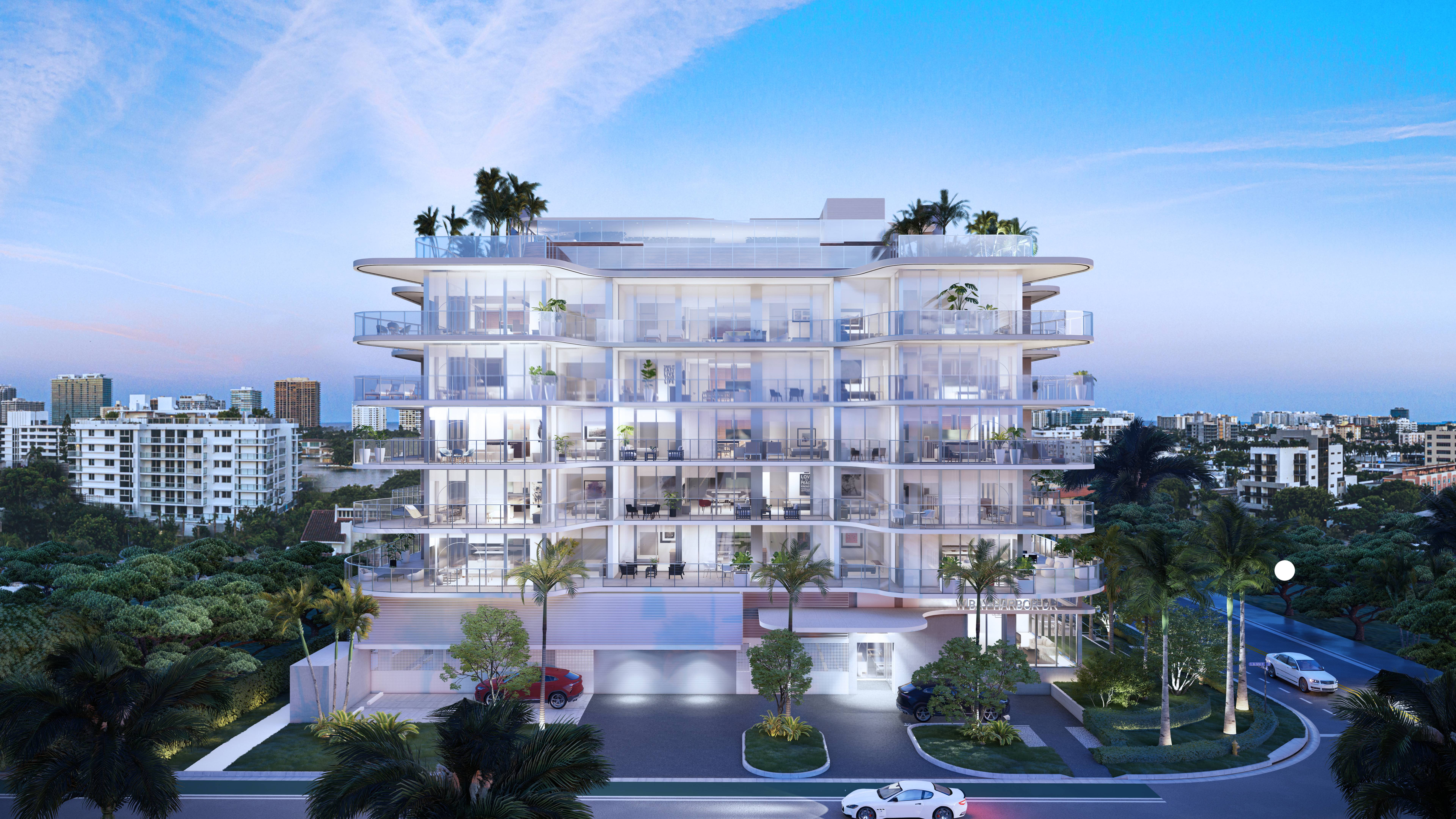
Alana Bay Harbor Islands should be evaluated through a Bay Harbor Islands lens. Buyers should study local pricing, available inventory, tax exposure, insurance assumptions, and resale depth within the island context rather than comparing the project too broadly with larger Miami waterfront towers.
The boutique character is central to the appeal, but boutique living also creates a specific diligence agenda. A smaller residential environment can support privacy, calm, and a more intimate arrival sequence, yet it may come with a different amenity scale than larger waterfront or resort-style condominiums. The buyer question is not whether one model is better. It is which model fits how the household actually lives.
Before contract hardening, purchasers should scrutinize the condominium documents, budget, reserve assumptions, use restrictions, rental rules, and developer obligations. The same attention should extend to parking rights, storage rights, pet policies, guest procedures, delivery protocols, and any limits on future leasing or family-office use. In boutique buildings, the details of daily operation can feel more personal because there are fewer layers between the resident and the association.
Continuum Club & Residences North Bay Village belongs to a different diligence category because North Bay Village is an evolving waterfront market. Buyers should underwrite not only the residence and building program, but also the city's development pipeline and how future projects may influence traffic, neighborhood character, view corridors, and perceived scarcity.
The word club deserves particular care. Purchasers should understand how club features are legally structured. Are amenities owned by the condominium, held by a separate club entity, controlled by the developer, shared through a license, or subject to rules that may change over time? The answer can affect access, cost, governance, transferability, and the buyer's expectations at resale.
Costs should be separated with precision. Condominium assessments are one line of analysis; club dues, food-and-beverage minimums, initiation fees, transfer fees, and use charges may be another. A polished lifestyle presentation can feel seamless, but the legal and financial architecture may not be seamless at all. Preconstruction buyers should ask for a modeled monthly cost stack that includes reserves, insurance, staff-heavy services, and potential post-turnover budget increases.
North Bay Village buyers should also evaluate phasing and delivery risk. If adjacent redevelopment alters access routes, views, or the rhythm of the neighborhood, the result may influence both daily life and liquidity. The right question is not simply what the skyline looks like today, but what it may feel like when nearby parcels mature.
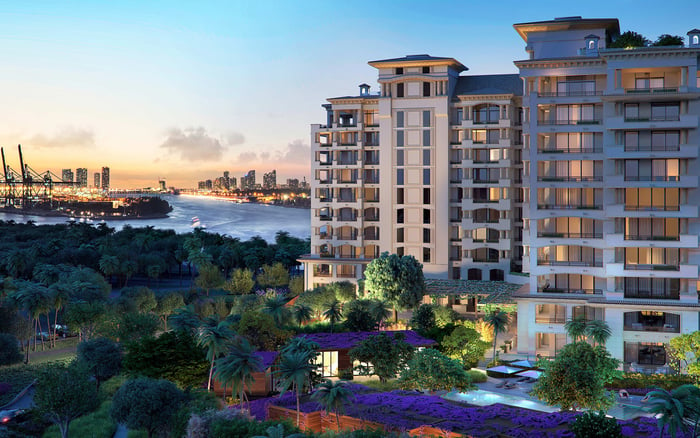
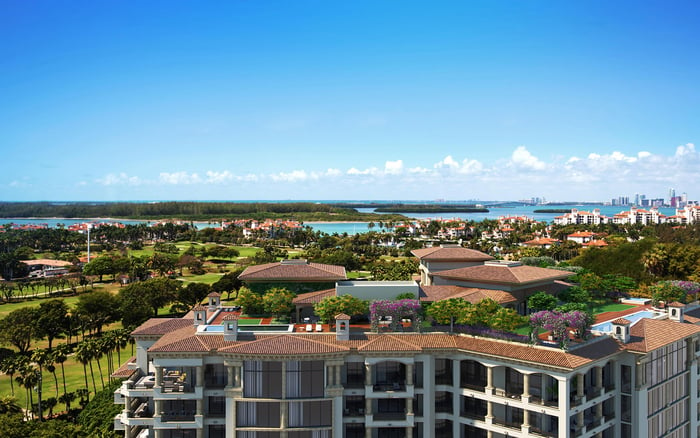
At The Residences at Six Fisher Island, the diligence conversation becomes even more specialized. Fisher Island is defined by controlled access, island culture, club expectations, and governance conventions that differ from mainland condominium living. That exclusivity may support scarcity value, but it can also narrow the buyer pool when it is time to resell.
Purchasers should review the relationship between condominium ownership and any Fisher Island club or island-wide obligations, including dues, memberships, access rights, approval processes, and guest protocols. Ferry logistics, security expectations, staffing models, marina or beach access, and golf/cart mobility are not secondary lifestyle details. They are core parts of the ownership experience.
The most sophisticated buyers will test fit before they test finishes. Does the household value seclusion enough to embrace access logistics? Are guests, staff, family offices, and service providers able to move in a manner consistent with the buyer's expectations? Does the island's privacy profile enhance the asset, or does it add friction for this particular owner?
Across all three projects, preconstruction contract terms deserve careful review by counsel. Deposit schedules, rescission rights, completion timing, change-order rights, developer default remedies, warranty rights, dispute procedures, and turnover mechanics should be examined before the buyer becomes economically committed.
Association governance is equally important. Buyers should ask how long developer control may last, what related-party contracts may exist, how budgets are prepared, how reserves are calculated, and how post-turnover increases could affect monthly obligations. A low initial budget is not inherently a benefit if it does not reflect the true cost of maintaining the service level luxury buyers expect.
Amenity ownership is another cross-market diligence theme. Buyers should verify whether marketed amenities are condominium common elements, limited common elements, shared facilities, licensed rights, or services subject to future modification. The marketing promise and the legal right are not always the same thing.
Climate and coastal risk should also be modeled with seriousness. Flood-zone status, elevation, seawall condition, storm-hardening, insurance availability, and long-term maintenance obligations can shape carrying costs and future buyer confidence. In South Florida's ultra-prime market, resilience is no longer a technical footnote. It is part of luxury value.
These three projects speak to different priorities. Alana Bay Harbor Islands is for the buyer who wants boutique scale and a quieter form of residential discretion. Continuum Club & Residences North Bay Village suits the buyer who is comfortable with a more social, amenity-forward waterfront concept and an evolving neighborhood backdrop. The Residences at Six Fisher Island is for the buyer who places a premium on access control, island culture, and a highly private ownership environment.
The strongest acquisition will be the one where the documents, costs, access rules, and resale assumptions align with the buyer's life. In this tier of the market, due diligence is not defensive. It is the discipline that protects taste, time, liquidity, and long-term optionality.
What is the first diligence question for Alana Bay Harbor Islands? Start with the condominium documents, budget, reserve assumptions, use restrictions, rental rules, and developer obligations before contract hardening.
Why does boutique scale matter for Alana buyers? Boutique living can support privacy and calm, but buyers should compare amenity depth, staffing expectations, and operating costs with larger waterfront buildings.
What should buyers examine at Continuum Club & Residences North Bay Village? Buyers should understand how club features are legally structured and whether costs sit inside condominium assessments or separate club obligations.
Why is North Bay Village redevelopment relevant? Nearby development can affect future neighborhood character, access, views, construction phasing, and eventual resale positioning.
What makes Fisher Island diligence different? Access, ferry logistics, club culture, island governance, dues, approval processes, and guest protocols are central to the ownership experience.
Can exclusivity affect resale liquidity? Yes. Exclusivity may support scarcity value, but it can also narrow the future buyer pool and lengthen the resale conversation.
Which costs should buyers model across all three projects? Model assessments, reserves, insurance, club dues, staff-heavy amenities, use charges, and possible post-turnover budget increases.
Why does amenity ownership matter? Buyers should know whether amenities are common elements, limited common elements, shared facilities, licensed rights, or modifiable services.
What contract terms deserve the most attention? Deposit schedules, rescission rights, completion timing, change-order rights, developer remedies, warranty rights, and turnover mechanics all matter.
Should buyers evaluate climate and coastal risk? Yes. Flood exposure, elevation, seawalls, storm-hardening, insurance, and long-term maintenance obligations should be part of underwriting.
To compare the best-fit options with clarity, connect with MILLION.
If branded residences are on your mind — as a home or as an allocation — we would be glad to share what we are seeing, privately.
Begin a quiet conversation