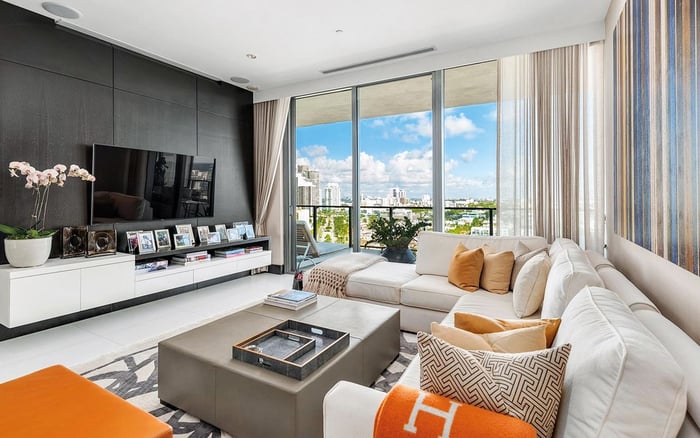
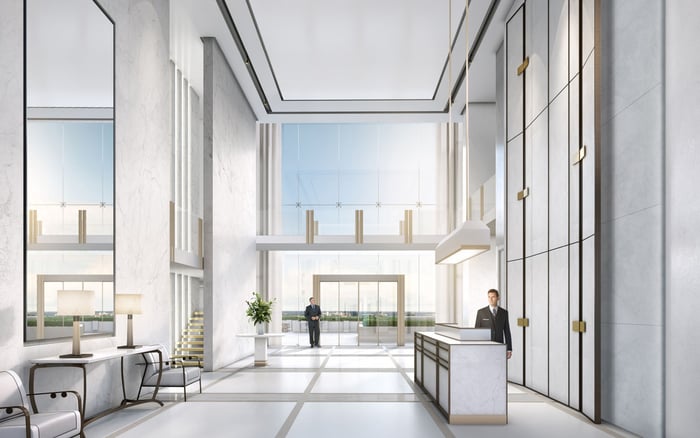
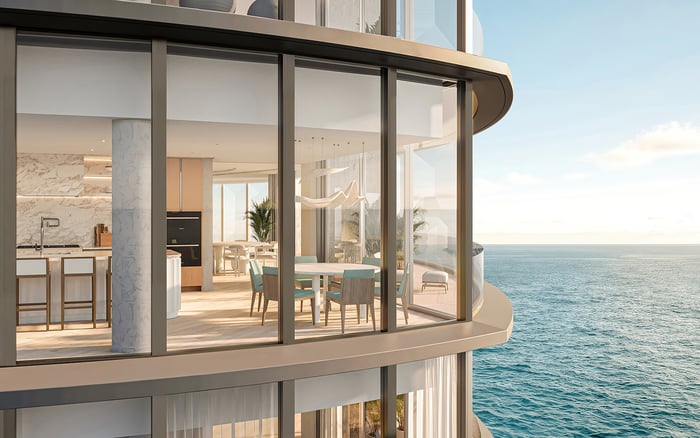
South Florida’s luxury second homes are evolving from seasonal escapes into strategic co-primary residences. Fendi Château Residences Surfside and The Berkeley Palm Beach show two distinct buyer paths: branded oceanfront ease near Miami and boutique island living in Palm Beach.
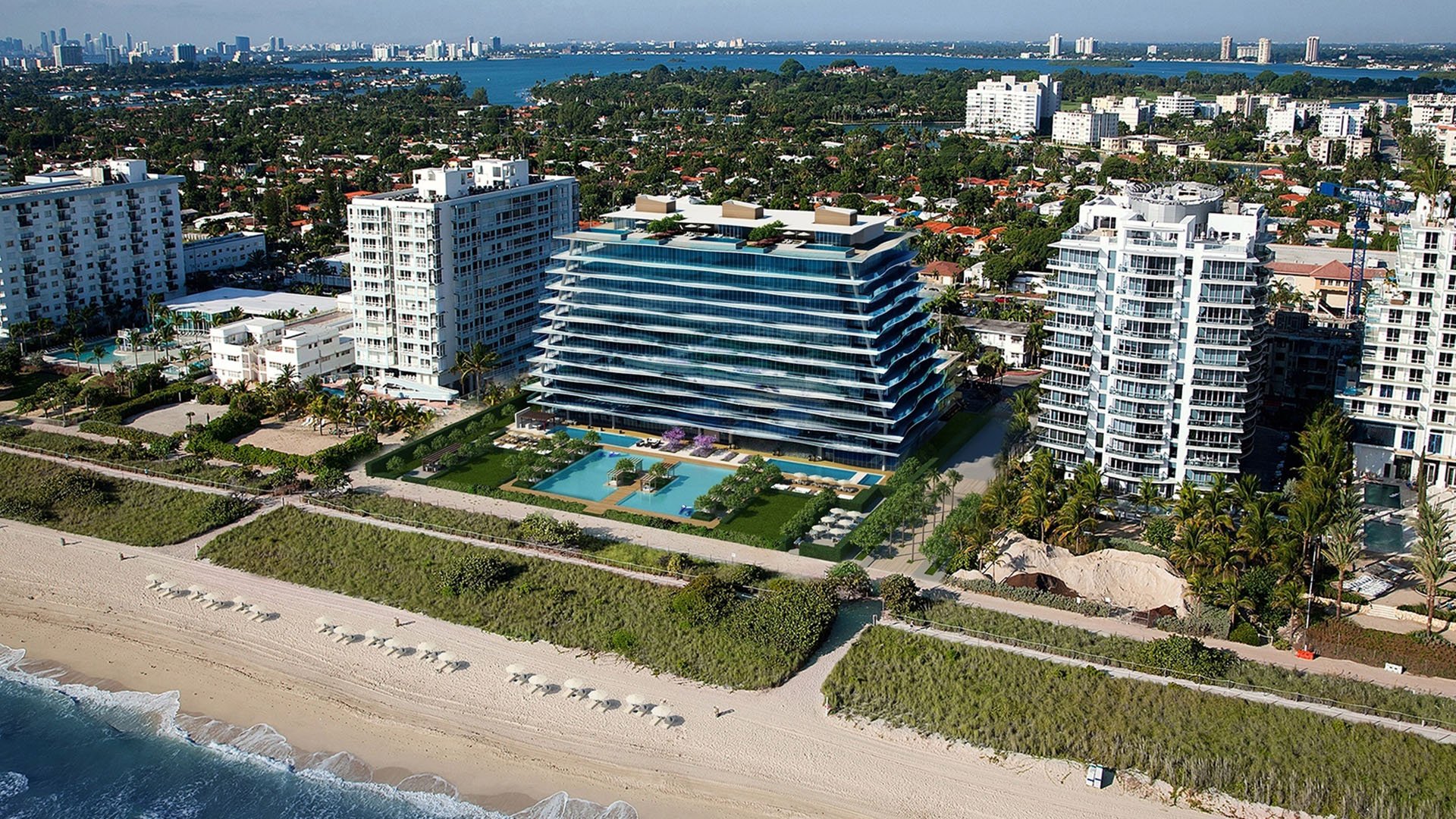
For a growing tier of affluent buyers, the South Florida second home is no longer a simple winter address reserved for occasional use. It is becoming a flexible base, designed to absorb longer stays, remote work, family overlap, wellness routines, entertaining, and the quiet logistics of a life divided among multiple cities.
That shift is especially visible when comparing Fendi Château Residences Surfside with The Berkeley Palm Beach. One represents a branded, service-intensive oceanfront model tied to the greater Miami ecosystem. The other reflects a more intimate Palm Beach island strategy, grounded in heritage, privacy, and established seasonal living patterns.
Together, they show how second-home ownership in South Florida is becoming more deliberate. Buyers are not merely asking where they want to escape. They are asking which residence best supports how they actually move through the year.
Fendi Château Residences Surfside
sits squarely within the Miami-area idea of the second home as lifestyle infrastructure. Its appeal is rooted in branded-residence confidence, oceanfront positioning, and a service-heavy living model that reduces friction for owners who may be absent for parts of the year and highly present during extended stays.
This matters because the modern ultra-luxury buyer often needs a residence to function immediately. The home must be ready on arrival, comfortable for longer stays, and supported by a building culture that understands discretion, service, and continuity. In that context, branded residences are less about a logo than about predictability. The brand becomes shorthand for atmosphere, maintenance expectations, and a polished rhythm of daily life.
Surfside adds its own strategic value. It offers a quieter oceanfront setting while remaining connected to Miami Beach, Bal Harbour, and the broader business-and-lifestyle pull of greater Miami. For buyers who want access without constant intensity, Surfside can feel like a measured answer. It is residential, coastal, and close enough to the larger Miami orbit to serve as a serious South Florida base.
That same logic explains why buyers considering Surfside often compare the tone of different oceanfront options, including The Delmore Surfside. The common thread is not simply beach proximity. It is the desire for a residence that can support repeat arrivals, long weekends that become full weeks, and seasonal stays that feel less like travel and more like returning home.
The Berkeley Palm Beach represents a different second-home strategy. Rather than leaning on the scale or visibility of larger Miami-area luxury towers, it speaks to the buyer who wants a more intimate island setting and a quieter residential experience.
Palm Beach has long been defined by seasonal tradition. For some buyers, that continuity is the point. A second home on or near the island is not just a place to enjoy warm weather. It is an entry into a social and residential rhythm refined over generations: mornings that unfold slowly, privacy assumed rather than advertised, and a sense of place that does not require constant reinvention.
The Berkeley’s boutique positioning aligns with that buyer psychology. Smaller-scale ownership can feel more personal, more private, and more embedded in the town’s way of life. It supports extended seasonal use without requiring the identity of a branded tower. In Palm Beach, the luxury signal is often restraint.
That restraint is also why buyers looking at Palm Beach may consider options across the island and nearby waterfront corridor, including Palm Beach Residences. The strategic question is not whether Palm Beach is desirable. It is what form of Palm Beach living best fits the owner’s calendar, privacy expectations, and appetite for community.
The contrast between Fendi Château and The Berkeley is useful because neither model cancels out the other. They answer different versions of the same question: what should a South Florida second home do?
For the Miami-area buyer, the answer may be operational ease. A branded oceanfront residence can create a seamless environment for someone splitting time among multiple places. The residence becomes part of a personal network: reliable, serviced, and close to the cultural and commercial energy of Miami.
For the Palm Beach buyer, the answer may be continuity. A boutique island residence can offer a more established sense of belonging, especially for owners who value seasonal customs and a quieter social architecture. The second home becomes less about access to everything and more about access to the right things.
This is why South Florida’s ultra-premium market cannot be reduced to one luxury formula. Oceanfront service, brand identity, and Miami connectivity appeal to one type of second-home planner. Privacy, town culture, and a more traditional seasonal cadence appeal to another.
The first question is time. A residence used for two short visits a year is different from one that will function as a co-primary address for months at a time. Longer stays place more weight on service, storage, maintenance, household routines, and the surrounding neighborhood.
The second question is mobility. Buyers tied to Miami’s business, arts, dining, and international flight patterns may find the Surfside strategy compelling. Those who prioritize Palm Beach’s town culture, privacy, and seasonal traditions may find The Berkeley’s model more aligned.
The third question is identity. Some owners want the assurance and atmosphere of a branded residence. Others prefer a building whose luxury is expressed through scale, discretion, and place. Neither is inherently superior. The more important issue is fit.
For buyers who want a West Palm Beach alternative with proximity to the Palm Beach conversation, Alba West Palm Beach also illustrates how the broader area is attracting second-home consideration beyond the island itself. That wider lens matters because South Florida buyers increasingly think in corridors, not isolated addresses.
The rise of second-home strategy reflects a deeper change in luxury behavior. Wealthy buyers are treating residential decisions as part of life planning. A South Florida home may serve as a winter residence, remote work setting, family gathering point, wellness retreat, and long-term legacy asset, sometimes all at once.
Fendi Château Residences Surfside and The Berkeley Palm Beach make that evolution visible. Surfside offers the serviced, branded, oceanfront version of the strategy. Palm Beach offers the boutique, heritage-driven, socially rooted version. Both point toward a market where the best second homes are expected to perform with the seriousness of primary residences.
For South Florida, that raises the bar. Residences must now satisfy not only desire, but use. They must be beautiful, but also livable over time. They must feel special on arrival, but also practical on the third week of a stay. The true luxury is not just owning in the right place. It is owning in a way that makes the rest of life easier.
Why are South Florida second homes becoming more strategic? Buyers are using them for longer stays, flexible work, family time, and seasonal living rather than brief vacations only.
What does Fendi Château Residences Surfside represent in this shift? It represents a branded, service-intensive oceanfront model connected to Surfside and the greater Miami luxury ecosystem.
What does The Berkeley Palm Beach represent? It reflects a boutique Palm Beach island model focused on privacy, heritage, and established seasonal living patterns.
Which buyer is more likely to prefer Surfside? A buyer seeking oceanfront living with access to Miami Beach, Bal Harbour, and greater Miami may find Surfside compelling.
Which buyer is more likely to prefer Palm Beach? A buyer who values town culture, discretion, and traditional seasonal rhythm may be more aligned with Palm Beach.
Are branded residences only about the name? No. For many buyers, the brand signals service expectations, design tone, and a more predictable ownership experience.
Why does boutique scale matter in Palm Beach? Boutique scale can support a quieter residential feel that aligns with Palm Beach privacy and seasonal customs.
Can a second home function like a primary residence? Yes. Many ultra-luxury buyers now expect second homes to support extended stays and regular daily routines.
Is this trend limited to Surfside and Palm Beach? No. These two markets illustrate a broader South Florida shift toward flexible, strategically chosen residences.
What should buyers compare first? They should compare lifestyle fit, service needs, privacy expectations, and how often the residence will be used.
To compare the best-fit options with clarity, connect with MILLION.
If branded residences are on your mind — as a home or as an allocation — we would be glad to share what we are seeing, privately.
Begin a quiet conversation