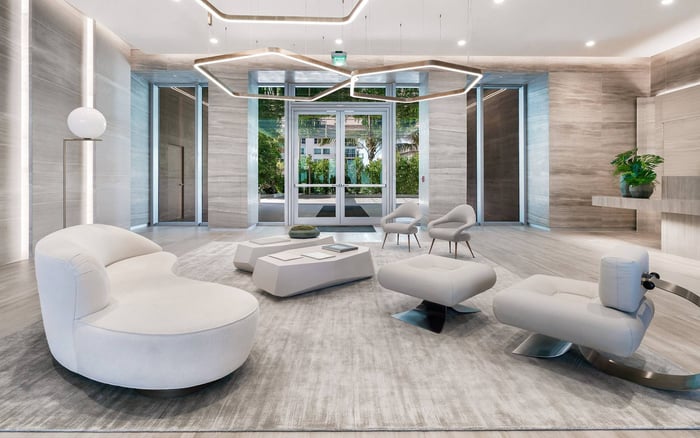
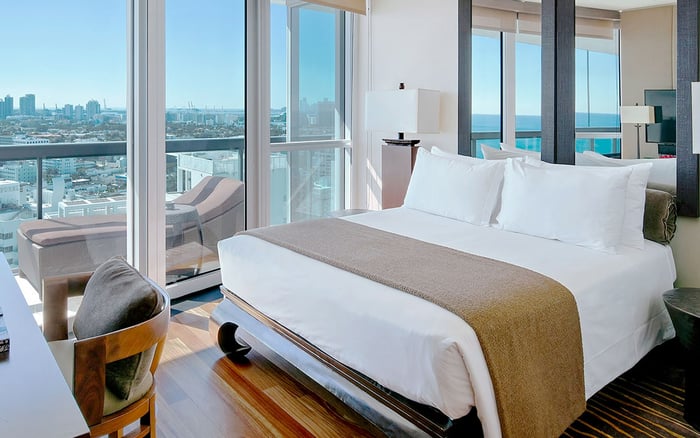
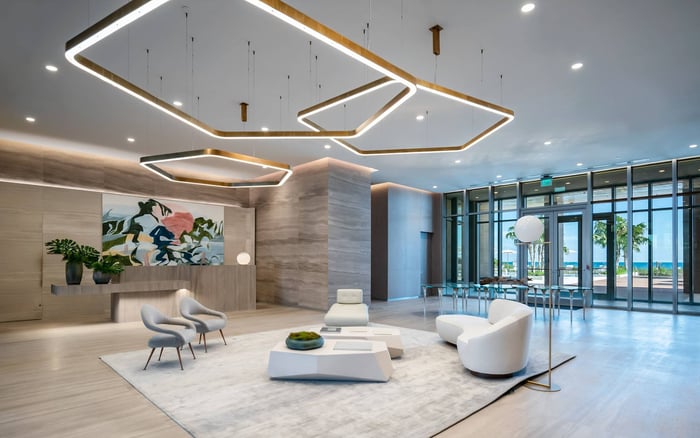
A practical luxury buyer’s guide to testing whether North Bay Village can support a repeatable, low-friction second-home lifestyle before purchasing.
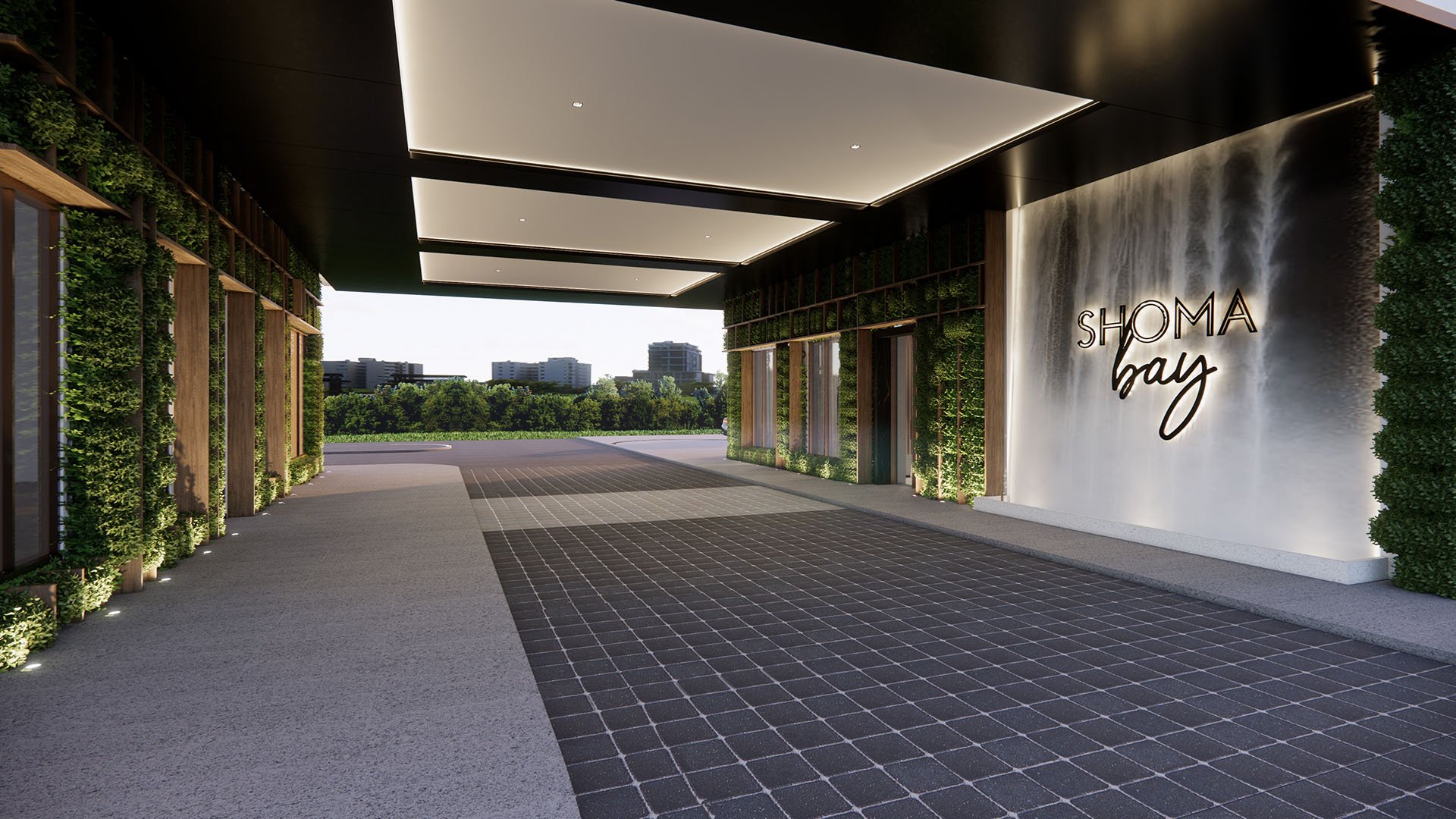
A second home in North Bay Village should be assessed less as a vacation purchase and more as a repeatable private operating system. The view matters. The finish package matters. The lobby impression matters. But the deeper question is whether the residence can support the way you will actually arrive, live, host, work, recover, and leave again.
For many South Florida buyers, the second-home decision begins emotionally and becomes operational later. In a polished purchase, those phases are reversed. Before focusing on the most photogenic terrace or the most dramatic waterline, define the rhythm: Friday night arrivals, quiet midweek work stays, family holiday use, visiting friends, boat days, wellness mornings, late dinners, and departure-day logistics. A residence that performs gracefully through these routines will feel luxurious long after the initial excitement has settled.
North Bay Village sits in the buyer’s imagination as a waterfront lifestyle play, but each household will interpret that differently. One owner may want low-visibility ease, another may want a social home base, and another may prize a calm midpoint between Miami Beach and the mainland. The right purchase is the one that makes those preferences feel natural rather than forced.
The most revealing second-home question is simple: what happens between landing and opening the front door? Buyers should test the complete arrival sequence at the times they expect to use the home. Evening traffic, luggage, valet interaction, groceries, pet logistics, children, guests, and weather all influence whether the residence feels restorative or demanding.
A polished rhythm depends on friction being absorbed before it reaches the owner. That means studying the handoff from car to residence, the ease of moving personal items upstairs, and how the building manages arrivals when several residents return at once. If the experience feels elegant only during a quiet showing, it may not feel elegant during a holiday weekend.
This is where a buyer touring Continuum Club & Residences North Bay Village should think beyond the brochure moment. The more useful question is not whether the building looks composed, but whether it helps the owner arrive composed.
Second-home buyers often overestimate long stays and underestimate short stays. A property that works beautifully for two uninterrupted weeks may be less effective for a 48-hour reset. The reverse can also be true. Before purchasing, build a calendar of probable use, not aspirational use.
For a couple with demanding work schedules, the home may need to function as a quiet weekday extension of the primary residence. For a family, storage, sleeping arrangements, laundry flow, and privacy between generations may become more important than a decorative living room. For an owner who entertains, the kitchen, terrace, powder room location, and acoustic separation can define the quality of the experience.
A strong second-home strategy is honest about frequency. If the residence will be used often, durability and service access matter. If it will be used selectively, lock-and-leave confidence becomes central. If guests will use it, house rules, owner controls, and privacy boundaries should be addressed before contract, not after closing.
Waterfront living is not a single category. It can mean contemplative views, boating culture, open-air dining, sunrise rituals, sunset gatherings, or simply the psychological ease of seeing water from daily rooms. Buyers should identify which version matters most.
A residence with a beautiful outlook may not automatically support a boating lifestyle. A home with generous outdoor space may still require careful review of wind, exposure, privacy, and furniture usability. A plan that looks spectacular in photographs may not perform as well when the owner wants breakfast outdoors, a shaded afternoon call, or a calm evening with guests.
In North Bay Village, the most persuasive homes will be the ones that translate water into everyday ease. When comparing options such as Shoma Bay North Bay Village, buyers should ask how the water experience appears from the rooms they will use most, not only from the most dramatic vantage point.
North Bay Village should be evaluated in relation to the broader South Florida map, but comparison should be disciplined. Miami Beach may offer a different tempo, with a stronger association to sand, dining, and resort-style movement. Bal Harbour may represent another interpretation of privacy, shopping, and established coastal polish. Those alternatives can clarify what North Bay Village does well for a specific buyer.
The goal is not to prove one location superior. The goal is to understand which rhythm feels repeatable. A buyer considering 57 Ocean Miami Beach may be testing a beach-forward lifestyle, while a buyer looking at The Well Bay Harbor Islands may be considering a more wellness-oriented residential cadence nearby. These comparisons are useful only if they sharpen the brief for North Bay Village rather than distract from it.
A polished buyer should write down the trade-offs plainly: beach proximity versus bay calm, social density versus privacy, destination energy versus residential ease, and daily convenience versus weekend spectacle. The right answer will be personal, but it should not be vague.
Second-home ownership depends heavily on building culture. Some residences feel serene because the community is discreet and predictable. Others feel lively because owners expect activity, guests, and amenities to be part of the experience. Neither is inherently better, but a mismatch can become expensive emotionally.
Buyers should observe how public spaces are used, how staff interact with residents, and whether the atmosphere feels formal, relaxed, family-oriented, wellness-led, or socially active. A building’s culture often determines whether an owner feels at home immediately or merely accommodated.
When evaluating Tula Residences North Bay Village, the practical exercise is to imagine three different visits: a quiet solo stay, a family weekend, and a guest-heavy holiday. If the building and residence can support all three without strain, the rhythm may be durable.
Luxury is often most visible when the owner is not present. A second home must be able to wait well. That means climate control, package handling, maintenance coordination, vendor access, vehicle logistics, and the ability to return to a residence that feels prepared rather than neglected.
Storage deserves particular attention. Owners frequently need duplicates of clothing, beach items, children’s items, pet supplies, tableware, and seasonal pieces. If the home cannot absorb those layers elegantly, it will begin to feel temporary. The most refined second homes do not require constant packing. They allow the owner to arrive lightly.
Absence also raises governance questions. Buyers should understand use restrictions, guest policies, rental limitations if relevant, renovation protocols, and the approval process for service providers. These are not glamorous details, but they protect the lifestyle.
A polished second-home acquisition should not feel rushed by scarcity language or visual seduction. The better approach is to return to the residence at different times, test the route, imagine weather, ask how the home closes down after a visit, and consider who will manage the residence when the owner is away.
The best North Bay Village purchase is the one that makes repetition feel desirable. If the residence supports arrival, rest, entertaining, privacy, and departure with minimal negotiation, it has the ingredients of long-term satisfaction. If it requires the owner to constantly adapt, it may be beautiful without being right.
What should second-home buyers evaluate first in North Bay Village? Start with the arrival experience, because it reveals how the property will feel during real use rather than during a staged showing.
Is the view the most important factor? The view is important, but daily rhythm, privacy, service, storage, and ease of return usually determine long-term satisfaction.
How many times should a buyer visit before deciding? More than once is wise, especially at different times of day and during the periods when the home would likely be used.
Should buyers compare North Bay Village with Miami Beach? Yes, but only to clarify lifestyle priorities such as beach access, dining tempo, privacy, and daily convenience.
What makes a second home feel polished? A polished second home allows the owner to arrive lightly, live comfortably, host naturally, and leave without friction.
Why does building culture matter? Building culture shapes the everyday atmosphere, from quiet privacy to social energy, and can strongly affect comfort.
How should buyers think about guest use? Buyers should consider sleeping arrangements, privacy, service access, parking, and house rules before purchasing.
Is storage a luxury issue? Yes, because adequate storage allows the residence to function as a true home rather than a place that requires constant packing.
What should buyers ask about absence? Ask how the residence is maintained, how vendors access the property, and how the home is prepared before each return.
What is the clearest sign a property fits? The clearest sign is that the same home works for quiet weekends, family stays, workdays, and entertaining without compromise.
To compare the best-fit options with clarity, connect with MILLION.
If branded residences are on your mind — as a home or as an allocation — we would be glad to share what we are seeing, privately.
Begin a quiet conversation