A buyer-focused look at how Miami Open season highlights the value of discretion, access, calm design, and better positioning when choosing a Surfside residence.
Miami Open season clarifies what matters in a South Florida residence. Not because every owner is following the tournament, but because a high-attention cultural moment exposes the difference between a beautiful address and a better-positioned one. Traffic patterns become less theoretical. Dinner reservations require more choreography. A home’s relationship to the beach, neighboring hotels, retail, schools, clubs, and private arrivals becomes part of the lived experience, not a line in a brochure.
For Surfside, that distinction matters. The village is neither a vertical downtown nor a remote resort enclave. Its strength is composure. Surfside offers a quieter residential tempo beside some of Miami’s most coveted coastal territory, with Bal Harbour to the north and Miami Beach energy within reach. When the region is at its most activated, the better residence is the one that preserves calm while keeping the owner connected.
That is the lesson tennis week reinforces. Position is not simply geography. It is how gracefully a home performs when the city is busy.
Luxury buyers often begin with the obvious: oceanfront exposure, architecture, amenities, and service. Those remain essential. Yet the more refined buyer also studies the smaller intervals of daily life. How long does it take to reach the sand? Is the lobby experience discreet when guests are arriving at the same time? Can one step out for coffee, dining, or a walk without turning every errand into a drive? Does the residence feel restful after an event-heavy evening?
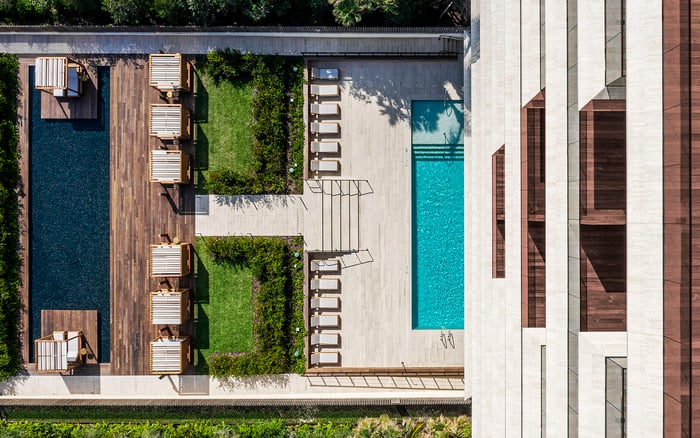
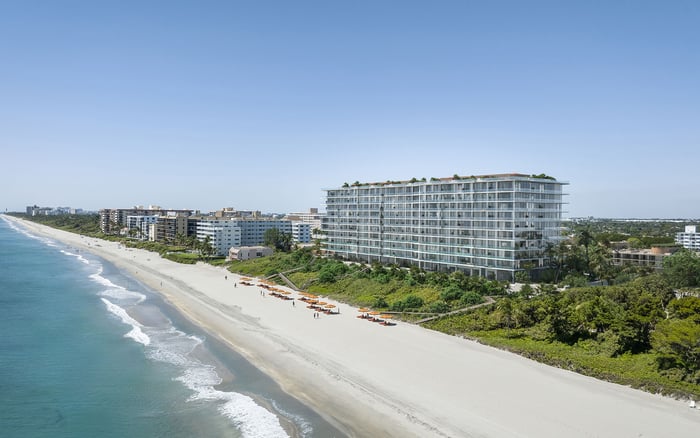
In Surfside, the best-positioned homes offer that rare mix of privacy and ease. A residence such as Arte Surfside speaks to the buyer who values a low-profile beachfront setting with a strong design identity. Nearby, Fendi Château Residences Surfside appeals to those who want the polish of a fashion-house name within a residential coastal context. These are not interchangeable propositions. Their value is tied to how each one manages arrival, scale, exposure, and adjacency.
Miami Open energy reveals this because the owner’s schedule becomes more fluid. A lunch may become a late dinner. Guests may want beach time between events. A second-home owner may arrive for a long weekend and expect the residence to function immediately. The location either supports that rhythm or complicates it.
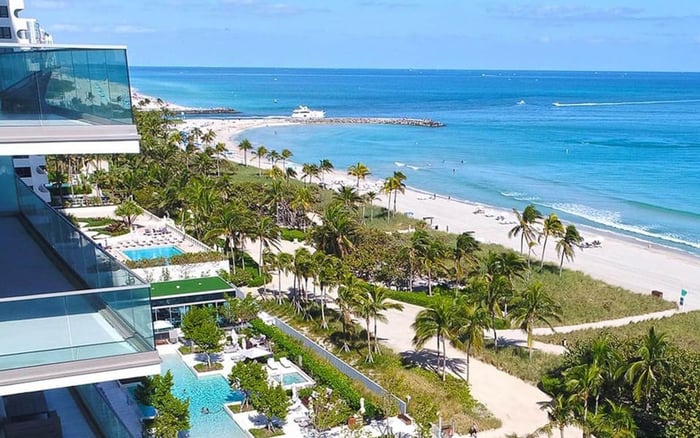
Surfside’s appeal is often described through beachfront living, but the more precise phrase is calm access. Beach access matters, yet so does the route to the building, the discretion of the frontage, the feel of the sidewalk, and the ease with which owners can move between the ocean, Bal Harbour, and Miami Beach without feeling absorbed by either.
This is where boutique scale can be a strategic advantage. In a smaller residential environment, the experience may feel more personal, more predictable, and less exposed. The buyer is not only purchasing a floor plan. They are purchasing the ability to enter and leave with minimal friction, host without spectacle, and enjoy the week’s cultural calendar without surrendering domestic privacy.
That same logic supports interest in Ocean House Surfside, where the promise of a Surfside address is less about theatrical arrival and more about the serenity of the setting. The strongest residences in this market understand that prestige can be quiet. For many high-net-worth buyers, that quiet is the point.
A better-positioned residence in Surfside should be judged across several dimensions. The first is orientation. Direct ocean exposure is powerful, but the most satisfying home also considers morning light, privacy from neighboring buildings, terrace usability, and the relationship between living spaces and outdoor rooms.
The second is building scale. Some buyers prefer the intimacy of a boutique residence, while others want a broader service platform. Neither is automatically superior. The right answer depends on how the owner lives. A full-time resident may prioritize daily operational consistency. A second-home buyer may prioritize lock-and-leave simplicity, staff coordination, and an easy guest experience.
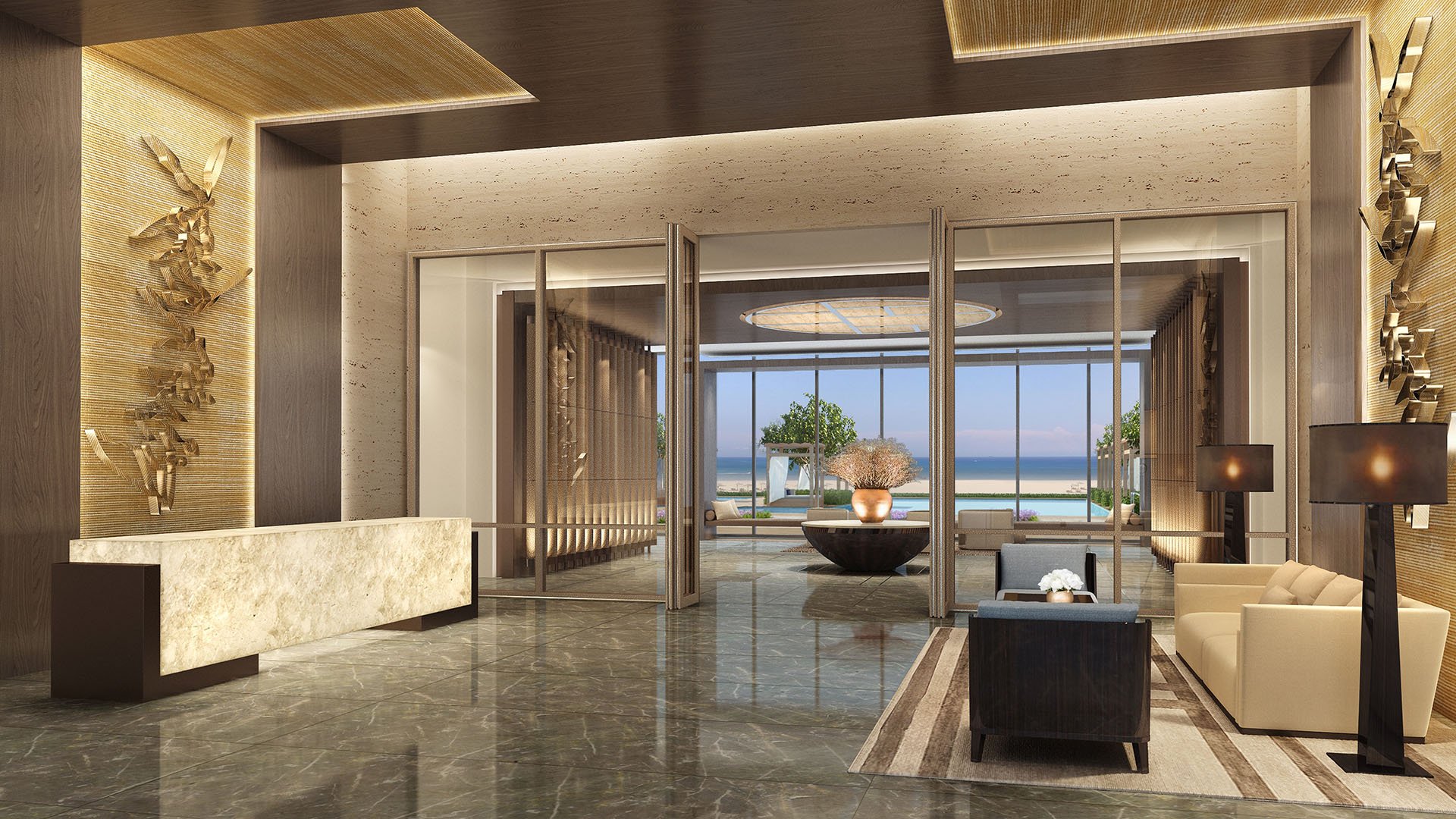
The third is the arrival sequence. This becomes more important during Miami’s busiest weeks. A residence can have exquisite interiors and still feel compromised if the owner’s first impression is congestion or exposure. Private, legible, well-managed arrival is part of luxury.
The fourth is neighborhood integration. Surfside is valuable because it is connected without feeling consumed. A buyer should walk the immediate area at different times of day and ask whether the surroundings feel aligned with the way they actually live.
Surfside does not need to compete with Brickell on skyline energy, with South Beach on nightlife, or with Fisher Island on seclusion. Its appeal is narrower and, for the right buyer, more compelling. It offers a residential beachfront setting with proximity to highly desirable dining, shopping, and leisure, while maintaining a village-scale atmosphere.
This gives the area an advantage during event weeks. The owner can participate selectively. The residence remains a retreat rather than an extension of the event circuit. That is a meaningful distinction for buyers who already have access to hospitality, clubs, and travel. They are not seeking constant stimulation from the home. They are seeking control over when stimulation enters the day.
This is why The Delmore Surfside belongs in the conversation for buyers studying the next generation of Surfside residences. It represents the continuing desire for homes that deliver architectural presence without sacrificing residential restraint. Similarly, The Surf Club Four Seasons Surfside reflects the enduring appeal of a Surfside address associated with service, history, and a polished coastal lifestyle.
The buyer’s task is to identify which expression of Surfside feels most natural. Some will want newness. Some will want legacy. Some will want the quietest possible building. Others will prioritize a social ecosystem that can support visiting family, friends, and staff.
The Miami Open reveals that prime South Florida ownership is not only about where a residence sits on a map. It is about whether the home improves life when the region becomes more dynamic. The better-positioned Surfside residence lets an owner move easily, host gracefully, retreat completely, and return to the ocean without friction.
For ultra-premium buyers, that is the central value proposition. Finishes can impress in a showing. Amenities can photograph beautifully. But position is experienced repeatedly, often in small moments: the evening drive home, the walk to the beach, the guest arrival, the quiet morning after a full night out.
Surfside’s best residences succeed because they understand luxury as control. Control over pace. Control over exposure. Control over access. In a market where attention often gathers around the loudest addresses, Surfside remains powerful precisely because it does not need to shout.
Why does Miami Open season matter for Surfside buyers? It highlights how a residence performs when South Florida is busier, making access, privacy, and neighborhood rhythm easier to evaluate.
What makes a Surfside residence better-positioned? A better-positioned home balances beachfront presence, discreet arrival, walkability, and a calm relationship to nearby destinations.
Is oceanfront exposure always the top priority? Oceanfront exposure is highly desirable, but privacy, orientation, terrace usability, and building scale can be just as important.
Should buyers prefer boutique buildings in Surfside? Boutique scale can offer intimacy and discretion, but the best choice depends on desired service level, lifestyle, and household needs.
How should a second-home buyer evaluate Surfside? A second-home buyer should focus on ease of arrival, lock-and-leave confidence, guest comfort, and proximity to daily conveniences.
Does Surfside feel connected to Miami’s event calendar? Yes, but in a selective way. Owners can access Miami’s cultural energy while returning to a quieter residential setting.
Is Surfside more discreet than larger Miami neighborhoods? Surfside generally offers a calmer village-scale environment, which appeals to buyers who value privacy and restraint.
How important is beach access in this market? Beach access is central, but the quality of the walk, building frontage, and day-to-day ease also shape the ownership experience.
What role does Bal Harbour proximity play? Bal Harbour proximity supports convenience for dining, shopping, and services while keeping Surfside’s residential character intact.
What should buyers tour beyond the residence itself? Buyers should experience the approach, lobby, beach path, nearby blocks, and evening atmosphere before making a decision.
For a tailored shortlist and next-step guidance, connect with MILLION.
If branded residences are on your mind — as a home or as an allocation — we would be glad to share what we are seeing, privately.
Begin a quiet conversation