A discreet buyer’s guide to evaluating circadian-lighting readiness at The WELL Bay Harbor Islands, from daylight and glazing to controls, bedrooms, amenities, and post-turnover commissioning.
At The WELL Bay Harbor Islands, circadian-lighting readiness should be evaluated as a whole-residence and whole-building question, not as a decorative fixture upgrade. The issue is not simply whether a room has attractive recessed lighting or a smart switch. The more important question is whether daylight, glass, shades, electrical infrastructure, tunable fixtures, controls, programming, and commissioning have been coordinated into a system that supports daily living.
For buyers comparing The WELL Bay Harbor Islands with other wellness-oriented offerings in South Florida, the best posture is measured skepticism. Ask for evidence, not just wellness language. Terms such as wellness lighting, human-centric lighting, and circadian lighting can describe very different levels of performance. In some cases, they may refer to simple preset scenes. In others, they may involve tunable-white or spectrally engineered lighting, automated schedules, and a documented control narrative.
That distinction matters because luxury buyers are not purchasing atmosphere alone. They are purchasing morning routines, evening recovery, bedroom comfort, and the ability for the residence to adapt to travel, remote work, and entertaining. In a Bay Harbor setting, where views, privacy, water, and terrace life all compete for design priority, lighting due diligence deserves the same seriousness as floor plan, exposure, and finishes.
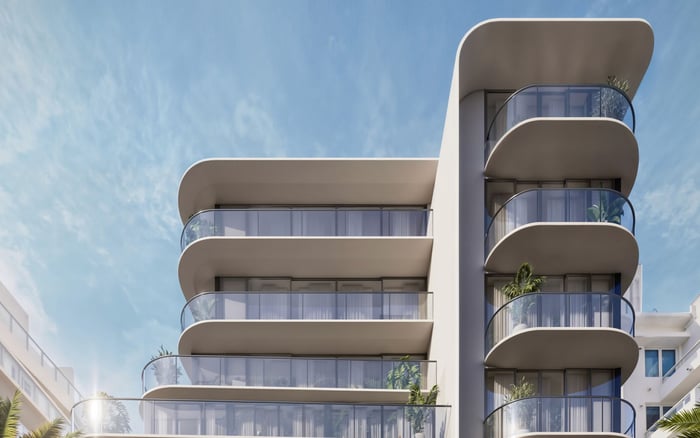
The first circadian question is not about the fixture package. It is about daylight. Unit orientation, floor height, neighboring structures, façade design, and terrace depth can materially affect the amount and quality of natural light that reaches the interior. A water-view residence may feel bright and open in a sales presentation, but the lived experience can vary by room, season, and time of day.
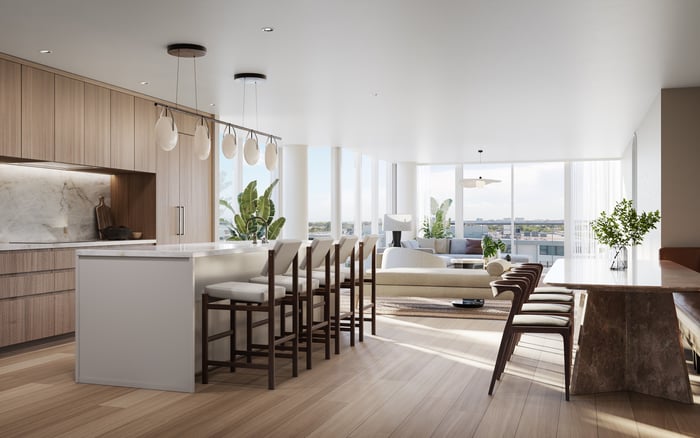
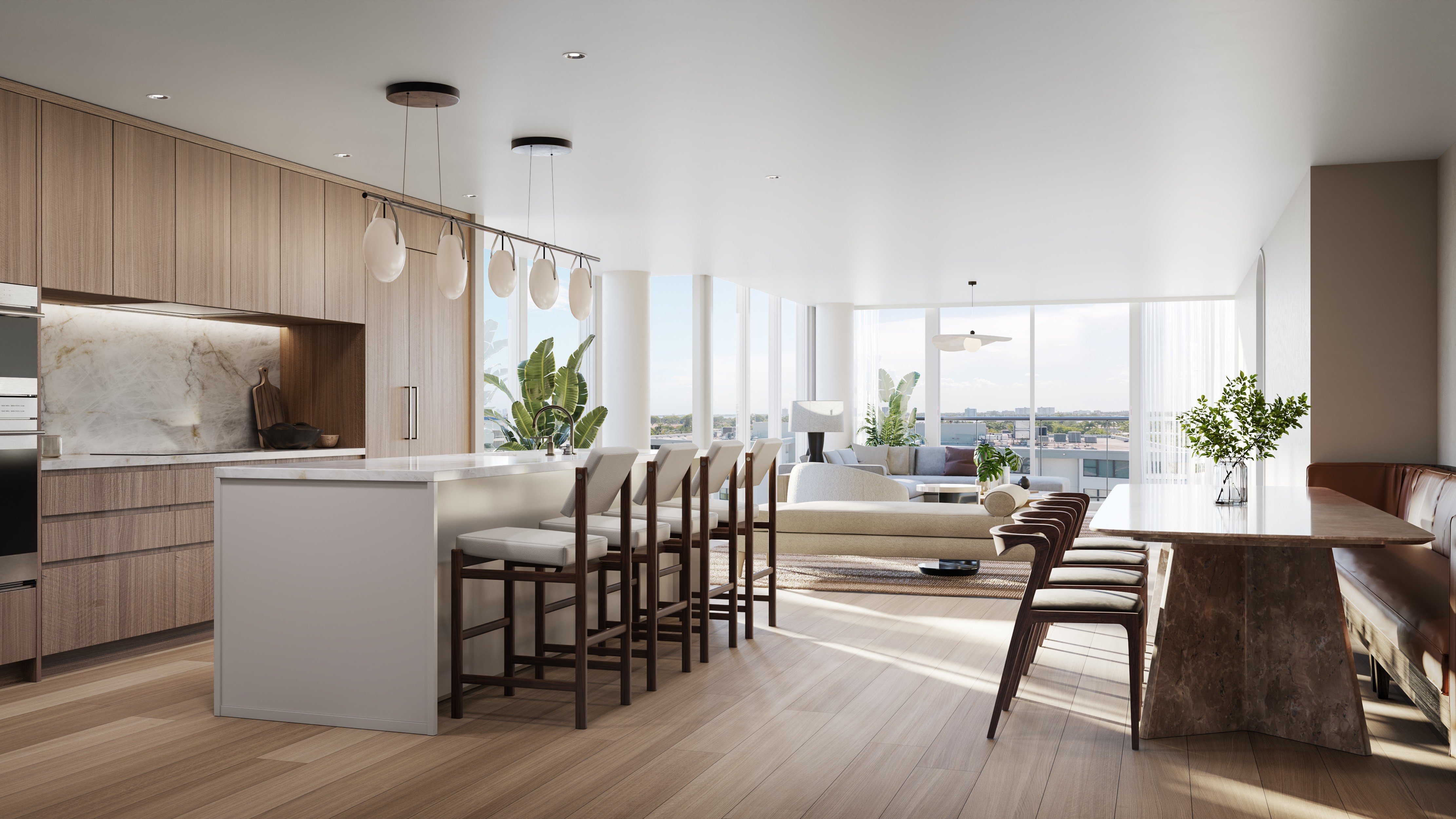
South Florida’s generous glazing is both an asset and a tradeoff. Large glass areas can support daylight and views, yet they can also introduce heat gain, glare, privacy concerns, and shading needs. Buyers should ask what type of glass is being used and whether tinting or solar-control coatings reduce daylight qualities that may be relevant to circadian intent. The objective is not to reject high-performance glass. It is to understand what the glass preserves and what it filters.
Shades deserve the same scrutiny. Motorized shades are often discussed in terms of privacy, heat control, and convenience. For circadian-lighting readiness, buyers should also ask whether those shades preserve useful daytime light when deployed. A shade that resolves glare by darkening the room may undermine the daytime brightness the lighting strategy is meant to support.
A deep terrace can add outdoor living value, soften exposure, and improve privacy, but it may also change how daylight enters adjacent interiors. This is not a flaw. It is a design condition that should be understood before a buyer assumes every room will receive the same daytime light.
A basic smart-lighting package is not the same as a circadian-ready system. Buyers should distinguish between scenes that adjust ambience and a system designed to shift intensity and color temperature throughout the day. The practical question is simple: will the residence deliver bright, stimulating daytime light and low, warm, non-disruptive evening light without requiring the owner to manage it constantly?
Ask whether lighting schedules adjust automatically during the day. Ask whether those schedules can be customized. Ask whether they integrate with the broader smart-home platform, motorized shades, HVAC scenes, and bedroom automation. The strongest systems are not isolated features. They are coordinated behaviors.
This is especially relevant for new-construction and pre-construction purchases, where buyers may still have an opportunity to clarify infrastructure, request specifications, or understand upgrade pathways before final selections are locked. If the electrical backbone, fixture compatibility, or control logic is not prepared for tunable lighting, a later retrofit may be more complicated than the sales language suggests.
Bedrooms should receive the most careful review. Evening light, nighttime light leakage, and morning-wake programming are not abstract wellness concepts. They shape how a residence feels after dinner, during overnight movement, and at the start of the day.
Buyers should ask whether bedroom lighting can become warmer and lower in the evening, whether pathway or nighttime lighting can remain discreet, and whether morning scenes can be programmed to support a gentler wake sequence. The question is not whether the room looks beautiful at presentation brightness. It is whether the room behaves intelligently when the owner is tired, jet-lagged, or starting the day before sunrise.
For remote workers and frequent travelers, customization matters. Ask whether routines can be adjusted for early calls, late work, jet lag, and sleep protection. A global buyer moving between time zones may value lighting flexibility as much as closet space or appliance selection.
Amenity spaces should be reviewed separately from private residences. Spa, fitness, lounge, and wellness areas may each require different lighting profiles. Brightness that feels energizing in a fitness setting may feel harsh in a relaxation room. Warm, subdued lighting that suits a lounge may not be appropriate for a morning workout.
The buyer’s question should be whether the building’s amenity lighting has its own logic, not whether it shares a wellness label. If the property is positioning light as part of a broader health and lifestyle experience, the amenity environments should be considered part of that promise.
Post-turnover responsibility is equally important. A credible circadian-lighting package should include documentation of intended performance, fixture specifications, control logic, and post-installation commissioning. Buyers should ask who maintains the scenes, who updates them, and who recommissions the system if fixtures are replaced or software changes. Without that continuity, an elegant lighting concept can slowly become a collection of disconnected presets.
Before relying on circadian-lighting language, ask for the documents that convert promise into detail. Useful requests include the lighting schedule, fixture cut sheets, control narrative, shade specifications, glazing specifications, and commissioning plan. These items will not make every buyer a lighting designer, but they will help a buyer’s advisor, architect, or smart-home consultant ask sharper questions.
The goal is not to turn a luxury purchase into a technical audit. It is to understand whether the residence has been designed as an integrated environment. Circadian readiness sits at the intersection of architecture, interiors, electrical planning, smart-home programming, façade performance, and daily behavior. When those elements are aligned, the result can feel effortless. When they are not, the buyer may inherit a marketing claim rather than a functioning system.
Is circadian-lighting readiness just about better fixtures? No. It should be evaluated across daylight, glazing, shading, wiring, tunable fixtures, controls, programming, and commissioning.
What should buyers ask first at The WELL Bay Harbor Islands? Start by asking how the residence is intended to deliver bright daytime light and warmer, lower evening light.
Why does unit orientation matter? Orientation, floor height, nearby structures, façade design, and terrace depth can all affect actual daylight exposure inside the home.
Can large windows create lighting problems? Yes. Expansive glazing can support views and daylight while also raising questions about heat gain, glare, privacy, and shading.
What should buyers ask about glass? Ask what glass is being used and whether tinting or solar-control coatings affect daylight transmission relevant to the lighting strategy.
Are motorized shades enough? Not necessarily. Buyers should ask whether shades preserve useful daytime light while also managing privacy, glare, and heat.
How is smart lighting different from circadian lighting? Smart scenes may change mood, while a circadian-ready system should address timed shifts in intensity and color temperature.
Why are bedrooms especially important? Bedrooms are where evening light, nighttime leakage, and morning-wake programming have the most direct lifestyle impact.
Should amenity lighting be reviewed separately? Yes. Spa, fitness, lounge, and wellness spaces may need different lighting profiles from private residences.
What documents should a buyer request? Request the lighting schedule, fixture cut sheets, control narrative, shade specifications, glazing specifications, and commissioning plan.
When you're ready to tour or underwrite the options, connect with MILLION.
If branded residences are on your mind — as a home or as an allocation — we would be glad to share what we are seeing, privately.
Begin a quiet conversation