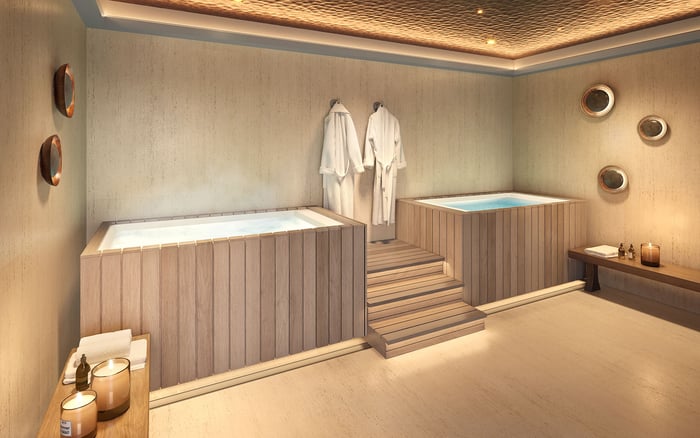
Immersive touring has shifted from a pandemic-era convenience to a permanent advantage in luxury real estate, especially for South Florida buyers evaluating properties from afar. Today’s best virtual tours are not a gimmick. They are a pre-qualification instrument that compresses decision cycles, improves buyer confidence on layout and scale, and elevates marketing performance when paired with disciplined, high-touch representation. Here’s how to use 3D tours and VR like a private buyer’s tool, and where their limits still matter.
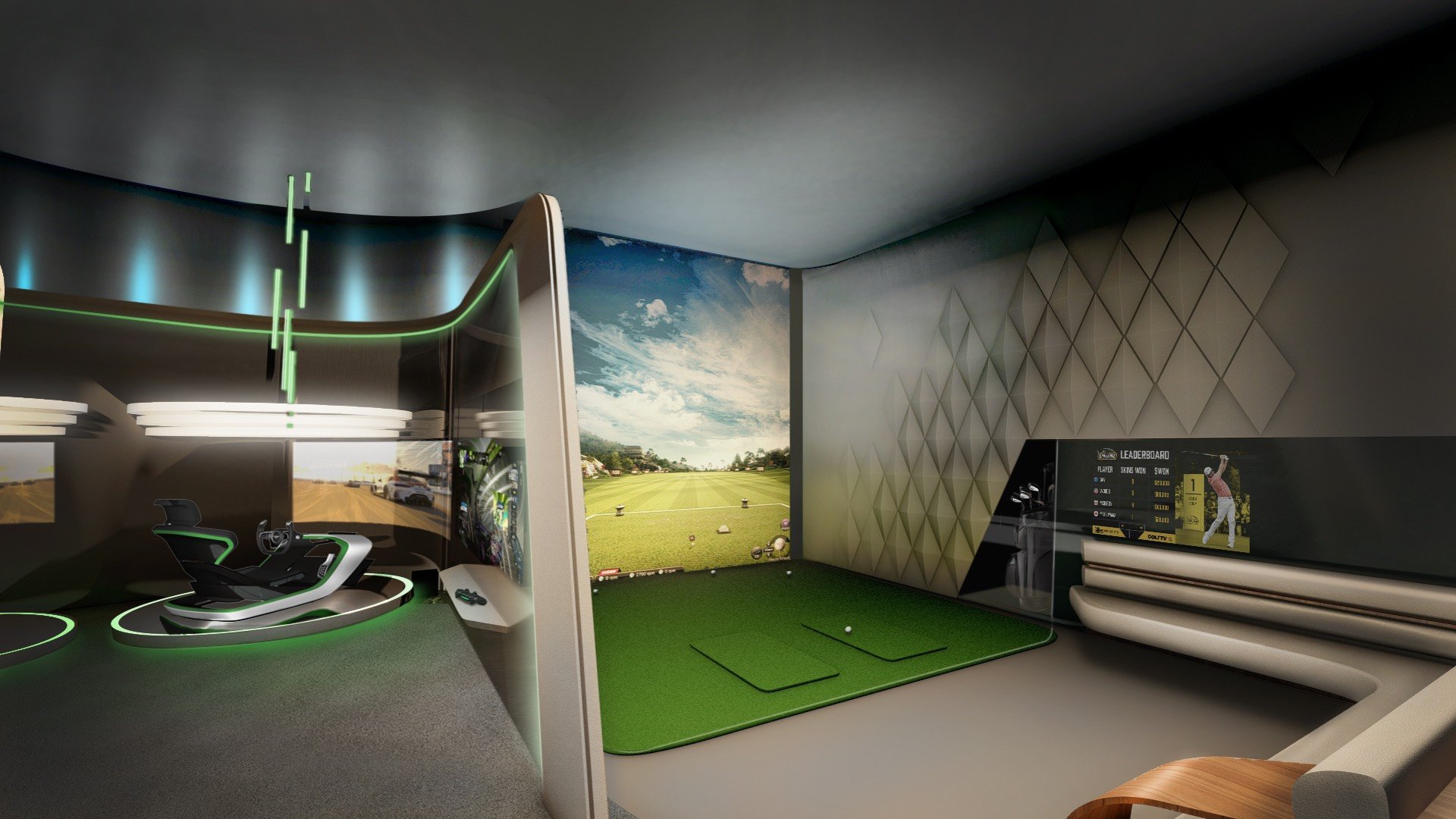
Luxury has always been about time: protecting it, compressing decisions, and spending it only where it matters. Virtual tours and VR align with that ethos. In South Florida-where second-home buyers, international purchasers, and time-constrained executives are common-immersive touring has shifted from “nice to have” to baseline.
The pandemic era accelerated the change, as buyers became more comfortable transacting remotely, including making offers without an in-person visit. Remote work also normalized long-distance relocation decisions, expanding the pool of buyers who start their search from another city-or another country. Practically speaking, the first showing now often happens on a screen, not at the front door.
At the high end, the advantage goes to properties presented with clarity: a precise visual narrative, intuitive navigation, and enough spatial information for a buyer to picture daily life in the home. A polished 3D tour functions like a private appointment-available at midnight, replayable, and easy to share with family, advisors, or a design team.
A strong 3D tour doesn’t just “add content.” It reshapes the sequence of the search. Instead of touring 10 homes to eliminate eight, buyers can eliminate eight in an evening-and arrive in town to see two with real conviction.
Well-executed 3D tours have been associated with materially higher inquiry volume, with claims as high as up to 95% more calls compared with listings without 3D tours. They can also influence agent selection, with a large share of buyers and sellers expressing a preference for representation that includes immersive tours. In luxury, that preference reads as a clear signal of professionalism: the agent is willing to invest in the first impression, and the property is handled like an asset that deserves a controlled, high-quality reveal.
Virtual touring can also reduce friction in early decision-making. More than half of prospective buyers have said they would consider buying sight-unseen if a 3D virtual tour is available. That doesn’t mean diligence disappears. It means the conversation moves further, faster-especially when the tour answers the first-order questions: Does the layout make sense? How do the spaces connect? Are the views aligned with primary rooms? Where will art live? Where does the morning light land?
Luxury buyers rarely struggle to imagine finishes. They struggle to predict scale. A photo can make a living room feel grand, but it can’t confirm whether your preferred sofa will float properly, whether the dining room truly accommodates a 10-seat table without choking circulation, or whether a secondary bedroom can function as an office without compromise.
This is where advanced 3D tours quietly outperform traditional media. Buyers consistently respond to measurement capabilities inside tours, including the ability to evaluate walls, doors, and windows. A very large share of buyers say that having measurement tools inside a 3D tour would increase their interest.
For South Florida condos, the value is obvious because lived experience often comes down to proportion: terrace width, the distance from kitchen to dining, clearance around a bed, and wall space for large-format work. For single-family homes, it helps clients determine whether a “bonus room” is genuinely usable and how outdoor living zones relate to the interior.
In a market where many buyers are planning renovations, furnishing, or a designer-led refresh, spatial confidence creates momentum. The tour becomes a pre-design consultation, allowing a buyer to arrive in person with sharper questions and a realistic plan.
VR and spatial computing raise the bar by turning a tour into an embodied experience. Instead of observing a home, you move through it: the length of a corridor, the intimacy of a den, the rhythm from entry to view.
High-end headsets are built to deliver immersive 3D experiences with precise tracking and high-resolution displays. The payoff isn’t novelty-it’s what research often describes as “spatial presence,” a stronger sensation of being there than 2D media typically delivers. For a buyer evaluating South Florida from afar, that added realism can be the difference between a property that feels abstract and one that feels inevitable.
The luxury application is also practical. VR is an excellent tool for pre-construction decisioning, where buyers must commit based on plans, renderings, and the promise of a future view. Homebuilders increasingly use VR and related tools to help buyers visualize layouts and options remotely, particularly when choices affect long-term satisfaction and resale.
South Florida is a mosaic of micro-markets, and virtual touring helps buyers choose not only between buildings, but between lifestyles.
In Brickell, buyers often move quickly and value efficiency, walkability, and a clean line between business and leisure. When you’re comparing towers, orientation and floor plan hierarchy can matter as much as finishes. Immersive tours help you audit flow-through versus single-exposure living, understand how the kitchen supports entertaining, and evaluate the “arrival sequence” from elevator to foyer. If you’re exploring new and iconic inventory, a virtual-first approach is a smart way to narrow your short list before scheduling in-person time at 2200 Brickell or 888 Brickell by Dolce & Gabbana.
In Miami Beach, the decision often comes down to nuance: is the home serene or social, beach-forward or park-adjacent, oriented to sunrise or sunset? A strong 3D tour clarifies how a residence frames water and sky, and whether the primary suite is buffered from entertaining spaces. It’s also useful for auditing amenities that shape daily life. For a buyer comparing rare, design-led options, virtual touring is an intelligent first step before committing to showings at The Perigon Miami Beach.
In Sunny Isles, where vertical oceanfront living is the defining draw, virtual tours let you assess the relationship between glass, view, and interior depth. They also help you determine whether a unit reads as gallery-like or family-friendly-and whether terraces operate as true living rooms. If you’re balancing privacy, height, and view corridors, immersive media can reduce surprises before an in-person tour of Bentley Residences Sunny Isles.
In West Palm Beach, buyers often move to a slightly different rhythm: a city-meets-coastal lifestyle with an emphasis on ease, design, and proximity to culture. Virtual tours can be particularly helpful when comparing boutique buildings where layout character varies from unit to unit. For those evaluating the Flagler corridor, a virtual-first screen can complement a targeted visit to Alba West Palm Beach.
Virtual touring is powerful, but it isn’t sensory-complete. Even the best tours cannot fully convey:
For luxury buyers, that’s not a reason to dismiss virtual touring. It’s a reason to use it correctly: as a precision filter and planning tool-not the final verdict.
A disciplined approach is to treat virtual as the first showing, then reserve in-person time for sensory confirmation and due diligence. When a buyer arrives already confident about layout and scale, the on-site visit can focus on what can’t be digitized: finish quality, light behavior, and the intangible feeling a home delivers.
In the hands of a sophisticated buyer or advisor, immersive touring becomes a repeatable process.
First, prioritize tours that are easy to navigate and that document the entire home-not just hero moments. Luxury decisions are often made in the transitions: the hallway to the primary suite, the pantry to the kitchen, the guest wing to the main living area.
Second, use measurement tools and screenshots to build an “evidence file.” Capture room dimensions, terrace depth, and wall lengths that matter for furniture, art, and circulation. This converts subjective impressions into a plan a designer and contractor can act on.
Third, share the tour with decision-makers early. Many purchases involve partners, adult children, or advisors. One consistent 3D experience reduces the game of telephone that can slow the deal.
Fourth, when the property is pre-construction or undergoing redesign, use immersive tools to pressure-test choices. VR is especially effective when the question isn’t whether you like a finish, but whether you like the spatial outcome of a layout change.
Finally, keep human judgment at the center. Technology is most valuable when it supports better conversations: sharper questions for the listing team, faster clarity on tradeoffs, and a shorter path to the right property.
For sellers, the message is discreet but direct: luxury buyers expect to qualify a home remotely. A well-produced 3D tour can expand the buyer pool beyond the local weekend audience, and it can do so without sacrificing discretion-especially when access is managed thoughtfully.
For developers, immersive touring is increasingly integral to the sales cycle, particularly for buyers purchasing years before delivery. The strongest experiences don’t simply showcase finishes. They communicate proportion, view logic, and the lifestyle narrative that makes a premium feel justified.
From a market standpoint, listings with 3D tours have been associated with faster sales and higher achieved pricing in some studies, including claims of selling up to about 20% faster and at up to about 9% higher. In luxury, the more durable advantage is often less about headline numbers and more about certainty: fewer wasted showings, more qualified inquiries, and a buyer who arrives ready.
Can a luxury buyer realistically purchase sight-unseen with a 3D tour? Many buyers are willing to proceed without an in-person visit when a robust 3D tour is available, but most still schedule a final sensory confirmation before closing.
Do 3D tours actually increase inquiries on a listing? Yes-immersive tours have been associated with significantly higher call volume compared with listings without 3D tours.
Is VR meaningfully better than a standard virtual tour? VR can create a stronger feeling of “being there,” which helps with judging flow and scale, especially for remote buyers.
What should I look for in a high-quality tour? Prioritize full-home coverage, smooth navigation, accurate perspective, and clear transitions between rooms.
Why do measurement tools inside tours matter so much? Scale drives satisfaction in luxury homes, and in-tour measurements help buyers plan furniture, art placement, and circulation with confidence.
Are virtual tours most useful for condos or single-family homes? Both, but condos benefit strongly because layout efficiency, view orientation, and terrace usability can be vetted quickly.
How do virtual tours help with pre-construction purchases? They allow buyers to visualize layouts and options remotely, turning floor plans into an experience that’s easier to compare.
What can’t a virtual tour tell me that I still need to verify in person? Finish quality, acoustics, neighborhood feel, and the subtle behavior of light are best confirmed on-site.
Will virtual touring replace in-person showings in South Florida? It’s more likely to replace the first round of showings, making in-person time more efficient and intentional.
How should I combine virtual touring with a high-touch buying process? Use virtual tours to shortlist and plan, then visit in person to validate sensory details and complete due diligence.
For a confidential assessment and a building-by-building shortlist, connect with MILLION Luxury.
If branded residences are on your mind — as a home or as an allocation — we would be glad to share what we are seeing, privately.
Begin a quiet conversation