A buyer-focused editorial framework for comparing two branded South Florida residences before design theater takes over, with emphasis on construction quality, façade care, and reserve transparency.
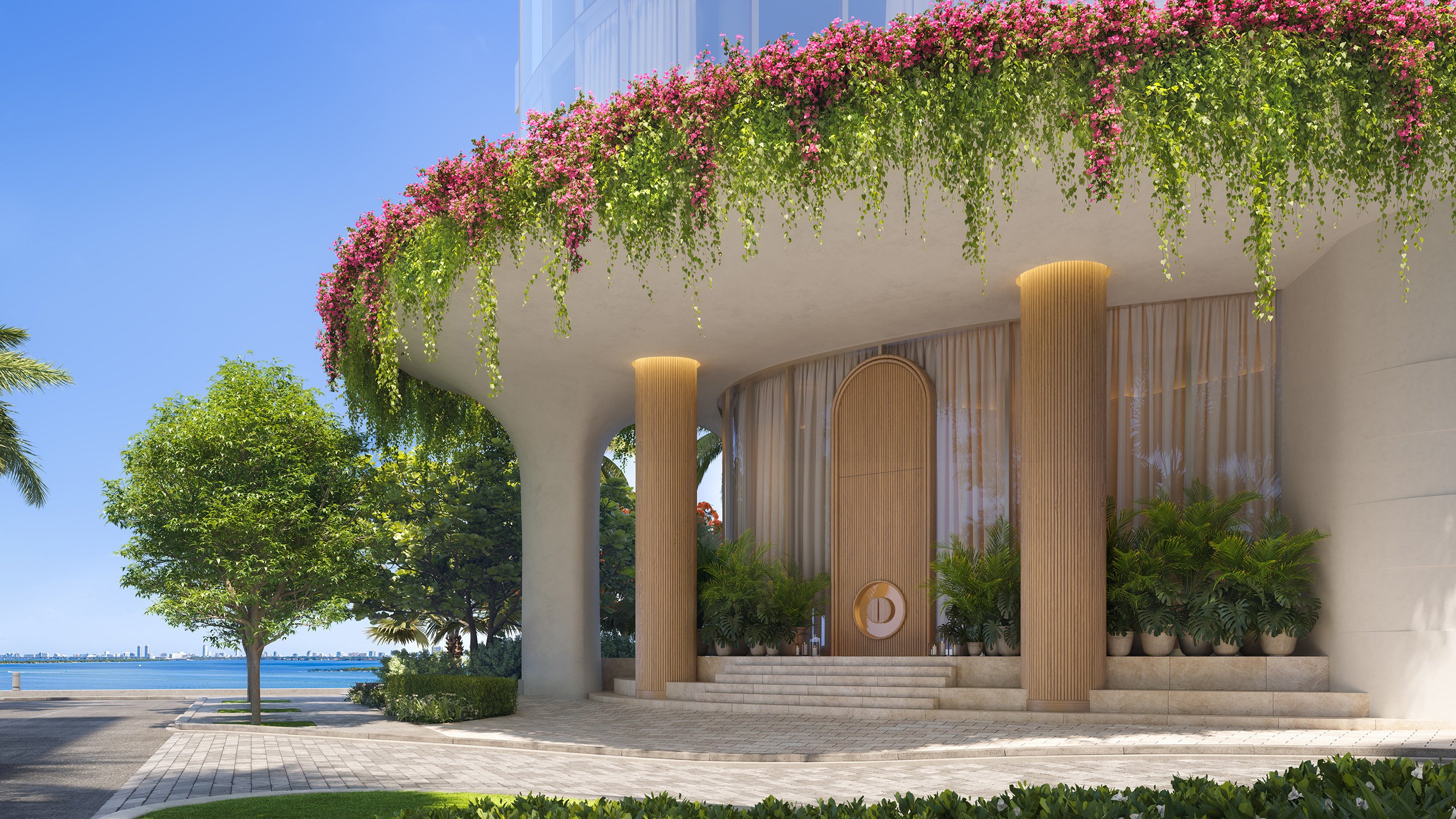
The first impression of a branded residence is rarely accidental. The arrival sequence, scent, lighting, scale model, stone samples, and hospitality language are designed to build confidence before a buyer has studied the building. That is not a flaw; it is part of the luxury experience. But for a purchaser comparing St. Regis® Residences Bahia Mar Fort Lauderdale with EDITION Edgewater, the more durable question sits behind the sales gallery: how will the building perform, how will its exterior be maintained, and how transparent is the long-term funding plan?
That question is especially relevant in South Florida, where waterfront living carries both pleasure and responsibility. Views, terraces, glass, marina energy, and urban proximity all have value. So do waterproofing discipline, façade access, mechanical durability, and board-level reserve planning. A great residence should feel effortless. It rarely remains effortless unless the underlying systems are legible from the start.
For buyers weighing Fort Lauderdale against Edgewater, and new construction against pre-construction, the comparison is not simply coastal glamour versus city-bay energy. It is a study in how each ownership proposition intends to age.
Luxury buyers often begin with what they can touch: flooring, cabinetry, appliance packages, ceiling heights, bathroom stone, and terrace depth. Those details matter, but they are not the full measure of construction quality. The deeper indicators are usually found in the less romantic materials: waterproofing assemblies, glazing specifications, acoustic separation, elevator redundancy, mechanical ventilation, drainage strategy, and the quality-control process during construction.
A refined buyer should ask how the building envelope is being detailed, how penetrations are protected, how terraces drain, and how interior comfort is managed when sun exposure is intense. In a waterfront market, glass is not merely an aesthetic surface. It is a performance system that must balance view, heat, wind, water, and maintenance access.
For St. Regis® Residences Bahia Mar Fort Lauderdale, the buyer lens naturally includes the relationship between resort-style waterfront living and long-term exterior exposure. For EDITION Edgewater, the lens shifts toward an urban waterfront context, where skyline presence and bay orientation may carry a different maintenance rhythm. Neither setting is automatically superior. Each requires a precise reading of what is being built and how ownership will support it over time.
In South Florida, the façade is not background architecture. It is the building’s public face and one of its most important operating systems. Salt air, sun, wind-driven rain, and humidity can all affect exterior components. Even a beautifully detailed tower requires inspection, cleaning, sealant attention, hardware review, and access planning.
The key buyer question is not whether a façade will need maintenance. It will. The better question is whether that maintenance has been anticipated with elegance and practicality. How will crews access the exterior? Are maintenance systems integrated or improvised? Are replacement cycles discussed in the governing materials? Does the association budget assume a level of care consistent with the architecture being sold?
This is where a sales gallery can be least informative. Renderings show the building at its most pristine moment. Ownership documents reveal whether that moment is supported by operational thinking. A glass-forward residence may be magnificent, but it asks for disciplined stewardship. A buyer should want clarity on who pays, when work is expected, and how disruptions are managed.
Replacement reserves are not the most glamorous part of a purchase conversation, but they are one of the most revealing. A reserve plan indicates whether future ownership costs are being approached with maturity. It can also show whether major components are being treated as eventual obligations rather than distant surprises.
For ultra-luxury buyers, the point is not to avoid carrying costs. The point is to understand them. A building with amenities, staff, exterior complexity, water exposure, and branded service expectations must fund more than daily operations. It must preserve the standard it promises.
Reserve visibility should include the major categories that shape future life in the building: roof and waterproofing systems, façade components, elevators, mechanical equipment, pool and amenity infrastructure, garage systems, life-safety systems, and common-area finishes. The exact documents available will vary by stage, but the buyer’s posture should not. Ask early, ask directly, and compare the tone of the answers.
If one offering provides clearer reserve assumptions, more detailed lifecycle planning, or better explanations of anticipated maintenance, that clarity has value. It may not photograph well, but it can materially affect the ownership experience.
Both names in this comparison carry strong lifestyle associations. That can be meaningful. Branding can influence service culture, amenity programming, design discipline, and buyer confidence. Yet branding should not become a substitute for technical diligence.
A private residence is not only a hospitality experience. It is a vertical community with shared systems, shared exposures, and shared financial obligations. The most sophisticated buyers separate the emotional power of the brand from the operational reality of the condominium. They can appreciate a name, a lobby, and a service promise while still requesting the construction and budget materials that determine how the building will be cared for after closing.
The strongest purchase decision is not anti-brand. It is brand-aware and document-led.
A practical comparison should apply the same questions to both projects. Begin with the exterior envelope: glazing, waterproofing, terrace details, railings, sealants, roof systems, and access for maintenance. Then review the mechanical and vertical systems: elevators, air handling, ventilation, backup planning, and service circulation. Finally, study the financial architecture: operating budget, reserve categories, anticipated replacement cycles, insurance assumptions, and the process for future capital decisions.
Location should also be assessed as an operating condition, not only as a lifestyle choice. A Fort Lauderdale waterfront setting and an Edgewater bayfront or urban-waterfront setting may appeal to different rhythms of living. One buyer may prioritize boating culture and a more resort-inflected coastal identity. Another may prefer proximity to Miami’s cultural, dining, and design orbit. Those preferences are personal. Maintenance exposure, access, and reserve clarity are not merely personal; they are structural.
A buyer who loves St. Regis® Residences Bahia Mar Fort Lauderdale should still pressure-test the building’s practical stewardship. A buyer drawn to EDITION Edgewater should do the same. The best outcome is not choosing the prettier presentation. It is choosing the residence whose beauty is most likely to be preserved with discipline.
Before comparing finish palettes, ask for the documents that define durability. Before weighing amenity imagery, ask how amenities will be maintained and funded. Before assuming a brand ensures consistency, ask how the association will translate that promise into budgets, staffing, inspections, and replacements.
The most revealing questions are often simple. What exterior systems are most expensive to maintain? What is the façade access strategy? What reserve assumptions exist for major components? How are warranties organized? What happens if an exterior system requires work earlier than expected? How will the board receive technical guidance after turnover?
In the luxury tier, discretion is not silence. It is the ability to ask difficult questions without drama. The buyer who does that before signing is less likely to be surprised later.
Which project has better construction quality? Without project-specific construction disclosures, the safer answer is to compare documents, specifications, warranties, and inspection protocols rather than rely on branding alone.
Why does façade maintenance matter so much in South Florida? Waterfront towers face sun, humidity, wind, and salt air, making exterior access, cleaning, sealants, and inspections central to long-term ownership quality.
Should a branded residence have higher reserves? Not automatically, but a luxury building should show a thoughtful reserve structure that reflects its systems, amenities, service level, and exterior complexity.
Is EDITION Edgewater mainly an urban lifestyle decision? It may appeal to buyers seeking an Edgewater setting, but the purchase should still be tested through construction, maintenance, and budget visibility.
Is St. Regis® Residences Bahia Mar Fort Lauderdale mainly a waterfront lifestyle decision? It may attract buyers focused on Fort Lauderdale waterfront living, yet its long-term value should also be judged by building stewardship.
What documents should buyers request early? Buyers should review offering materials, budgets, reserve information, specifications, warranty language, and any available maintenance planning details.
Can a sales gallery answer technical questions? It can start the conversation, but serious buyers should seek written materials and professional review before treating verbal assurances as sufficient.
Are reserves only relevant after closing? No. Reserve visibility before purchase helps buyers understand future ownership costs and the seriousness of long-term planning.
What is the biggest mistake in comparing luxury pre-construction residences? The common mistake is letting finishes, views, and brand language outweigh the documents that govern building performance and future costs.
How should a buyer make the final decision? Choose the residence that best combines lifestyle fit, technical clarity, maintenance planning, and financial transparency.
For a confidential assessment and a building-by-building shortlist, connect with MILLION.
If branded residences are on your mind — as a home or as an allocation — we would be glad to share what we are seeing, privately.
Begin a quiet conversation