A discreet due diligence guide for evaluating storm preparation services, building operations, waterfront readiness, marina protocols, and post-storm recovery before buying luxury real estate in Las Olas.
In Las Olas, the most elegant residence is not simply the one with the best view, the longest waterline, or the most cinematic arrival. It is the one that can be operated with composure when South Florida weather turns serious. For a luxury buyer, storm preparation services deserve the same discipline applied to architecture, privacy, parking, wellness amenities, and boating access.
The question is not whether a property has a storm plan. Most sophisticated residences will present some version of readiness. The real question is whether that plan is specific, staffed, practiced, documented, and suited to the way you intend to live. A seasonal owner, a full-time resident, a yacht owner, and a family with domestic staff may each require a different layer of preparation.
For buyers comparing Las Olas with other Fort Lauderdale options, the service model can be as important as the structure itself. A residence near Riva Residenze Fort Lauderdale may prompt one set of waterfront questions, while a buyer looking closer to Fort Lauderdale Beach should probe vertical operations, shared amenities, and guest management with equal care.
Begin with accountability. Ask, in plain terms, who prepares the property when a storm watch is issued. Is it the owner, association, property manager, building engineer, estate manager, concierge team, marina staff, outside contractor, or a combination of those parties? Elegant language in a brochure is not enough. You want names, roles, escalation steps, and a clear chain of command.
For condominium buyers, ask whether preparation services are included, optional, or handled unit by unit. Do terrace furniture, outdoor kitchens, planters, art, shutters, balcony screens, and private storage items fall under building responsibility or owner responsibility? If the answer depends on the level of service purchased, request the menu of services before contract deadlines pass.
For single-family buyers, ask whether the seller has an established storm vendor network. If so, determine whether those relationships are transferable. The best homes often rely on trusted local technicians who understand the property, its systems, its dock, and its access points. That knowledge can be difficult to replace quickly.
In luxury condominiums, preparation is choreography. Elevators, generators, access control, garage systems, pool decks, landscape areas, package rooms, lobby glazing, service entrances, and mechanical spaces all become part of the plan. Ask the property manager to explain the order of operations: what happens first, what gets locked down, what remains accessible, and when residents are notified.
A buyer considering Sixth & Rio Fort Lauderdale, for example, should think beyond the residence itself and ask how shared amenities, arrival areas, and building communications are managed under storm conditions. The same discipline applies across new-construction and resale buildings: operations matter as much as finishes.
Ask how residents receive updates. Is communication handled by email, text, portal, phone tree, concierge calls, or all of the above? Who communicates with absent owners? What documentation is sent before and after a storm? A polished property should be able to demonstrate an organized, repeatable communication pattern without improvisation.
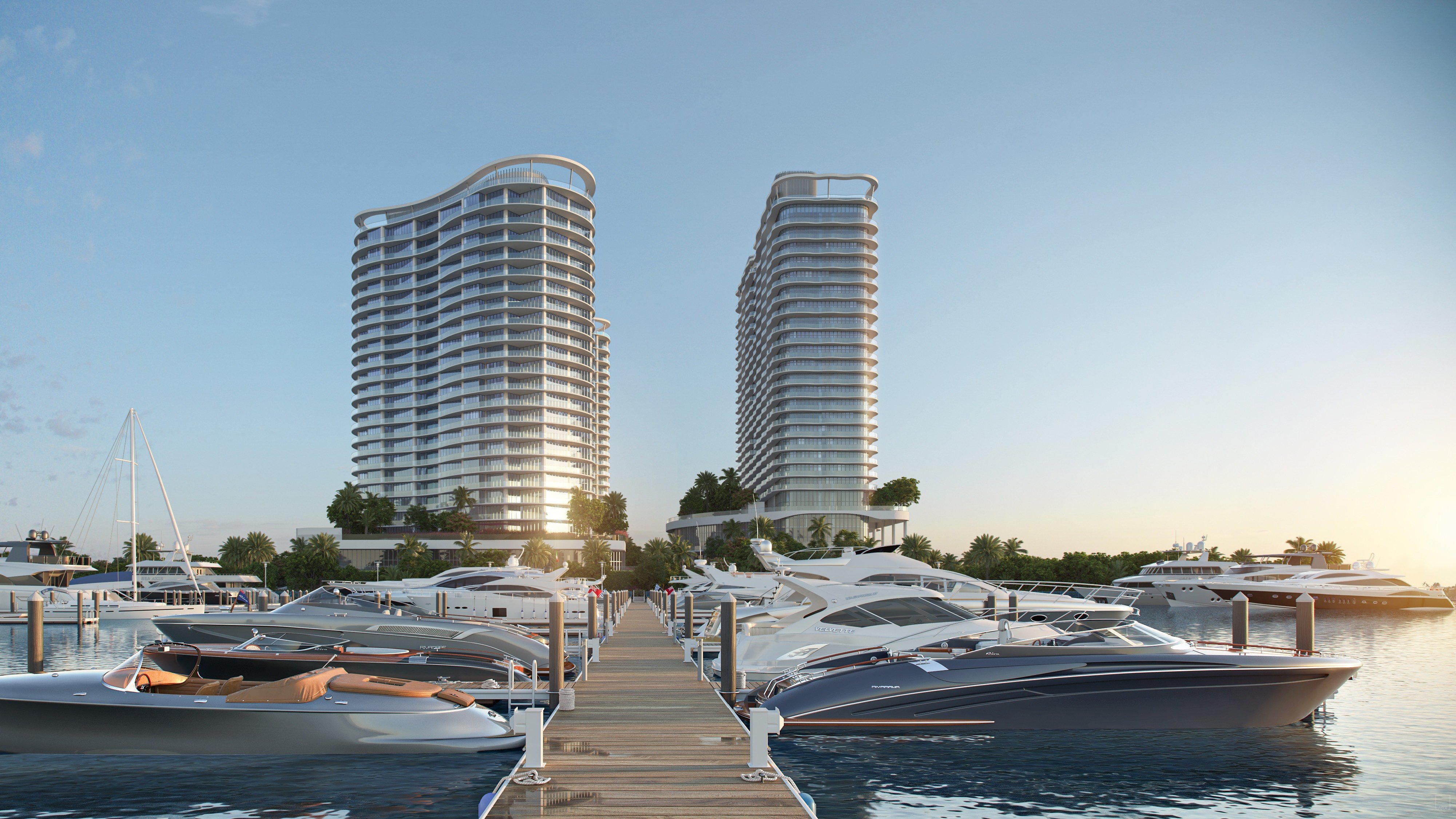
Waterfront ownership brings extraordinary lifestyle value, but it also requires precise storm planning. If a property includes a dock, lift, seawall, private slip, or nearby Marina use, ask how vessels are secured, who is authorized to move them, and what happens if the owner is out of town. Clarify whether marine preparation is part of the property service package or handled separately.
Ask about dock hardware, utility shutoffs, lift procedures, loose equipment, tender storage, floating items, and vendor access. If there is a captain, estate manager, or dockmaster involved, understand how that person coordinates with the residence or association. The goal is to avoid gaps between household preparation and vessel preparation.
For buyers evaluating branded or resort-adjacent living, such as St. Regis® Residences Bahia Mar Fort Lauderdale, the Waterfront conversation should include how residential services, guest protocols, parking, and marine-adjacent operations align when weather procedures begin. Luxury is not the absence of complexity. It is the quiet management of it.
Before buying, ask for the paperwork that supports the service claims. You are not seeking drama. You are seeking evidence. Request sample storm notices, preparation checklists, vendor scopes, service agreements, owner responsibility matrices, and any available post-storm inspection templates. A well-run property should be comfortable discussing process.
For a condominium or managed residence, ask what is inspected after the storm and who determines when amenities, garages, elevators, pool areas, and service corridors reopen. For a private home, ask how the roof, openings, landscape, dock, drainage, generator, and security systems are checked. The most valuable service is often not the visible preparation before the event, but the disciplined assessment afterward.
Also ask how photographs or videos are used to document pre-storm condition. This can be especially useful for outdoor furnishings, artwork, specialty lighting, landscape design, and vessel-related equipment. Documentation should be calm, consistent, and stored where the owner or representative can access it.
Many Las Olas buyers divide time among several residences. That makes absent-owner readiness essential. Ask a simple question: if you are overseas, unreachable for several hours, and a named storm is approaching, what happens automatically?
The answer should cover authorization, keys, alarm codes, pets if applicable, vehicles, terrace contents, vendor entry, marine decisions, communications, and post-storm reporting. If every step requires fresh approval, the plan may be too fragile for a second-home lifestyle.
This is where high-touch buildings and professionally managed homes can distinguish themselves. Near the beach, buyers considering Four Seasons Hotel & Private Residences Fort Lauderdale may naturally focus on service culture, but due diligence should still ask how that culture performs when operations are constrained. Discretion is valuable. Prepared discretion is better.
A serious buyer should ask whether storm preparation services are included in dues, paid separately, or arranged through preferred vendors. Ask how early the preparation window begins, how staffing is prioritized, and whether there are service limitations for late requests. If you plan to close near storm season, ask whether onboarding includes a readiness walk-through.
For Estates & Single-Family properties, request a room-by-room and exterior-zone plan. For condominiums, request the building policy for balconies, terraces, private storage, valet areas, EV charging areas, guest parking, and delivery suspension. For both, ask what the owner must do personally and what can be delegated.
The finest question is often the quietest one: “Show me exactly what would happen if I were not here.” The answer will reveal whether the property is merely beautiful, or genuinely livable at the highest level.
Should storm preparation services affect my offer strategy? Yes. If services are limited, unclear, or unusually owner-dependent, that should inform your negotiations, contingency review, or post-closing budget.
Is a newer building automatically better prepared? Not automatically. Newer systems may be appealing, but service protocols, staffing, communication, and maintenance history still deserve careful review.
What should I ask a condo association first? Ask which responsibilities belong to the association and which remain with the unit owner, especially for terraces, storage, vehicles, and private improvements.
Are storm shutters enough for a luxury home? No. Shutters or impact systems are only one part of readiness; access, vendors, drainage, generators, docks, and documentation also matter.
How should absent owners plan for storms? Create written authorization for a trusted manager or vendor to prepare the residence, communicate updates, and document conditions before and after a storm.
What matters most for a waterfront purchase? Clarify dock, vessel, lift, utility, seawall, and marine vendor procedures before closing, not after the first serious weather alert.
Should I review vendor contracts before buying? Yes. Vendor scopes can reveal whether preparation is comprehensive, limited to basic tasks, or dependent on availability during peak demand.
Can storm preparation be added after closing? Often, but the best service relationships and property-specific knowledge take time to build, so early planning is preferable.
What should I ask about post-storm recovery? Ask who inspects the property, how quickly reports are issued, what photographs are provided, and how repairs or cleanup are prioritized.
Is Las Olas different from other luxury markets? Its blend of waterfront living, boating culture, and urban convenience makes operational readiness especially important for discerning buyers.
For a confidential assessment and a building-by-building shortlist, connect with MILLION.
If branded residences are on your mind — as a home or as an allocation — we would be glad to share what we are seeing, privately.
Begin a quiet conversation