A buyer-focused comparison of Shore Club Private Collections Miami Beach and Fendi Château Residences Surfside, centered on lifecycle risk, privacy, service culture, governance, and long-term capital preservation.
The most sophisticated South Florida buyers are rarely asking which residence is louder, newer, or more recognizable. They are asking a more disciplined question: which building will perform better over time for the way they actually live?
That is the useful lens for comparing Shore Club Private Collections Miami Beach and Fendi Château Residences Surfside. One name draws attention in Miami Beach, the other in Surfside, but the meaningful diligence is less about name recognition and more about how each ownership experience may feel in daily life.
This is not a contest of glamour. It is a study in lifecycle, privacy, governance, concierge depth, and the subtle social architecture of a building. At this tier, the asset is not only the view, the finishes, or the name on the door. It is the daily choreography of arrival, staffing, guest flow, resident expectations, and how calmly the property operates over time.
A buyer evaluating Shore Club Private Collections Miami Beach should focus on how the ownership experience is expected to mature. The diligence burden is not limited to the residence itself; it extends to operating culture, service boundaries, association priorities, resident behavior, and the way private life is protected as the building’s identity takes shape.
For some buyers, that sense of creation is part of the appeal. They want to participate in a highly curated environment and are comfortable underwriting the evolution of the building’s routines. For others, the unknowns around resident mix, staffing cadence, and service delivery may be precisely the variables they prefer to avoid.
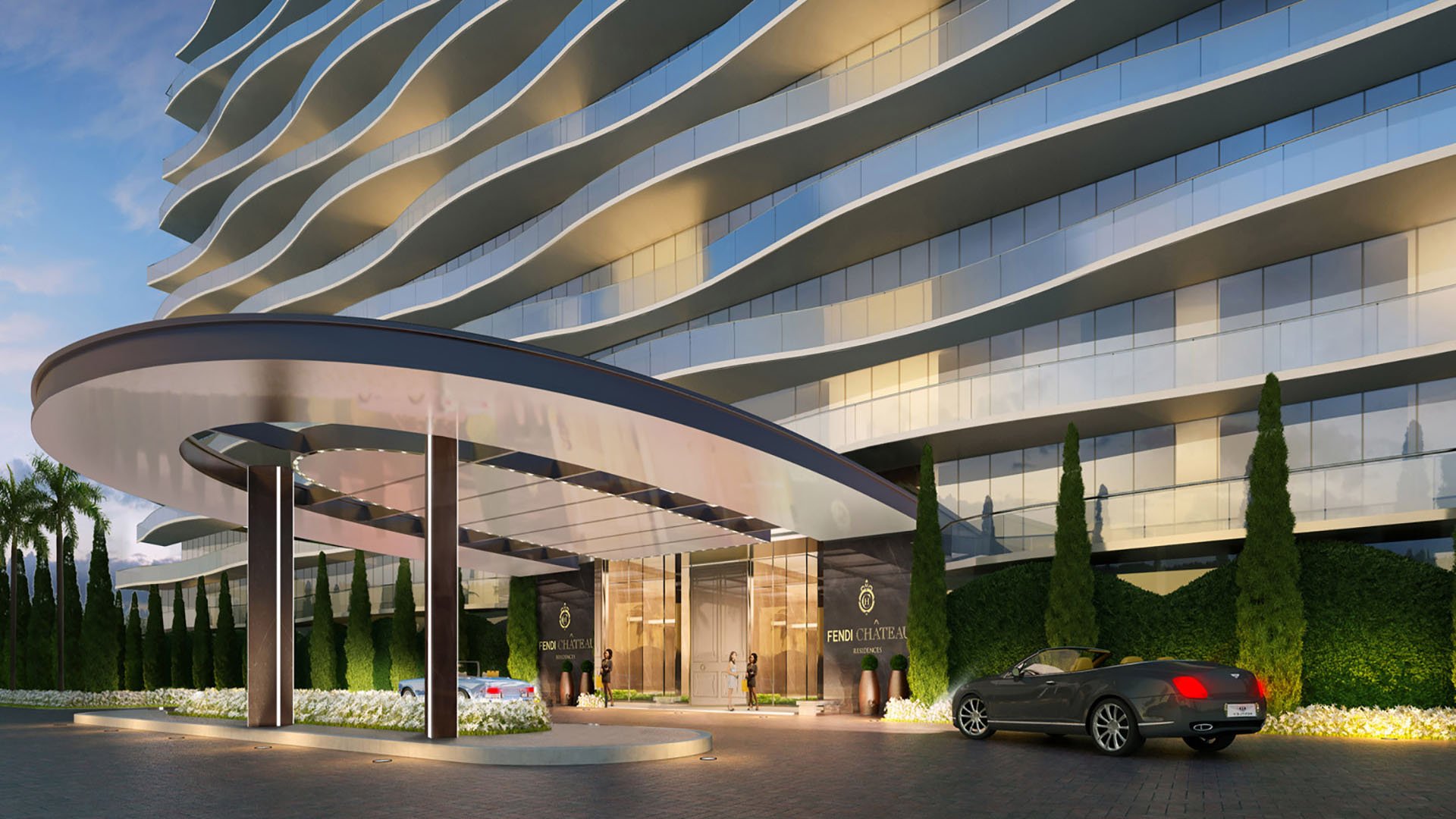
A buyer evaluating Fendi Château Residences Surfside should apply a different but equally rigorous lens. The question is how the building’s present-day rhythm, privacy, arrival experience, and owner culture align with the buyer’s expectations. Rather than rely on assumptions, the buyer should test the experience directly through visits, document review, and careful observation.
In ultra-prime buildings, concierge depth is not measured by a checklist. It is measured by memory, discretion, consistency, and judgment. The decisive question is not whether service exists, but what kind of service culture sustains it.
For Shore Club, buyers should examine how residential service is prioritized, how staff are trained to distinguish resident needs from guest-facing energy, and how peak periods may affect arrival, amenities, and privacy. A polished service promise matters only if it remains reliable after the first impression fades.
For Fendi Château, buyers should study the daily cadence of service. Does the building feel calm at different hours? Do staffing routines appear consistent? Are resident interactions handled with discretion? These are practical questions, not cosmetic ones, and they often reveal more than marketing language.
Privacy is the scarce luxury in Miami Beach and Surfside. It is not simply a matter of elevator access or security protocol. It is created by density, circulation, guest policies, staffing habits, and the social expectations of the building.
For Shore Club buyers, privacy diligence should focus on the interface between private residential life and any broader hospitality energy surrounding the property. The question is not whether that energy is good or bad. The question is whether the buyer wants to live near it, benefit from it, and accept the operational complexity that may accompany it.
For Fendi Château buyers, privacy diligence is more about confirming the day-to-day residential culture. A buyer can test that feeling by visiting at different times, observing arrival sequences, reviewing guest policies, and understanding how resident use patterns shape the property.
At this price level, governance can be as important as design. A beautiful building with unclear operating priorities can become frustrating. A quieter building with disciplined governance can preserve both lifestyle and value.
Shore Club buyers should pay close attention to how shared operations are structured, how costs may be allocated, and how residential priorities are protected. The diligence conversation should be forward-looking and specific: what happens during seasonal peaks, how service standards are maintained, and how owner expectations are managed.
Fendi Château buyers should focus on the documents and routines that reveal how the building functions. Association materials, staffing patterns, maintenance culture, and resident expectations can all influence the ownership experience. Resale visibility may help frame capital preservation, but it should never be reduced to a single comparable sale or headline number.
Investment thinking in this comparison should avoid a simplistic new-versus-established framework. The sharper distinction is between appetite for formation risk and preference for visible operating evidence.
Shore Club may appeal to a buyer who wants a Miami Beach setting with a highly curated identity and is comfortable evaluating how the service platform, resident culture, and building rhythm may evolve. That buyer should be deliberate about the assumptions being underwritten.
Fendi Château may appeal to a buyer who prioritizes observable residential calm, privacy cues, and the ability to evaluate how a building actually feels. That buyer should still perform careful diligence, because even a serene first impression must be tested against documents, policies, and long-term ownership priorities.
Neither posture is inherently superior. The right answer depends on the buyer’s tolerance for uncertainty, desire for hospitality adjacency, need for privacy, and preference for either a newly composed identity or a more observable one.
The most revealing exercise is to imagine each property years from now. At Shore Club, the key question is whether the promise of fresh curation becomes a durable private-residential culture or whether operational complexity requires constant attention. At Fendi Château, the question is whether the existing residential feel continues to align with the buyer’s expectations as Surfside remains a focus for discreet coastal living.
For a primary resident, the answer may depend on daily privacy and staff consistency. For a seasonal owner, it may hinge on ease of arrival and confidence that the building functions gracefully during absences. For a family office, the focus may be governance, liquidity, and long-term relevance within the ultra-prime South Florida coastal market.
The practical conclusion is clear: buyers should not choose only by façade, brand, or reputation. They should choose by matching the building’s operating culture to the way they intend to live.
Is this comparison about which building is more luxurious? No. The sharper question is which ownership profile better fits the buyer’s lifestyle, privacy expectations, and holding period.
What should a buyer study first? Start with governance documents, operating structure, service routines, privacy controls, and how residents and guests move through the property.
Why does building culture matter in Miami Beach and Surfside? Building culture shapes the daily experience, including arrival, staff discretion, guest flow, noise, privacy, and owner expectations.
How should concierge depth be evaluated? Buyers should look beyond amenity lists and test consistency, discretion, staff judgment, responsiveness, and how service performs during busy periods.
What is formation risk? Formation risk is the uncertainty that comes with an ownership environment whose service culture, resident mix, and operating routines are still evolving.
Why might an observable building rhythm matter? It lets a buyer evaluate how the property actually feels rather than relying only on projected service language or a first impression.
Does hospitality energy automatically reduce privacy? Not automatically, but it can create a guest-resident interface that should be reviewed carefully before purchase.
What should capital-preservation buyers emphasize? They should focus on governance, service consistency, resident mix, privacy, maintenance culture, and how the building may operate over time.
How should seasonal owners approach the comparison? They should prioritize ease of arrival, confidence during absences, staff reliability, and whether the building feels calm during peak South Florida periods.
What is the best way to shortlist comparable options for touring? Start with location fit, delivery status, and daily lifestyle priorities, then compare stacks and elevations to validate views and privacy.
For a confidential assessment and a building-by-building shortlist, connect with MILLION.
If branded residences are on your mind — as a home or as an allocation — we would be glad to share what we are seeing, privately.
Begin a quiet conversation