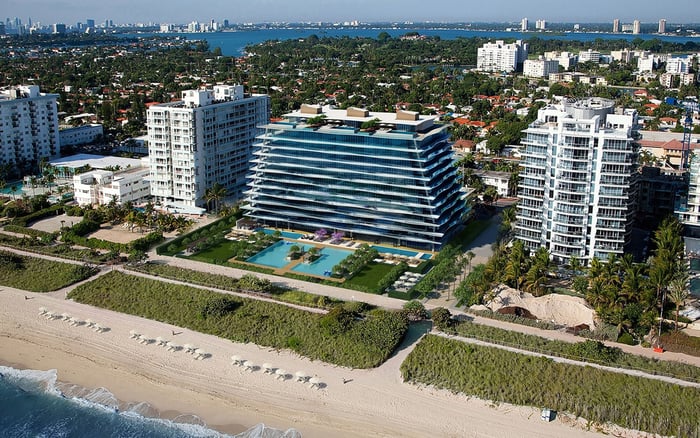
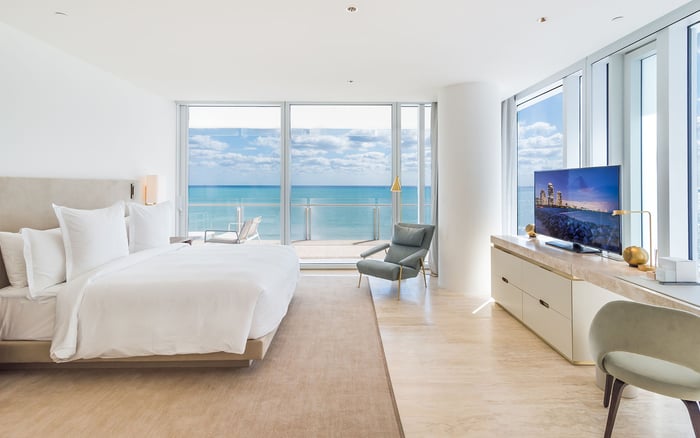
A discreet buyer checklist for reviewing condominium documents, budgets, reserves, insurance, brand obligations, rules, litigation, and lifestyle controls before purchasing at Fendi Château Residences Surfside.
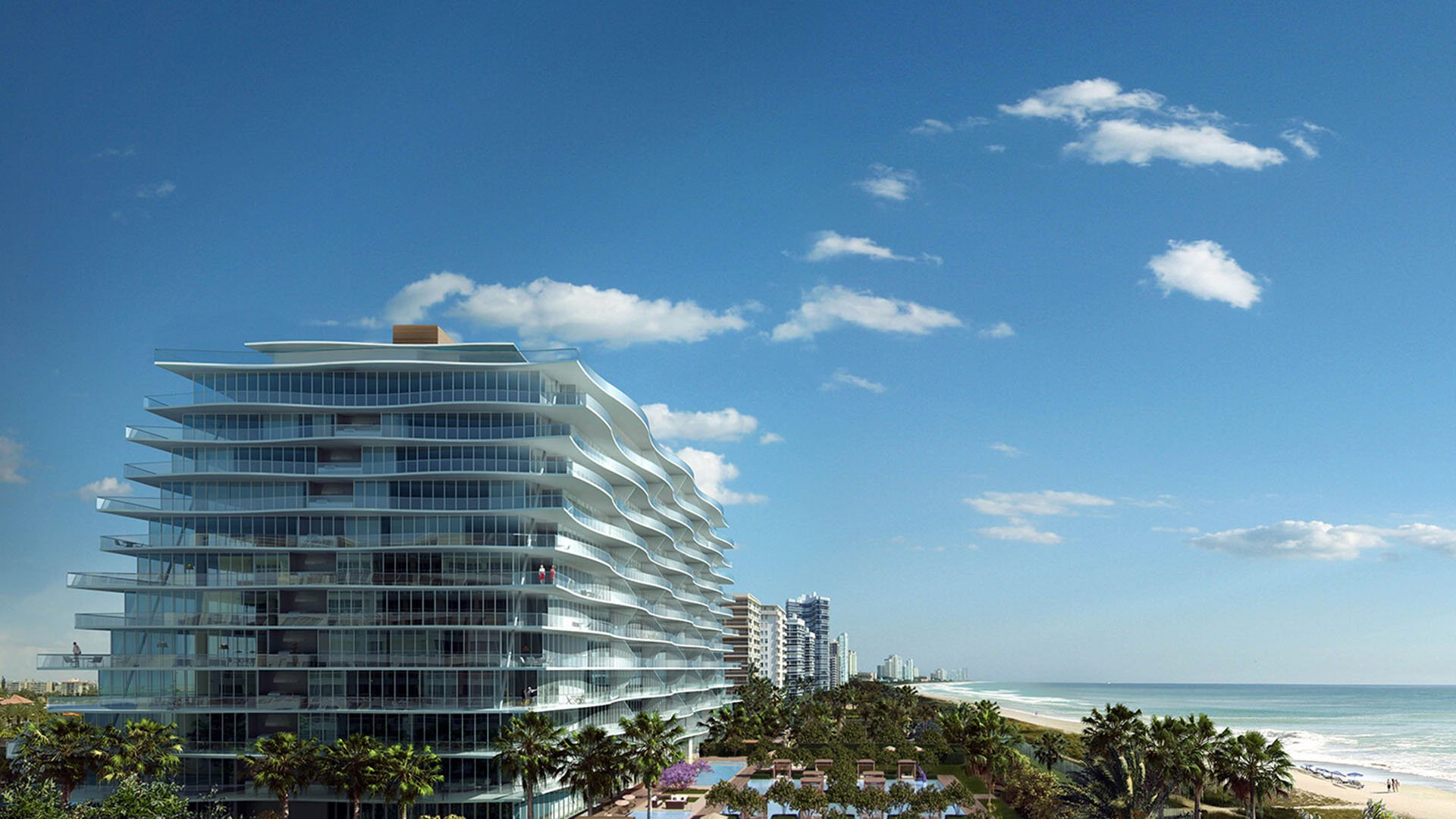
Buying at Fendi Château Residences Surfside is not merely a choice of a private residence by the beach. It is also an entry into a condominium association, with shared obligations, shared standards, and shared long-term costs. For a luxury buyer, the documents matter because they define the experience after closing: how the building is governed, how expenses are allocated, how amenities are maintained, and how much discretion an owner retains inside the residence.
That lens is especially important in Surfside, where oceanfront living, beach-access expectations, staffing, security, and hospitality-style services can all influence monthly assessments. A beautiful lobby and a serene arrival sequence are immediately visible. The financial and legal architecture behind them requires a more deliberate read.
This is a checklist, not legal advice. Before a buyer's review period expires, a Florida condominium attorney should explain the declaration, bylaws, rules, service contracts, developer-retained rights, easements, exclusive-use areas, and amendment provisions.
The first request should be comprehensive. Ask for the declaration of condominium, bylaws, rules and regulations, current operating budget, reserve schedule, insurance summaries, engineering reports, board and owner meeting minutes, and litigation disclosures. A partial package can leave the buyer with a polished impression and an incomplete view of association risk.
The declaration is the foundation. It explains what is individually owned, what is common, what may be exclusive-use, and how common expenses are divided among units, amenities, and any non-residential or retained project components. In a luxury building, even small allocation details can matter because service levels are often more elaborate than in conventional condominiums.
Buyers comparing Surfside residences, including Arte Surfside or The Delmore Surfside, should keep the same discipline. The design language may differ, but the central question is consistent: what does the association require owners to fund, follow, and accept over time?
At a branded residence, the name on the building is part of the appeal. It may also be part of the financial structure. Ask whether any Fendi brand, design, licensing, service-standard, or management obligations create long-term association costs. The goal is not to diminish the value of a curated identity. It is to understand whether that identity carries recurring obligations that owners cannot easily change.
A prudent buyer should ask whether branded-service agreements can be modified, terminated, or renegotiated if they become too expensive. If the documents require particular standards for staffing, materials, uniforms, vendor selection, design approvals, or amenity operations, those standards may influence future budgets.
This question is especially relevant for a resale buyer entering after the original purchase cycle. The brand experience may already be established, but the buyer still needs to know who controls it, who pays for it, and what flexibility exists if costs rise.
The operating budget should be reviewed line by line. In an ultra-luxury oceanfront condominium, monthly assessments can reflect staffing, security, concierge functions, beach services, pool operations, hospitality-style amenities, insurance, maintenance, utilities, management, and vendor contracts. The budget is not simply an accounting schedule. It is the financial expression of the building's lifestyle promise.
Ask which services are essential, which are discretionary, and which are contractually required. Ask whether staffing assumptions are stable, whether beach or pool services are separately budgeted, and whether any amenity costs are shared with retained components or allocated in a way that deserves closer explanation.
The same principle applies across South Florida's most considered buildings. A buyer evaluating Eighty Seven Park Surfside or Ocean House Surfside should not look only at finishes and views. The operating budget tells the story of how the property is intended to live every day.
Oceanfront construction faces a demanding environment. Salt air, moisture, wind exposure, waterproofing, façade systems, pool decks, garages, elevators, mechanical systems, roof components, balconies, and structural elements all require serious reserve planning. Ask for the reserve schedule and look closely at what is included, what assumptions are used, and whether any categories appear underfunded or deferred.
A newer or recently maintained building should not be exempt from review. Ask for engineering, waterproofing, façade, garage, balcony, pool-deck, and structural-condition reports. These documents may show ordinary maintenance, emerging repair patterns, warranty matters, or issues that deserve specialist review before closing.
Then connect the reserve schedule to the meeting minutes. If owners or board members are repeatedly discussing the same repair categories, vendor concerns, insurance challenges, or assessment possibilities, the minutes may reveal what the budget alone does not.
Special assessments should be addressed plainly. Ask whether any have been levied, whether any are being discussed, and whether any appear likely based on reserve-study gaps, engineering observations, insurance deductibles, or recurring repair needs. A seller disclosure may not tell the whole story if a future assessment remains informal, preliminary, or under discussion.
This is where meeting minutes become especially valuable. Look for conversations about major repairs, waterproofing, garage conditions, façade work, pool-deck issues, elevators, mechanical systems, litigation, vendor disputes, and insurance costs. In a high-service building, even operational changes can quickly become financial conversations.
Insurance summaries deserve focused attention for any oceanfront condominium in Surfside. Ask about windstorm, flood, property, liability, deductible, and coverage-limit exposure. The key issue is not merely whether coverage exists. It is how deductibles and uncovered costs would be handled after a major claim.
Ask how deductibles would be allocated among owners and whether a large claim could lead to significant individual assessments. Also ask whether the association's policies interact with owner responsibilities for interior coverage, improvements, personal property, and loss assessment exposure. Your insurance advisor and Florida condominium attorney should review these questions together, because the practical cost of a claim may depend on both the policy and the condominium documents.
Rules and regulations determine whether the residence fits the way you intend to live. Ask about rental rules, guest policies, pet restrictions, renovation limits, move-in procedures, elevator reservations, pool use, beach services, and amenity conduct. A quiet, private building can be ideal for one owner and overly restrictive for another.
Architectural-control provisions deserve particular care. Ask whether rules limit interior alterations, terrace use, window treatments, flooring, smart-home systems, visible design changes, lighting, art installation, or other modifications. In a branded or highly designed environment, visual consistency may be protected more actively than in a conventional condominium.
The best outcome is alignment. The documents should support your desired rhythm, whether the residence is a primary home, seasonal retreat, or part of a longer-term family plan.
Before closing, confirm whether the association or developer has any pending or threatened litigation, warranty claims, construction-defect claims, vendor disputes, or owner disputes. Not every dispute is material, but every dispute should be understood.
Also ask a Florida condominium attorney to explain developer-retained rights, easements, exclusive-use areas, service contracts, and amendment provisions. These details can affect control, costs, access, amenities, and future governance. In a refined building, the most consequential terms are often not the most visible ones.
What documents should I request before buying at Fendi Château Residences Surfside? Ask for the declaration, bylaws, rules, budget, reserves, insurance summaries, engineering reports, meeting minutes, and litigation disclosures.
Why does the declaration matter so much? It defines ownership, common elements, expense allocations, exclusive-use areas, easements, and amendment procedures that shape the owner's obligations.
Should I ask about Fendi brand obligations? Yes. Ask whether brand, design, licensing, service-standard, or management obligations create ongoing costs for the association.
Can branded-service agreements usually be changed? Do not assume they can. Ask whether they may be modified, terminated, or renegotiated if costs become burdensome for owners.
What budget items deserve extra attention? Review staffing, security, beach services, hospitality-style amenities, insurance, maintenance, utilities, and vendor contracts.
Why are reserves important in an oceanfront building? Reserves help address major items such as façade, waterproofing, pool decks, garages, elevators, mechanical systems, roofs, and structural components.
Should I review engineering reports if the building appears well maintained? Yes. Engineering, waterproofing, façade, garage, balcony, pool-deck, or structural reports may reveal issues not visible during a showing.
How should I think about insurance deductibles? Ask how deductibles would be allocated after a major claim and whether owners could face large individual assessments.
Which lifestyle rules should I check first? Check rentals, guests, pets, renovations, move-ins, elevator reservations, beach use, pool rules, and architectural-control standards.
Who should review the documents with me? A Florida condominium attorney should explain the documents before the buyer's review period expires, with input from insurance and construction specialists when appropriate.
If you'd like a private walkthrough and a curated shortlist, connect with MILLION.
If branded residences are on your mind — as a home or as an allocation — we would be glad to share what we are seeing, privately.
Begin a quiet conversation