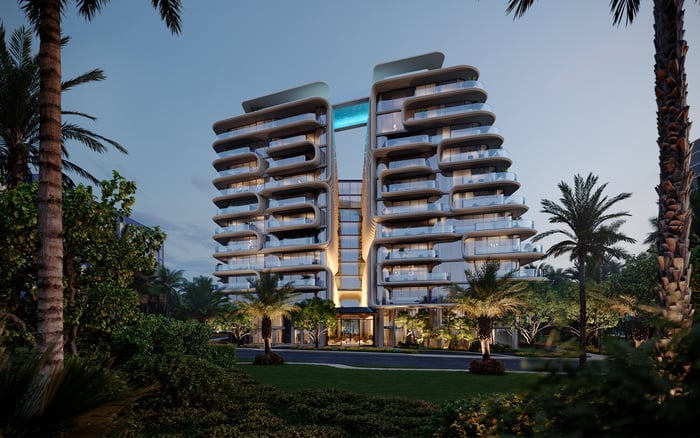
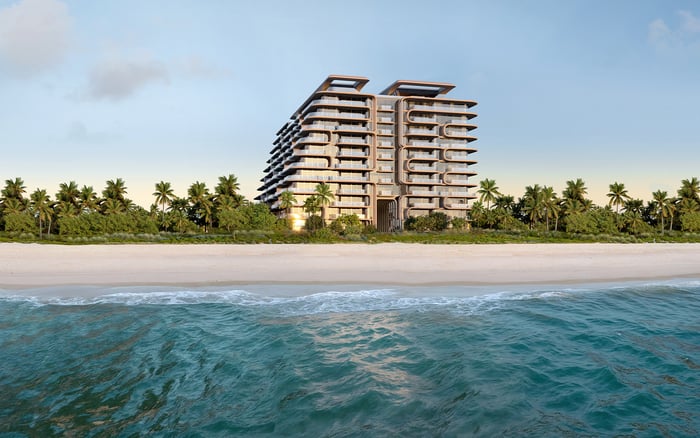
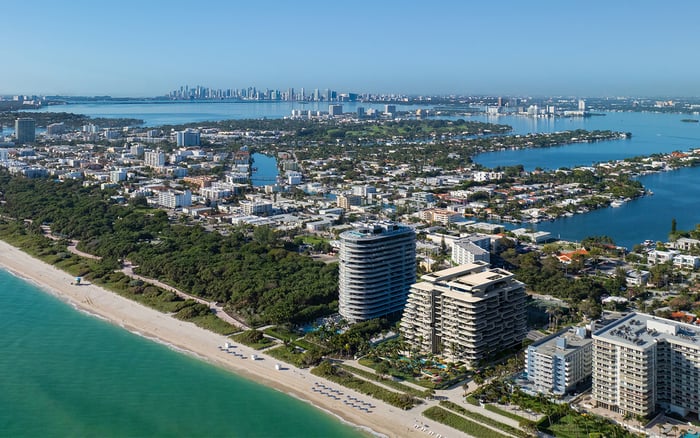
A buyer-focused guide to portfolio financing, liquidity planning, lender review, and stress testing before purchasing at Eighty Seven Park Surfside.

At 8701 Collins Avenue in Surfside/Miami Beach, Eighty Seven Park is not a purchase where financing should be treated as a back-office detail. The building’s ultra-luxury oceanfront position means the acquisition, the balance sheet, and the eventual exit should be evaluated together. A buyer may appear to be paying cash, while the actual capital structure may involve securities-backed credit, a bespoke portfolio loan, or debt secured by multiple assets.
That is why a purchase at Eighty Seven Park Surfside should begin with a more sophisticated question than rate and proceeds. The sharper question is whether the structure preserves freedom. Will you still have access to cash after closing? Can the lender change terms before your intended holding period ends? Would volatility in a pledged portfolio create pressure at precisely the wrong moment?
For high-net-worth buyers, the right answer is rarely just “borrow” or “pay cash.” It is a calibrated decision involving liquidity, control, tax planning, title structure, and risk tolerance. In Surfside, where buyers often compare rare oceanfront residences such as Arte Surfside, The Delmore Surfside, and Fendi Château Residences Surfside, the financial architecture can matter as much as the residence itself.
Portfolio financing can be elegant, but it is not automatically simple. A private bank may underwrite the borrower’s assets, investment accounts, liquidity profile, and broader relationship. For an oceanfront condominium, however, the more important question is whether the lender is also reviewing the condominium project itself.
Before you sign, ask whether underwriting includes the association, building financials, reserves, insurance, and any litigation profile. A luxury buyer should not assume that strong personal liquidity makes project review irrelevant. The lender may still evaluate the condominium association, budget, reserve funding, insurance coverage, and other building-level considerations before approving or renewing credit.
This is especially important when the purchase is structured to move quickly. A buyer who believes the loan is purely asset-based may later discover that condominium review introduces timing, documentation, or approval issues. The discreet approach is to ask early, in writing, what must be reviewed at both the borrower level and the building level.
The visible purchase price is only one part of ownership. At Eighty Seven Park, large-format residences and luxury positioning make it essential to model full carrying costs, not just mortgage payments. That includes HOA dues, insurance, taxes, reserves, and discretionary services that support the lifestyle of the property.
A buyer should ask how much liquidity must remain outside the transaction after closing. This reserve should be sufficient to cover normal carrying costs, potential assessments, insurance increases, and market volatility. The answer should be specific, not impressionistic. A private banker, real estate attorney, CPA, and condo-review lender can help define a liquidity threshold that fits the buyer’s balance sheet and holding period.
Liquidity also protects decision-making. If the market softens or the unit takes longer than expected to resell, cash gives the owner time. If insurance or association costs rise, liquidity prevents a lifestyle asset from becoming a forced financial event. In the ultra-premium segment, the best buyers are not merely approved. They are resilient.
Securities-backed lending can be attractive because it may avoid selling investments to fund a real estate purchase. It can also introduce risks that feel distant until markets move. Buyers should ask whether a decline in pledged portfolio assets could trigger margin calls, require additional collateral, or force the sale of investments.
The next question is whether the credit line is cross-collateralized. If other real estate, investment accounts, trusts, or family assets are tied to the facility, the purchase may affect a much wider financial universe than the condominium itself. Cross-collateralization can be efficient, but it can also reduce flexibility if the buyer wants to refinance, sell, restructure, or transfer ownership later.
Ask whether the lender can call, re-margin, reduce, or reprice the facility before you plan to sell or refinance. Also ask whether proceeds may be used directly for a real estate acquisition, since some portfolio-backed facilities restrict how credit can be deployed. These details should not remain in casual conversation. They should be confirmed before the contract and financing timeline become binding.
Many affluent buyers value interest-only structures because they may preserve liquidity and allow capital to remain invested elsewhere. Still, the term sheet should be read for floating-rate exposure, renewal risk, and covenants tied to portfolio concentration. A loan that looks efficient in the first year can become less comfortable if rates rise, collateral values decline, or the lender changes advance rates.
The practical question is not whether the payment is manageable today. It is whether the payment, collateral requirement, and renewal terms remain acceptable under stress. Ask for the lender’s assumptions in plain language. What happens if rates rise? What happens if the portfolio falls? What happens if the lender narrows eligible collateral or reduces the line?
This is where investment thinking differs from lifestyle enthusiasm. The residence may be emotionally compelling, but the financing should be unemotional. Buyers comparing Eighty Seven Park with other Miami Beach oceanfront addresses, including 57 Ocean Miami Beach, should evaluate the financing architecture with the same discipline they bring to design, views, and privacy.
Holding title personally, through an LLC, in trust, or through a family entity can affect lending terms, tax planning, liability protection, privacy, and resale flexibility. The right answer depends on the buyer’s broader estate plan, jurisdiction, and intended use of the property.
The important point is sequencing. Title structure should not be an afterthought once the lender has approved the facility. Some lenders may underwrite differently depending on whether the borrower is an individual, entity, trust, or family structure. For international buyers, non-U.S. income, foreign assets, and currency mismatch can also affect debt service, collateral values, and margin requirements.
Ask whether income and collateral are in the same currency as the debt. If not, model the impact of exchange-rate movement. A global buyer may have ample wealth, yet still face friction if currency volatility changes debt service or the lender’s collateral calculation.
Before moving forward, request a written stress test that shows what happens if markets fall, interest rates rise, HOA costs increase, or the unit takes longer than expected to resell. This should not be a vague sensitivity analysis. It should show practical consequences for liquidity, collateral, debt service, and exit timing.
A strong stress test should answer four buyer questions. How much cash remains after closing? What market decline would trigger additional collateral? How much could annual carrying costs rise before the plan becomes uncomfortable? How long can the owner hold the residence without selling into weakness?
For a property like Eighty Seven Park, the best financing strategy is one that lets the buyer enjoy the residence without allowing the credit structure to dictate behavior. The goal is not maximum leverage. The goal is durable ownership.
Is portfolio financing the same as a traditional mortgage? No. Portfolio financing may be tied to investment assets, broader banking relationships, or multiple forms of collateral, while a traditional mortgage is usually centered on the real estate and borrower income.
Should I ask whether the lender reviews the condominium association? Yes. For an oceanfront condominium, buyers should ask whether the review includes association budgets, reserves, insurance, building financials, and litigation profile.
Can a securities-backed loan create a margin call? It can if pledged assets decline and the lender requires more collateral or repayment. Buyers should ask for the exact trigger levels before relying on this structure.
Why does liquidity matter after closing? Liquidity helps cover HOA dues, taxes, insurance, reserves, potential assessments, and market volatility. It also gives an owner time if resale takes longer than expected.
What does cross-collateralization mean? It means other assets, such as investment accounts, trusts, family assets, or other real estate, may secure the credit facility. This can affect flexibility later.
Should loan proceeds be confirmed for purchase use? Yes. Some portfolio-backed facilities may restrict how proceeds are used, so buyers should confirm whether funds can be applied directly to the real estate acquisition.
Are interest-only terms always favorable? Not always. They may preserve cash flow, but buyers should examine floating-rate exposure, renewal risk, and covenants tied to portfolio concentration.
Does title structure affect financing? It can. Holding title personally, through an LLC, trust, or family entity may influence loan terms, liability planning, tax considerations, and resale flexibility.
What should international buyers ask first? They should ask whether currency mismatch could affect debt service, collateral value, or lender margin requirements if income and assets are outside the United States.
What is the most important document to request before signing? A written stress test is essential. It should show the impact of market declines, rate increases, HOA cost changes, and a slower-than-planned resale.
To compare the best-fit options with clarity, connect with MILLION.
If branded residences are on your mind — as a home or as an allocation — we would be glad to share what we are seeing, privately.
Begin a quiet conversation