Five Developments in Miami Beach Emphasizing Japanese Minimalist Design
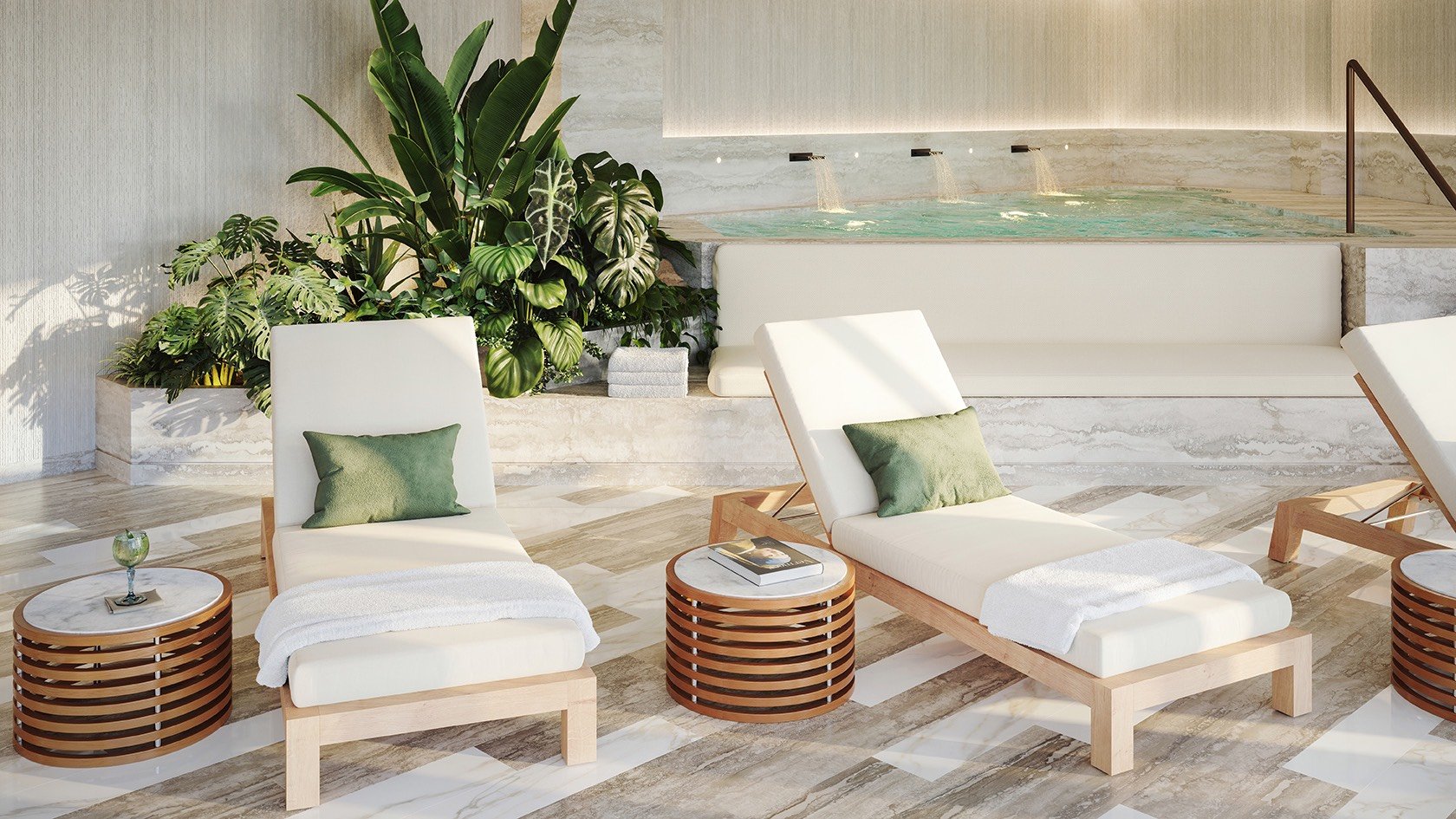
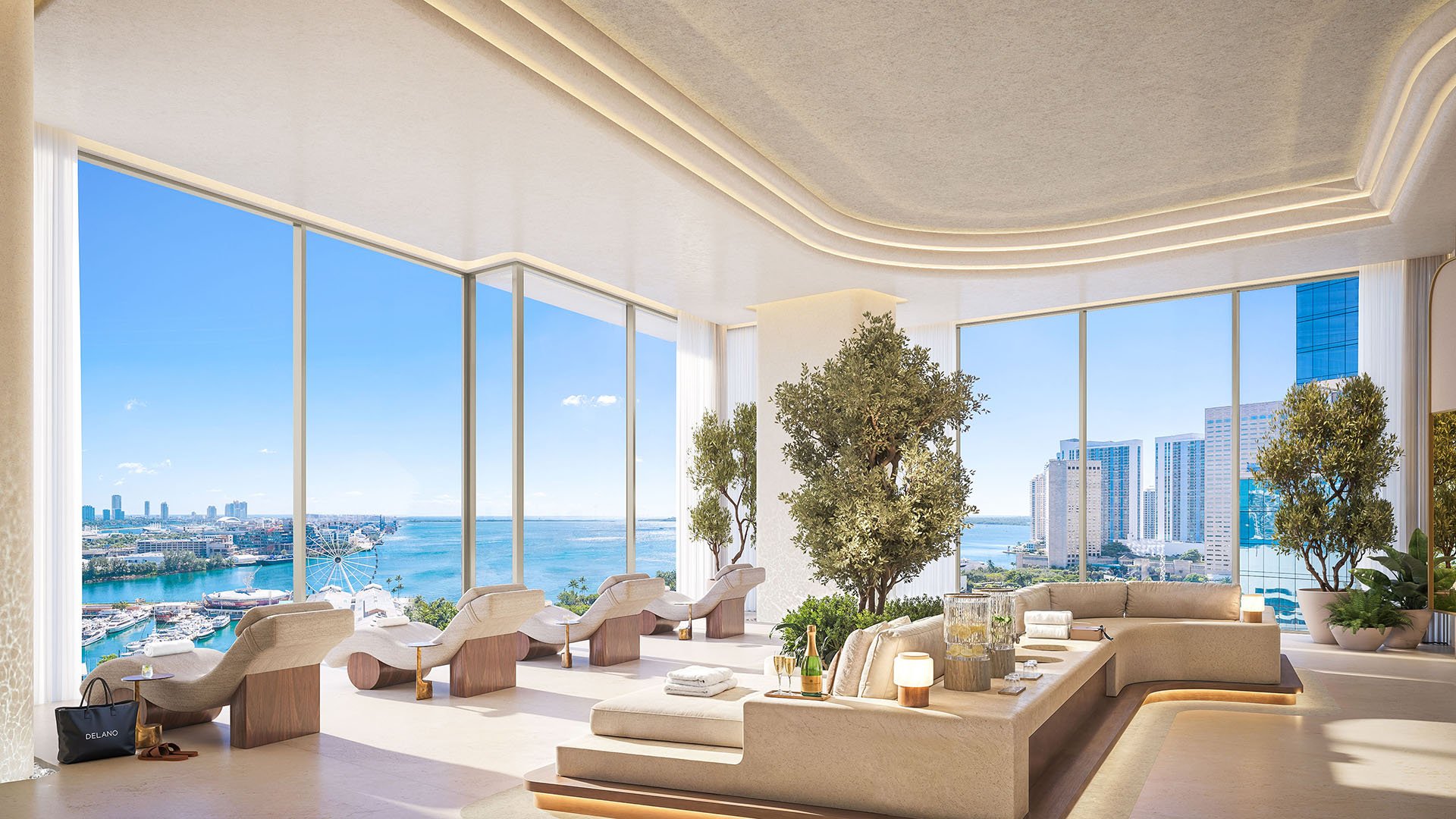
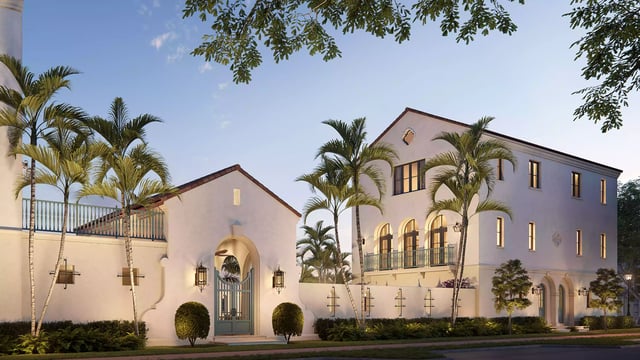
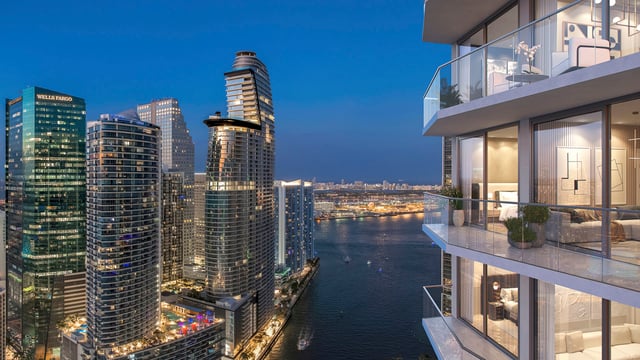
Japanese minimalist design has become a quiet status signal in Miami Beach: a preference for restraint over spectacle, craftsmanship over trend, and daily calm over visual noise. In a market defined by light, water, and high expectations, the most compelling residences are increasingly the ones that edit rather than add. This editorial looks at five development archetypes that express Japanese minimalism in a Miami Beach context, from sanctuary-like arrival sequences to warm natural palettes and spa-grade wellness. Because today’s buyers often split time between cities, the appeal is not only aesthetic. Minimalist planning tends to age well, photograph cleanly, and support an easier rhythm of living. What follows is a buyer-oriented ranking, then a practical guide to how to evaluate minimalism beyond marketing language, including the details that matter once you move in: acoustics, storage, lighting, material integrity, and amenity culture.

Comparing the Aesthetics of Minimalist Japanese Design: Aman Miami Beach vs. 619 Brickell - NOBU
A buyer-oriented aesthetic comparison of minimalist Japanese design principles as they may be expressed in two Miami lifestyle propositions, with practical guidance on how to evaluate calm, craft, and long-term livability in South Florida.

Comparing the Aesthetics of Art Deco Revival vs. Contemporary Glass: Shore Club Private Collections vs. The Perigon
In Miami Beach, aesthetics are never simply about taste. They are about posture: how a building meets the sky, how it frames the ocean, and how it signals lineage or modernity before you ever step inside. This comparison looks at two distinct design temperaments now shaping the upper tier of Miami-beach new-construction. On one side, an Art Deco revival sensibility, calibrated for Miami Beach’s historic glamour and the ritual of arrival. On the other, a contemporary glass approach that leans into weightlessness, horizon lines, and the quiet theater of transparency. Both can be impeccably luxurious. The difference is what kind of luxury you want to live in: the curated romance of a stylized past, or the disciplined clarity of a modern envelope.

Evaluating Concierge-to-Resident Ratios for True White-Glove Service: Faena Residences Miami vs. Shore Club Private Collections
In South Florida’s ultra-prime market, “white-glove” is less about branding and more about bandwidth. The most telling proxy is not the marble, the spa menu, or even the resident lounge. It is the practical question of how many households each concierge team can truly cover at the moments that matter: arrivals, last-minute reservations, vendor coordination, package volume, and the daily cadence of life between Miami Beach and Downtown. This editorial looks at concierge-to-resident ratios as a buyer’s framework, using Faena Residences Miami and Shore Club Private Collections as the comparison set. Because staffing disclosures are rarely standardized, the goal is not to assign a definitive numerical ratio, but to show how to evaluate service capacity, where the pressure points appear first, and what to ask so “white-glove” remains a lived experience rather than a promise.

The Ritz-Carlton Residences South Beach vs Shore Club Private Collections: Restoring Art Deco Icons
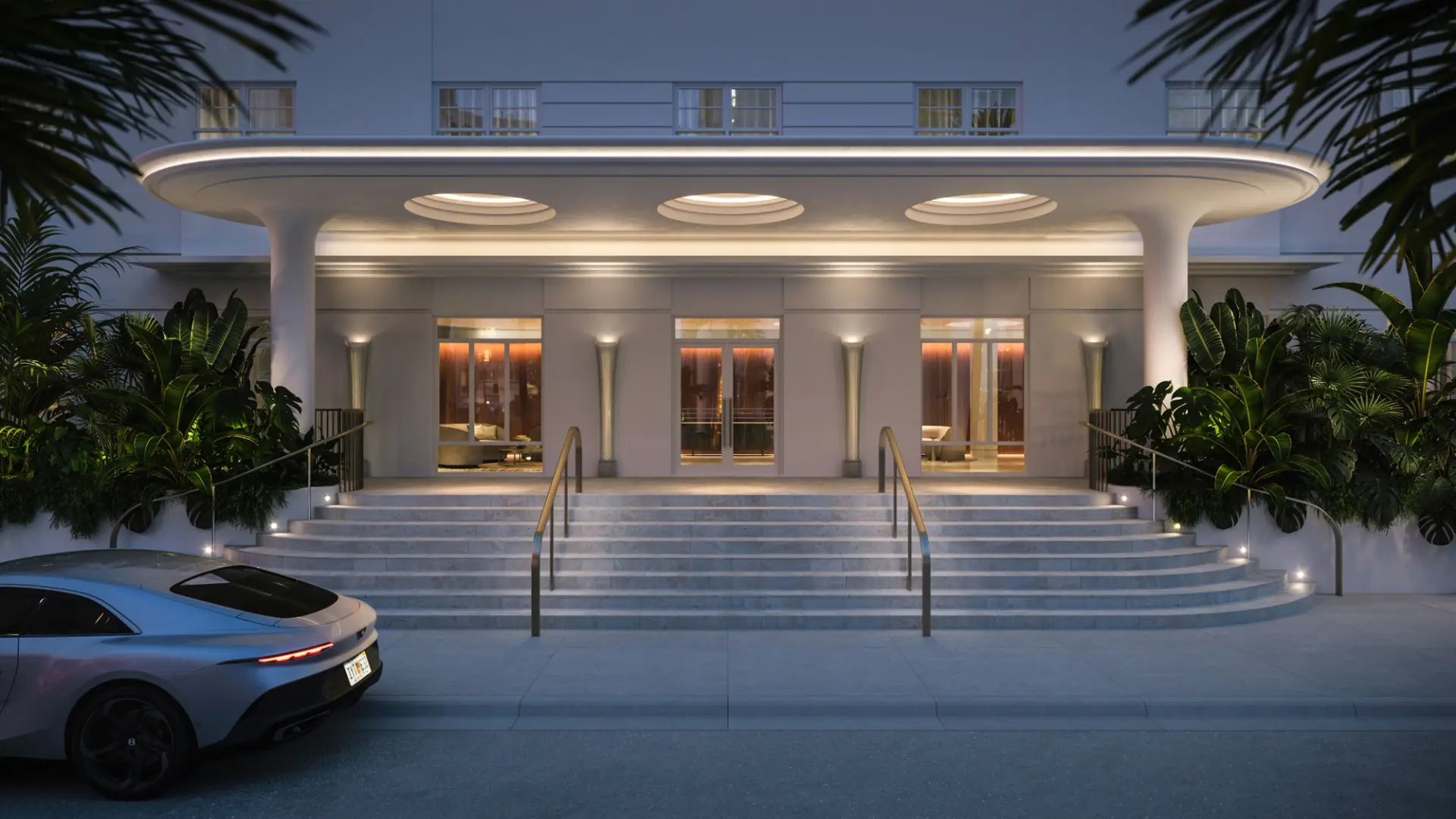
Two rare Miami Beach propositions are redefining what it means to live inside a restored icon: The Ritz-Carlton Residences® South Beach and Shore Club Private Collections Miami Beach. For buyers who want pedigree and permanence rather than novelty, both offerings turn cultural cachet into private residential value, but they do it with different sensibilities. This MILLION Luxury comparison focuses on what matters at the decision point: architectural posture, privacy, lifestyle operations, and long-term positioning within Miami-beach.

Shore Club Private Collection: Reimagining an Art Deco Icon for Modern Luxury Living
Shore Club Private Collection in Miami Beach pairs preserved heritage architecture with a new RAMSA-designed tower and Auberge service, aiming to redefine oceanfront ownership with resort-caliber ease.