For South Florida’s luxury waterfront buyer, the most expensive surprise is rarely inside the residence. It is at the water’s edge, where aging seawalls, concealed corrosion, and permit constraints can turn a seemingly minor repair into a full redesign. This MILLION Luxury guide frames a disciplined due-diligence process for seawalls and docks, focusing on what must be inspected below the waterline, which visible symptoms matter, how local resilience standards can affect scope, and why insurance and legal rights should be reviewed before closing.
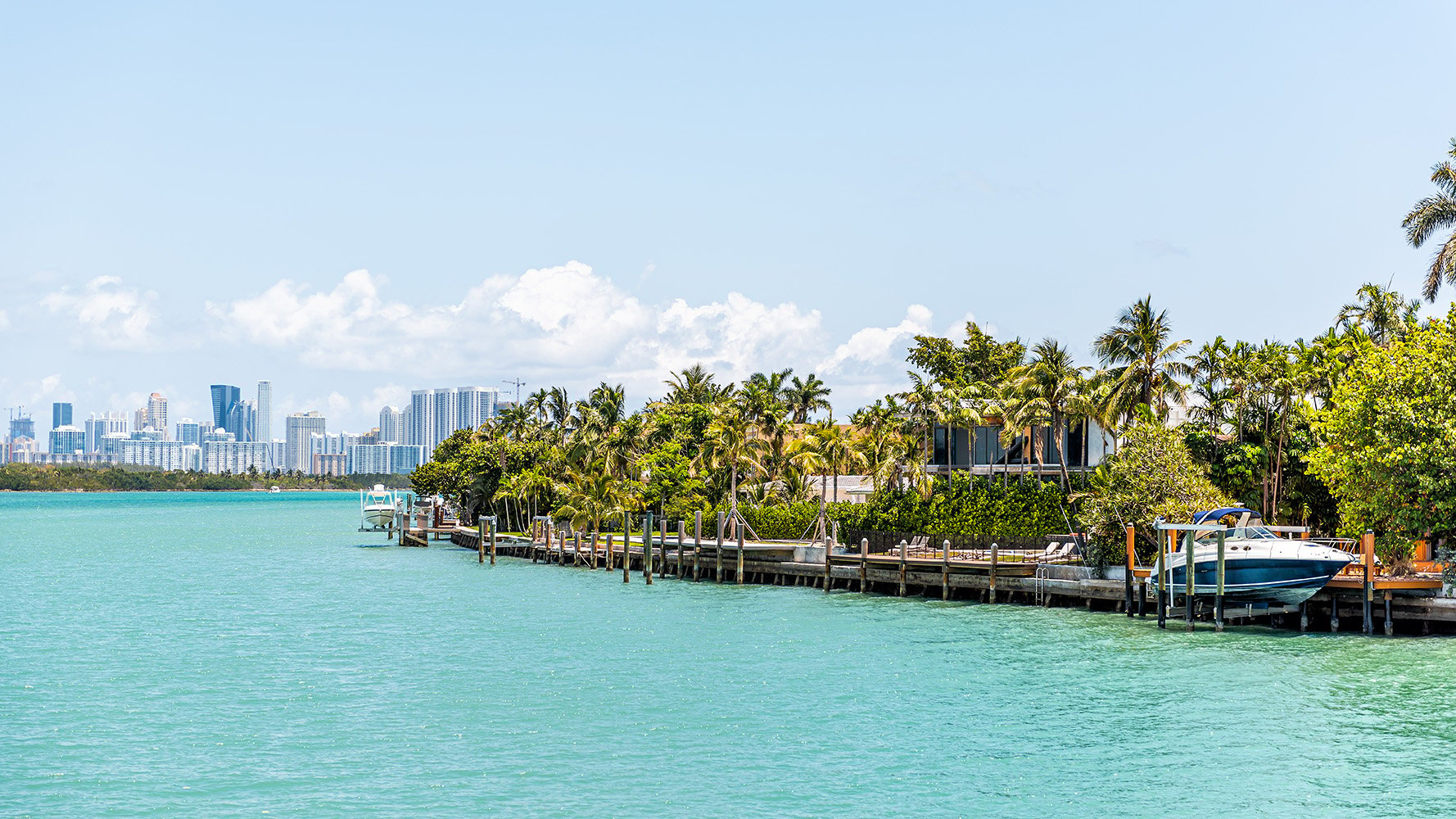
In South Florida, waterfront value isn’t just the view. It’s engineering, regulation, and long-term maintenance concentrated into a thin line of concrete, vinyl, steel, or composite that holds back saturated soil day after day.
Many seawalls were built during mid-century waterfront development and are now near or beyond a typical service life. Age alone doesn’t guarantee failure, but it does signal higher variability: patchwork repairs, unknown backfill conditions, and deferred maintenance that may only surface when tides, storms, or settlement accelerate.
For luxury buyers, the objective isn’t to “find problems.” It’s to quantify exposure early enough to price it correctly, plan it discreetly, and avoid a post-closing permitting surprise that changes what you can build.
A quick walk-around helps-if you know what actually matters. Common warning signs include cracking, leaning or bowing, separation at joints, and evidence of soil loss or voids behind the wall. Even small geometry shifts are meaningful. A wall that’s no longer plumb is telling you loads and support conditions are changing.
Rust staining on concrete warrants particular scrutiny. Those stains are often linked to corrosion of embedded steel. As metal corrodes, it can expand, driving cracking and spalling that may look cosmetic until sections begin to break free.
Also watch for quieter signals: settled pavers along the cap, new depressions in the lawn near the wall, or chronic wet spots that suggest water isn’t being relieved properly.
Seawalls depend on drainage to relieve hydrostatic pressure. When drainage paths and weep holes are blocked or ineffective, pressure builds behind the wall-raising stress and accelerating deterioration.
For a buyer, make this a two-part check:
A sophisticated renovation plan should treat the seawall, cap, yard elevations, and surface drainage as one integrated system. This is especially important in neighborhoods where tidal conditions and nuisance flooding are part of the annual calendar.
Luxury listings often show a pristine cap and a freshly painted dock. Unfortunately, a visual-only seawall check is incomplete: critical corrosion and undermining frequently occur below the waterline.
Underwater inspections commonly use certified divers and/or cameras to document submerged conditions such as piling integrity, corrosion, and foundation issues. That matters for two reasons.
First, the waterline zone is often where deterioration concentrates. Second, an underwater finding can shift the scope from “repair” to “replacement,” changing permitting, design, schedule, and the way you underwrite the asset.
If the seawall is a material part of the value proposition, make underwater review baseline due diligence-not an optional upgrade.
A dock isn’t only a lifestyle feature. It’s also a structural element that can create liability if neglected.
A proper dock inspection should address decking condition (soft spots, rot, warping), along with fasteners, framing, and overall stability. Pay close attention to connections where different materials meet and where hardware has been repeatedly submerged and re-exposed over time.
Pilings deserve heightened scrutiny at and near the waterline, where deterioration is common. In wood, that can present as rot and loss of section. In metal, corrosion can quietly reduce load capacity. In either case, the dock may feel stable-until it’s loaded differently, or until a storm tests it.
Even if you plan to rebuild, existing condition still matters because it affects near-term safety, insurance conversations, and your ability to keep the dock operational while you design a replacement.
Waterfront work doesn’t behave like interior renovations. Before building or substantially modifying a dock in Florida, owners should anticipate permitting and design constraints that can affect dimensions, siting, and timeline.
Several overlapping frameworks may apply:
The practical takeaway is straightforward: don’t assume you can rebuild “in kind,” and don’t assume the timeline is purely contractor-driven. If your purchase decision depends on a specific dock configuration, boat lift, or major seawall replacement, treat early permitting feasibility as core acquisition diligence.
Across South Florida, resilience standards are increasingly shaping what “replacement” means.
Broward County’s seawall resilience program sets minimum seawall elevation standards (NAVD88) for new or substantially improved tidal flood barriers. Separately, Surfside’s seawall height study recommends higher minimum seawall elevations to address sea level rise and tidal flooding risk.
For buyers, that can translate into a real scope change: a project that starts as a straightforward repair can become a compliance-driven rebuild, with different elevations, details, and potential impacts to adjacent hardscape and landscaping.
When comparing properties across markets such as Broward and Surfside, ask not only, “What is the seawall condition?” but also, “If I touch it, what standard will I be held to?” That second question is where budgets and schedules often move.
A coastal lifestyle can also be enjoyed from tower residences where shoreline infrastructure is professionally managed at scale. In Fort Lauderdale, for example, Four Seasons Hotel & Private Residences Fort Lauderdale speaks to buyers who want beach adjacency with a different maintenance profile than a single-family dock.
Standard homeowners insurance often carries meaningful limitations for waterfront structures. Docks may have restricted coverage, and seawalls are commonly excluded as land improvements.
In practice, that means the most expensive waterfront line items can be the ones least likely to be insured. For a buyer, this isn’t a reason to avoid waterfront property. It’s a reason to price maintenance as a predictable carrying cost-and to confirm coverage boundaries before closing.
If a property’s value depends on a high-performing dock for a specific vessel, treat the insurance conversation as part of the home’s functional feasibility.
Florida recognizes riparian rights for waterfront owners, including use and access to adjacent waters. However, rights can be affected by title, easements, and facts on the ground, making legal review a necessary part of dock due diligence.
Equally important is confirming permits and approvals for existing marine structures-and checking regulatory constraints that could affect future repairs or rebuilds. The risk isn’t abstract: an unpermitted modification can complicate a sale, delay a renovation, or require corrective work.
In markets prized for water access and architectural pedigree, buyers often weigh privacy against long-term simplicity. In Coconut Grove, Vita at Grove Isle and Park Grove Coconut Grove illustrate a different path to waterfront living, where marine edges and common elements are typically handled through managed governance rather than individual ownership.
Waterfront diligence rewards specialization.
For the home itself, training frameworks exist for home inspectors, but buyers should confirm an inspector’s specific waterfront scope and experience-particularly around seawalls and docks. For the marine side, professional marine surveyor credentials are widely used to signal competency and are often recognized by insurers and lenders.
At the upper end of the market, the strongest process is collaborative: a home inspector who understands coastal moisture and structure, a marine-savvy specialist for dock and seawall condition, and legal counsel who can reconcile what’s built with what’s permitted.
The goal is one coherent narrative: condition, remaining useful life assumptions, compliance triggers, and a realistic plan for maintenance or replacement.
Seawall repair and replacement pricing is often quoted per linear foot and can vary widely by method and site conditions. For buyers, “ballpark” numbers are rarely bankable until an engineer or contractor evaluates the site.
Instead of anchoring on a single figure, underwrite ranges and decision points:
Discreetly, this is where exceptional acquisitions are often made: when a buyer understands that waterfront infrastructure is capex, not décor, and negotiates accordingly.
In Surfside and Miami Beach, where the conversation increasingly includes tidal dynamics and resilience, The Surf Club Four Seasons Surfside offers a compelling alternative for buyers seeking a turnkey oceanfront lifestyle without individual dock and seawall ownership.
What is the single most important seawall inspection step for a buyer? Include an underwater inspection, because major deterioration is often below the waterline.
Which visible seawall symptoms deserve immediate attention? Cracking, leaning or bowing, joint separation, and signs of soil loss behind the wall.
Do rust stains on a concrete seawall matter? Often yes, because they can indicate corrosion of embedded steel that contributes to cracking.
Why do weep holes and drainage matter so much? Seawalls need drainage to relieve hydrostatic pressure; blocked drainage accelerates damage.
What should a dock inspection focus on beyond appearance? Decking, fasteners, framing, stability, and the condition of pilings near the waterline.
Can I assume I can rebuild an existing dock in the same configuration? No; permitting and design constraints can change allowable dimensions and placement.
Which permits can affect seawall or dock work in Florida? CCCL, state environmental resource permitting, and federal permits may all apply.
How can resilience standards change a seawall project scope? Minimum elevation rules for new or substantially improved flood barriers can require redesign.
Are seawalls and docks typically covered by homeowners insurance? Coverage is often limited; docks may be restricted and seawalls are commonly excluded.
Why review riparian rights and existing permits during due diligence? Rights and approvals can affect use, future improvements, and the ability to rebuild.
For a confidential assessment and a building-by-building shortlist, connect with MILLION Luxury.
If branded residences are on your mind — as a home or as an allocation — we would be glad to share what we are seeing, privately.
Begin a quiet conversation