A buyer-focused guide to evaluating wellness amenities in Palm Beach luxury residences, from daily usefulness and privacy to service standards, design quality, and long-term ownership fit.
In Palm Beach, wellness has become part of the language of luxury residential design. Yet the term can be deceptively broad. A calm pool deck, a beautifully appointed fitness room, a treatment suite, a meditation garden, a sauna, a cold plunge, a private terrace, and discreet concierge coordination may all fall under the same promise. For buyers, the question is not whether a residence advertises wellness. The sharper question is whether its wellness offering will shape daily life in a meaningful, elegant, and sustainable way.
The strongest amenity programs feel quiet rather than theatrical. They support a morning swim, a post-travel recovery ritual, a private training session, or an evening walk without turning daily life into a resort performance. That distinction matters in Palm Beach, where discretion often carries more value than spectacle.
Before comparing buildings, define the rituals you already practice. If you swim daily, the Pool is not decorative. If you train with structure, ceiling height, equipment quality, natural light, and privacy may matter more than the size of the gym. If restoration is central to your routine, look closely at whether spa areas feel genuinely tranquil or merely photogenic.
A buyer considering Palm Beach Residences should focus less on the presence of amenities and more on sequence: leaving the residence, reaching the wellness space, using it privately, and returning home without friction. The best luxury buildings reduce effort. They do not turn wellness into another appointment to manage.
Search shorthand can help organize priorities. Terms such as Palm-beach, Pool, Lap-pool, Beach-access, New-construction, and West-palm-beach may clarify whether the primary goal is island serenity, aquatic fitness, modern systems, or easier access to dining, culture, and services.
For ultra-premium buyers, privacy is often the most valuable wellness amenity of all. A crowded pool terrace, exposed fitness room, or overly visible spa corridor can undermine the sense of retreat the amenity was meant to create. Ask how many residences share the amenity areas, how appointments are managed, and whether peak usage patterns align with your habits.
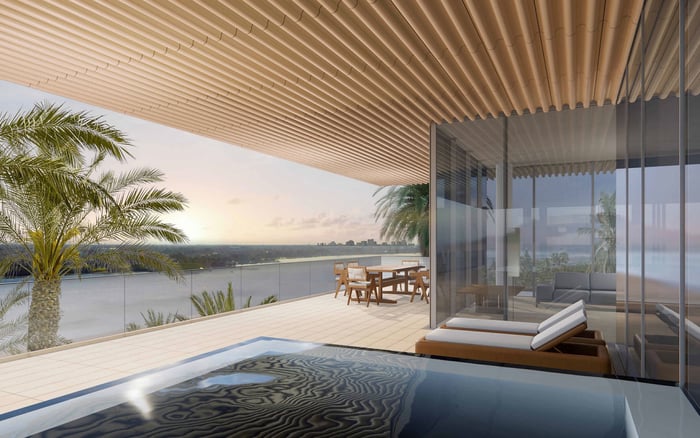
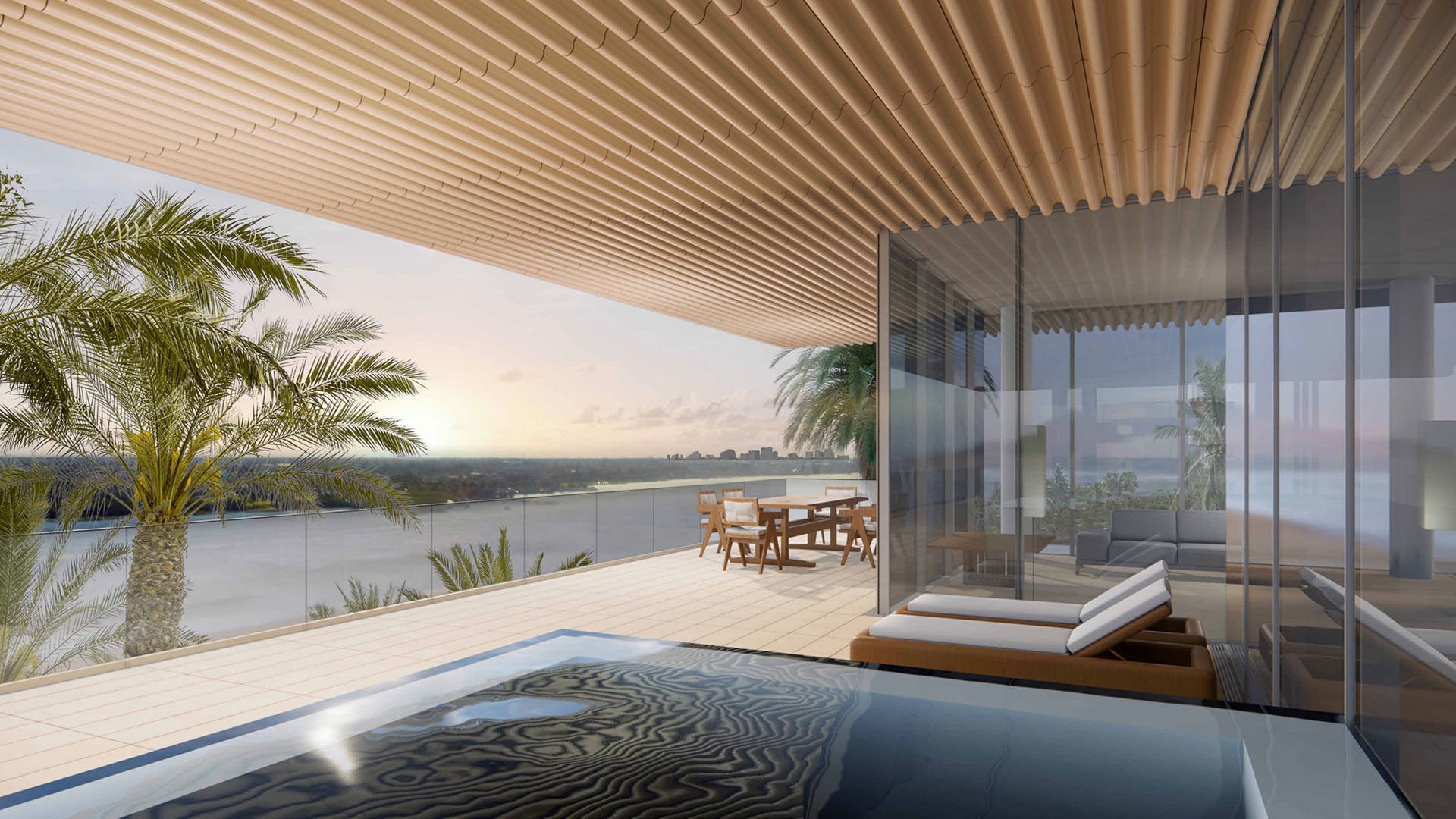
The same principle applies outdoors. A generous terrace may feel more restorative than a public lounge if it offers shade, air movement, and a sense of enclosure. In Palm Beach, where much of daily life can unfold outside, private open-air space may be as important as any formal wellness room.
Buyers should also consider acoustics. Wellness requires quiet. Mechanical noise, music bleed, service doors, elevator proximity, and pool deck activity can alter the experience of a residence, especially for those who view home as a place of recovery.
Luxury amenities can photograph beautifully while performing unevenly. Materials, ventilation, drainage, lighting, and maintenance access are not glamorous, but they determine whether wellness spaces age gracefully. Steam rooms, saunas, locker areas, and treatment rooms require careful upkeep. Pool decks need surfaces that remain comfortable, safe, and dignified over time.
For buyers drawn to West Palm Beach, a project such as Alba West Palm Beach invites a broader evaluation of how wellness fits into an urban waterfront lifestyle. The emphasis should be practical comfort: how residents arrive, where they decompress, and whether the building supports both solitude and social ease.
A wellness amenity should also be legible. Residents should understand how to reserve spaces, bring in a trainer, host a small wellness-focused gathering, or use services without unnecessary bureaucracy. In a truly refined building, operations feel intuitive.
A large amenity floor is not automatically better than a smaller, well-run one. Service culture can define the experience. Consider whether staff understand privacy, whether maintenance is visible or discreet, and whether resident requests are handled with consistency. Wellness is personal. A building that treats amenities as hospitality rather than decoration often feels more composed.
At Forté on Flagler West Palm Beach, as with any high-end waterfront address, a buyer can use the showing process to study flow and atmosphere. Does the arrival sequence feel calm? Are common spaces easy to navigate? Are wellness areas tucked away from unnecessary traffic? These impressions are not incidental. They indicate how the residence may live after closing.
Do not overlook staffing policies. If a building offers treatment rooms or fitness areas, understand whether residents may bring preferred professionals, whether reservations are required, and how guest access is handled. Rules that seem minor can meaningfully affect daily use.
Wellness does not stop at the property line. For some buyers, proximity to the water defines restoration. For others, access to restaurants, cultural venues, clubs, medical care, or private aviation corridors may be part of a healthier life rhythm. The right residence reduces travel fatigue and supports the routines that matter most.
Palm Beach and West Palm Beach can offer different versions of ease. One buyer may prioritize quiet residential streets and beach orientation. Another may prefer the energy of a more connected urban setting. Neither approach is inherently superior. The right choice depends on whether the buyer’s wellness ideal is retreat, convenience, community, or a blend of all three.
For those considering a broader northern Palm Beach County lifestyle, The Ritz-Carlton Residences® Palm Beach Gardens may belong in the conversation as an example of how branded residential expectations can influence service, arrival, and amenity evaluation. The brand alone should not make the decision. The daily experience should.
Wellness amenities have operating implications. Pools, staffed spaces, climate-controlled rooms, treatment areas, and landscaped environments require maintenance. A buyer should understand how those costs are reflected in association budgets and whether the amenity program feels proportionate to the number of residences served.
Long-term relevance is equally important. Trend-driven amenities may lose appeal if they are too specialized. Flexible spaces tend to age better: a quiet studio that can support yoga, stretching, training, or private instruction may remain useful as preferences change. Outdoor areas with shade, water, comfortable seating, and privacy often retain their value because they serve universal needs.
In the luxury market, wellness should never feel like a checklist. It should feel like architecture, service, landscape, and privacy working together. When those elements align, the amenity program becomes less about novelty and more about the art of living well.
The best Palm Beach wellness residence is not necessarily the one with the longest amenity menu. It is the one whose spaces match the buyer’s real habits, whose operations protect privacy, whose design feels calm in person, and whose location supports a balanced life. Visit at different times of day if possible. Study light, sound, circulation, and staff presence. Imagine ordinary routines rather than exceptional weekends.
A residence should make well-being feel effortless. That is the standard worth weighing.
What is the most important wellness amenity to evaluate first? Start with the amenity you will use most often. Daily relevance matters more than an impressive list of features.
Is a larger amenity program always better? Not necessarily. A smaller, private, well-managed space can feel more luxurious than a larger area with heavy use.
How should buyers think about pool areas? Consider privacy, sun exposure, shade, noise, surface quality, and whether the pool supports your actual routine.
Does a Lap-pool add value for every buyer? It is most valuable for buyers who swim regularly. For others, ambience and privacy may matter more.
Why does service matter in wellness amenities? Service determines whether spaces remain calm, clean, discreet, and easy to use over time.
Should buyers prioritize Beach-access? Beach-access can be important for a coastal lifestyle, but it should be weighed against privacy, maintenance, and location needs.
Are spa rooms useful in a residential building? They can be highly useful when reservation policies, professional access, and privacy standards are clear.
How does New-construction affect wellness expectations? New-construction may offer contemporary layouts and systems, but buyers should still study operations and long-term upkeep.
What role does location play in wellness? Location shapes daily ease, from outdoor routines to dining, culture, medical access, and overall time efficiency.
What should buyers ask before committing? Ask how amenities are managed, who may use them, what costs support them, and how they fit your daily life.
When you're ready to tour or underwrite the options, connect with MILLION.
If branded residences are on your mind — as a home or as an allocation — we would be glad to share what we are seeing, privately.
Begin a quiet conversation