A buyer-focused comparison of Coral Gables and Downtown Miami, examining village character, high-rise urban living, privacy, architecture, daily rhythm, and how luxury purchasers can decide which setting best suits their South Florida life.
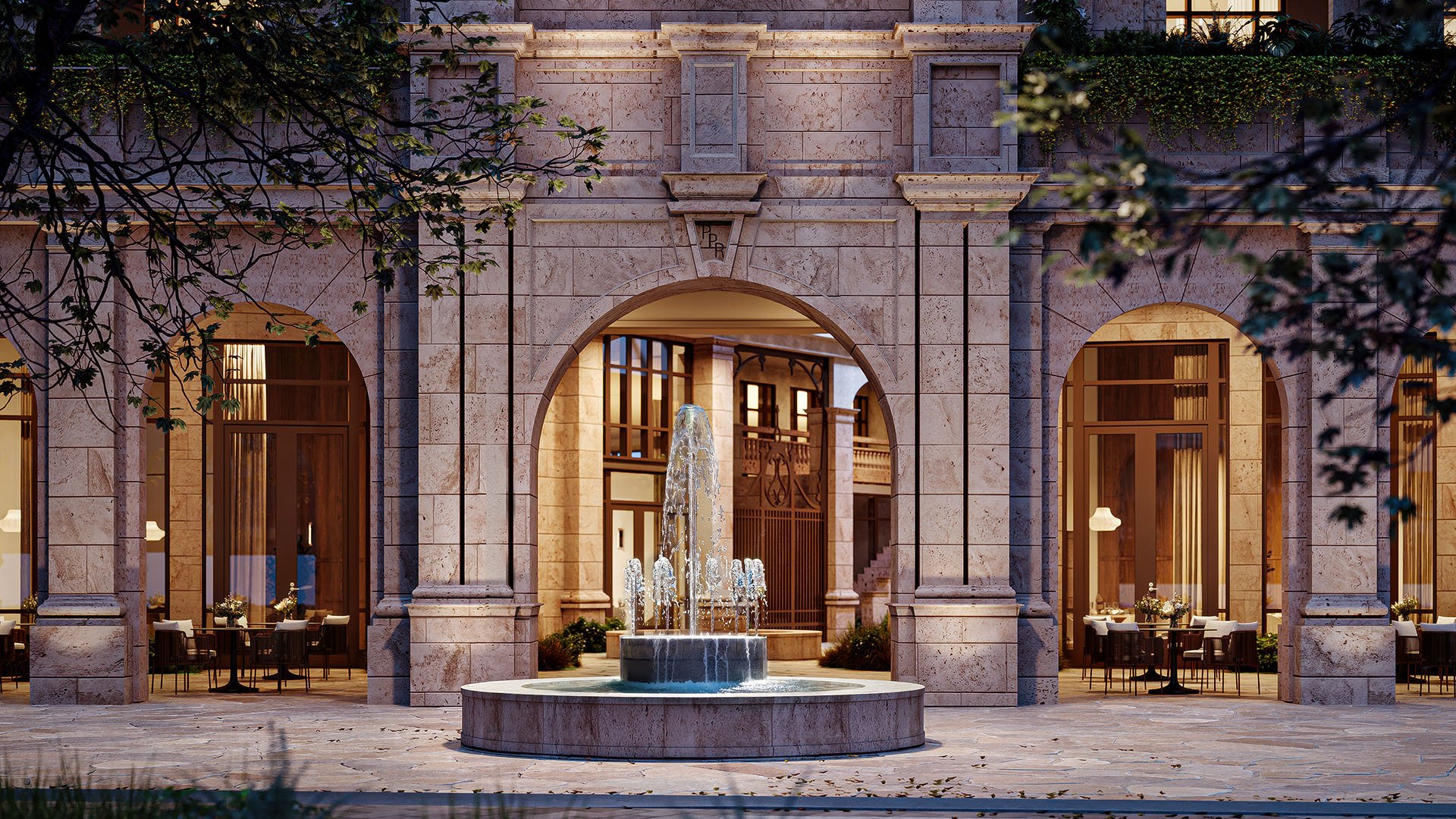
In South Florida, choosing between Coral Gables and Downtown Miami is less about which address is more prestigious and more about which rhythm feels natural. One setting favors architectural continuity, leafy streets, private routines, and a village-like pace. The other favors skyline energy, high-rise views, cultural proximity, and the convenience of an urban core.
Both can be deeply luxurious. Both can serve primary residents, seasonal owners, and global buyers seeking a refined Miami base. Yet they answer different questions. Coral Gables asks whether home should feel composed, residential, and quietly established. Downtown asks whether home should place the city at your feet, with a vertical lifestyle built around immediacy.
For the ultra-premium buyer, the more useful comparison is not simply house versus condominium. It is atmosphere versus altitude, garden privacy versus skyline drama, and neighborhood texture versus urban connectivity.
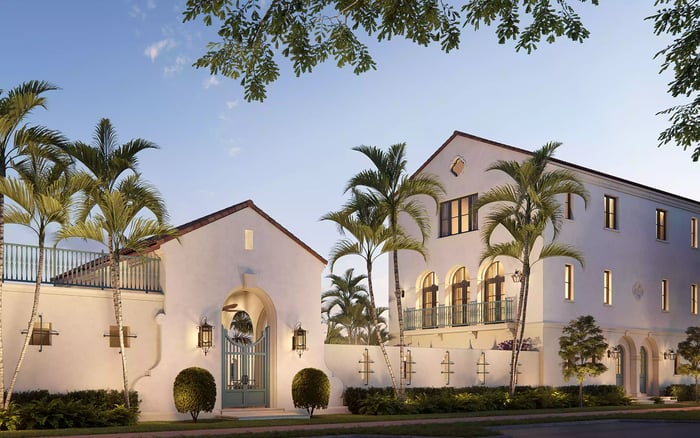
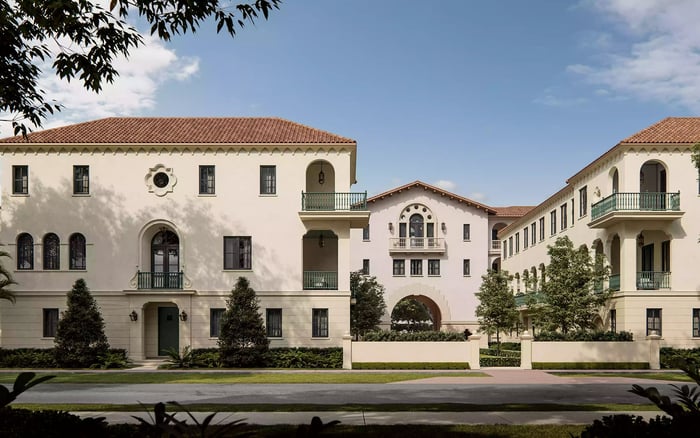
Coral Gables has long been defined by its planned character, Mediterranean Revival references, and strong civic identity. Its luxury appeal does not depend on spectacle. It is found in proportion, landscaping, privacy, and the feeling that the city was shaped with a deliberate visual language.
For buyers using a Coral Gables lens, the value proposition is often continuity. Streets, façades, courtyards, and commercial pockets tend to support a more residential cadence. A morning routine may revolve around coffee, school drop-off, a private club, a short office commute, or simply the pleasure of arriving home without feeling surrounded by towers.
Newer residential offerings in the area aim to translate that sensibility into a modern ownership format. The Village at Coral Gables is naturally aligned with buyers who want the texture of a neighborhood rather than the anonymity of a skyline. Ponce Park Coral Gables speaks to a similar desire: an address that feels connected to the Gables identity while still meeting contemporary expectations for design and service.
The Coral Gables buyer is often highly sensitive to scale. Rather than asking for the tallest view, this buyer may ask how the building meets the street, how private the arrival feels, whether terraces are usable, whether the surrounding blocks feel calm, and how naturally the residence supports everyday life.
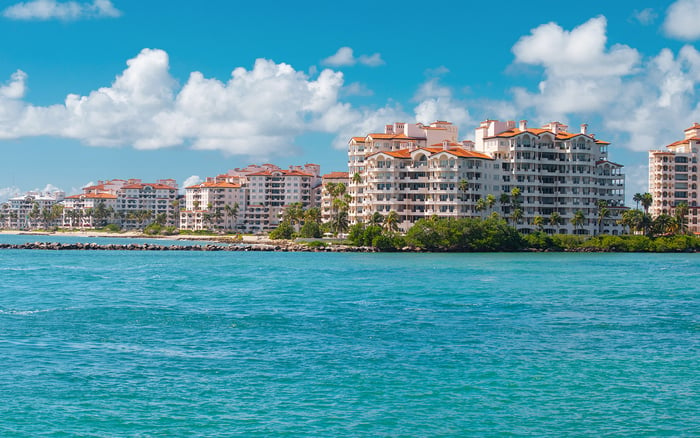
Downtown Miami offers a different proposition. Its identity is vertical, metropolitan, and forward-facing. The daily experience is shaped by towers, views, restaurants, arts venues, offices, waterfront movement, and the sense that Miami’s next chapter is unfolding nearby.
Here, the premium is often paid for outlook, convenience, service, and the energy of density. A Downtown resident may value the ability to move between meetings, dining, events, and home with minimal friction. The residence becomes both a private retreat and a perch above the city.
Projects such as Aston Martin Residences Downtown Miami capture the appeal of branded, design-driven high-rise living in the urban core. Waldorf Astoria Residences Downtown Miami reflects the continued appetite for residences that pair vertical presence with a service-oriented lifestyle. For buyers who want a softer design narrative within the same broader urban conversation, Casa Bella by B&B Italia Downtown Miami offers another way to think about city living through interiors, amenity culture, and a lock-and-leave format.
Downtown is not trying to mimic a village. Its strength is that it does not need to. The appeal lies in access, intensity, and the ability to live in a building where privacy is created above the street rather than behind a gate or garden wall.
The most revealing question for buyers is simple: how do you want your day to unfold?
In Coral Gables, the day often feels more composed. Driving, walking, entertaining, and returning home can feel structured around a neighborhood framework. The environment rewards those who value a sense of arrival, architectural character, and an atmosphere that reads as established rather than constantly in motion.
In Downtown, the day can feel more efficient and immediate. The elevator, lobby, valet, amenity deck, and city grid become part of the lifestyle. For owners who travel frequently, host briefly, or prefer a residence that can operate with minimal maintenance, the high-rise format can be especially compelling.
Neither model is inherently quieter or more sophisticated. The distinction is emotional as much as practical. Coral Gables offers rootedness. Downtown offers elevation.
Luxury buyers often evaluate privacy in different ways. In Coral Gables, privacy is associated with setbacks, landscaping, lower scale, and the feeling of separation from public life. Even in multifamily residences, the ideal is often a calmer threshold between street and home.
Downtown privacy is more vertical. A high-floor residence may trade garden enclosure for distance, outlook, and controlled access. The city remains visible, but the residence is removed from it. For some buyers, that contrast is precisely the point: energy below, calm above.
Entertaining also changes by location. Coral Gables entertaining often feels residential and intimate, with dinners, family gatherings, and longer evenings. Downtown entertaining may be more event-driven, with pre-dinner cocktails, skyline backdrops, and a natural connection to the city’s cultural and dining scene.
Coral Gables tends to suit buyers who place a premium on neighborhood identity, architectural warmth, schools, privacy, and a slower visual environment. It can be especially attractive to those who want to feel part of a municipality with a defined character rather than a rapidly shifting district.
Downtown tends to suit buyers who want immediacy, views, services, and proximity to the city’s business and cultural life. It can also appeal to international purchasers and second-home owners who prefer a residence that is easier to close, secure, and maintain while away.
The decision becomes more nuanced at the ultra-premium level. A buyer may love Coral Gables for weekdays and Downtown for weekends, or the reverse. Some households may even consider both, using one as a primary base and the other as a city pied-à-terre. The best choice depends on how often the residence will be occupied, who will use it, how much staff support is desired, and whether the owner values land-based character or tower-based convenience.
Without reducing either location to numbers, the long-term appeal of each is grounded in scarcity of experience. Coral Gables offers a limited village character that cannot be easily replicated in a high-rise corridor. Downtown offers vertical urban living tied to Miami’s continuing maturation as a global city.
For resale-minded buyers, the key is to purchase the most coherent version of the chosen lifestyle. In Coral Gables, that may mean architecture and setting that feel true to the neighborhood. In Downtown, it may mean views, building quality, services, and a plan that performs well for modern living.
The strongest properties are not merely located in the right place. They express the place clearly.
Choose Coral Gables if you want grace, neighborhood identity, and a residential atmosphere with architectural continuity. Choose Downtown if you want altitude, urban access, and the feeling of Miami moving around you.
Both choices can be elegant. The better choice is the one that makes your daily life feel more natural, not the one that looks more impressive in a photograph.
Is Coral Gables better than Downtown Miami for privacy? Coral Gables generally appeals to buyers who want a calmer residential feel and more traditional privacy cues. Downtown privacy is more often created through elevation, controlled access, and building services.
Is Downtown Miami better for a lock-and-leave lifestyle? Downtown high-rise living can be attractive for owners who travel often or want a service-oriented condominium format. The appeal is convenience, access, and reduced day-to-day maintenance.
Which area feels more residential? Coral Gables typically feels more residential because of its village character and architectural continuity. Downtown feels more urban, vertical, and connected to the city’s daily energy.
Which area is better for views? Downtown is usually the more natural fit for buyers prioritizing skyline and high-rise outlooks. Coral Gables focuses more on streetscape, landscaping, and neighborhood atmosphere.
Can Coral Gables work for condominium buyers? Yes, especially for buyers who want modern residences without leaving a more composed neighborhood setting. The key is selecting a building that respects the local character.
Can Downtown Miami feel calm despite its urban setting? Yes, particularly in residences where height, services, and private amenities create separation from the street. The experience depends heavily on the building and floor plan.
Which location is better for entertaining? Coral Gables often suits intimate residential entertaining, while Downtown supports more city-oriented evenings. The right answer depends on how formal, frequent, and urban you want hosting to feel.
Are branded residences more common in Downtown Miami? Downtown has become a natural stage for high-profile residential towers and branded concepts. Buyers who value service identity and skyline presence often focus there.
Which area has stronger architectural identity? Coral Gables is closely associated with Mediterranean Revival character and planned visual coherence. Downtown’s identity is more contemporary, vertical, and skyline-driven.
How should a buyer decide between the two? Start with daily rhythm, privacy preferences, maintenance expectations, and how you want to arrive home. The best address should support your life with ease, not require you to adapt to it.
For a tailored shortlist and next-step guidance, connect with MILLION.
If branded residences are on your mind — as a home or as an allocation — we would be glad to share what we are seeing, privately.
Begin a quiet conversation