A practical, buyer-focused guide to evaluating Miami waterfront property through views, insurance readiness, building quality, and long-term ownership discipline.
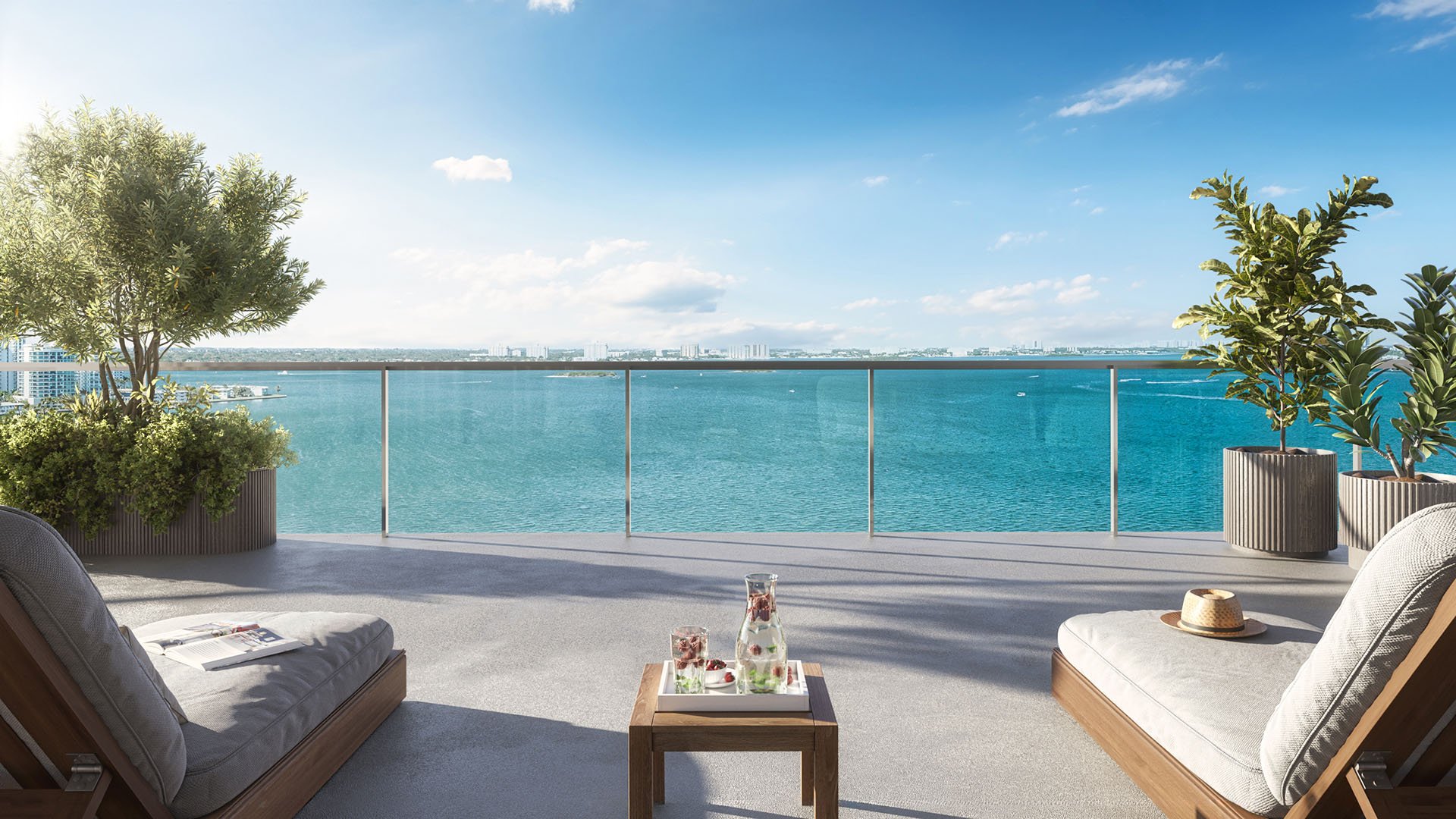
Buying on the water in Miami is often framed as an emotional decision, but the strongest purchases are analytical before they are romantic. A terrace facing open water, a glinting skyline, or the quiet rhythm of boats can create instant conviction. Yet sophisticated buyers understand that the premium is not paid for scenery alone. It is paid for protected outlooks, resilient construction, disciplined association management, and a clear understanding of ownership costs.
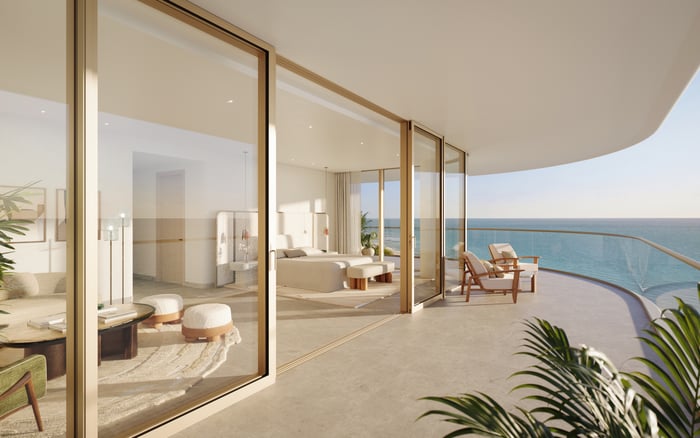
In this market, a view is not simply a view. It is a composition of height, angle, neighboring parcels, future development potential, balcony depth, glass quality, and the way light changes throughout the day. A buyer considering The Perigon Miami Beach may be thinking differently than one comparing a bay-facing residence in Brickell, but the same discipline applies: verify what you see, understand what could change, and price the risk accordingly.
Oceanfront, bayfront, riverfront, and intracoastal settings each carry their own character. The right residence should satisfy the eye, but it should also withstand scrutiny from your attorney, inspector, insurance adviser, lender, and property manager.
A view corridor is the protected or practical line of sight from a residence to water, skyline, parkland, or open sky. In luxury waterfront property, it is one of the most valuable intangible assets, yet also one of the easiest to misunderstand. Buyers should not rely on a sales presentation, a rendering, or a single sunset visit. The question is not only what the residence sees today, but what surrounding sites may allow tomorrow.
Start with the unit’s orientation. A direct water view can feel powerful, but an oblique view may offer better privacy, softer light, or a broader panorama. Corner residences often provide layered perspectives, while deep terraces can frame the horizon with greater architectural drama. Higher floors may reduce visual interruptions, though they can also change the relationship to the water, making it more cinematic and less tactile.
Next, study the neighboring parcels. Are there vacant lots, aging low-rise properties, underbuilt sites, or parcels with redevelopment potential nearby? A buyer does not need to predict the future with certainty, but should insist on understanding the range of possibilities. Ask for survey materials, site plans, recorded easements if any exist, association documents, and counsel’s view on surrounding development rights. When the view is a meaningful part of the price, it deserves the same seriousness as the interior finish package.
Waterview buyers in Edgewater, North Bay Village, Miami Beach, and Brickell often find that the most durable outlooks are not always the most obvious. A protected angle across a wide body of water may prove more valuable over time than a dramatic but vulnerable gap between two buildings.
Insurance belongs at the beginning of the buying conversation, not at the end. Waterfront ownership introduces questions that can materially affect carrying costs, financing comfort, and resale perception. The purchase price may be clear, but the true cost of ownership depends on premiums, deductibles, policy structure, association coverage, and the building’s risk profile.
For condominium buyers, the master policy is only part of the picture. Review what the association covers and what remains the responsibility of the individual owner. Interior improvements, personal property, loss assessment exposure, and temporary housing coverage should be discussed with an adviser who understands high-value coastal residences. A beautifully customized apartment can create underinsurance risk if the policy does not reflect the real replacement cost of upgraded interiors.
Deductibles deserve close attention. A low premium with a meaningful deductible can be less reassuring than it appears. Buyers should model scenarios, especially if they plan to hold the property as a second home. Ask how claims are handled, whether the association has a history of special assessments related to insurable events, and whether reserves are aligned with the building’s maintenance obligations.
In Brickell, buyers looking at residences such as St. Regis® Residences Brickell often weigh a refined urban waterfront lifestyle against practical questions about building operations, parking, access, and exposure. The most polished purchase is one where elegance and financial clarity meet.
In waterfront Miami, the most important luxury details are often invisible. Glazing systems, balcony drainage, waterproofing, mechanical placement, structural maintenance, elevator protection, garage design, generator capacity, and façade performance can matter as much as marble, millwork, or appliance brands. The residence should be beautiful, but the building must be serious.
New-construction buyers should ask how the project addresses water, wind, salt air, humidity, and long-term maintenance. Resale buyers should look closely at inspection history, reserve planning, completed capital projects, open permits, and association culture. A building can have an exceptional lobby and still require disciplined questioning behind the scenes.
The building envelope is central. Windows and doors shape not only the view, but also comfort, sound, energy use, and storm readiness. Terraces should be evaluated for drainage, privacy, and usability in real weather, not only in brochure conditions. Mechanical systems should be accessible and maintainable. Common areas should feel cared for, not merely decorated.
A buyer comparing Aria Reserve Miami with a quieter island address such as Continuum Club & Residences North Bay Village is not only comparing views and amenities. The more refined comparison is between building philosophies, governance, exposure, and how each property may age.
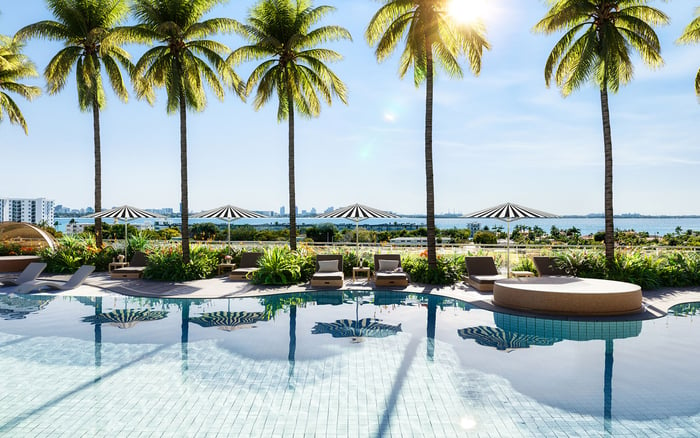
The best waterfront purchase is not always the most dramatic one. Some buyers want sunrise over the ocean. Others prefer the evening glow across Biscayne Bay, the marina rhythm of a boating neighborhood, or the walkability of an urban waterfront. Privacy, elevator density, valet flow, pet policies, guest arrival, beach access, and restaurant proximity all shape daily life.
Sunny Isles can appeal to buyers who want a vertical resort sensibility, while Coconut Grove and North Bay Village may feel more residential and layered. Brickell offers metropolitan energy with water at the edge. Miami Beach remains singular for buyers who want architecture, sand, dining, and cultural proximity in one setting. Those considering The Ritz-Carlton Residences® Sunny Isles may prioritize a different rhythm than a buyer focused on a boutique bayfront address, yet both should examine the same fundamentals.
Think about how often you will occupy the residence and at what times of year. A primary home requires different scrutiny than a seasonal pied-à-terre. If the residence will be used by family, guests, or staff, circulation and storage become more important. If it will be held long term, association health and maintenance discipline can become as relevant as the view itself.
Waterfront property can invite urgency, especially when inventory feels limited or a residence has a rare line. Still, disciplined buyers preserve leverage by separating emotion from verification. Before making a final decision, clarify what is included in the sale, what alterations require approval, how assessments are handled, and whether any pending building matters could affect ownership.
A strong offer can still include intelligent contingencies. Insurance review, document review, inspection rights, financing timing, and legal analysis should be aligned before deadlines begin. The goal is not to make the process difficult. The goal is to make the purchase durable.
For ultra-premium buyers, discretion also matters. The best advisory teams work quietly, narrowing choices before tours, pressure-testing assumptions, and protecting negotiating posture. Waterfront purchases are often public-facing assets, but the acquisition should feel calm, private, and precise.
What is the first thing to verify when buying waterfront in Miami? Start with the durability of the view, then review insurance, building condition, association documents, and the true carrying cost.
Are higher floors always better for waterfront views? Not always. Higher floors can improve openness, but lower and mid-level residences may offer a stronger connection to the water.
How should I evaluate a view corridor? Study the unit orientation, neighboring parcels, potential redevelopment, recorded protections, and sightlines from the actual residence.
Why is insurance so important for waterfront property? Insurance affects annual ownership cost, financing comfort, risk exposure, and long-term resale confidence.
What should condo buyers ask about the master policy? Ask what the association covers, what the owner must insure separately, and how deductibles or assessments may be handled.
Does new construction eliminate maintenance concerns? No. New construction can offer modern systems, but buyers should still review design quality, warranties, governance, and reserves.
What makes oceanfront ownership different from bayfront ownership? Oceanfront living often emphasizes beach proximity and horizon views, while bayfront settings may offer skyline, boating, and sunset character.
Is Brickell a good fit for waterfront buyers? Brickell can suit buyers who want urban energy, dining, offices, and water views within a dense metropolitan setting.
How important is association governance? It is critical. Strong governance helps protect the building, manage costs, and preserve the ownership experience.
Should I buy for the view or the building first? Ideally both, but if forced to choose, prioritize a well-built, well-managed property with a view profile you can understand.
For a discreet conversation and a curated building-by-building shortlist, connect with MILLION.
If branded residences are on your mind — as a home or as an allocation — we would be glad to share what we are seeing, privately.
Begin a quiet conversation