A discreet buyer’s guide to reading Sunny Isles Beach condo fees through the lens of beachfront upkeep, reserves, amenities, and long-term ownership value.

In Sunny Isles Beach, a condominium fee is not merely an administrative line item. For a serious buyer, it is a window into how a building protects its architecture, preserves its service culture, and manages the realities of living directly on the Atlantic. The monthly number matters, but the more revealing question is what that number is designed to sustain.
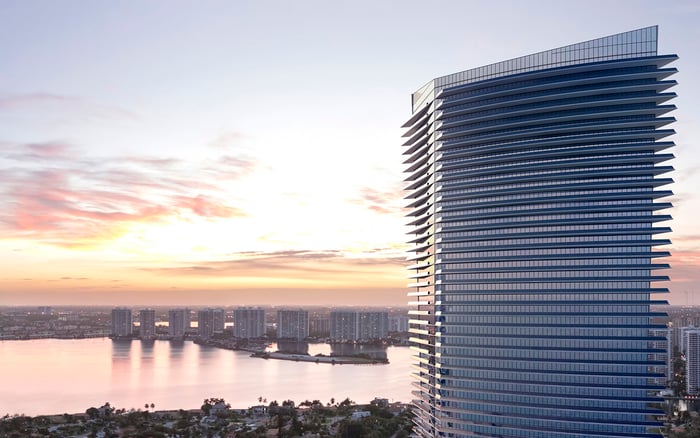
Beachfront ownership has a different rhythm from inland ownership. The setting is more coveted, the views are more elemental, and the building envelope works harder every day. Elevators, terraces, glass, mechanical systems, pool decks, landscaping, access points, and common areas all operate within a coastal environment. A lower fee can be attractive at first glance, but it is not automatically the stronger economic decision if the building is underfunding tomorrow’s needs.
For MILLION readers comparing Sunny Isles assets, the recurring themes are oceanfront exposure, beach-access convenience, balcony usability, pool programming, and investment discipline. The ownership math begins where lifestyle and maintenance intersect.
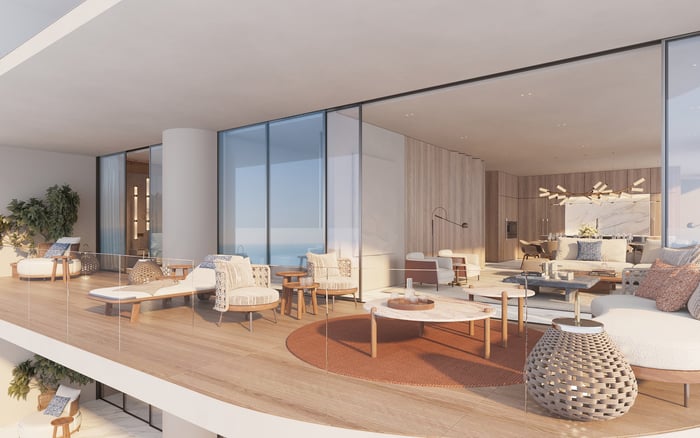
The ocean is the amenity, but it is also the condition. Salt air, wind, humidity, sun, and sand influence how a property must be maintained. In a luxury tower, that can mean more frequent attention to exterior surfaces, terrace systems, glazing, metalwork, doors, waterproofing, landscaping, and the circulation areas residents use between lobby, pool, beach, and parking.
This is why the fee conversation should not be reduced to a simple comparison of dollars per month. Two residences with similar square footage may sit in buildings with very different operating profiles. One may favor a leaner service model. Another may support extensive staffing, elaborate amenities, private beach operations, deeper reserves, or more active preventive maintenance. Each approach creates a different form of value.
The most sophisticated buyers ask whether the fee reflects preservation. A beachfront tower that invests consistently in upkeep may feel more expensive on paper, yet offer a clearer path to long-term livability. Conversely, a building that appears inexpensive can become less predictable if deferred maintenance accumulates.
In Sunny Isles Beach, amenities are part of the architecture of daily life. The value of a spa, fitness center, beach service, valet operation, lobby team, pool deck, children’s room, restaurant component, or owners’ lounge is not only in its presence. It is in the quality of its operation over time.
That is where fees become more nuanced. A building such as Jade Signature Sunny Isles Beach may attract buyers who are not simply purchasing a residence, but a curated beachfront routine. The monthly fee should be read against that expectation: the consistency of service, the condition of common spaces, the staffing model, and the reserve planning that supports the property beyond the current season.
This same lens applies across the ultra-luxury set. At The Estates at Acqualina Sunny Isles, the buyer’s analysis should consider the breadth of the residential experience and the recurring resources required to maintain it. The more complete the private world, the more important it becomes to understand how that world is financed.
Reserves are the quiet engine of condominium confidence. They do not photograph beautifully, and they rarely dominate a showing, yet they often separate a well-prepared association from a reactive one. For a beachfront building, reserve discipline can influence everything from future assessments to buyer perception at resale.
A buyer should ask how the association plans for major components, how often budgets are reviewed, and whether the building’s financial posture appears proactive or strained. The goal is not to avoid all future cost. In coastal ownership, that expectation is unrealistic. The goal is to understand whether costs are being anticipated with discipline.
Special assessments also deserve context. An assessment is not automatically a red flag. It may represent meaningful reinvestment. The concern is whether it arrives as part of a coherent plan or as an emergency correction. A polished lobby can conceal financial weakness, while an association with steady capital planning may create a more durable ownership experience.
Newer buildings often appeal to buyers who want current design, contemporary systems, and an initial period of visual freshness. That can make the fee structure feel easier to justify, especially when the amenities align with modern expectations. But newness does not eliminate the need for scrutiny. Buyers should understand what is included, what is still stabilizing, and how the operating budget may evolve as the building matures.
Projects such as Bentley Residences Sunny Isles and St. Regis® Residences Sunny Isles sit within a market where branded living, service expectations, and architectural ambition all influence how buyers think about carrying costs. The more elevated the promise, the more carefully the operating model should be reviewed.
Established towers offer a different kind of evidence. Their histories can reveal how the association has handled maintenance, capital improvements, staffing, insurance pressures, and resident expectations. A resale buyer at a mature building is not only buying the unit. They are buying into a track record.
A luxury buyer should not ask, “Is the fee high?” The better question is, “Is the fee coherent?” Coherence means the fee aligns with the building’s age, location, amenities, staffing, services, insurance needs, maintenance obligations, and reserve goals.
A fee that supports attentive operations can protect the resident experience. It can keep common areas from feeling tired, preserve the quality of arrival, reduce surprises, and help a building compete when future buyers compare options. In the ultra-premium segment, perception matters. A tower that is visibly maintained can carry a different market presence from one that relies on location alone.
The monthly number should also be modeled alongside taxes, insurance, financing costs if applicable, parking, storage, housekeeping, club usage, and any personal lifestyle costs attached to the residence. The result is the true annual cost of ownership. For a cash buyer, this number becomes a lifestyle allocation. For an investor or second-home owner, it becomes a yield and liquidity consideration.
Before submitting an offer, request the current budget, reserve information, recent meeting materials, rules, insurance details, pending assessment information, and any available capital planning documents. These materials help translate the listing into an ownership picture.
Ask what the fee includes and what is billed separately. Beach service, valet, internet, cable, fitness programming, storage, food and beverage minimums, guest parking, and certain services can vary by building. A residence that appears comparable on price may function very differently once recurring costs are understood.
At a property like The Ritz-Carlton Residences® Sunny Isles, the analysis should respect the premium nature of the service environment. The point is not to minimize fees at all costs. It is to confirm that the fee supports the ownership experience the buyer expects.
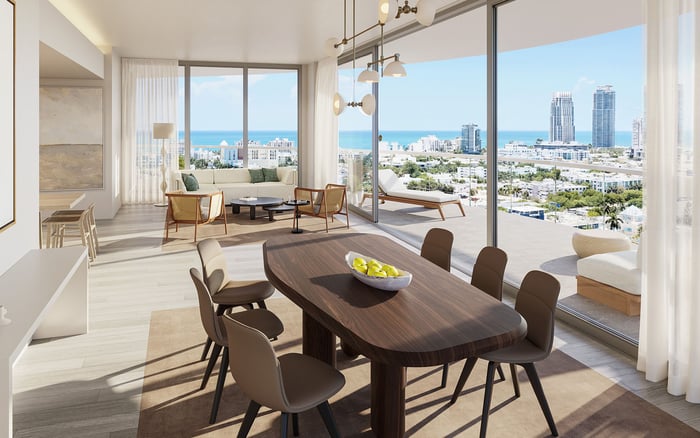
Sunny Isles Beach attracts buyers who value scale, privacy, views, direct beach access, and the ease of vertical resort living. For that buyer, a condominium fee can be a rational exchange: predictable monthly capital for an environment that would be difficult to replicate in a single-family home.
Still, discipline is essential. The strongest ownership decisions come from comparing the emotional appeal of the residence with the financial structure of the building. A breathtaking view can justify a premium, but it should not distract from the questions that determine long-term satisfaction.
In the end, the best fee is not necessarily the lowest. It is the one that sustains the building, protects the experience, and allows the owner to enjoy the oceanfront lifestyle without mistaking deferred cost for savings.
Why are Sunny Isles Beach condo fees often scrutinized closely? Beachfront buildings tend to have demanding maintenance and service expectations, so the fee can reveal how the property plans for long-term care.
Is a lower condo fee always better? No. A lower fee may be appealing, but it should be weighed against reserves, maintenance quality, staffing, and the likelihood of future assessments.
What should a buyer review before making an offer? Review the budget, reserves, rules, insurance information, meeting materials, and any pending or recent assessment details.
Do amenities influence monthly fees? Yes. Pools, beach service, valet, fitness spaces, lounges, staff, and hospitality-style services can all shape operating costs.
How do reserves affect ownership risk? Strong reserves can help a building plan for major repairs and reduce the chance that owners face abrupt capital demands.
Are special assessments always negative? Not necessarily. An assessment can fund meaningful improvements, but buyers should understand whether it reflects planning or deferred maintenance.
Should new construction fees be evaluated differently? Yes. New buildings may have evolving operating budgets, so buyers should ask how costs may change as the property stabilizes.
What makes beachfront maintenance different from inland maintenance? Coastal exposure can place greater demands on exterior materials, common areas, terraces, landscaping, and mechanical systems.
How should investors think about condo fees? Investors should include fees in the full annual carrying cost and consider how building condition may affect resale appeal and liquidity.
What is the most important question to ask about a fee? Ask whether the fee is coherent with the building’s services, age, maintenance needs, reserves, and long-term ownership goals.
For a confidential assessment and a building-by-building shortlist, connect with MILLION.
If branded residences are on your mind — as a home or as an allocation — we would be glad to share what we are seeing, privately.
Begin a quiet conversation