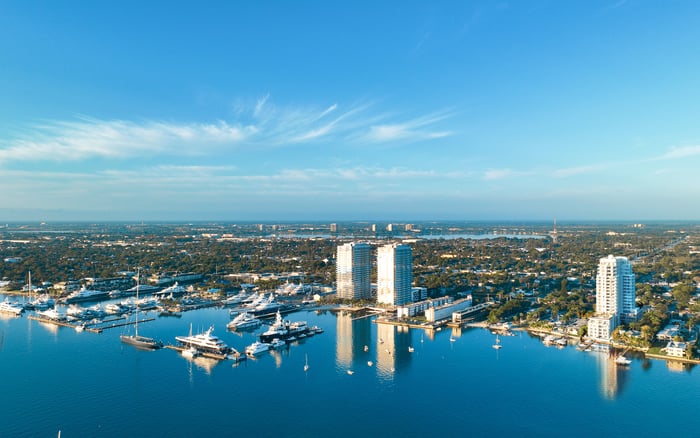
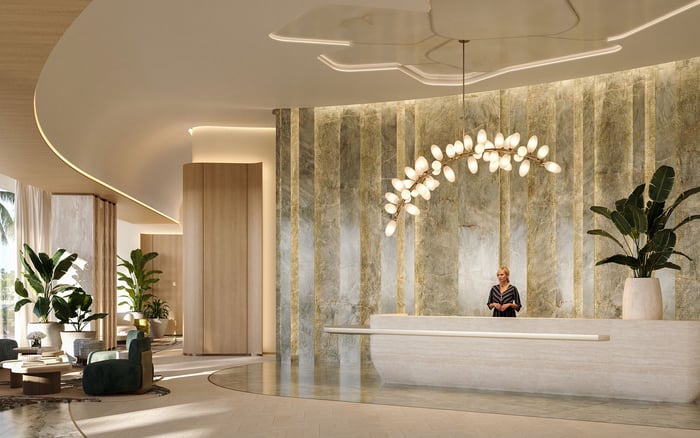
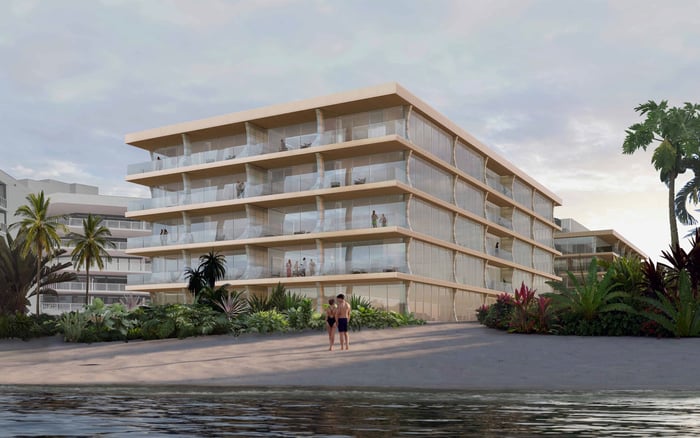
A buyer-oriented look at how two West Palm Beach luxury towers approach the family pool deck: privacy, programming, shade, social flow, and day-to-day usability.
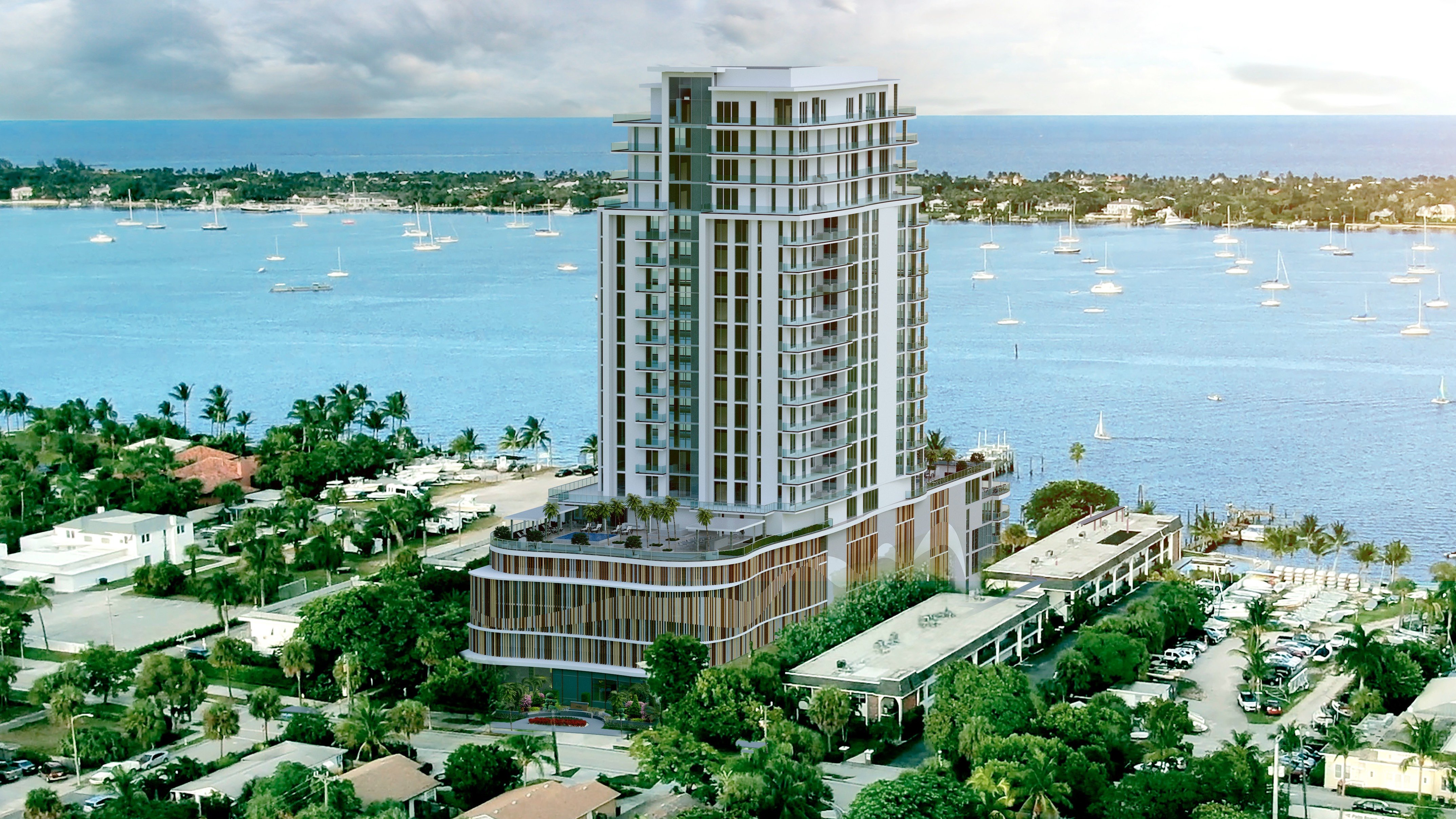
In West Palm Beach, the most persuasive luxury amenity is no longer the lobby, the lounge, or even the fitness suite. For families, it’s the pool deck-because it compresses an entire weekend into a single, well-managed outdoor room: sun and shade, play and pause, food and hydration, and the subtle but essential question of whether parents can actually relax while children move safely.
With that in mind, comparing The Berkeley Palm Beach with Alba West Palm Beach comes down to one premise: both can read “resort-style,” yet they can deliver markedly different experiences once you account for privacy, sound, wind, circulation, and the daily rhythm of the building.
Because many pool decks photograph similarly, this editorial stays focused on what matters when you’re holding a towel, a snack, and a set of keys-and you have a child who will test the edges of every design decision.
“Resort-style” is often used as a catchall, but for a family buyer, it’s measurable. The strongest decks operate like a well-run private club, with four components working together.
First is zoning: adult-minded lounging should exist without becoming hostile to families, and kid-friendly areas should exist without taking over the entire atmosphere. Second is sightlines: the ability to see the pool, entries, and adjacent lounging from more than one seat is what turns a pool visit into genuine rest.
Third is shade and wind management. In South Florida, shade isn’t a preference; it’s the difference between a 40-minute stop and an all-day ritual. Wind can make a deck feel invigorating-or unusable-and buildings experience it differently depending on orientation and exposure.
Fourth is service flow: where towels live, how quickly you can access water and a bite, and whether you have to thread through a crowded path to reach a restroom. The more seamless the loop, the more the deck feels truly expensive.
The Berkeley’s appeal, in pool-deck terms, tends to align with buyers who want the outdoor amenity to feel curated rather than energetic. Think controlled pace, quieter seating, and an environment that supports “family time” without automatically becoming “kids everywhere.”
A club-like deck typically reflects three priorities. One is separation without exclusion: distinct pockets where a family can settle in without feeling on display. Another is a calmer acoustic profile, supported by layout choices that avoid funneling all conversation into a single hard-surfaced corridor. The third is discretion: you want to feel like you belong even when you arrive with sunscreen on your hands and a child negotiating for one more dip.
For families, that Berkeley-style sensibility can be especially compelling if pool time is less about playdates and more about restoring your week. If you imagine reading while your children swim-or you simply want a space where conversation stays low and the deck doesn’t become an event-a restrained, private-club tone is a real differentiator.
Alba’s pool-deck personality is often a better fit for buyers who want the amenity to function as an everyday extension of a modern lifestyle: more movement, more casual interaction, and a higher likelihood that the deck becomes a social node.
In family terms, an active deck can be a feature, not a compromise, if your household values energy and connection. The pattern is straightforward: children find peers, parents exchange schedules, and the building starts to feel less like a tower and more like a community.
The trade-off is that an active deck demands stronger circulation discipline. When the deck is lively, you pay closer attention to how strollers, wet feet, and lounge chairs intersect-and whether there are natural “edges” that keep children away from pinch points. If pathways are generous and seating is intentionally broken into clusters, the social atmosphere can feel elevated rather than chaotic.
A pool deck can look effortless at 10 a.m. and feel punishing at 2 p.m. Family buyers should think in sun angles, not renderings. The most valuable seats are the ones that can shift between sun and shade without requiring a full relocation.
When evaluating either building, look for layered shade options: fixed shade structures, umbrellas that don’t feel like an afterthought, and adjacent indoor-outdoor transitions that let you cool down without ending the outing. If one deck offers a predictable shade plan, it will typically win on day-to-day utility.
This is where West Palm Beach’s broader luxury market is heading: amenity decks designed for longer dwell time. If you’re comparing alternatives in the same corridor, you may notice different strategies in nearby projects like Forté on Flagler West Palm Beach, where the outdoor amenity posture can influence how often residents actually use the spaces.
Parents don’t want to “watch the pool” like a lifeguard; they want to supervise without constant vigilance. That comes down to sightlines and controlled access.
As you tour, sit down. From a seated position, can you see the primary pool entry? Can you see the shallow area where children naturally gather? Can you see the gate or access point to the deck? These details often determine whether you stay for two hours or leave early.
Also evaluate edges. A well-designed family deck uses planters, level changes, and furniture placement to suggest boundaries without posting rules. If the space relies on signage to manage behavior, it’s often a signal that the layout is working against the lifestyle.
Luxury buyers sometimes underestimate the social contract that comes with shared amenities. A “resort-style” deck only feels like a resort when crowd behavior is aligned: music levels, chair etiquette, and the subtle question of whether residents treat the deck as a sanctuary or as a scene.
The Berkeley’s more clubby posture can reduce friction simply by drawing residents who prefer a calmer tempo. Alba’s social energy can be equally luxurious when the building culture supports it-especially for families who want their children to have a built-in community.
Neither is objectively better. The more revealing question is this: does your household want the pool deck to be a retreat or a gathering place? That answer tends to predict satisfaction more accurately than any finish schedule.
Families measure luxury in minutes saved. The ideal deck isn’t just attractive; it’s frictionless.
Pay attention to the “wet loop”: pool to towel to restroom to water to seat. If that loop forces you through narrow chokepoints, you’ll feel it every weekend. If the deck delivers intuitive access to essentials without turning the experience into a lobby parade, it will read as genuinely resort-like.
A related consideration is how the deck connects to the rest of the amenity stack. Some projects position their lifestyle programming to keep residents on-property for longer stretches. In West Palm Beach, that broader approach is also visible in buildings such as Mr. C Residences West Palm Beach, where “all-day living” is part of the buyer expectation.
Two decks can share similar lounge chairs and still feel radically different. The difference is comfort cues.
Wind: step onto the deck and note whether umbrellas feel stable or constantly need adjusting. Listen for whistling, and observe whether seating clusters are protected or exposed.
Noise: does sound disperse, or does it ricochet? Hard surfaces, low ceilings in adjacent covered areas, and tight corridors can amplify volume. Families don’t mind lively; they mind exhausting.
Temperature: does the deck offer choices? A strong family deck lets each person manage comfort without disrupting the group. Children can move between sun and shade; adults can claim a calmer corner; everyone can reset quickly.
If you’re deciding between The Berkeley Palm Beach and Alba West Palm Beach, treat the pool deck as an operating system. The goal is to choose the system that makes your preferred lifestyle feel effortless.
Choose a Berkeley-leaning experience if you prioritize privacy, lower stimulation, and the sense that the deck is a controlled retreat. This tends to suit families who entertain at home, keep a structured schedule, and want the pool to function like a reliable reset.
Choose an Alba-leaning experience if you want sociability, a brighter tempo, and a deck that makes it easy to turn a casual swim into a community afternoon. This often suits families new to West Palm Beach or households that value connection as part of daily quality of life.
And if you’re still calibrating where you fit in the Palm Beach spectrum, it can be useful to compare how “amenity-as-lifestyle” is evolving nearby, including ultra-premium options like South Flagler House West Palm Beach.
A polished tour can obscure operational truths. Ask questions that force specifics.
Ask about peak hours: when is the deck busiest, and what does management do when seating fills? Ask about guest policies: not because you want to bend rules, but because guest flow changes the entire atmosphere. Ask about shade: which areas hold shade in the afternoon. Ask about wind: whether umbrellas and soft goods are seasonal or constant.
Finally, ask about family norms: are there quiet zones, are there kid-friendly expectations, and how are conflicts handled? The best buildings rarely need harsh enforcement because design and culture reduce friction.
Which building has the better family pool deck overall? It depends on whether you want a quieter, club-like retreat or a more social, active scene.
Is “resort-style” actually meaningful when comparing these towers? Yes-if you evaluate zoning, shade, sightlines, and service flow rather than photos.
What should parents prioritize first on a tour? Sit down and test sightlines to pool entries, gates, and the shallow-use areas.
Does a more social deck mean it will feel crowded? Not necessarily; it comes down to circulation space, seating clusters, and resident culture.
How important is shade compared with design finishes? Shade is often the deciding factor for real daily use, especially during midday heat.
What’s the biggest hidden downside on a pool deck? Chokepoints in the wet loop, where traffic to towels, restrooms, and seating collides.
How can I evaluate wind exposure quickly? Note umbrella stability, listen for wind noise, and see whether seating is naturally sheltered.
Will my kids find other families easily in these buildings? Typically, a more active, social deck makes casual connections easier, but it varies.
Do private, quieter decks feel less fun for children? Not if there are clear kid-friendly zones; quieter often means more relaxed supervision.
What is the simplest way to decide between Berkeley and Alba? Choose the deck that matches your ideal weekend rhythm: retreat-focused or community-focused.
For a confidential assessment and a building-by-building shortlist, connect with MILLION Luxury.
If branded residences are on your mind — as a home or as an allocation — we would be glad to share what we are seeing, privately.
Begin a quiet conversation