A buyer-focused look at how ultra-luxury Miami condominium ownership differs across branded residences, pre-construction opportunities, and completed landmark towers.

In South Florida’s most rarefied condominium market, ownership is no longer defined by views, finishes, and price per square foot alone. The sharper question is what kind of private life the legal structure, service model, and building governance can support over time. That distinction matters when comparing 619 Residences by Foster + Partners + Nobu Hospitality, Baccarat Residences Brickell, and One Thousand Museum Downtown Miami.
Each name frames a different ownership lens. One calls for close Pre-Construction diligence. One belongs in the Branded Residences conversation, where service identity and prestige can shape buyer perception. One is a completed Downtown Miami tower, where the ownership story can be measured against operating history, association realities, and actual service delivery.
For the ultra-luxury buyer, the goal is not simply to identify the most dramatic address. It is to determine which ownership model is most likely to protect lifestyle quality, Resale positioning, and long-term value discipline.
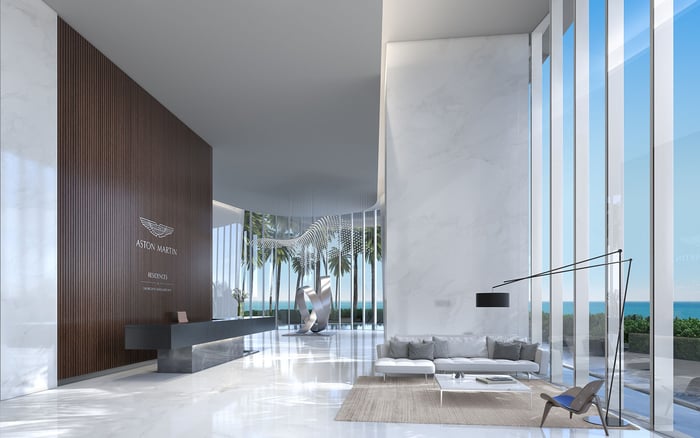
Baccarat Residences Brickell is best understood as a branded-residence ownership case study, not a generic condominium purchase. Brand affiliation can shape expectations before a buyer ever reads the condominium documents. It implies a service culture, a prestige signal, and a level of sensory polish that may influence both daily living and future market positioning.
Yet brand is not a substitute for diligence. A buyer should examine how the brand relationship is structured, what fees or service obligations may apply, how standards are maintained, and what happens if management quality changes over time. The allure of a name can be powerful, but the durability of ownership depends on the documents, budgets, and association governance behind it.
In Brickell, this analysis is especially important because the neighborhood has become a magnet for branded luxury living. Buyers comparing Baccarat with other branded options such as St. Regis® Residences Brickell should look beyond the emotional pull of the name and assess maintenance costs, rental rules, reserve funding, service execution, and the association’s ability to preserve the promise that attracted purchasers in the first place.
With 619 Residences by Foster + Partners + Nobu Hospitality, the prudent ownership angle is to focus on what must be verified before closing, rather than assuming the final product from the brand and design associations alone. Pre-Construction ownership can offer access to a coveted new address, but it also requires buyers to evaluate delivery risk, final operating costs, governance formation, and the transition from developer control to owner-controlled association life.
This is not a reason to avoid new development. It is a reason to be precise. Buyers should review deposit structure, rescission rights, projected budgets, proposed rental policies, service arrangements, insurance assumptions, and any brand or hospitality agreements that could affect future costs. The most elegant sales gallery cannot answer all of these questions.
For global buyers accustomed to private banking, family office review, and multi-jurisdictional asset planning, this level of scrutiny should feel familiar. The residence may be emotional, but the acquisition should be documentary, comparative, and patient.
One Thousand Museum Downtown Miami
is useful because it provides a completed-building comparison point. In an established tower, buyers can study actual operating history rather than rely only on projected assumptions. Association budgets, maintenance burden, service delivery, reserve planning, and Resale behavior become part of the conversation.
That does not make the decision simpler. It makes it more evidence-driven. A completed tower allows a buyer to ask how the building has aged, how consistently amenities are maintained, whether staff experience aligns with the level of the asset, and how prior resale activity frames the depth of demand. In the ultra-luxury tier, an iconic profile may attract attention, but consistent operations help sustain confidence.
Downtown Miami also offers a different ownership rhythm from Brickell. It can appeal to buyers who value a landmark setting and an established tower experience, while Brickell may appeal to those prioritizing financial-district energy and a dense luxury pipeline. The better choice depends on how the buyer intends to use the residence, how long they expect to hold it, and how much certainty they require before committing capital.
Brickell is not merely a location; it is an ownership ecosystem shaped by condominium density, international demand, hospitality influence, and a steady flow of new luxury inventory. That can support liquidity, but it can also create comparison pressure. A branded tower must keep its service proposition fresh because buyers will measure it against nearby alternatives.
Downtown Miami has its own calculus. A completed landmark tower may offer fewer unknowns, yet buyers still need to understand operating costs and association priorities. The value proposition is not fixed at completion. It evolves through maintenance, management consistency, insurance realities, capital planning, and the quality of owner participation.
For both neighborhoods, the central question is whether the building can remain compelling after the first cycle of novelty has passed. The best luxury condominiums are not just introduced well; they are governed well.
The most valuable ownership review often begins with unglamorous paperwork. Buyers should study the condominium declaration, association budget, reserve posture, insurance obligations, rental restrictions, management agreements, brand or service arrangements, and any rules that govern alterations, guests, pets, staff access, and amenity use.
Rental flexibility deserves particular attention. Some buyers want optionality for seasonal use, family occupancy, or longer-term leasing. Others prioritize privacy and low turnover. Neither position is inherently better, but the building’s rules should match the owner’s real plan. Misalignment can turn a beautiful asset into an operational frustration.
Reserve funding is equally important. Ultra-luxury buildings require expensive upkeep, especially when amenities, exterior systems, pools, lounges, and service areas are part of the daily promise. Underfunded associations can face difficult choices later. Well-capitalized associations may feel more expensive in the short term, but they can be more resilient over decades.
For many South Florida buyers, these residences are both lifestyle assets and Investment holdings. That dual purpose requires discipline. A residence that delights on arrival should also remain legible to a future buyer, with clear governance, credible maintenance, reasonable use rules, and a service culture that does not depend solely on launch-year excitement.
Baccarat Residences Brickell places the spotlight on the power and responsibility of branded ownership. One Thousand Museum Downtown Miami highlights the value of observing a completed tower in operation. 619 Residences by Foster + Partners + Nobu Hospitality underscores the importance of verifying how a proposed ownership experience will translate into legal and financial reality.
The most informed buyer does not ask which tower has the strongest name. The better question is which ownership structure, service model, and association culture will feel as compelling in year ten as it does on the day of purchase.
Why does brand affiliation matter in a Miami condominium purchase? Brand affiliation can influence service expectations, perceived prestige, and future buyer perception, but it should be tested against the legal and financial documents.
Is Baccarat Residences Brickell just a typical condo purchase? No. It should be evaluated as a branded-residence ownership case, with attention to service standards, fees, governance, and resale positioning.
How should buyers approach 619 Residences by Foster + Partners + Nobu Hospitality? Buyers should focus on Pre-Construction diligence, including proposed budgets, rental policies, service arrangements, and final ownership documents.
Why is One Thousand Museum Downtown Miami a useful comparator? It is a completed tower, so buyers can evaluate operating history, actual service delivery, maintenance burden, and resale context.
What documents should be reviewed before purchasing? Key documents include the condominium declaration, association budget, reserve information, rental rules, management agreements, and service obligations.
Are rental rules important for luxury buyers? Yes. Rental restrictions can affect flexibility, privacy, carrying strategy, and the future pool of potential buyers.
Do higher maintenance costs always signal a problem? Not necessarily. In ultra-luxury buildings, strong maintenance and reserve planning may help preserve the asset’s long-term quality.
Is Brickell different from Downtown Miami for ownership? Yes. Brickell offers a dense branded luxury environment, while Downtown Miami may appeal to buyers seeking an established landmark tower context.
What matters most for Resale durability? Governance quality, service consistency, financial discipline, rental policy, and long-term upkeep often matter as much as design reputation.
Should buyers rely on price per square foot alone? No. Price per square foot is only one metric; the stronger review compares legal structure, management quality, costs, rules, and durability.
For a confidential assessment and a building-by-building shortlist, connect with MILLION.
If branded residences are on your mind — as a home or as an allocation — we would be glad to share what we are seeing, privately.
Begin a quiet conversation