A discreet buyer’s guide to evaluating balcony and terrace maintenance before purchasing luxury real estate in Sunny Isles Beach, with practical questions for inspections, budgets, materials, rules, and long-term ownership.
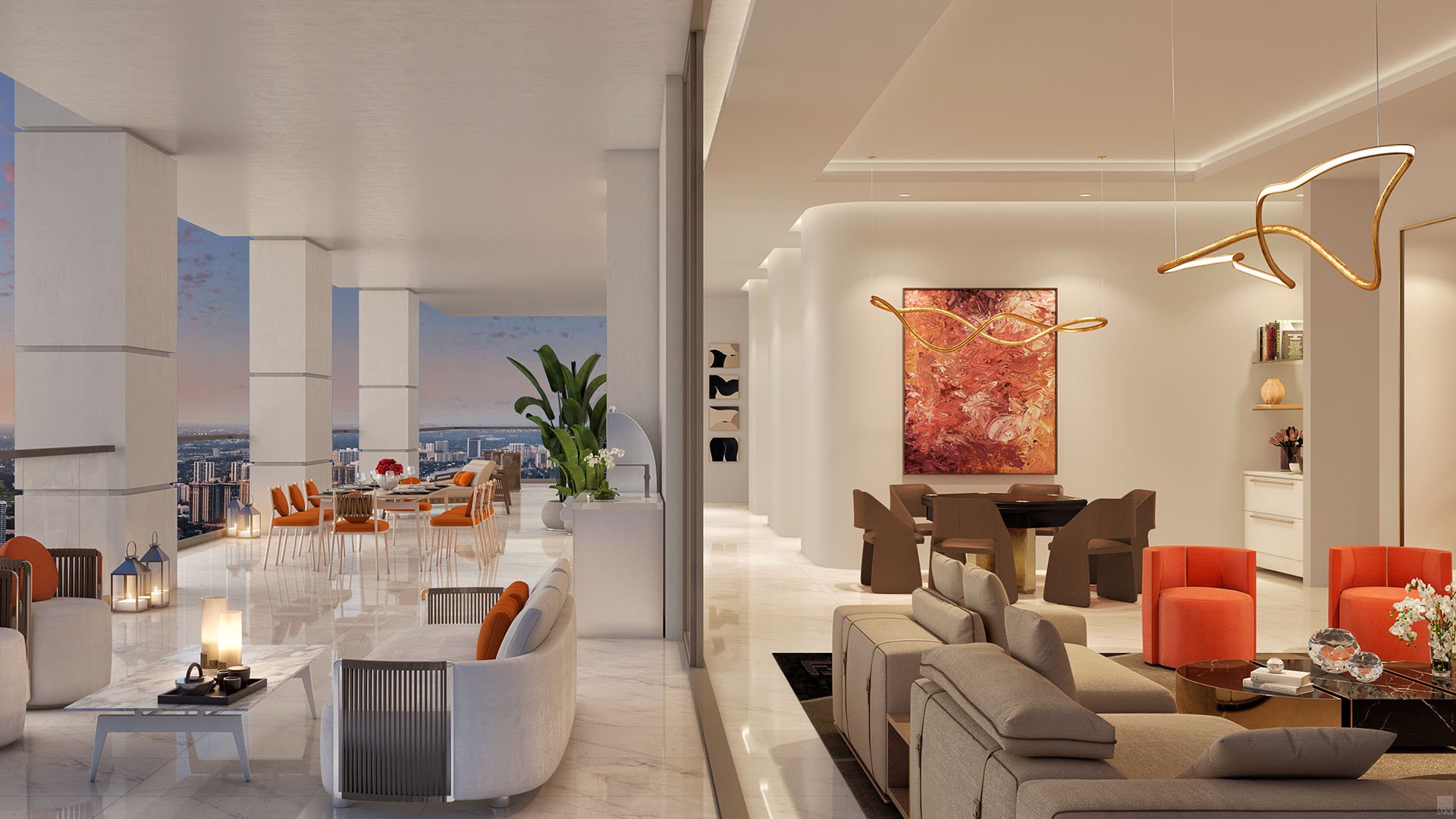
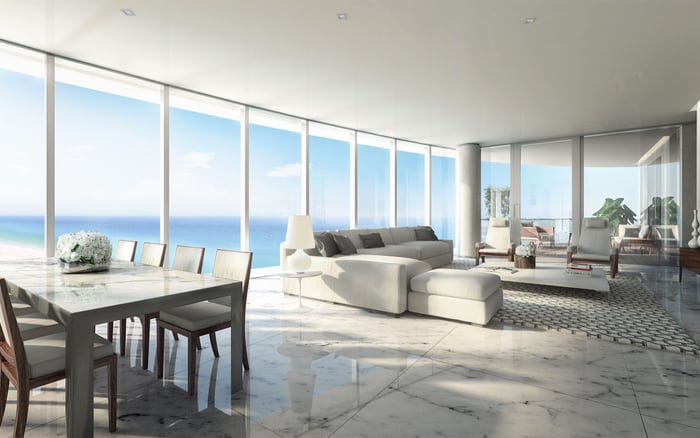
In Sunny Isles Beach, the private outdoor room is often the emotional center of a residence. Morning coffee above the Atlantic, an evening glass of wine toward the skyline, a shaded lunch on a deep Terrace: these are not accessories to luxury living. They are part of the purchase itself.
Yet even the most beautiful Balcony can be among the most misunderstood parts of a condominium acquisition. It sits between private enjoyment and shared building responsibility. It is exposed to salt air, sun, wind, rain, and daily use. It may be governed by association rules, building standards, architectural guidelines, insurance requirements, and maintenance schedules that are not obvious during a showing.
That is why balcony and terrace due diligence belongs near the top of any serious Sunny Isles Beach buyer’s checklist. The questions are not meant to create anxiety. They are meant to protect the pleasure of ownership, clarify future costs, and help a buyer compare residences with confidence.
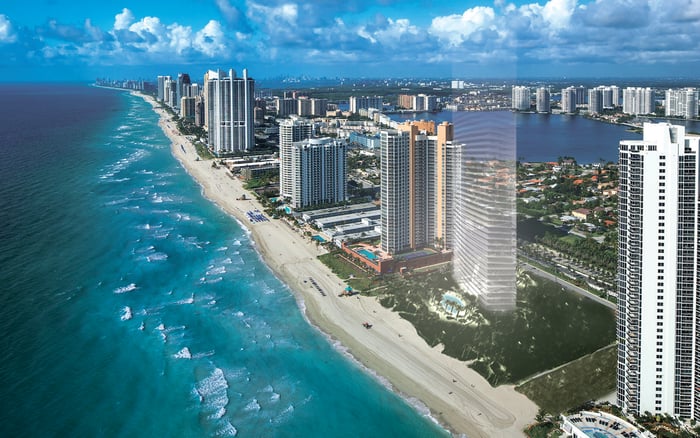
This is especially true when touring Oceanfront towers and Waterfront residences such as St. Regis® Residences Sunny Isles, Bentley Residences Sunny Isles, and The Ritz-Carlton Residences® Sunny Isles. The name, view, and plan matter, but so does the long-term stewardship of the outdoor space.
The first question is deceptively simple: who owns and maintains what? In condominium language, a balcony or terrace may include elements that feel private but are treated differently under the governing documents. The floor surface, waterproofing membrane, slab, railings, drains, exterior doors, lighting, planters, and ceilings may not all fall under the same responsibility.
Ask the association, seller, or closing team to identify which portions are unit owner responsibility and which are building responsibility. Then ask how that distinction works in practice. If a railing needs attention, is that handled by the association? If a tile cracks, is the owner responsible for replacement? If water intrusion appears around a threshold, who investigates first?
For luxury buyers, this distinction is not merely technical. It affects repair timelines, insurance conversations, renovation permissions, and resale confidence. A terrace that photographs beautifully but carries unclear obligations can become complicated after closing.
A freshly staged terrace may conceal a history of small repairs, recurring issues, or deferred upkeep. Before buying, ask whether the unit’s outdoor areas have had prior repairs involving drainage, waterproofing, coatings, railing attachments, door thresholds, stucco, tile, pavers, or ceiling finishes.
The goal is not to penalize a residence for having maintenance history. Well-maintained buildings address issues as they arise. The more important question is whether the work was properly documented, approved, and completed with materials appropriate for the building’s standards.
A discerning buyer should request available records, association correspondence, warranties if applicable, and any approvals connected to prior work. If a seller installed flooring, lighting, planters, shade elements, or built-in features, ask whether the association approved those changes. In refined buildings, unauthorized improvements can matter when future repairs or resale reviews occur.
Balconies and terraces depend on quiet systems that most buyers do not notice during a daytime tour. Drainage slope, scuppers, drains, membranes, sealants, door thresholds, and transitions all help protect the residence and the building envelope.
Ask how water is intended to leave the terrace. Ask whether drains are maintained by the owner or association. Ask whether potted plants, outdoor rugs, furniture pads, or decorative stones are restricted because they can trap moisture or block drainage. Ask whether the association has rules on cleaning methods, pressure washing, chemical products, or coatings.
In Sunny Isles Beach, outdoor space is used frequently and intensely. That makes drainage discipline especially important. A glamorous terrace should be evaluated not only when it is dry and furnished, but also for how it performs after rain and routine cleaning.
The strongest luxury terrace design is often the one that respects the building’s technical requirements. Before planning imported stone, porcelain pavers, artificial turf, outdoor kitchens, planters, screens, heaters, or decorative lighting, ask exactly what is permitted.
Some buildings require specific materials, installation methods, weight limits, waterproofing protections, attachment rules, and design approvals. Others restrict drilling, adhesives, umbrellas, glass modifications, railing attachments, or objects visible from neighboring residences.
For a buyer comparing a move-in-ready residence with one that invites customization, this is essential. A wide terrace may suggest endless design possibilities, but the association documents and building standards determine what can actually be done. The best time to discover those limits is before contract deadlines, not after closing.
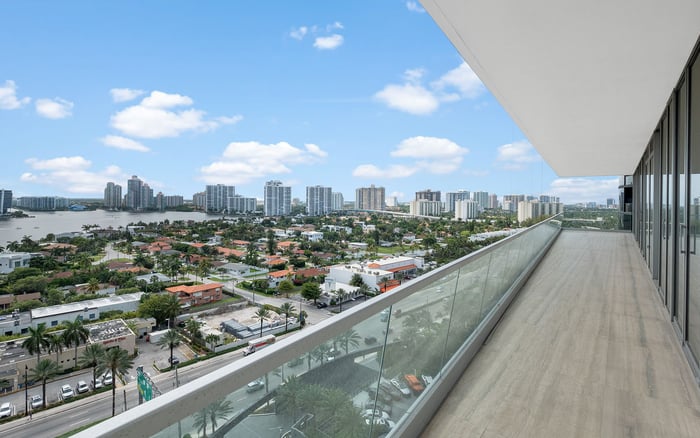
The terrace edge deserves particular attention. Railings, balcony glass, exterior doors, handles, tracks, locks, and weather seals are heavily used and constantly exposed. During showings, buyers tend to look through these elements toward the view. A better approach is to inspect them carefully.
Ask whether railings or glass panels have been repaired or replaced. Ask who maintains sliding door tracks and seals. Ask whether exterior doors operate smoothly, lock properly, and show signs of corrosion or moisture. Ask whether any balcony glass, flooring, or railing components are scheduled for building-wide inspection, maintenance, or replacement.
For residences on higher floors, these details can influence comfort as much as condition. Wind, sound, water management, and ease of operation all shape daily life. The best balcony is not only photogenic. It is stable, usable, and calmly maintained.
A terrace is an outdoor salon, but it is still part of a condominium community. Ask about furniture rules, approved umbrella types, grill restrictions, planter limits, holiday decor, music, pet use, smoking, storage, and storm preparation requirements.
This is where lifestyle and governance meet. A buyer who imagines large planters, sculptural furniture, or frequent entertaining should understand whether the building allows that vision. A buyer who travels often should ask what must be brought inside before severe weather and whether staff may assist, if building policy permits.
These questions are especially relevant for second-home ownership. The terrace must be beautiful when the owner is in residence, but also secure and compliant when the owner is away.
Outdoor spaces are part of a building’s long-term maintenance culture. Review association budgets, reserve planning, recent assessments, pending projects, and meeting discussions for references to balconies, terraces, waterproofing, concrete, railings, exterior painting, façade work, windows, doors, and drainage.
A pristine lobby does not answer these questions. The budget often reveals how a building thinks about preventive care. Buyers should look for a pattern of attention, documentation, and realistic planning.
The most sophisticated purchases are rarely defined by surface beauty alone. They are defined by a clear understanding of what ownership will require over time. Balcony and terrace diligence is a prime example: it protects both lifestyle and asset quality.
A luxury buyer should not rely exclusively on visual impressions. Consider bringing in the right inspectors, contractors, or design professionals within the timeline allowed by the contract. The objective is not to redesign the terrace before closing. It is to understand condition, risk, permissions, and maintenance responsibilities.
Ask specialists to look at drainage, surface conditions, door thresholds, sealants, corrosion, prior repairs, ceiling marks, railing stability, and any visible signs of moisture. If customization is part of the plan, ask whether proposed finishes or furniture concepts appear compatible with typical condominium approval processes.
The most elegant outcome is clarity. When a buyer knows what can be maintained, improved, insured, and enjoyed, the terrace returns to what it should be: a private frame for the sea, the city, and the rhythm of Sunny Isles Beach.
Who usually maintains a condo balcony in Sunny Isles Beach? Responsibility depends on the condominium documents. Ask which elements are owner responsibility, association responsibility, or limited common elements.
Should I inspect a terrace even if it looks new? Yes. New finishes can still cover drainage, waterproofing, or approval issues that deserve review before closing.
What should I ask about balcony flooring? Ask whether it was approved, who installed it, whether it protects waterproofing, and who pays for future repairs.
Can I add planters or outdoor furniture after closing? Often, but rules may govern weight, placement, visibility, drainage, and storm preparation. Confirm before purchasing custom pieces.
Are grills usually allowed on luxury condo terraces? Policies vary by building. Ask for the written rule rather than relying on what neighboring terraces appear to show.
Why is drainage such a major issue? Poor drainage can affect surfaces, thresholds, waterproofing, and neighboring areas. It should be understood before ownership transfers.
Should balcony repairs be documented? Yes. Documentation helps clarify approvals, warranties, responsibility, and whether work complied with building standards.
What is the biggest mistake buyers make? Many focus on the view and forget to ask how the outdoor space is governed, maintained, and funded over time.
Can terrace rules affect resale value? They can affect buyer confidence and design flexibility. Clear approvals and well-kept outdoor areas are easier to explain during resale.
When should I ask these questions? Ask during due diligence, before contract deadlines expire. That timing gives you the best leverage to investigate and decide.
For a discreet conversation and a curated building-by-building shortlist, connect with MILLION.
If branded residences are on your mind — as a home or as an allocation — we would be glad to share what we are seeing, privately.
Begin a quiet conversation