For collectors, the true cost of a branded residence is not limited to price, view or service. In South Florida, art-friendly climate control can influence fit-out budgets, insurance conversations, operating expenses and long-term asset protection.
A branded residence is often evaluated through the visible lens of arrival, service, architecture, finishes and view. For an art-owning buyer, however, one of the most consequential questions is quieter: how well can the home protect sensitive works from South Florida’s heat, humidity, light and daily coastal exposure?
That question can materially change the real cost of ownership. The purchase price may secure the address, the brand and the private amenities, but the art environment determines what may need to be spent afterward. A residence that requires additional humidity control, filtration, shading, monitoring or specialty storage can carry a meaningfully different cost profile than one whose systems were planned with collectors in mind.
For high-net-worth buyers, this is not merely technical. It is a lifestyle and investment question. The more important the collection, the more climate performance belongs in the same conversation as views, privacy, staff circulation and parking.
Climate control becomes expensive when it is treated as an afterthought. In a standard luxury evaluation, a buyer may ask about ceiling heights, appliance packages and amenity access. A collector should also ask whether the residence can maintain a stable interior environment during daily use, seasonal occupancy and periods when the owner is away.
The real cost includes the base home, post-closing mechanical modifications, electrical allowances, monitoring equipment, window treatments, specialty lighting, possible off-site storage, insurance conditions and maintenance. It may also include design compromises, such as avoiding certain sunlit walls or limiting where large-scale works can be displayed.
This is especially relevant in Branded Residences, where the premium is often attached to hospitality, design identity and lifestyle continuity. In Brickell, for example, a buyer comparing a vertical, highly serviced setting such as 888 Brickell by Dolce & Gabbana should separate the appeal of the brand from the practical question of how the individual residence will support art over time.
An art-friendly residence does not need to look technical. In the best cases, the systems disappear into the architecture. The due diligence, however, should be exacting.
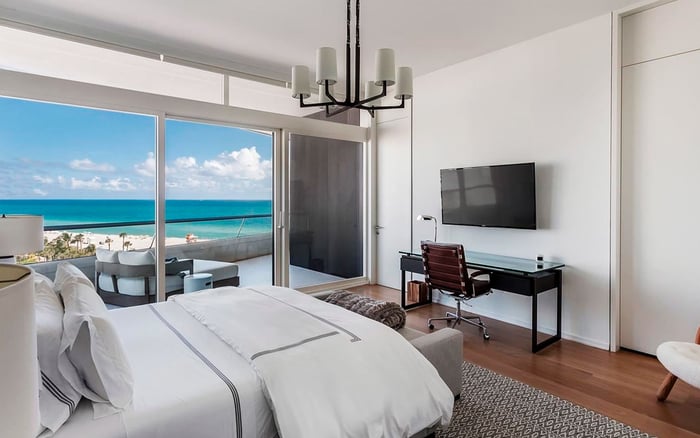
Buyers should examine whether the home can support meaningful HVAC zoning, consistent humidity management, appropriate filtration, discreet sensor placement and reliable service access. Window exposure also matters. A dramatic wall of glass may be extraordinary for living, entertaining and resale appeal, yet it can challenge light-sensitive works unless shading, glazing and placement are carefully coordinated.
Airflow deserves the same scrutiny. Art should not be positioned where supply vents, return vents or exterior doors create repeated environmental stress. A refined interior plan considers where important works can live comfortably, not just where they photograph beautifully.
In a glass-forward urban setting such as The Residences at 1428 Brickell, the right question is not simply whether the residence is impressive. It is whether the mechanical, electrical and interior design strategy can be aligned with the owner’s collection before the home is fully specified.
Collectors should think in rooms, not just floor plans. The entry gallery, great room, primary suite corridor, library and den may each carry different environmental demands. A powder room wall may be tempting for a small work, but humidity and traffic patterns may make it less suitable. A terrace-facing living room may deliver the emotional centerpiece of the home, but direct sun and frequent indoor-outdoor circulation can affect what belongs there.
Storage is equally important. A residence may have generous closets and service areas, yet not every storage location is appropriate for unframed works, photography, textiles or works on paper. If a collection rotates seasonally, the owner may need a dedicated art room, a controlled closet or a clear relationship with professional storage outside the residence.
In Miami Beach, where light, entertaining and ocean proximity are central to the residential experience, buyers looking at properties such as Shore Club Private Collections Miami Beach should evaluate display ambitions and conservation needs together. The most elegant solution is usually planned early, before millwork, lighting and automation decisions are locked.
A luxury brand can elevate service culture, design consistency and buyer confidence. It may also suggest a more disciplined approach to operations. But the brand itself is not a substitute for collector-specific due diligence.
The distinction matters. A residence can be beautifully branded and still require buyer-funded upgrades to meet the needs of a serious collection. Conversely, a less obvious plan detail, such as zoned air handling or better maintenance access, may save money over time by reducing retrofits and operational friction.
In Sunny Isles Beach, a buyer considering a branded coastal environment such as The Ritz-Carlton Residences® Sunny Isles should ask the same disciplined questions asked in any collector residence. How is humidity controlled? Where will major works hang? What happens when the owner is traveling? How quickly can engineering support be accessed if a system requires attention?
The goal is not to turn the home into a museum. It is to preserve the residential pleasure of the space while avoiding unnecessary risk to valuable objects.
A collector’s underwriting should begin before the contract is signed, not after closing. The buyer’s advisory team may include an art consultant, conservator, interior designer, lighting designer, insurance advisor and mechanical specialist. Their role is not to complicate the purchase. It is to identify whether the residence can support the owner’s intended lifestyle without expensive surprises.
The review should include proposed wall locations for major works, sun exposure, lighting temperatures, shade control, humidity strategy, filtration expectations, automation compatibility and access for future servicing. If the purchase is pre-construction, the buyer should ask which modifications can be made during the design process and which would require later work.
This is where Design & Architecture become inseparable from operations. A magnificent interior that ignores climate behavior may become costly to maintain. A quieter technical choice, made early, may protect both the collection and the serenity of the home.
For Palm Beach buyers evaluating a residence such as The Ritz-Carlton Residences® West Palm Beach, the art conversation should be integrated with daily life. The residence must support guests, staff, travel, entertaining and privacy, while also respecting the conditions delicate works require.
In ultra-premium purchases, negotiation is often framed around price, deposits, closing costs and timelines. For art owners, the more valuable negotiation may involve specifications.
If the building is still in development, the buyer can explore whether enhanced systems, additional controls, specialty wall preparation, lighting adjustments or wiring pathways can be incorporated. If the residence is complete, the buyer should understand what modifications are permitted, which approvals are required and how any work may affect warranties, service access or building rules.
This is also the moment to price ongoing care. Filters, sensors, service contracts, remote monitoring, backup planning and periodic inspections are part of ownership. None may be dramatic in isolation, but together they shape the annual cost of living with art in South Florida.
The most sophisticated buyers do not treat these items as nuisances. They treat them as part of the residence’s cost basis. A home that protects the collection with fewer interventions may justify a different valuation than one that requires a second layer of systems after closing.
Does every branded residence protect art equally well? No. Brand, service and architecture can be valuable, but art protection depends on the specific residence, systems, exposure and maintenance plan.
What is the first climate question a collector should ask? Ask whether temperature, humidity, airflow and light can be managed consistently in the rooms where important works will be displayed.
Can interior design solve climate-control issues alone? Design helps, but it cannot replace appropriate mechanical systems, filtration, shading and monitoring where valuable works are involved.
Should art due diligence happen before or after contract? Before contract is preferable, especially when modifications, allowances or technical approvals could affect the true cost of ownership.
Is oceanfront living risky for art? It can be managed, but coastal exposure makes humidity, sunlight, airflow and storage planning especially important for collectors.
Do collectors need a separate art storage room? Not always. The need depends on the size, sensitivity and rotation habits of the collection, as well as the residence’s available controlled space.
Can smart-home systems help protect art? They can support monitoring and alerts, but they should complement properly designed HVAC, shading, filtration and maintenance procedures.
What costs are easiest to overlook? Buyers often overlook specialty lighting, window treatments, sensors, service contracts, filtration, insurance requirements and off-site storage.
Is this only relevant for major collections? No. Even a small group of meaningful works can justify better planning if the pieces are sensitive, valuable or difficult to replace.
How should buyers compare two similar residences? Compare not only price and view, but also the cost of upgrades, maintenance, monitoring and any limitations on where art can safely be displayed.
To compare the best-fit options with clarity, connect with MILLION.
If branded residences are on your mind — as a home or as an allocation — we would be glad to share what we are seeing, privately.
Begin a quiet conversation