A discreet buyer’s guide for Dallas households evaluating wellness-led residences in Bal Harbour and South Florida, with practical filters for daily rituals, privacy, service, design, and long-term livability.
For a Dallas buyer, the move to Bal Harbour is rarely a simple change of address. It is a change in rhythm. The large home, the gated approach, the private gym, the shaded patio, the controlled arrival sequence, and the expectation of discretion all have to translate into a vertical or resort-style residential environment without lowering the standard of living.
That is the real promise of a wellness-led residence. It is not simply a building with spa language in the brochure. It is a home that supports sleep, movement, privacy, restoration, entertaining, and ease of ownership with the same seriousness that a custom estate applies to security, landscape, and indoor-outdoor flow.
Bal Harbour belongs naturally in this conversation because it appeals to buyers who want coastal quiet without giving up design, dining, retail, and access. Yet the broader South Florida field matters as well. Some buyers will prefer the intimacy of Bay Harbor Islands, others the established calm of Coconut Grove, and others the oceanfront atmosphere of Miami Beach. The goal is not to chase the longest amenity list. It is to identify the residence that best protects the way you want to live.
The first question is personal: what does wellness mean in your household? For some, it means a complete fitness routine downstairs, with strength training, stretching, steam, treatment rooms, and recovery areas. For others, it means quiet elevators, generous bedroom separation, filtered light, outdoor terraces, a calm pool deck, and the ability to host without disrupting the private quarters of the home.
This is where many buyers make the wrong comparison. They ask which building has more amenities before deciding which amenities they will actually use. A more disciplined approach begins with a weekly map. Where do you train? Where do you take calls? Where do guests sleep? Where does luggage land after a flight? Where do children, pets, staff, and visiting family naturally circulate?
A residence that answers those questions cleanly will feel healthier than one that merely photographs well. Look closely at arrival, elevator access, primary suite placement, terrace usability, kitchen scale, service entries, acoustic privacy, and storage. Wellness is often found in what removes friction.
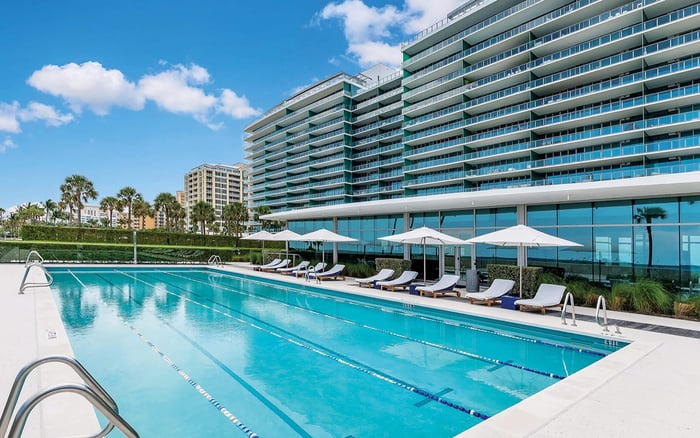
Bal Harbour offers a distinct lifestyle proposition: composed, polished, and close to the water. A buyer focused on privacy may look closely at Rivage Bal Harbour as part of a broader review of how a residence handles arrival, views, terraces, and daily service. The key is to evaluate the building as an extension of your private life, not as a hotel lobby with bedrooms above it.
Bay Harbor Islands can be compelling for buyers who want a quieter residential texture near Bal Harbour without feeling removed. A project such as The Well Bay Harbor Islands belongs in the conversation for households explicitly seeking a wellness-forward identity in a more intimate setting. The question is how that identity translates into the actual residence: ceiling heights, natural light, terraces, circulation, and the degree of calm once the front door closes.
Coconut Grove speaks to a different version of wellness. It is softer, greener, and more neighborhood-oriented in feel. Buyers comparing coastal minimalism with a more garden-like lifestyle may consider The Well Coconut Grove alongside other residences that prioritize privacy, shade, and relaxed daily routines. For some Dallas families, that balance can feel closer to estate living than a purely beachfront address.
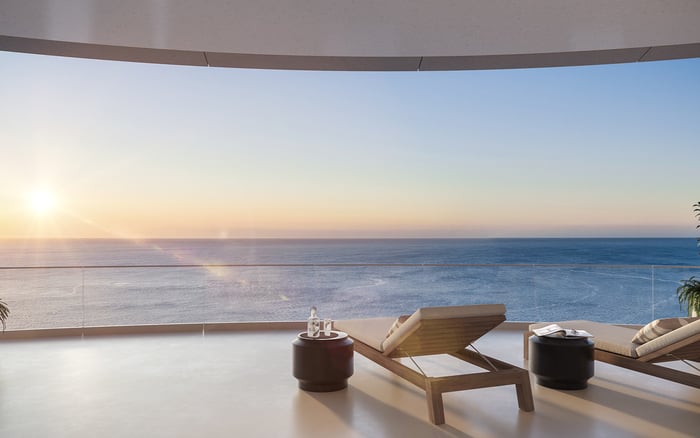
Miami Beach remains important for buyers who want sand, design, and a more social residential environment. 57 Ocean Miami Beach may be part of a coastal comparison when the buyer’s definition of wellness includes direct proximity to the beach, generous outdoor living, and a resort-like daily cadence.
A wellness-led residence must be evaluated at the scale of a day, not a showing. Arrive the way you would after a long flight. Notice whether the entrance feels calm or theatrical. Ride the elevator and listen. Stand in the primary bedroom at different times of day. Open the terrace doors. Imagine a trainer arriving in the morning, family visiting for a weekend, and a quiet dinner ending late.
Dallas buyers are often accustomed to width, storage, and autonomy. In South Florida, those expectations must be translated carefully. A beautiful residence can disappoint if there is no sensible place for golf clubs, beach gear, wine, extra luggage, wellness equipment, or seasonal clothing. A plan that looks elegant on paper can feel compromised if guest rooms sit too close to the primary suite or if service circulation crosses the main entertaining area.
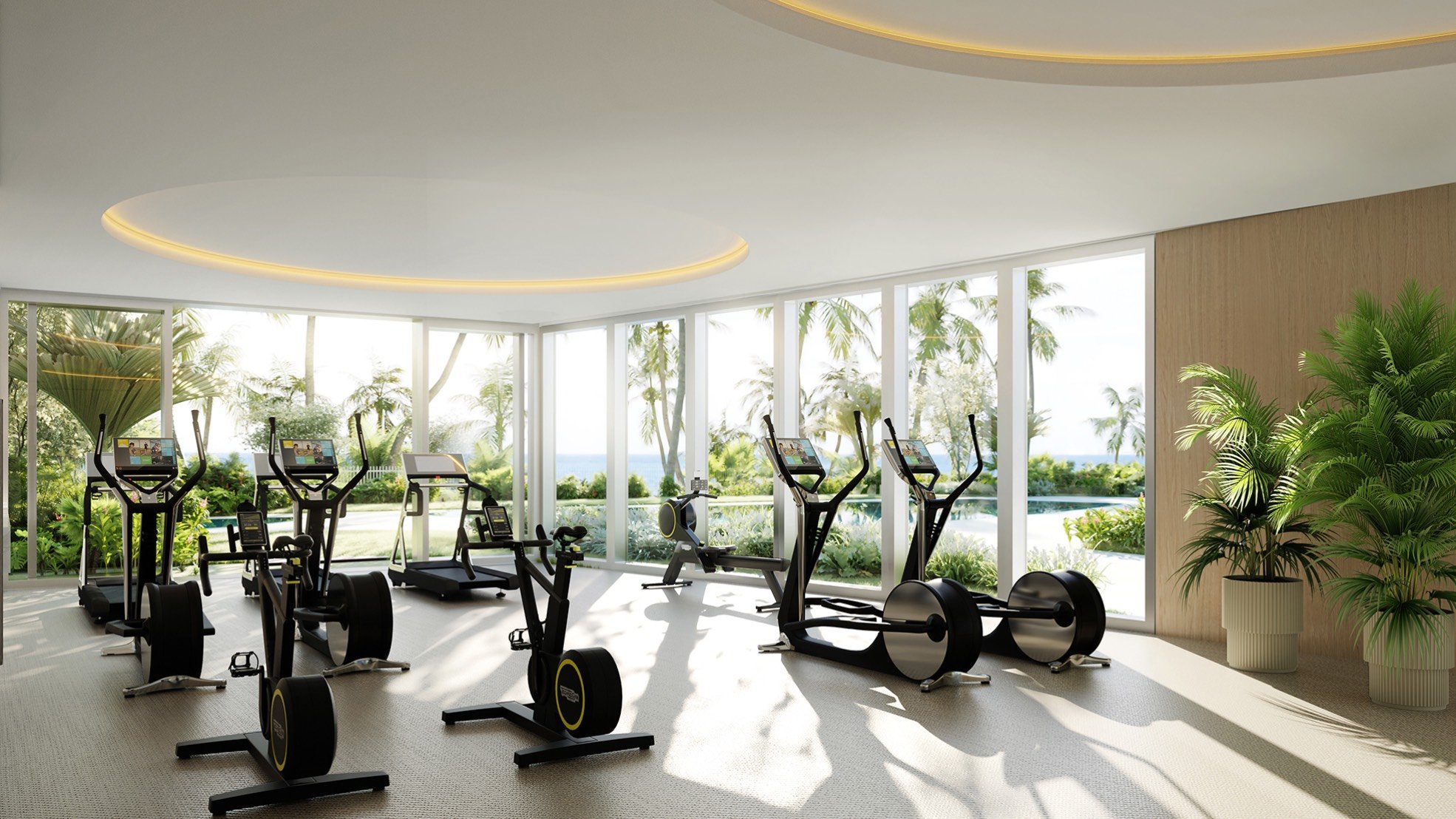
Ask practical questions. Where does a package go? How private is the pool experience? Can you leave for several weeks and return to a home that feels attended to? Is the gym sufficient for your actual training style, or will you still need a private club? Are spa spaces designed for use or display? Can outdoor areas function in real life, not just in renderings?
At the ultra-premium level, wellness is inseparable from service. A building that reduces household management creates more time, more privacy, and more ease. Concierge quality, valet flow, maintenance responsiveness, housekeeping coordination, pet policies, guest handling, and owner communication all shape the experience.
Do not treat these as secondary matters. For a buyer coming from a staffed home in Dallas, service culture can determine whether a condominium feels effortless or constraining. The best residence is not always the most dramatic. It may be the one where the staff remembers preferences, the lobby remains composed, the garage works gracefully, and the building handles routine needs before they become interruptions.
This is also the place to separate wellness from branding. A name may open the door, but operations sustain the lifestyle. Before committing, understand what is controlled by the condominium association, what is managed by hospitality staff, what requires separate membership or reservation, and what may evolve over time.
The most useful checklist is rarely the longest. Start with the five elements that will shape everyday life: privacy, plan, light, service, and setting. Privacy includes elevator configuration, staff movement, sightlines, and acoustic separation. Plan includes bedroom placement, kitchen function, storage, and the relationship between indoor and outdoor rooms. Light should be evaluated for comfort, glare, sleep, and the way the home feels in the late afternoon.
Service should be studied with the same care as finishes. Ask how residents book amenities, how guests are handled, how quickly issues are resolved, and how the building communicates with owners who travel frequently. Setting is the final filter. Bal Harbour, Bay Harbor Islands, Coconut Grove, and Miami Beach each offer a different wellness vocabulary. The right answer is the one that matches your household’s actual rhythm.
A successful purchase will feel less like a compromise and more like a refinement. You are not leaving the privacy of Dallas behind. You are choosing a different architecture for it.
What should a Dallas buyer prioritize first in a wellness-led residence? Start with daily routine, not amenities. The right home should support sleep, movement, privacy, work, guests, and travel with minimal friction.
Is Bal Harbour a strong fit for wellness-minded buyers? Bal Harbour can suit buyers seeking coastal calm, discretion, and an elevated residential setting. The individual building and floor plan remain the deciding factors.
How should I compare Bal Harbour with Bay Harbor Islands? Bal Harbour often feels more polished and coastal, while Bay Harbor Islands can feel more intimate and residential. The better choice depends on privacy, access, and lifestyle rhythm.
Does a wellness brand guarantee a better residence? No. Branding may signal intent, but buyers should verify plan quality, service standards, light, acoustics, storage, and the actual usefulness of amenities.
What makes a floor plan feel healthier day to day? Strong bedroom separation, useful terraces, natural light, storage, quiet circulation, and clear service areas can make a home feel calmer and more livable.
Should I focus on oceanfront residences only? Oceanfront living can be compelling, but it is not the only path to wellness. Privacy, service, neighborhood feel, and interior planning may matter just as much.
How important is building staff in this category? Very important. Service quality affects arrival, privacy, maintenance, guests, travel, and the overall ease of ownership.
What should I look for during an in-person tour? Test the residence like a real day. Study arrival, elevator experience, terrace comfort, primary suite calm, storage, guest flow, and amenity access.
Can a condominium replace the feel of a private Dallas home? It can, if the residence offers privacy, scale, service, storage, and outdoor space that align with the household’s habits. The transition should feel intentional.
When should I involve an advisor? Involve an advisor before narrowing the search too far. Early guidance helps compare buildings, lifestyle fit, service models, and resale considerations.
If you'd like a private walkthrough and a curated shortlist, connect with MILLION.
If branded residences are on your mind — as a home or as an allocation — we would be glad to share what we are seeing, privately.
Begin a quiet conversation