Outdoor kitchens in South Florida towers are not just lifestyle amenities. Their materials, placement, serviceability, and exposure profile can meaningfully affect ownership cost, resale confidence, and daily enjoyment.
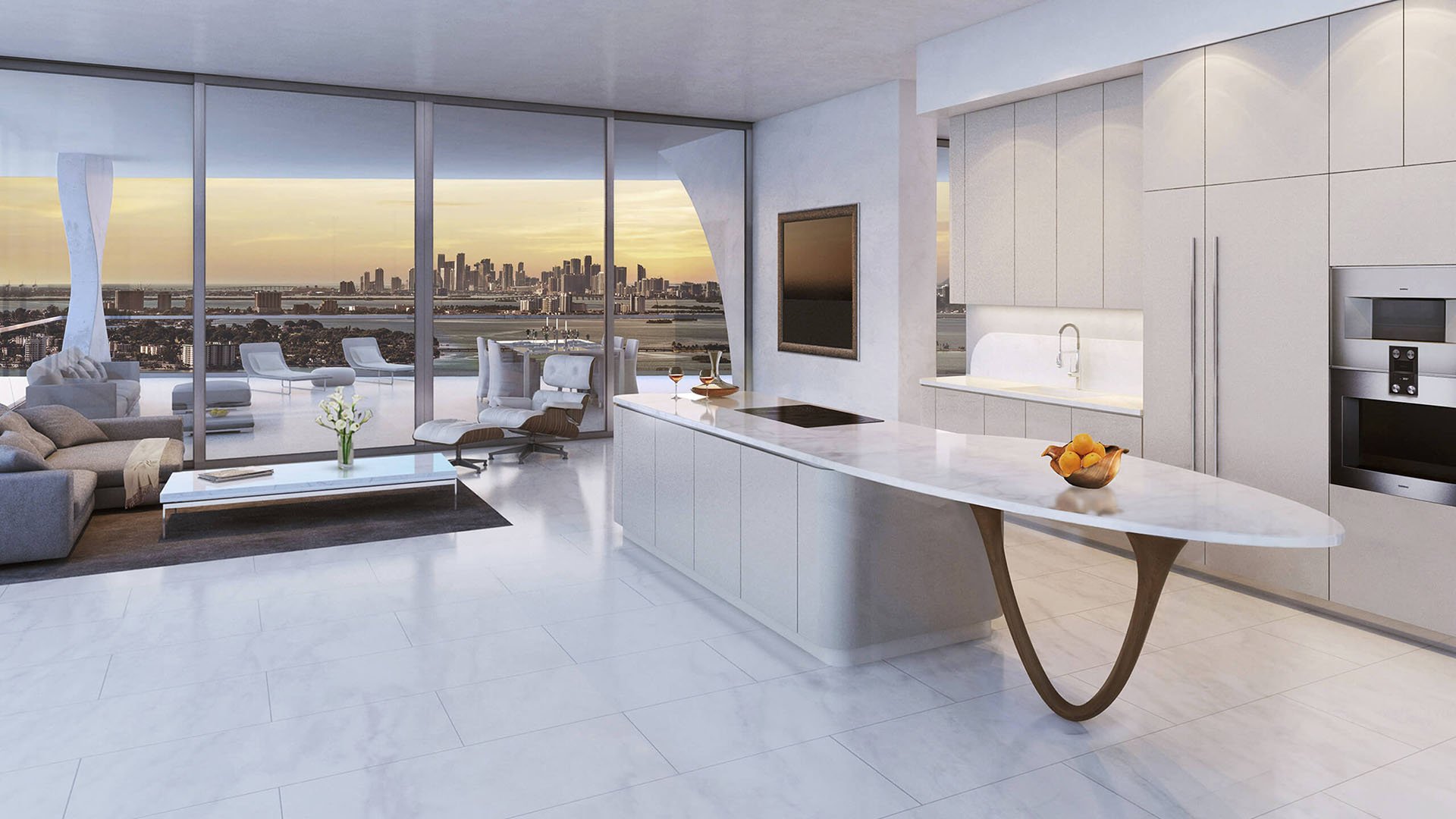
In South Florida, the outdoor kitchen has become one of the clearest expressions of residential luxury. It suggests effortless entertaining, sunset dinners, and a private version of the resort experience. Yet in a full-service tower, its true value is less about the first impression and more about how well it performs through seasons of salt air, heat, humidity, rain, and wind.
For buyers comparing a waterfront residence in Brickell, Miami Beach, Sunny Isles Beach, Fort Lauderdale, or Pompano Beach, the terrace kitchen can quietly change the real cost of ownership. A beautifully photographed grill station that requires frequent repairs, hard-to-source replacement parts, or disruptive maintenance is not the same asset as an outdoor cooking environment planned with marine-grade thinking, proper drainage, and straightforward service access.
That distinction matters because a full-service tower does not remove responsibility from the private residence. Staff, management, and building systems can elevate the experience, but the private terrace remains a highly exposed living space. A durable outdoor kitchen protects convenience, appearance, and resale confidence. A fragile one can turn a premium feature into a recurring expense.
Outdoor kitchens in South Florida live in a demanding environment. Sun can fade finishes. Humidity can challenge cabinetry. Salt air can affect metal components. Wind-driven rain can find weak points in seams, drawers, and electrical areas. Even when a residence sits high above the water, exposure is not theoretical. It is part of daily ownership.
This is why the conversation should move beyond whether a terrace has a grill. The stronger question is how the entire assembly was conceived. Buyers should look at cabinet construction, countertop material, hardware, appliance quality, drainage paths, ventilation, covers, and the relationship between the kitchen and the building envelope. A terrace that feels effortless is often the result of highly practical decisions concealed beneath the surface.
The most durable installations tend to feel quiet rather than theatrical. Drawers close cleanly. Surfaces drain properly. Cabinet interiors resist swelling. Appliances can be accessed without dismantling the surrounding millwork. The finish palette may be elegant, but the logic is technical.
A full-service tower can make outdoor entertaining easier, especially when the building culture supports private dining, deliveries, maintenance coordination, and attentive management. Still, a private outdoor kitchen remains a system. It has utilities, heat, water, storage, finishes, and moving parts.
In buildings such as The Residences at 1428 Brickell, buyers often evaluate indoor and outdoor space as one continuous lifestyle proposition. That is precisely why durability deserves careful attention. A large balcony or terrace may carry emotional appeal, but its long-term value depends on whether its features can withstand the climate with minimal friction.
The same principle applies in coastal settings. At The Perigon Miami Beach, an outdoor kitchen conversation should include exposure, privacy, materials, and ease of upkeep, not merely views. Oceanfront living rewards well-designed outdoor rooms, but it is unforgiving of weak specifications.
Start with cabinetry. Outdoor cabinets should be evaluated for resistance to moisture, corrosion, heat, and warping. Then examine the hardware. Hinges, pulls, slides, and fasteners often reveal whether the installation is built for the coast or simply styled for it. Finally, study the countertop. Porous, delicate, or poorly detailed surfaces can become difficult to maintain under strong sun and frequent use.
Appliances deserve the same scrutiny. A grill, refrigeration drawer, icemaker, or sink may look impressive during a showing, but buyers should ask how each component is protected, ventilated, drained, and serviced. If replacement requires unusual parts, custom dismantling, or extended downtime, the real cost is higher than it appears.
Utilities matter as well. Gas, electric, plumbing, shutoffs, and drainage should be understandable and accessible. A well-planned outdoor kitchen allows maintenance without turning every repair into a project. In a full-service tower, this practical clarity also benefits building staff and approved vendors, reducing inconvenience for the owner.
The real cost of an outdoor kitchen is not limited to the initial upgrade or purchase premium. It includes cleaning, preventive maintenance, service visits, replacements, cosmetic repairs, and the possibility of restricted use during peak entertaining periods. In a luxury residence, inconvenience has its own cost.
Poor durability can also affect how a home presents on resale. A worn terrace kitchen can make a residence feel older than its interiors. Corroded hardware, swollen cabinetry, stained surfaces, or inoperable appliances pull attention away from the view. Buyers in the upper tier are sensitive to deferred maintenance, especially when it appears in the spaces meant to convey ease.
This is why the outdoor kitchen should be treated like infrastructure. A durable installation supports the daily rhythm of the residence. It also preserves the emotional promise of the tower: the ability to live outdoors without managing constant deterioration.
Even excellent materials can underperform if placement is careless. A grill positioned where smoke returns into the living room, storage exposed to direct rain, or refrigeration placed in harsh sun may create unnecessary maintenance and discomfort. The best terrace kitchens consider wind, shade, circulation, views, privacy, and service access together.
In Sunny Isles Beach, residences such as St. Regis® Residences Sunny Isles invite buyers to think carefully about the relationship between elevation, exposure, and outdoor living. The most compelling outdoor kitchens do not compete with the view. They support it, with placement that feels natural and resilient.
In Pompano Beach, projects such as The Ritz-Carlton Residences® Pompano Beach show why private outdoor space is increasingly central to the luxury conversation north of Miami. For a buyer, the key is distinguishing a photogenic feature from one that will age gracefully.
In a tower, private choices can intersect with shared standards. Outdoor kitchens may be subject to architectural guidelines, maintenance rules, appliance restrictions, vendor requirements, and insurance considerations. A durable, compliant installation can reduce friction with management and the association. A problematic one can create complications that extend beyond the owner’s terrace.
This is especially relevant when a buyer is considering modifications after closing. Adding or altering an outdoor kitchen may require approvals, coordination with building systems, and careful adherence to safety rules. The cost of a custom installation is not only the visible work. It may include design review, engineering input, approved contractors, and future maintenance obligations.
For that reason, an existing outdoor kitchen should be evaluated with the same seriousness as flooring, glazing, millwork, and mechanical systems. It is part of the residence’s operating profile.
The central question is not, “Does this residence have an outdoor kitchen?” It is, “Will this outdoor kitchen remain easy, beautiful, and serviceable in South Florida conditions?” That question reframes value.
A durable terrace kitchen can make a full-service tower feel more complete. It extends the home, supports entertaining, and strengthens the sense of privacy that ultra-premium buyers prize. A weaker installation may still photograph well, but it can carry a maintenance burden that becomes clear only after ownership begins.
For buyers comparing similar residences, outdoor kitchen durability can be a meaningful differentiator. It can influence how often the space is used, how much attention it requires, and how confidently the residence can be presented in the future. In a market where outdoor living is central to the South Florida promise, that is not a minor detail. It is part of the real price.
Why does outdoor kitchen durability matter in South Florida towers? The climate can be demanding on exposed materials, hardware, and appliances. Durability helps protect both lifestyle value and ownership costs.
Should buyers pay more for a residence with an outdoor kitchen? Only if the kitchen is well specified, properly placed, and serviceable. A fragile installation may not justify a premium.
What materials should buyers examine first? Start with cabinetry, hardware, countertops, and appliance housings. These areas often show whether the kitchen was designed for coastal conditions.
Is a larger terrace always better for outdoor cooking? Not necessarily. Layout, shade, wind behavior, drainage, and service access can matter more than raw size.
Can a balcony outdoor kitchen affect resale appeal? Yes, if it remains attractive and functional. Visible wear can weaken the impression of an otherwise polished residence.
Do full-service buildings maintain private outdoor kitchens? Building staff may help coordinate access or approved vendors, but private terrace equipment is often an owner responsibility.
What should buyers ask before closing? Ask about warranties, service history, utility access, drainage, association rules, and any restrictions on replacement or upgrades.
Are oceanfront residences more exposed? They can be, especially where salt air and wind-driven rain are part of daily conditions. Specifications should reflect that exposure.
Is it better to add an outdoor kitchen after purchase? It depends on building rules and infrastructure. Approvals, utilities, and vendor requirements can make post-closing work more complex.
How should buyers compare two similar residences? Treat the outdoor kitchen as an operating system, not decoration. The more durable and serviceable option may carry the better real value.
If you'd like a private walkthrough and a curated shortlist, connect with MILLION.
If branded residences are on your mind — as a home or as an allocation — we would be glad to share what we are seeing, privately.
Begin a quiet conversation