A practical buyer’s guide to understanding brand licensing terms, fees, standards, resale language, rental rules, and governance before purchasing a branded residence in Downtown Miami.
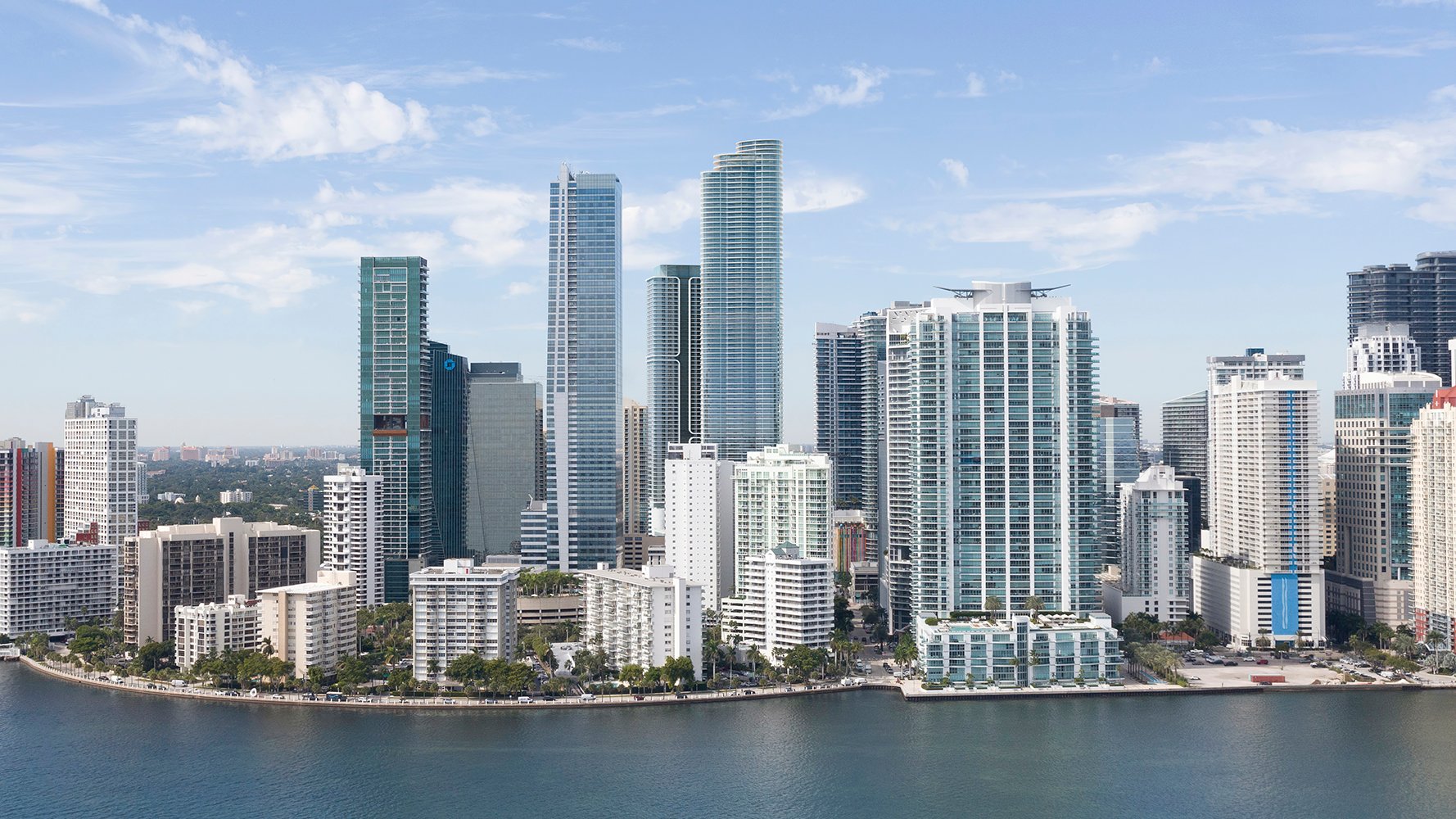
Downtown Miami has become a natural stage for Branded Residences, where architecture, hospitality, fashion, automotive design, and lifestyle names are attached to private homes. For the right buyer, the appeal is clear: a residence with identity, service language, and an amenity culture that feels more curated than conventional condominium living.
Yet a brand name on a tower is not the same as ownership by that brand. In many branded residential settings, the relationship is governed by a licensing arrangement. That agreement may define how the name can be used, what standards must be maintained, who approves design changes, and what happens if the relationship changes over time. For a buyer, the central question is not whether the brand is admired. It is whether the legal and operational structure behind the brand supports the lifestyle and long-term value proposition being presented.
This is where a refined purchase process becomes essential. Before comparing views, finishes, or private elevators, ask for clarity on the brand license, the condominium documents, the budget assumptions, and the rules that may affect Resale, leasing, renovation, and daily ownership.
Begin with the simplest question: who is the actual licensee? The developer, an affiliate, the condominium association, a hotel operator, or another entity may hold different rights and obligations. Buyers should understand whether the brand relationship continues after turnover, whether the association inherits any obligations, and whether owners are indirectly funding brand-related costs.
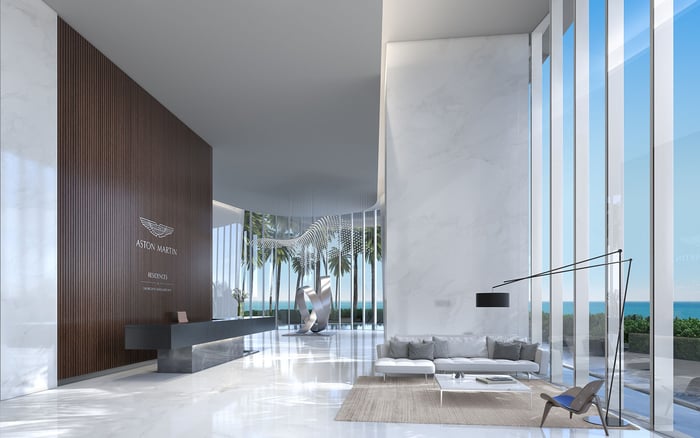
In Downtown Miami, projects such as Aston Martin Residences Downtown Miami show how a globally recognized name can shape a building’s public identity. The diligence point is not to question the prestige. It is to understand exactly what the name means in the governing documents and what is promised, optional, or subject to change.
Ask whether the brand has approval rights over signage, uniforms, amenity programming, interiors, marketing language, or service protocols. Also ask whether those rights survive completion, transfer to the association, or expire after a defined period.
One of the most important questions is also one of the least glamorous: what happens if the brand license terminates? A buyer should know whether the building can continue using the name, whether signage must be removed, whether branded materials need replacement, and who pays for any transition.
This matters because a branded residence is often priced, marketed, and emotionally understood through its association with a particular name. If that association changes, owners will want to know how the building’s identity, management structure, and resale narrative may be affected.
Ask for plain-language answers on termination events. These may include expiration, default, sale of project interests, failure to meet standards, changes in management, or other contractual triggers. The best review is not adversarial. It is precise.
Brand licensing can carry costs. Those costs may appear as licensing fees, management charges, design review fees, amenity programming costs, marketing contributions, or standards-compliance expenses. Buyers should ask whether these costs are one-time, recurring, inflation-adjusted, shared by all owners, or tied to particular services.
The purchase decision should include a careful review of the proposed operating budget and condominium documents. A luxury brand may elevate expectations, but expectations must be funded. If a tower promises an exacting level of service, staffing, maintenance, and presentation, the budget should make those ambitions legible.
At Waldorf Astoria Residences Downtown Miami, the brand identity itself is central to buyer perception. The relevant due diligence question is how the branded experience is translated into recurring operations and owner obligations, not merely how it appears in renderings or sales materials.
Brand standards can be a benefit. They may protect consistency, design integrity, service culture, and the level of presentation that made the building attractive in the first place. But standards can also affect owner discretion.
Ask whether interior alterations require brand approval in addition to association approval. Ask whether furniture packages, balcony treatments, signage, window coverings, scenting, artwork, or technology systems are subject to special rules. If you intend to customize a residence extensively, these provisions matter.
A buyer considering Casa Bella by B&B Italia Downtown Miami may be drawn to the design association embedded in the name. The practical question is how that design identity is protected after closing and whether owners have flexibility within the building’s aesthetic framework.
Short-term-rentals deserve separate scrutiny. A branded residence may permit, limit, or prohibit certain leasing models depending on the condominium documents, local rules, hotel components, and brand standards. Do not assume that a luxury name automatically creates rental flexibility. Do not assume the opposite either.
Ask whether leases must meet minimum terms, whether transient use is restricted, whether rental guests may access branded amenities, and whether rental activity requires approval. Also ask whether the brand has the right to control marketing language used by owners or rental managers.
For investors and second-home buyers, these answers can materially affect underwriting. Rental language should be treated as a core ownership term, not a footnote.
Resale is another area where brand licensing can matter. Ask whether owners may use the brand name in listing materials, whether specific disclaimers are required, and whether photography or amenity imagery is restricted. If the brand license changes, ask how future resale marketing may be handled.
The value of a branded residence is often tied to more than square footage. It includes recognition, perceived service quality, design coherence, and market memory. Buyers should therefore understand whether the brand’s presence is durable, conditional, or primarily promotional during the sales phase.
In nearby Brickell, 888 Brickell by Dolce & Gabbana illustrates how fashion and residential real estate can be intertwined in a buyer’s imagination. That makes the legal boundary between brand aura and owner rights especially important to review.
A building can feel effortless only when governance is clear. Ask how brand-related decisions are made after the developer period. Will the condominium association vote on future brand expenses? Can the board modify service levels? Are owners obligated to maintain specific standards even if costs rise? Who resolves disputes between brand requirements and association preferences?
Luxury ownership is partly about removing friction. Strong documents should explain how the building preserves its identity without leaving owners uncertain about authority or cost.
For a Downtown Miami buyer comparing branded options with non-branded new construction, this governance analysis can be the differentiator. The question is not whether a brand adds value in the abstract. The question is whether this particular brand structure is aligned with the way you intend to live, hold, lease, or resell.
Before contract deadlines pass, ask for the brand license summary, condominium documents, budget details, rental rules, brand standards, and any disclosures that affect the branded relationship. Have qualified Florida condominium counsel review the package. Then ask your sales representative to clarify which services are guaranteed, which are aspirational, and which may evolve.
For lifestyle-led buyers, Faena Residences Miami Downtown Miami reinforces a broader point: brand is powerful when it is supported by documents, operations, and governance. The elegance is in the alignment.
Is a branded residence owned by the brand on the building? Not necessarily. The brand may be involved through a licensing, management, design, or service arrangement, so buyers should confirm the exact structure.
Why does the license term matter to a condo buyer? The license term may affect how long the building can use the brand name and what happens if the relationship ends or changes.
Can brand fees increase after closing? Some costs may be recurring or subject to future budget decisions, so buyers should review the condominium budget and governing documents carefully.
Do brand standards limit renovations? They can. Owners should ask whether interior changes, finishes, furnishings, or visible exterior elements require special approvals.
Are Short-term-rentals always allowed in branded residences? No. Rental rights depend on the governing documents, local rules, and any brand or management standards that apply.
Can I use the brand name when I resell my unit? Possibly, but listing language may be controlled by trademark rules, brand guidelines, or required disclaimers.
What should I ask about services and amenities? Ask which services are included in assessments, which are paid separately, and which are subject to future modification.
Does a brand guarantee resale value? No brand can guarantee resale performance. The structure, location, pricing, operations, and market conditions all matter.
Who should review the documents before I buy? A qualified Florida condominium attorney should review the purchase contract, disclosures, budget, rental rules, and brand-related provisions.
What is the best way to shortlist comparable options for touring? Start with location fit, delivery status, and daily lifestyle priorities, then compare stacks and elevations to validate views and privacy.
For a confidential assessment and a building-by-building shortlist, connect with MILLION.
If branded residences are on your mind — as a home or as an allocation — we would be glad to share what we are seeing, privately.
Begin a quiet conversation