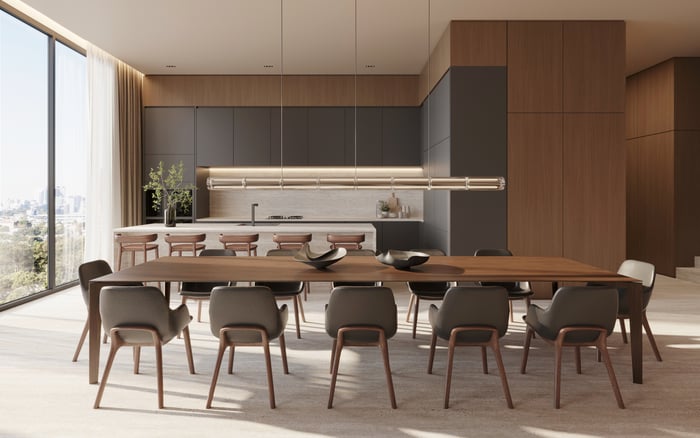
An analytical buyer guide to Opus Coconut Grove, focused on design credibility, boutique-scale ownership, operational governance, service standards, and resale durability in Coconut Grove.
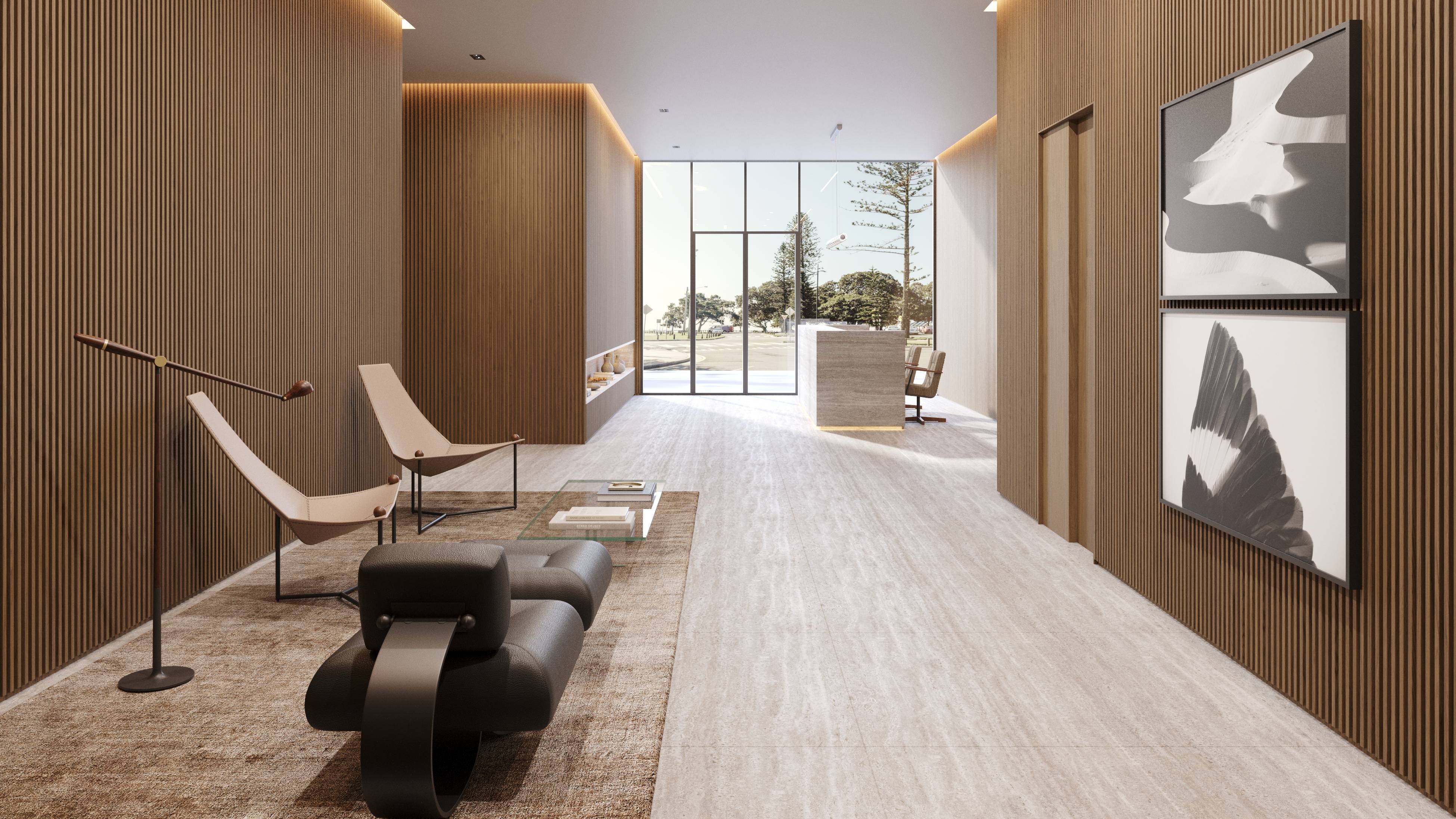
For the buyer who already understands South Florida’s luxury condominium market, the question is rarely whether a residence looks beautiful in renderings. The harder question is whether the building will live beautifully after closing, after turnover, and after the first cycle of real ownership. That is where Opus Coconut Grove becomes useful as more than a project name. It frames the buyer conversation around design pedigree and operational discipline as one integrated standard.
Opus Coconut Grove is positioned in Miami’s Coconut Grove market, a setting that often appeals to buyers seeking a quieter luxury alternative to the more performative oceanfront trophy purchase. In buyer shorthand, Coconut Grove can signal discretion, mature neighborhood texture, and an ownership rhythm less dependent on spectacle. The appeal is not the absence of luxury. It is a different expression of it.
The profile of Opus Coconut Grove points to a boutique-scale luxury condominium opportunity rather than a mass-market high-rise. That distinction matters because boutique ownership sharpens both the rewards and the responsibilities. A smaller building can feel more private, more personal, and more architecturally intentional. It can also make every governance decision, maintenance standard, and staffing choice more consequential.
Design-sensitive buyers often begin with architecture, proportion, materiality, light, and the emotional intelligence of a floor plan. Those instincts are valid. In the upper tier of the market, design credibility is not decoration. It is a value signal. A residence that feels crafted rather than assembled can hold attention longer than one defined only by amenity count.
But design pedigree must be underwritten beyond the first impression. Buyers should ask how the building will age, how common spaces will be maintained, how often finishes may require attention, and whether the design concept can survive real use. The most sophisticated buyers are not choosing between aesthetics and operations. They are asking whether the aesthetic promise is supported by the operating structure.
That is especially relevant in Coconut Grove, where projects such as Arbor Coconut Grove and The Well Coconut Grove illustrate how buyers often compare neighborhood-scale living through different lifestyle lenses. In that context, Opus Coconut Grove is best read not as a generic luxury product, but as a case study in how a discerning buyer should evaluate the full ownership experience.
Boutique is an appealing word, but it is not automatically a guarantee of better living. Boutique scale can create intimacy, privacy, and identity. It can also place greater pressure on the association budget, the staffing plan, and the quality of decision-making by the board and management team. For a buyer at this level, boutique should trigger deeper questions rather than softer scrutiny.
The most important diligence begins with governance. How will decisions be made after turnover? What is the reserve philosophy? How are operating costs modeled? What standards will guide preventive maintenance? In a luxury condominium, the difference between a graceful building and a frustrating one often appears in small operational details: the timeliness of repairs, the consistency of service, the care of landscaping, the cleanliness of circulation spaces, and the discipline with which vendors are managed.
Service quality is another critical variable. A boutique condominium cannot rely on scale alone to absorb inefficiency. Staffing must be thoughtful, properly funded, and aligned with the expectations of residents paying for a refined experience. Understaffing can quietly erode value, while overpromising can create future budget tension.
Coconut Grove attracts a luxury buyer who may not be motivated solely by height, horizon, or beachfront status. That does not make the buyer less demanding. In many cases, it makes the buyer more exacting. The Grove buyer often wants atmosphere, privacy, neighborhood identity, and a sense of permanence. This is where operational discipline becomes part of the design story.
Nearby references such as Four Seasons Residences Coconut Grove and Ziggurat Coconut Grove show how the area can support a range of luxury interpretations without relying on a single formula. For Opus Coconut Grove, the stronger buyer fit is someone who wants more than views or amenities. The buyer is looking for durable value signals: credible design, controlled scale, privacy, careful upkeep, and a credible path to future liquidity.
That last point is essential. Resale performance in a boutique building depends on more than scarcity. It depends on reputation. Buildings develop reputations through execution, not marketing language. A disciplined association, clean financials, well-kept common areas, acoustic privacy, and consistent service can become part of the building’s quiet equity.
Because public detail on Opus Coconut Grove remains measured, buyers should approach the opportunity with a structured diligence process. That does not diminish the project’s appeal. It simply reflects the seriousness of the purchase category. In new-construction and pre-construction contexts, the most valuable questions are often the ones asked before emotion takes over.
Start with the documents. Review proposed association budgets, reserve assumptions, insurance treatment, maintenance responsibilities, rental rules, pet policies, parking arrangements, and any use restrictions that may affect daily living or investment flexibility. Then move to construction quality. Buyers should focus on window systems, waterproofing logic, acoustic separation, mechanical planning, elevator strategy, and the maintainability of finishes in humid coastal conditions.
Next, examine service expectations. If a building promises a highly curated experience, the staffing plan and budget should support that promise. If the building is intentionally quiet and residential, the rules should protect that tone. If the design relies on special materials or custom conditions, the maintenance plan should account for their long-term care.
Finally, think about exit. A sophisticated buyer should ask who the next buyer will be. Is the future audience broad enough to support liquidity, or narrow in a way that requires patience? Boutique luxury can be highly desirable, but only when its story is legible, its operations are credible, and its physical condition remains polished.
Opus Coconut Grove is most compelling when viewed through the alignment of design and discipline. A beautiful residence inside an underfunded or poorly governed building is not luxury. A well-run building without architectural character may be efficient, but not emotionally memorable. The strongest ownership proposition is the rare middle ground: design that deserves attention and operations that protect it.
For buyers considering Opus Coconut Grove, the appropriate posture is neither skepticism nor automatic enthusiasm. It is disciplined curiosity. The project sits in a market where discretion matters and where buyers often care about how a residence lives over time. That makes the evaluation more nuanced than a checklist of amenities.
The right buyer will likely be one who values provenance, privacy, and daily execution in equal measure. This buyer understands that the most expensive problems in luxury real estate are rarely visible at first glance. They appear in weak governance, deferred maintenance, inconsistent service, compromised acoustics, and unclear resale positioning. Opus Coconut Grove should therefore be studied as a complete ownership ecosystem, not just as a design object.
Who is the strongest buyer fit for Opus Coconut Grove? The strongest fit is a design-sensitive buyer who also cares about governance, service quality, maintenance standards, and long-term ownership execution.
Is Opus Coconut Grove better understood as a large high-rise or boutique condominium? The available positioning frames it as a boutique-scale luxury condominium opportunity rather than a mass-market high-rise.
Why does operational discipline matter in a luxury condo? It protects the resident experience after closing through budgeting, staffing, maintenance, reserves, and consistent building management.
What should buyers review before making a decision? Buyers should review association budgets, reserve planning, governance structure, maintenance obligations, service staffing, rules, and resale considerations.
Does Coconut Grove appeal to buyers who are not focused on oceanfront assets? Yes. Coconut Grove can appeal to buyers seeking a quieter luxury setting with neighborhood character rather than a purely oceanfront trophy profile.
Why is acoustic privacy important in this category? Acoustic privacy affects daily comfort and perceived quality, especially in boutique buildings where expectations for refinement are high.
How should buyers think about amenities at Opus Coconut Grove? Amenities should be evaluated alongside service funding, upkeep standards, and whether they support the building’s intended ownership experience.
Is design pedigree enough to justify a purchase? No. Design pedigree is meaningful, but it should be reinforced by durable construction quality, sound governance, and credible long-term operations.
What role does resale play in the decision? Resale matters because boutique luxury depends on reputation, condition, financial discipline, and the depth of future buyer demand.
How should a buyer compare Opus Coconut Grove with other Grove projects? Compare lifestyle, design language, governance expectations, operating costs, service model, and the clarity of each building’s long-term value proposition.
For a discreet conversation and a curated building-by-building shortlist, connect with MILLION.
If branded residences are on your mind — as a home or as an allocation — we would be glad to share what we are seeing, privately.
Begin a quiet conversation