South Florida waterfront buyers are treating guest vessel rules as a practical 2026 filter, weighing dock access, marina governance, charter restrictions, and association language before committing to luxury homes.
For South Florida’s waterfront buyer, the view is no longer the only marine consideration. The more exacting conversation now begins at the dock: who may arrive by boat, how long a visiting vessel may remain, whether a captain can use the slip when the owner is absent, and how a building distinguishes a guest vessel from a charter, tender, or liveaboard arrangement.
That is why guest vessel rules are being treated as a 2026 filter. Not because every buyer expects a sudden regulatory shock, but because sophisticated purchasers are increasingly underwriting lifestyle friction before it becomes a personal inconvenience. A waterview residence can be magnificent, yet the daily experience may change if the association, marina operator, or municipality applies rules more tightly than expected.
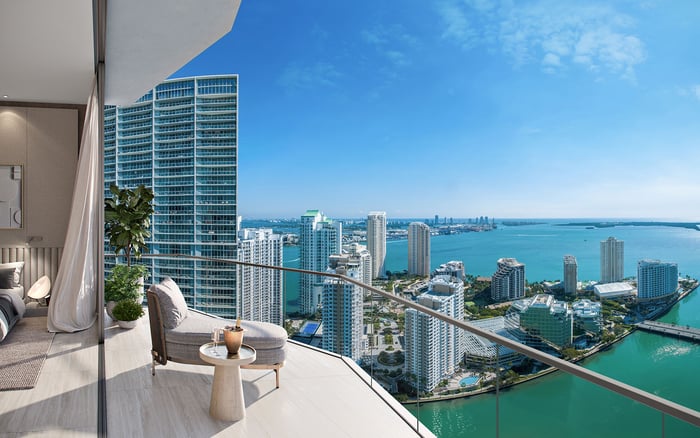
The shift is especially relevant for buyers comparing towers, boutique waterfront buildings, and private-island residences across Miami, Fort Lauderdale, Bay Harbor Islands, Palm Beach, and Boca Raton. A buyer considering Una Residences Brickell, for example, may love the skyline and bay perspective, yet still ask the practical question: does the building’s marine environment support the way family, crew, and guests will actually move through the property?
In earlier cycles, the conversation often stopped at whether a slip existed. Today, the sharper question is whether the boat slip can be used in the manner the buyer imagines. A deeded slip, assigned slip, leased slip, marina membership, and transient dockage privilege can each produce a very different ownership experience.
Guest vessel rules sit at the center of that distinction. Some buildings may separate owner vessels from guest vessels. Others may require registration, proof of insurance, advance approval, or limits on overnight stays. A property may also treat commercial activity differently from private use, creating another layer of review for buyers who host frequently or work with professional captains.
This is not simply a legal exercise. It is a lifestyle audit. If a buyer’s South Florida home is intended to anchor weekends with friends arriving by water, the rules around approach, docking, loading, noise, security, and duration all matter. If the residence is a second home used seasonally, the buyer may need even more clarity around whether family members, crew, or guests can coordinate vessel access when the owner is not present.
The phrase “2026 filter” is less about a single known deadline than a way buyers are framing future-proofing. They want documents and operating practices clear enough to survive tighter enforcement, changing association boards, new management teams, and more scrutiny around waterfront use.
In that sense, 2026 has become shorthand for the next ownership chapter. Buyers are asking what happens if the rules are interpreted more strictly two years from now. They are asking whether an informal practice is actually written into the documents. They are asking whether a marina policy can change independently from the condominium’s house rules.
This matters because ultra-luxury buyers often own across multiple markets. They are not only buying square footage. They are buying reliability. A private residence that performs beautifully in winter but becomes complicated during holiday weeks, boat show periods, or peak guest traffic will be valued differently by a family that expects discretion and ease.
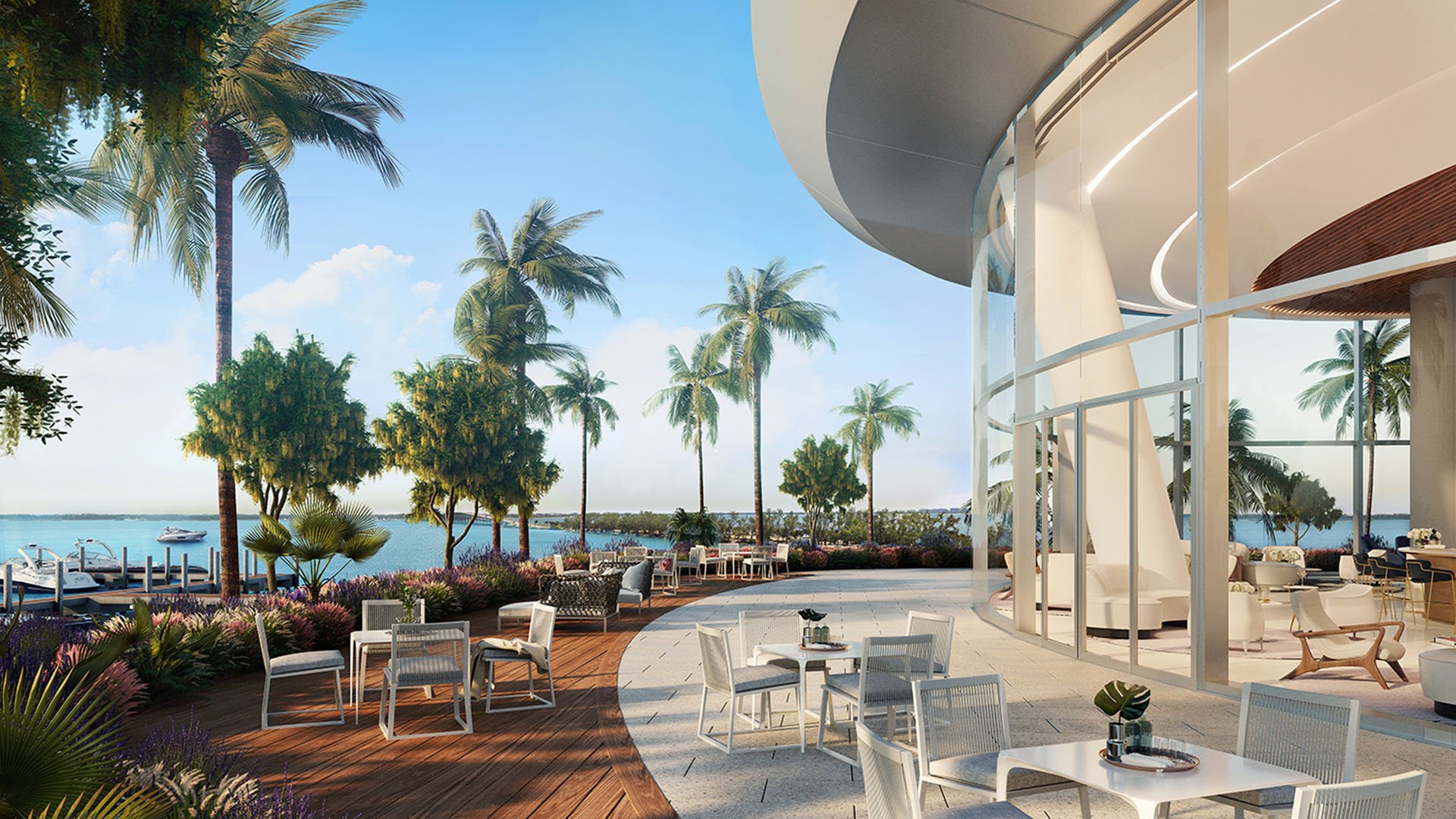
The guest vessel issue is most sensitive where waterfront density, private boating culture, and building-level governance overlap. In Fort Lauderdale, the boating lifestyle is central to the identity of many luxury neighborhoods and waterfront towers. A residence such as St. Regis® Residences Bahia Mar Fort Lauderdale naturally belongs in conversations where buyers are thinking carefully about yacht access, marina adjacency, and the choreography of guests arriving by water.
In Bay Harbor Islands, boutique scale can make the rules feel more personal. A lower-density waterfront building may offer privacy and calm, but its association language may be just as important as its architecture. Buyers studying La Maré Bay Harbor Islands and Onda Bay Harbor should ask how dock use, guest arrivals, and vessel oversight are defined in writing.
In Brickell, the issue can be more urban. The water is part of the setting, but the lifestyle may involve a tighter relationship among residential access, security, traffic, valet operations, and building management. The marine question becomes one part of a broader privacy and hospitality standard.
Among the most important topics is the distinction between a private guest vessel and a commercial or quasi-commercial use. A friend arriving on a privately owned boat is one scenario. A vessel used for paid charter, rotating guests, entertainment, or extended stays can be another.
Luxury buyers should not assume that silence in a sales conversation equals permission. The governing documents may address nuisance, commercial activity, overnight occupancy, insurance, noise, security procedures, or marina access in ways that affect vessel use. Even when the rules seem flexible today, the question is whether that flexibility is durable.
Liveaboard use is another sensitive point. Some buyers may not intend to live aboard, but their captains, crew, extended family, or guests may create ambiguity if a vessel remains in place for an extended period. The best properties remove ambiguity before it becomes a neighbor issue.
The strongest residential environments do not necessarily promise unlimited use. Instead, they make the rules legible. They define who can use marine facilities, what approvals are required, where guest vessels may go, how long they may remain, and who has authority to enforce the standards.
That clarity is valuable. It protects the serenity of the waterfront, supports security teams, and reduces the chance that owners will discover limitations only after closing. For investment-minded buyers, clarity also supports resale confidence because the next purchaser can understand the same operating framework.
This is why a sophisticated buyer may favor a slightly more restrictive building if its governance is transparent. Predictability can feel more luxurious than permissiveness. The best waterfront lifestyle is not unregulated. It is gracefully managed.
A practical review should begin with the condominium documents, association rules, marina agreements, dock licenses, and any separate management policies. Buyers should ask whether guest vessels are allowed, whether advance notice is required, and whether access is limited by vessel size, duration, frequency, or ownership.
They should also ask who controls the waterfront area. In some settings, the association may control the dock. In others, a separate marina operator, club, master association, or municipality may be relevant. If control is divided, the buyer should understand which rules prevail when policies conflict.
Finally, buyers should test real-life scenarios. Can a son or daughter arrive by boat without the owner present? Can a captain bring the vessel in for provisioning? Can overnight guests remain aboard? Can a chartered vessel pick up friends? Can a visiting yacht tie up for dinner? The answer to each question may influence whether the property truly fits the buyer’s life.
South Florida’s waterfront market has always rewarded beauty, scarcity, and address. Now it is also rewarding operational ease. The buyer who plans ahead wants rules that align with privacy, hospitality, boating, and family use without requiring constant negotiation.
That is the essence of the 2026 filter. It is a way to separate residences that merely face the water from residences that function intelligently on the water. In the next luxury cycle, the most desirable waterfront homes may be the ones where the dock, lobby, security desk, and association documents all tell the same story.
What are guest vessel rules? They are building, marina, or association policies that govern boats visiting a property, including access, duration, registration, and permitted use.
Why are buyers treating these rules as a 2026 filter? Buyers are using 2026 as a forward-looking framework for testing whether today’s waterfront privileges will remain clear and usable in the next ownership cycle.
Do guest vessel rules only matter if I own a boat? No. They can also affect friends, family, captains, chartered vessels, tenders, and guests who may arrive by water.
Is a boat slip the same as unrestricted dock access? Not necessarily. A boat slip may be deeded, assigned, leased, or governed by separate rules that limit how and when it can be used.
What should second-home buyers review first? Second-home buyers should review whether guests, family members, or crew can coordinate vessel access when the owner is away.
Can a condominium restrict charter activity? Many residential environments distinguish private use from commercial or charter-like activity, so buyers should review the written rules before assuming permission.
Why does marina control matter? Marina control matters because the dock may be governed by an entity separate from the condominium association, creating another layer of rules.
Are stricter rules always negative for value? Not always. Clear and consistently enforced rules can protect privacy, reduce conflict, and strengthen the ownership experience.
How do guest vessel rules affect investment decisions? Investment buyers often value predictable governance because it can make future resale conversations cleaner and reduce lifestyle uncertainty.
Should buyers rely on verbal assurances about dock use? No. Verbal assurances should be confirmed against the governing documents, marina policies, and any written association rules.
For a tailored shortlist and next-step guidance, connect with MILLION.
If branded residences are on your mind — as a home or as an allocation — we would be glad to share what we are seeing, privately.
Begin a quiet conversation