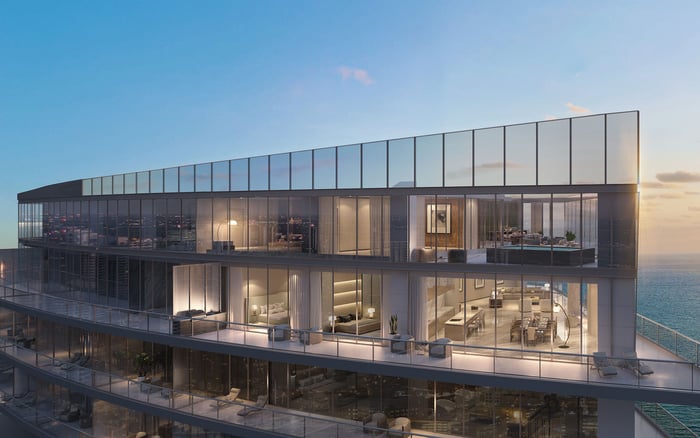
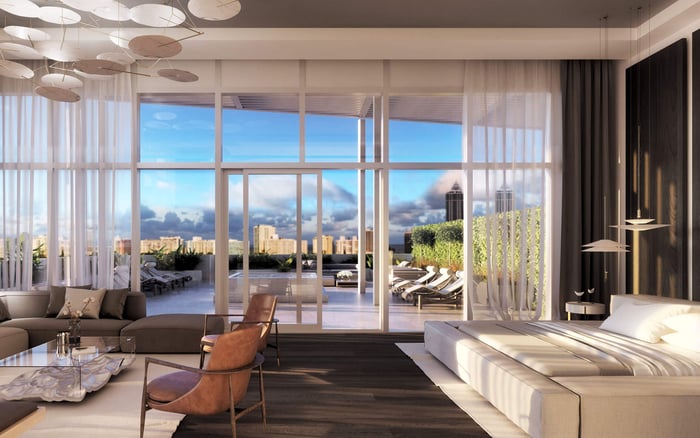
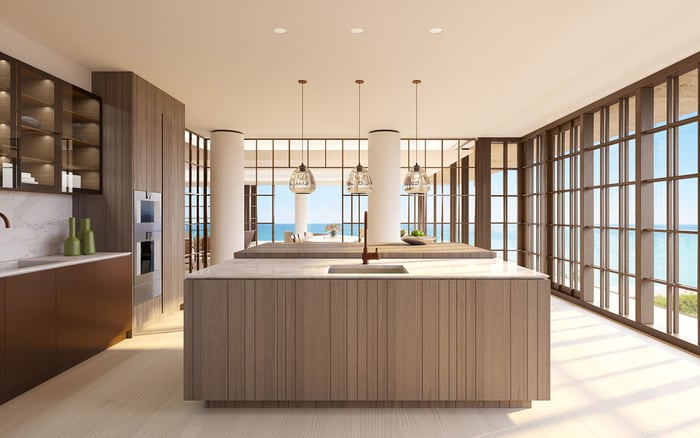
A buyer-focused comparison of Waldorf Astoria Residences Downtown Miami and Armani Casa Sunny Isles Beach through the practical lens of balcony rules, outdoor-kitchen permissions and terrace durability.
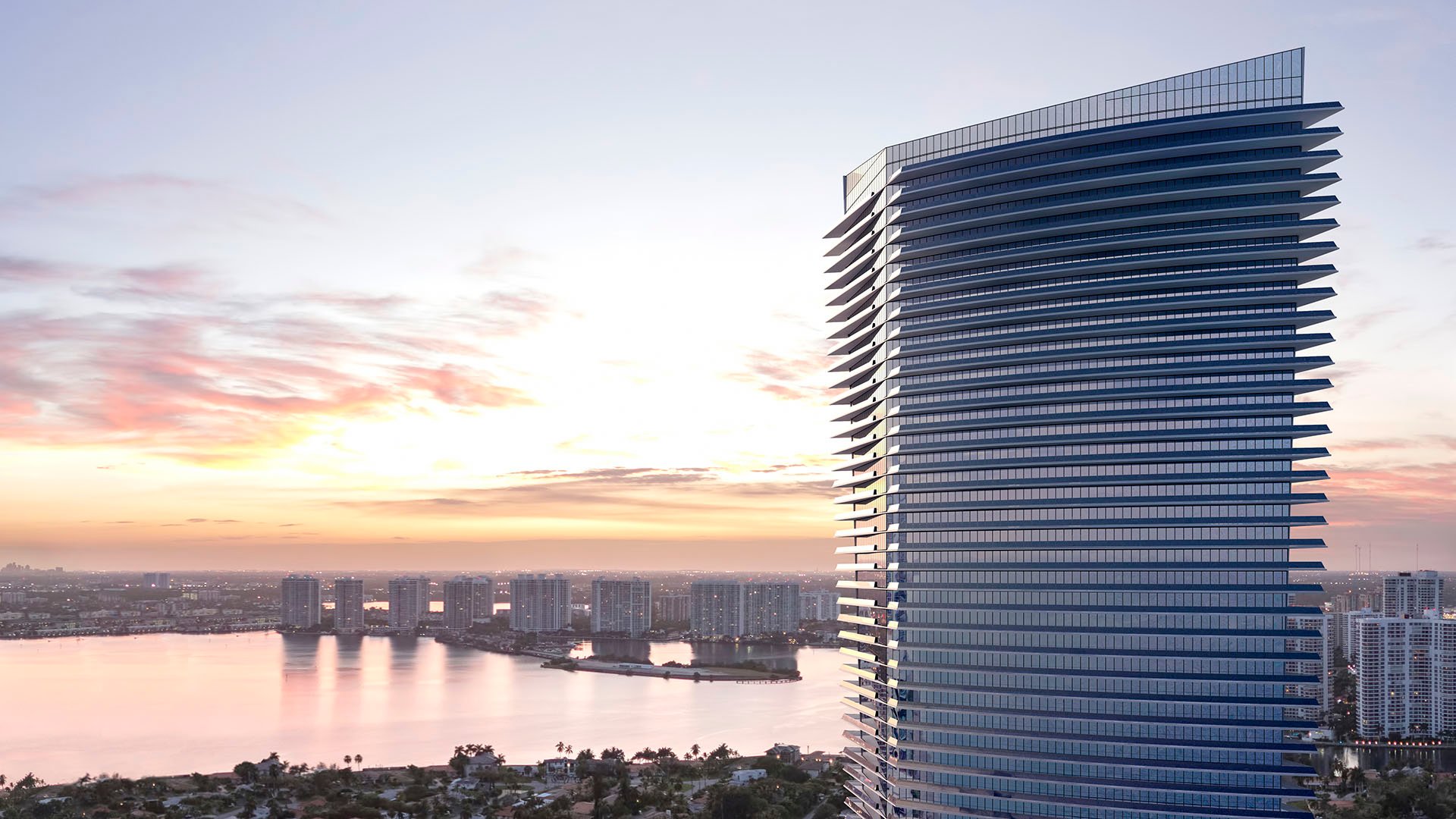
In South Florida’s upper tier, branding is often the easiest part of the decision. It is visible, familiar and emotionally persuasive. Yet for the owner who intends to live beautifully outdoors, the more consequential questions are quieter: What may be placed on the balcony? Can an outdoor kitchen be used as imagined? How well will a terrace tolerate weather, wind, salt air, storage needs and year-round maintenance?
That is the more disciplined way to compare Waldorf Astoria Residences Downtown Miami and Armani Casa Sunny Isles Beach. The two names carry different lifestyle associations, but the buyer’s daily experience will be shaped less by the logo than by documents, building standards, exposure, management philosophy and the practical behavior of outdoor space.
For a serious purchaser, the question is not which brand sounds more impressive at dinner. It is which residence allows the outdoor life you actually want to lead.
A balcony is not merely an architectural projection. In a luxury condominium, it is a governed environment. Furniture profiles, planters, umbrellas, lighting, rugs, storage, pets, smoking, sound, cooking equipment and hurricane preparation may all be addressed in rules, association documents or architectural standards.
This matters because buyers often tour a residence as if the outdoor space were privately controlled in the same way as the living room. It is not. The balcony is personal, but it is also part of the building envelope, the tower’s visual identity and the association’s safety protocol. A buyer comparing Downtown and Sunny Isles Beach residences should ask for the current rules before assuming that a terrace can be furnished, shaded or accessorized in a particular way.
At Waldorf Astoria Residences Downtown Miami, the appeal may naturally include vertical drama and the feeling of living above the city. At Armani Casa Sunny Isles Beach, the appeal may naturally include a coastal rhythm and an outdoor sensibility tied to light, water and horizon. Neither impression answers the practical question. The better inquiry is whether your preferred seating, dining, planting and entertaining habits are permitted and sustainable.
The same scrutiny applies across other high-design towers. A buyer evaluating Aston Martin Residences Downtown Miami, for example, should still separate brand theater from balcony governance. In this market, elegance is often determined by what the rules quietly allow.
Outdoor kitchens are among the most misunderstood luxuries in high-rise living. The phrase can mean many things: a full cooking station, a summer kitchen, a grill zone, a wet bar, a warming area, a counter with refrigeration, or simply a terrace designed for dining near the indoor kitchen. A buyer should never infer permission from a rendering, a sales conversation or the presence of generous outdoor space.
The essential questions are concrete. Are gas, electric or charcoal appliances permitted? Is open flame prohibited? Are ventilation, drainage or fire-safety standards specified? Can cabinetry remain outside year-round? Are modifications allowed after closing? Must all terrace additions be approved by the association? What happens before a storm watch, and who is responsible for securing outdoor equipment?
These details define the difference between occasional cocktails outdoors and a true al fresco cooking lifestyle. A buyer who entertains frequently will experience the distinction immediately. If cooking is limited, the terrace may still be extraordinary, but its role becomes lounge, dining and view enjoyment rather than culinary performance.
This is where branding can distract. A famous name may suggest a certain hospitality mood, but only the governing documents determine the boundaries of use. The wisest buyers make the outdoor-kitchen question part of legal and design due diligence, not a late-stage lifestyle assumption.
South Florida terraces live in a demanding climate. Sun, rain, humidity, wind and salt-laden air can all affect finishes, furniture, cushions, metals, mechanisms, lighting and appliances. A terrace that photographs beautifully for one afternoon must also perform through summer storms, seasonal humidity and the daily exposure of waterfront or elevated living.
In Downtown Miami, the conversation often centers on elevation, wind, skyline exposure and the practicality of securing outdoor elements. In Sunny Isles Beach, buyers often think about coastal air, sun intensity and the way materials respond near the ocean. These are not reasons to avoid either setting. They are reasons to choose materials, layouts and habits with precision.
Before committing, a buyer should review terrace flooring, railing systems, drainage, permissible furniture weight, storage limitations and storm protocols. Ask whether cushions can remain outside, whether umbrellas are allowed, whether planters must meet certain standards and whether exterior modifications could affect warranties or association approval.
A comparable Sunny Isles buyer may study Bentley Residences Sunny Isles or St. Regis® Residences Sunny Isles with the same lens. The most refined residence is not simply the one with the most dramatic outdoor space. It is the one whose outdoor space can be lived in gracefully, repeatedly and without conflict.
Downtown and Sunny Isles Beach invite different versions of luxury. Downtown tends to appeal to buyers who value urban energy, vertical views, cultural proximity and the atmosphere of a private residence within a metropolitan setting. Sunny Isles Beach tends to appeal to buyers who want a more resort-oriented cadence, with the emotional pull of coastal living and a daily relationship to open sky and water.
Yet the outdoor decision is not simply city versus beach. A Downtown terrace may be ideal for evening entertaining, protected lounging or a dramatic city-view dining ritual. A Sunny Isles Beach balcony may feel more connected to morning light, ocean air and a slower weekend rhythm. Both can be exceptional. Both require technical evaluation.
The phrase terrace weather tolerance should sit beside square footage and view in the buyer’s checklist. If an owner plans to spend meaningful time outdoors, the terrace must be treated as an extension of the residence, not as a decorative add-on. That means testing the lifestyle against wind, sun, rules, maintenance and service access.
Begin with behavior, not brand. How often will you dine outside? Do you want to cook, or simply serve? Will children, pets or guests use the balcony daily? Do you prefer shaded seating or open exposure? Are you willing to bring cushions inside, secure furniture and comply with seasonal storm procedures?
Then read the documents. Request the current condominium declaration, rules and regulations, architectural guidelines, terrace alteration policies and any appliance or fire-safety standards that may apply. Ask direct questions and obtain written clarification where lifestyle use matters.
Finally, compare the two residences through your own routines. If you imagine a city-facing evening terrace with carefully edited furnishings, Downtown may feel compelling. If your priority is a coastal balcony life with sun, breeze and resort sensibility, Sunny Isles Beach may be emotionally persuasive. In either case, the best purchase is the one where the rules and the weather support the life you intend to live.
For buyers also considering Brickell, projects such as The Residences at 1428 Brickell reinforce the same principle: in South Florida, outdoor luxury is never just about exposure. It is about permission, durability and the discipline to look beyond the name on the porte cochere.
Should I choose Waldorf Astoria Residences Downtown Miami or Armani Casa Sunny Isles Beach based on brand? Brand matters, but it should not outrank balcony rules, outdoor-use permissions and terrace performance in South Florida’s climate.
Why are balcony rules so important in a luxury condominium? Balcony rules can govern furniture, umbrellas, planters, storage, noise, cooking and storm preparation, all of which affect daily use.
Can I assume an outdoor kitchen is allowed if the terrace is large? No. Outdoor cooking and appliance use should be confirmed through current building documents and written approvals.
What should I ask about terrace weather tolerance? Ask about drainage, permissible furniture, storm protocols, exterior materials, sun exposure, wind conditions and maintenance expectations.
Is Downtown better for outdoor living than Sunny Isles Beach? Neither is automatically better. Downtown and Sunny Isles Beach offer different outdoor personalities, and the right choice depends on your routine.
Does ocean proximity change the terrace conversation? Coastal exposure can influence material choices, cleaning habits and long-term upkeep, so buyers should evaluate durability carefully.
Can terrace furniture stay outside year-round? That depends on building rules, storm procedures, furniture specifications and the owner’s willingness to maintain and secure items.
Should my attorney review balcony and terrace rules? Yes. If outdoor living is central to the purchase, those rules deserve the same attention as financial and closing documents.
Are branded residences always more flexible with outdoor amenities? No. A strong brand does not guarantee broader terrace permissions or outdoor-kitchen approvals.
What is the safest way to compare these two residences? Compare your intended lifestyle against the current rules, climate exposure, maintenance obligations and approval process for each building.
For a tailored shortlist and next-step guidance, connect with MILLION.
If branded residences are on your mind — as a home or as an allocation — we would be glad to share what we are seeing, privately.
Begin a quiet conversation