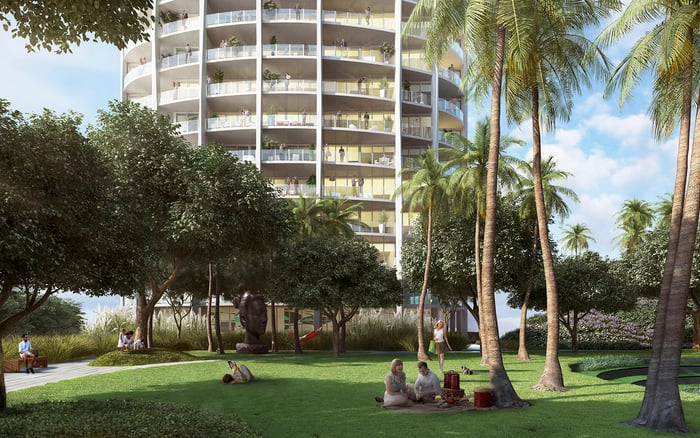
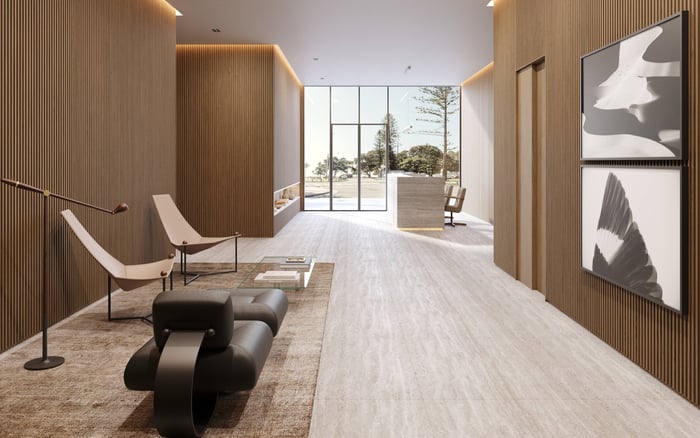
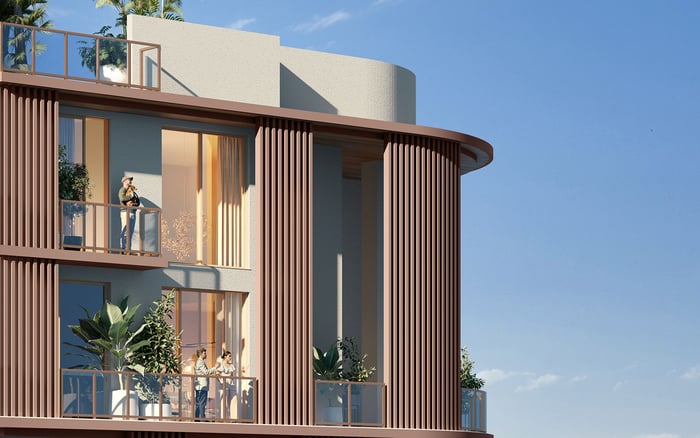
A buyer-focused Coconut Grove comparison of Mr. C Tigertail Coconut Grove and Opus Coconut Grove, framed around lifestyle tone, design posture, service expectations, and due-diligence priorities.

Coconut Grove has always rewarded nuance. It is not a neighborhood that asks luxury to announce itself at full volume. Its appeal is layered through shade, water, walkability, privacy, and a residential culture that feels less transactional than many of Miami’s more vertical districts. Within that setting, the comparison between Mr. C Tigertail Coconut Grove and Opus Coconut Grove is less about declaring a universal winner than identifying the buyer’s preferred emotional register.
The title captures the split cleanly: hospitality warmth or boutique architectural quiet. Mr. C Tigertail Coconut Grove enters the conversation with a hospitality-oriented identity, where service, polish, and residential ease sit at the center of the experience being presented. Opus Coconut Grove, by contrast, is positioned through a more intimate design lens, appealing to buyers who may prefer a quieter architectural presence and a less overtly branded daily rhythm.
Both belong to the Coconut Grove luxury conversation, but they speak to different instincts. One buyer wants the feeling of being received. Another wants the feeling of retreating. In a neighborhood where privacy and personality matter, that distinction is not cosmetic. It is the core decision.
Mr. C Tigertail Coconut Grove is best understood through the lens of branded residential living. The project’s identity is not simply about a building in Coconut Grove; it is about a hospitality-inflected approach to home. For buyers who value a sense of welcome, attentive common spaces, and the soft rituals associated with hotel-informed living, that can be the defining attraction.
Hospitality warmth does not require spectacle. In the Grove, it can mean a smoother arrival sequence, a more gracious service culture, and an atmosphere that makes daily living feel curated without becoming formal. The appeal is especially clear for owners who split time between residences, entertain often, or prefer a residence with a recognizable service sensibility.
The key question is whether the buyer wants brand presence to be part of the home’s identity. Some do. They see it as a signal of consistency, atmosphere, and ease. Others may prefer a more recessive architectural profile. Mr. C Tigertail Coconut Grove is likely to resonate with the former: the owner who wants the building to feel alive, socially fluent, and hospitality-aware.
That does not remove the need for careful verification. Current residence availability, pricing, delivery status, and specific service details should be confirmed directly before any serious decision. In a market where presentation can move faster than inventory, the disciplined buyer separates lifestyle positioning from transaction specifics.
Opus Coconut Grove approaches the same neighborhood with a different tone. Its appeal sits closer to boutique scale and architectural restraint. For a buyer who does not need a heavily branded atmosphere, this can be compelling. The value is in the idea of a more composed residential experience, where design, privacy, and proportion may matter more than hospitality theater.
Boutique does not mean modest. In Coconut Grove, it often signals selectivity. It suggests a building that appeals to buyers who want their residence to feel part of a more intimate architectural statement rather than a large, highly programmed environment. Opus Coconut Grove fits naturally into that conversation because its available positioning invites a quieter reading.
This may appeal to the buyer who wants the Grove’s village-like quality without layering too much brand identity on top of it. The owner profile is often more understated: someone who wants design credibility, a sense of privacy, and an address that does not need to explain itself loudly.
As with Mr. C Tigertail Coconut Grove, specifics matter. Residence details, amenity language, availability, and timing should be reviewed carefully before any commitment. The most prudent reading of Opus is as a project whose public posture supports a boutique-design comparison, not as a basis for unsupported claims about pricing momentum or buyer demand.
The clearest difference is not only visual. It is behavioral. Mr. C Tigertail Coconut Grove suggests a more service-forward daily life. The resident may expect the building to participate more actively in the experience of home, from arrival to shared spaces to the social texture of the address.
Opus Coconut Grove suggests a more private rhythm. It may suit buyers who want architecture to frame the day rather than choreograph it. The pleasure is quieter: a sense of being in a considered building within a deeply residential neighborhood.
Neither position is inherently better. A hospitality-oriented buyer may find quiet architecture too restrained. A privacy-driven buyer may find hospitality branding too present. The Grove allows both readings because its luxury market is not monolithic. It includes families, seasonal owners, design collectors, relocating executives, and long-time Miami residents seeking a calmer relationship with the city.
This is also why comparison shopping in Coconut Grove often expands beyond two projects. Buyers considering the Grove’s next chapter may also study The Well Coconut Grove for its wellness-oriented positioning, Four Seasons Residences Coconut Grove for another branded-residential reference point, or Arbor Coconut Grove as part of the broader neighborhood design landscape. These comparisons help sharpen the buyer’s hierarchy of service, privacy, architecture, and atmosphere.
The first question is service appetite. If a buyer wants the assurance of a hospitality-led sensibility, Mr. C Tigertail Coconut Grove is the more natural starting point. If the buyer wants the residence to feel more architecturally quiet and less brand-forward, Opus Coconut Grove deserves close attention.
The second question is social energy. Some owners want a building with a more animated residential culture. Others want the building to disappear into the background of their private life. This distinction becomes especially important for full-time residents who will experience the property through daily routines, not just occasional visits.
The third question is resale narrative, though it should be handled carefully. A branded residence and a boutique architectural property may attract different future audiences. One may speak to buyers who prize service identity; the other may speak to those who prioritize restraint and scarcity of feel. Without verified sales data, the safer conclusion is not which will outperform, but which narrative is more durable for the owner’s own use case.
Finally, new-construction buyers should confirm the practical details before falling in love with a mood board. Floor plans, exposure, terrace depth, parking, service scope, association structure, completion timing, and current availability all matter. Luxury is not only the feeling of arrival. It is the precision of fit.
For the buyer who wants a residence with a hospitality personality, Mr. C Tigertail Coconut Grove has the clearer emotional proposition. It is about welcome, polish, and a branded sense of ease within one of Miami’s most desirable residential enclaves.
For the buyer who wants a more discreet architectural life, Opus Coconut Grove presents the stronger quiet-luxury argument. Its appeal lies in restraint, intimacy, and the possibility of living in the Grove without making brand identity the center of the home.
The right answer depends on temperament. If you want your building to greet you, start with Mr. C. If you want your building to recede elegantly around you, study Opus. In Coconut Grove, the most sophisticated choice is rarely the loudest one. It is the one that matches how you actually want to live.
Is Mr. C Tigertail Coconut Grove a better fit for service-oriented buyers? Yes, it is the more natural fit for buyers drawn to hospitality warmth and a branded residential atmosphere.
Is Opus Coconut Grove more private in feeling? Its positioning supports a quieter, boutique architectural reading, which may appeal to buyers seeking restraint.
Can this comparison determine which project has better pricing? No. Current pricing and availability should be confirmed directly before any purchase decision.
Which project is better for a seasonal owner? A seasonal owner who values service may lean toward Mr. C, while one prioritizing discretion may prefer Opus.
Which project feels more design-led? Opus Coconut Grove is the stronger candidate for buyers focused on boutique architectural quiet.
Which project feels more hospitality-led? Mr. C Tigertail Coconut Grove is the stronger candidate for buyers focused on hospitality warmth.
Should buyers compare other Coconut Grove projects too? Yes. The Grove has multiple luxury interpretations, and comparison helps clarify lifestyle priorities.
Is Coconut Grove suitable for buyers seeking privacy? Yes. Its residential character and mature neighborhood feel often appeal to privacy-minded luxury buyers.
What should buyers verify before moving forward? They should confirm residence details, availability, service scope, timing, and all transaction terms.
What is the simplest way to choose between the two? Choose Mr. C for warmth and service presence, and choose Opus for quieter architectural restraint.
For a discreet conversation and a curated building-by-building shortlist, connect with MILLION.
If branded residences are on your mind — as a home or as an allocation — we would be glad to share what we are seeing, privately.
Begin a quiet conversation