A buyer-focused look at Muse Residences Sunny Isles Beach and how private elevator openings shape privacy diligence, access control questions, and seasonal ownership planning.
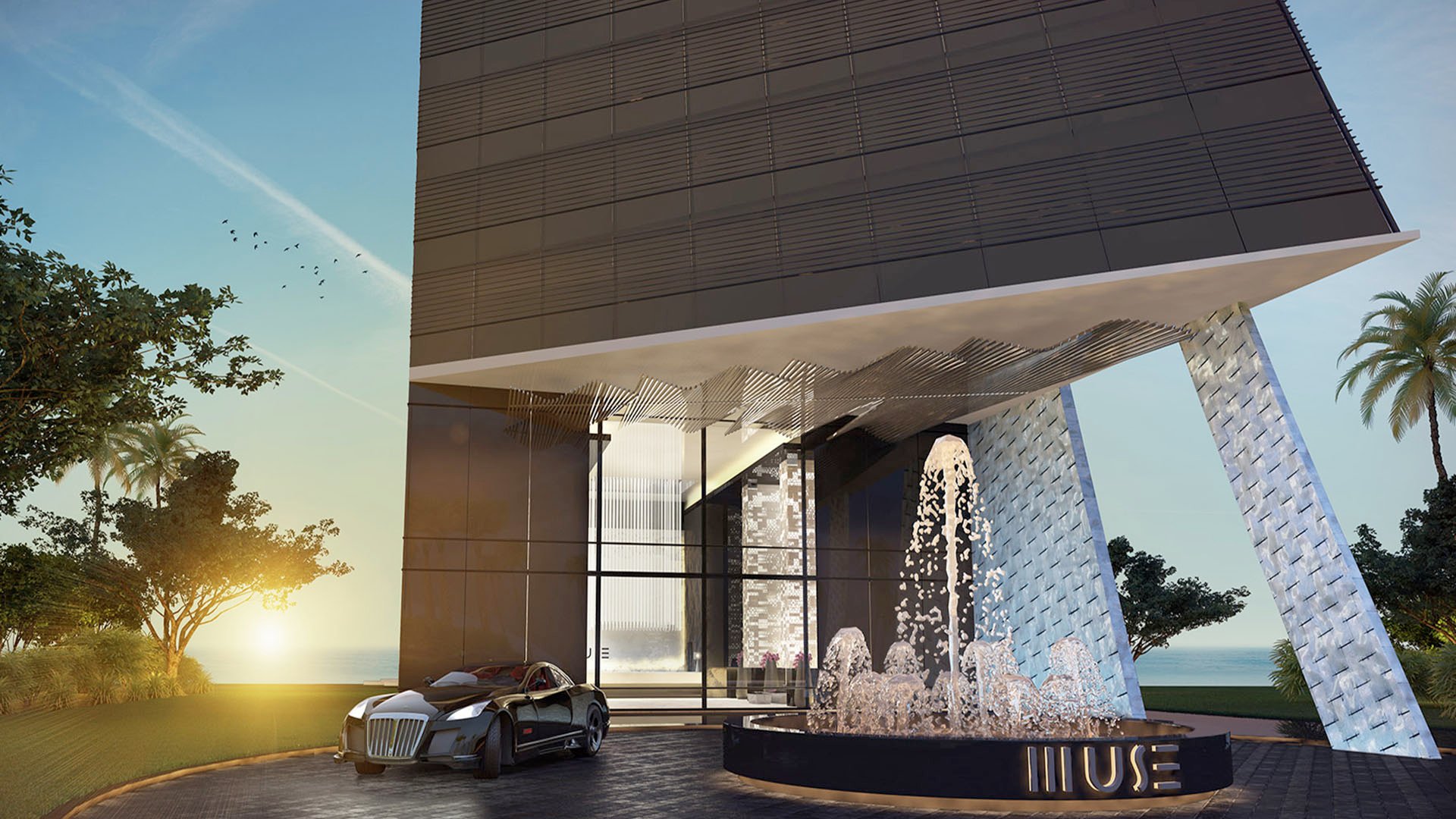
At Muse Residences Sunny Isles Beach, the most consequential buyer conversation may begin at the elevator. A private elevator opening can make arrival feel seamless, quiet, and highly personal. For an owner who lives in residence every day, that experience may be primarily emotional. For a seasonal owner, it becomes operational.
The lock-and-leave question is simple to ask and more complex to answer: when the owner is away, how is the private arrival controlled? Buyers should understand who can reach the residence level, how permissions are granted, how they are revoked, and what happens when staff, vendors, family members, or emergency personnel need access.
That distinction matters because a private elevator opening is not just an amenity. It is part of the threshold between the shared building and the private home. In South Florida, where many luxury owners divide time among multiple residences, that threshold deserves careful review before closing.
A conventional condominium corridor gives buyers an obvious second step: elevator, hallway, then residence door. A private elevator opening changes the sequence. The arrival experience may feel more like entering a house in the sky, but it also puts more importance on elevator programming, access credentials, alarm coordination, and staff protocols.
The question is not whether private elevator living is desirable. It is. The question is whether the building’s procedures match the owner’s expectations. Buyers should ask how elevator access is assigned, whether temporary credentials can be limited by date or time, how guest access is handled, and whether service entry follows a documented process.
This is also where language matters. “Private elevator” can mean different things in different buildings. A buyer should clarify whether the elevator opens directly into the residence, into a private vestibule, or into another controlled arrival area. The practical difference affects privacy, insurance conversations, service access, and the comfort of leaving the residence unattended.
A serious buyer should walk through the property as if returning after an extended absence. Who had permission to enter? Was that permission temporary or ongoing? Could it be revoked remotely or only through building staff? Was access recorded? Who would be contacted if an issue arose while the owner was away?
The same review should extend to South Florida maintenance realities. Buyers should ask how terrace items are handled before severe weather, how mechanical systems should be maintained during absence, what humidity or water-intrusion monitoring is available, and who is permitted to enter if the building identifies a condition requiring attention.
These are not anti-luxury questions. They are luxury questions because they protect privacy, property, and peace of mind. The best lock-and-leave ownership experience is not a sealed residence with no oversight. It is a clearly managed home where access is controlled, documented, and limited to the right people at the right time.
Private elevator openings create a powerful sense of discretion, but condominium privacy is never only architectural. It is supported by concierge procedures, security systems, property management, life-safety requirements, association rules, and the owner’s own access choices.
Buyers should request a plain-language explanation of how access credentials work, how service providers are approved, how emergency entry is documented, and how quickly permissions can be changed. They should also confirm how packages, deliveries, housekeeping, design work, and property checks are handled when the owner is away.
For buyers comparing Sunny Isles Beach options, Bentley Residences Sunny Isles, St. Regis® Residences Sunny Isles, and The Ritz-Carlton Residences® Sunny Isles can each frame the private-arrival conversation differently. The useful comparison is not only finishes, views, or brand language. It is how each building defines the line between hospitality, security, service, and the private residence.
Before committing to a private-elevator residence, buyers should ask for written clarity. That includes elevator access rules, emergency override procedures, vendor approval protocols, staff entry practices, camera locations in common areas, package and delivery procedures, and any owner responsibilities during extended absences.
A buyer should also understand whether the owner, the association, or a private property manager is responsible for periodic residence checks. If designers, housekeepers, relatives, or contractors will need access, the buyer should know how those permissions are created, monitored, and ended.
The appeal of Muse Residences Sunny Isles Beach is tied to the promise of a refined and private arrival. The practical lesson is that privacy must be engineered, documented, and operated. In a residence where the elevator experience becomes part of the home, the unseen procedures around that elevator may be just as important as the doors opening.
Why does a private elevator opening matter to buyers? It changes the arrival sequence and makes access-control procedures especially important. Buyers should understand both the experience and the operating rules behind it.
Is private elevator access only a design feature? No. It is also a security, service, and ownership-management issue that should be reviewed before closing.
What should seasonal owners ask first? They should ask who can access the residence while they are away, how permissions are granted, and how those permissions are revoked.
Why is a direct opening different from a semi-private lobby? A direct opening can make the elevator arrival part of the residence experience. A semi-private lobby may create a more conventional separation before the home itself.
Should buyers review emergency access rules? Yes. Emergency entry, life-safety procedures, and override rules should be clearly explained and consistent with the condominium documents.
How should vendor access be handled? Buyers should confirm whether vendors require approval, whether access is logged, and whether temporary permissions can be limited.
What South Florida maintenance issues should be considered? Buyers should ask about severe-weather preparation, humidity management, terrace protocols, and procedures for checking the residence during absence.
Can a private property manager help? A private property manager may help coordinate checks, vendors, and owner requests, but the buyer should confirm how that role interacts with building rules.
What documents should buyers review? Buyers should review condominium documents, association rules, access procedures, insurance requirements, and any written policies affecting entry or maintenance.
What is the key lock-and-leave takeaway? The goal is not just to have a private arrival, but to know exactly how that arrival is controlled when the owner is not present.
For a discreet conversation and a curated building-by-building shortlist, connect with MILLION.
If branded residences are on your mind — as a home or as an allocation — we would be glad to share what we are seeing, privately.
Begin a quiet conversation