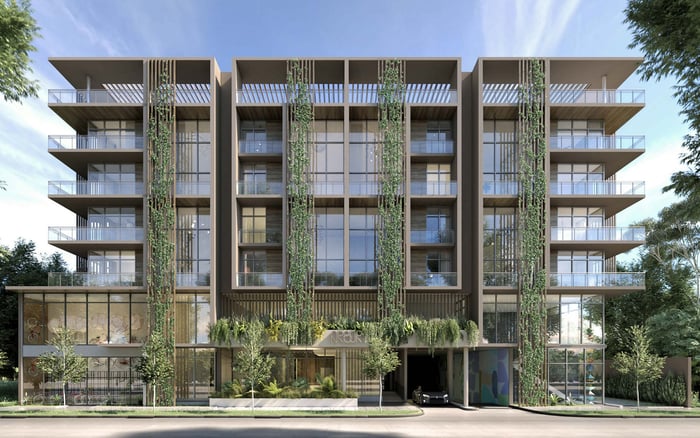
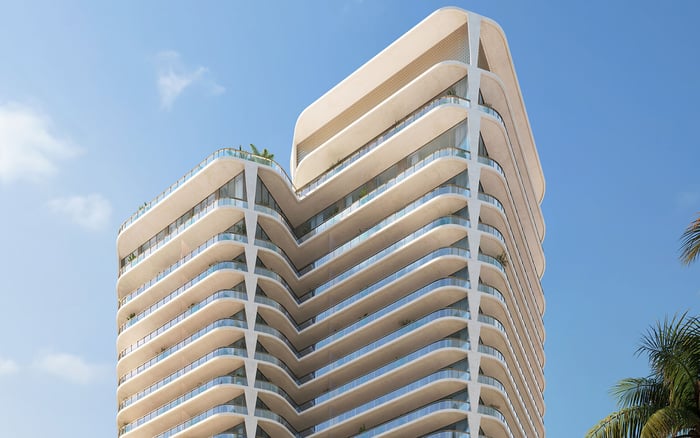
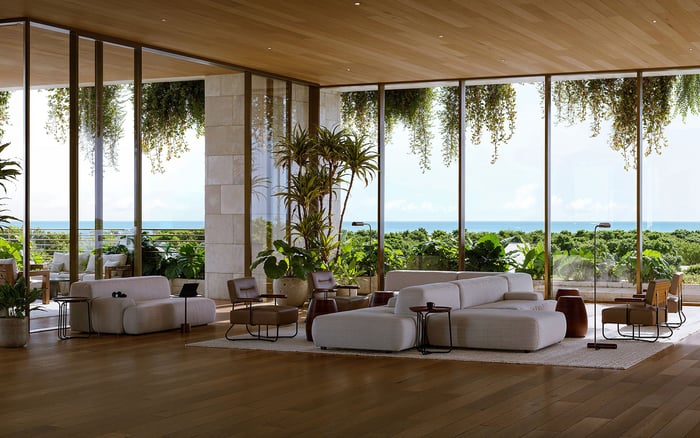
A discreet pre-tour guide for design-focused buyers evaluating Opus Coconut Grove, with questions on architecture, materials, customization, comfort systems, and long-term ownership discipline.
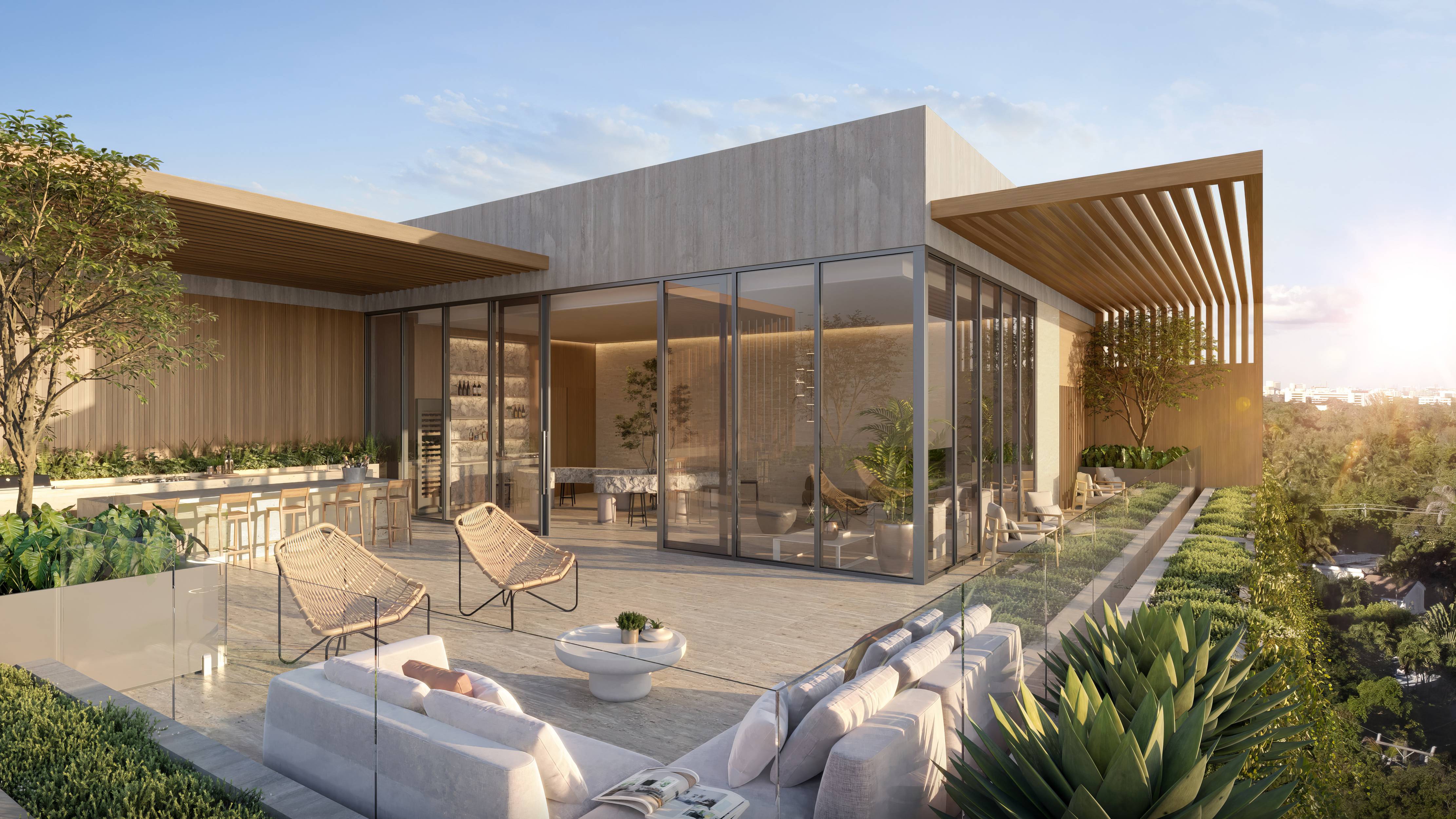
For architecture-minded buyers, Opus Coconut Grove is best approached less as a finished lifestyle image than as a design proposition to be tested. Coconut Grove rewards architecture attuned to shade, greenery, privacy, humidity, and the subtle difference between dramatic presentation and livable proportion. Before a tour, the most useful questions are not only about finishes. They are about authorship, durability, execution, and whether the building’s design logic will remain persuasive after the sales-gallery moment has passed.
Because verified public details on the architect, developer, residence count, pricing, amenity program, and delivery specifics are not part of the available fact set here, buyers should avoid treating any single rendering or informal description as a complete specification. The better approach is disciplined and elegant: arrive with a concise checklist, request documents, and ask the sales team to distinguish what is confirmed, what is optional, and what remains subject to final documentation.
That mindset matters especially in Coconut Grove, where architectural value is often tied to restraint. A boutique residence can be exceptional when massing, light, and landscape are resolved with care. It can also disappoint if the building relies on expensive surfaces while neglecting structure, waterproofing, acoustics, or terrace usability.
The first question is simple: who is responsible for the architecture, and how involved did that team remain after concept design? Architecture-focused buyers should ask whether the architect participated through construction documentation and construction administration. This matters because value engineering can change façades, balcony details, glazing systems, interior proportions, and material assemblies in ways that are not obvious during an early presentation.
Ask for the project’s design philosophy in plain language. Does the building intend to be tropical, minimal, courtyard-based, garden-oriented, waterfront-inspired, or ultra-modern? Those are distinct positions, and each demands different details. If the answer relies only on mood words, press further. How does the design handle privacy from neighboring properties? How does it shade glass? How does it frame views without turning every room into a heat-gain problem?
Buyers comparing Grove properties such as Arbor Coconut Grove, Four Seasons Residences Coconut Grove, and Opus Coconut Grove should not assume that shared geography creates shared design priorities. The Grove contains a wide spectrum, from intimate residential architecture to branded private residences, so the authorship question becomes a filter for taste as much as a technical inquiry.
In South Florida, the exterior envelope is not cosmetic. It is a performance system. Before touring, request specifics on exterior materials, façade assemblies, glazing, balcony construction, waterproofing strategy, and hurricane-impact standards. In coastal and near-coastal conditions, salt air, wind-driven rain, heat, and humidity turn material selection into an ownership issue.
A beautiful façade can age poorly if coatings, metal components, railings, sealants, or drainage details are not suited to the environment. Ask what materials are proposed, what maintenance intervals are expected, and which components will be the association’s responsibility versus the owner’s responsibility. For balconies and terraces, ask about waterproofing membranes, slopes, drains, rail anchoring, and inspection obligations.
Glazing deserves special attention. Buyers should ask about glass type, frame system, hurricane-impact certification, sound attenuation, solar performance, and whether operable windows or doors create meaningful natural ventilation. A luminous room is not necessarily a comfortable one. In Miami’s climate, the best architectural spaces balance light, shade, cooling, and acoustic control.
Architecture is experienced by line and floor. A plan that feels exceptional on one elevation may feel compromised on another. Before touring, ask how views, privacy, natural light, ceiling heights, terrace depth, and indoor-outdoor circulation vary across the available residences. Terrace depth is particularly important in Coconut Grove because outdoor rooms should be usable, not merely decorative ledges.
During the tour, observe the transitions: entry sequence, sightlines, kitchen placement, bedroom privacy, service circulation, storage, laundry access, and the relationship between interior rooms and outdoor space. Ask whether ceiling heights differ by residence, whether mechanical soffits affect key rooms, and whether columns, shear walls, or structural elements influence furniture planning.
For buyers also studying The Well Coconut Grove or Ziggurat Coconut Grove, the comparison should go beyond amenity language. Ask which residence gives you the strongest daily architectural experience: the quietest bedroom, the best morning light, the most private terrace, the most graceful arrival, and the least forced plan.
Customization can be a luxury or a complication. Ask whether interiors at Opus Coconut Grove are standardized, semi-custom, or fully customizable. Then ask what design-review rules, approved vendors, finish-change deadlines, and substitution limitations apply. This is not a minor matter. It affects delivery timing, budget certainty, resale comparability, and the coherence of the finished building.
Buyers should also confirm whether model residence finishes, sales-gallery materials, renderings, or presentation vignettes are included in the delivered residence or represent upgrades. The distinction can be substantial. If a particular stone, millwork profile, appliance package, lighting scheme, closet system, or bath detail is essential to your architectural vision, insist on clarity before relying on the visual impression.
New-construction buyers sometimes underestimate the importance of standardization. A fully bespoke interior may feel seductive, but a well-controlled design program can protect the building’s long-term visual identity. Conversely, excessive sameness may not satisfy a collector, design patron, or owner with strong spatial preferences. The question is not which model is superior. The question is which model fits your use case.
Comfort is part of architecture. In Miami, HVAC design, ventilation, insulation, indoor-air quality, and sound attenuation are not technical footnotes. They determine whether a residence feels serene in August, quiet during a storm, and calm when the neighborhood is active.
Ask how mechanical systems are sized, where equipment is located, how fresh air is handled, and whether filtration or humidity control features are specified. Ask about sound transmission between residences, corridors, elevators, mechanical rooms, and exterior conditions. Luxury buyers often focus on visible finishes, but the invisible systems are what make a home feel composed.
Sustainability and wellness claims should be handled with similar care. Ask whether the building pursues or holds any performance, sustainability, or wellness certification, and request documentation. If no certification is being pursued, that does not automatically diminish the property, but it does make component-level questions more important.
Before making an architecture-led decision, request condominium documents, budget materials, reserve assumptions, maintenance responsibilities, insurance-related obligations, and design-alteration rules. These documents reveal how architecture will be governed after closing. They also indicate whether terraces, façades, windows, roof areas, garages, and shared systems have clear maintenance protocols.
This is where design preference meets ownership reality. A façade may be elegant, but who maintains it? A terrace may be generous, but what alterations are permitted? A lobby may be beautifully detailed, but does the operating budget support the level of care required? Building governance can shape long-term value as much as initial design.
Opus Coconut Grove should ultimately be evaluated through three lenses: architectural intent, construction performance, and residential governance. If all three align, the tour becomes more than a viewing. It becomes a serious assessment of whether the home can sustain its promise over time.
What should I ask before touring Opus Coconut Grove? Ask who authored the architecture, which details are confirmed, and what documents are available for review before relying on renderings or model finishes.
Should architecture-minded buyers focus on the façade first? Yes. The façade, glazing, waterproofing, balcony systems, and exterior materials determine durability, comfort, and long-term maintenance in South Florida.
Why does architect involvement after concept design matter? Continued involvement can help protect design intent through construction documents, detailing, and value-engineering decisions.
Are renderings enough to evaluate Opus Coconut Grove? No. Renderings are useful for orientation, but buyers should verify specifications, included finishes, upgrade packages, and delivered conditions.
What should I ask about terraces? Ask about depth, drainage, waterproofing, rail details, privacy, shade, and whether the terrace functions as a true outdoor room.
How should I evaluate interiors before buying? Confirm whether interiors are standardized, semi-custom, or fully customizable, then review finish rules, vendor approvals, and change deadlines.
Why are HVAC and ventilation important in Coconut Grove? Heat, humidity, and acoustic conditions make mechanical design central to comfort, indoor-air quality, and daily livability.
Should I request condominium documents early? Yes. Documents, budgets, reserves, and alteration rules reveal how the building will be maintained and governed after closing.
How should Opus Coconut Grove be compared with other Grove residences? Compare light, privacy, plan efficiency, terrace usability, material durability, and governance rather than relying only on amenity language.
Is Opus Coconut Grove mainly a design decision? It can be, but the strongest decision balances architecture, construction quality, operating obligations, and long-term ownership discipline.
When you're ready to tour or underwrite the options, connect with MILLION.
If branded residences are on your mind — as a home or as an allocation — we would be glad to share what we are seeing, privately.
Begin a quiet conversation