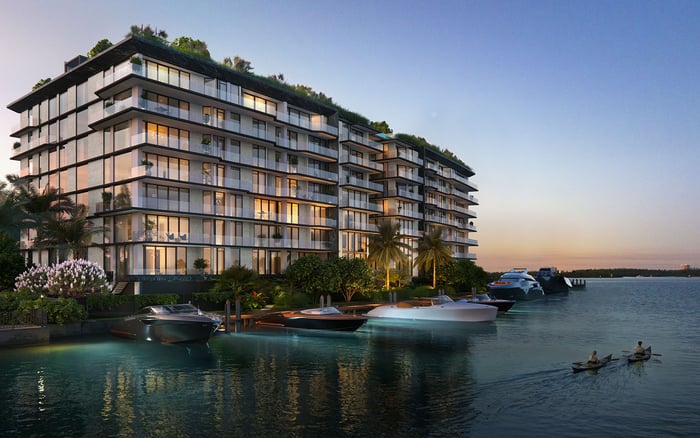
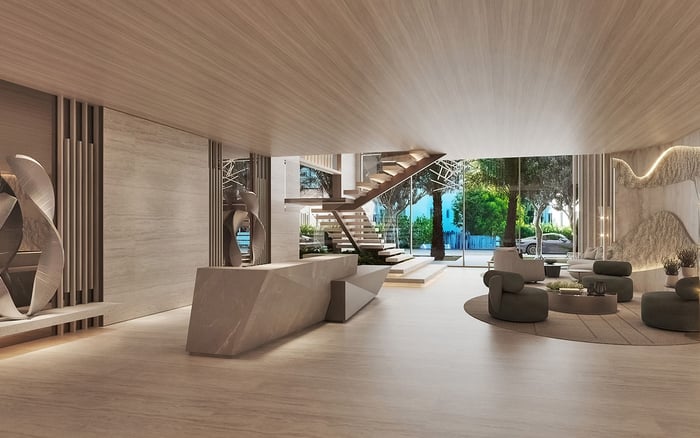
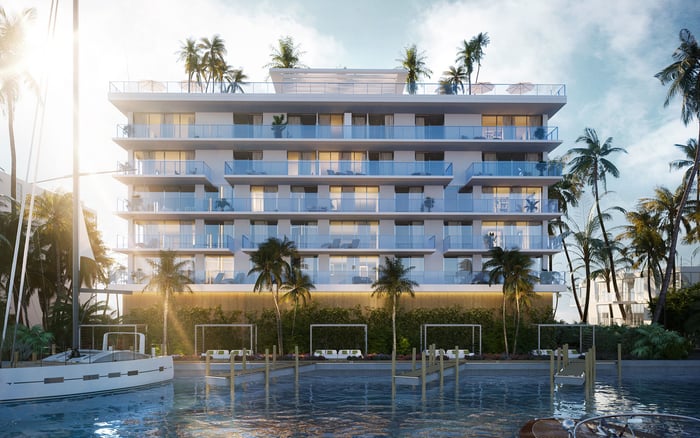
A buyer-oriented 2026 due-diligence framework for evaluating wellness claims, indoor-air quality, and recovery spaces across Onda Bay Harbor, Shoma Bay North Bay Village, and Tula Residences North Bay Village.
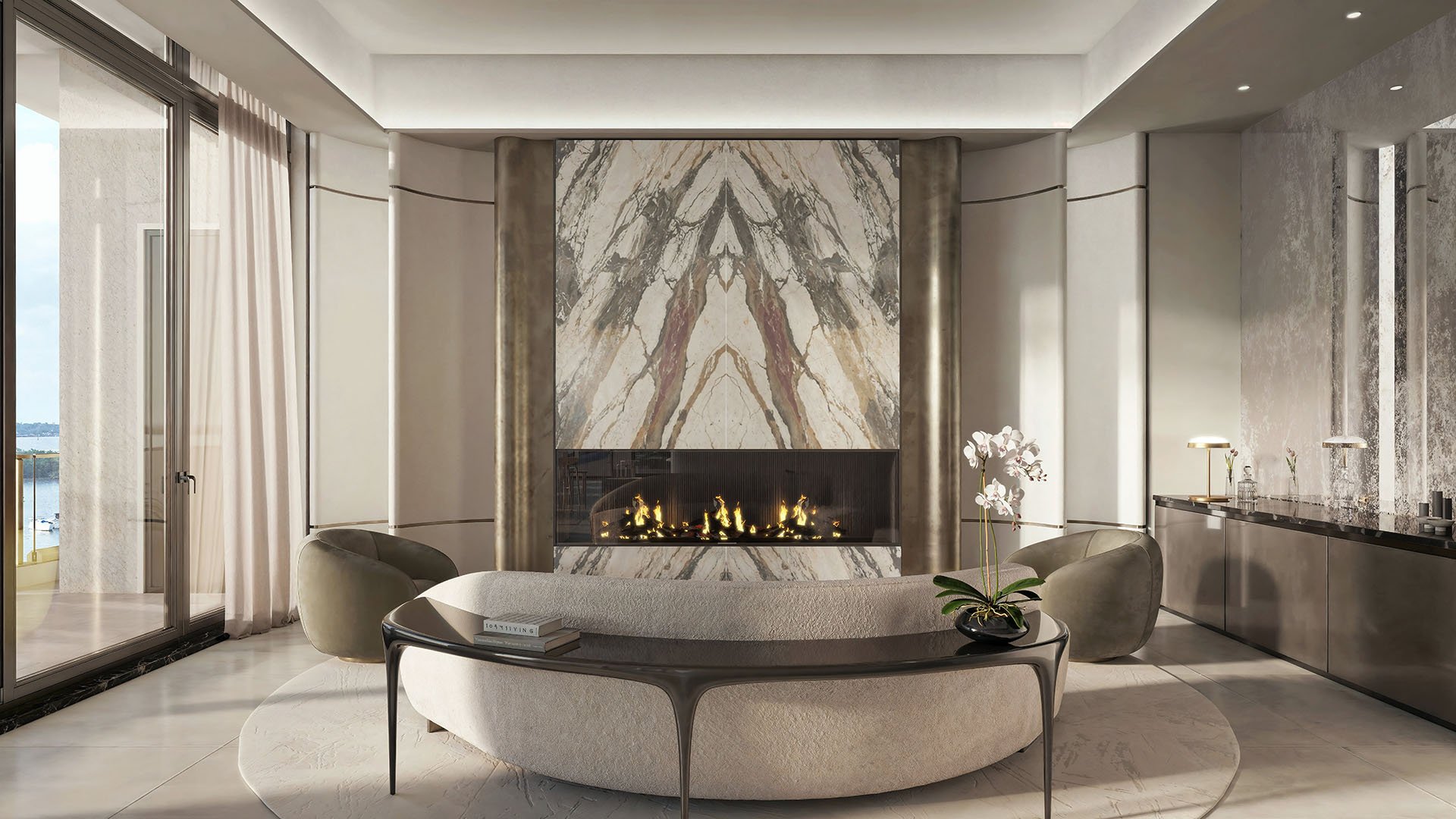
For the next cycle of luxury condominium buying in Greater Miami, wellness is no longer a soft lifestyle promise. It is a diligence category. Buyers considering Onda Bay Harbor, Shoma Bay North Bay Village, and Tula Residences North Bay Village should ask sharper questions about air quality, recovery spaces, acoustic comfort, humidity control, and the practical difference between an amenity label and a building system.
The distinction matters because waterfront luxury already carries a powerful emotional charge. Waterview residences, resort-style amenity decks, and curated interiors can create an immediate sense of calm. Yet the wellness value that endures after closing is usually found in less visible details: filtration levels, mechanical ventilation design, materials, moisture management, sound isolation, and whether spa or recovery spaces are truly dedicated facilities rather than multipurpose rooms with wellness branding.
This is especially important for new-construction and pre-construction buyers, where the sales gallery experience can be more polished than the final technical record. The strongest buyers will embrace the romance of the setting while asking for the documents that translate wellness language into enforceable expectations.
A clean comparison begins with geography. Onda Bay Harbor should be viewed through a Bay Harbor Islands lens, not assumed to be a North Bay Village project. It can still be a relevant nearby luxury comparison because buyers often cross-shop the broader Biscayne Bay corridor, but the location context should remain precise.
Shoma Bay North Bay Village, by contrast, belongs in the North Bay Village conversation. For buyers focused specifically on the island municipality, Shoma Bay North Bay Village is the clearest project identity in this set. Tula Residences North Bay Village may be part of the discussion implied by the market conversation, but any project-specific claims about wellness, air systems, spa facilities, or recovery programming should be confirmed through direct project materials before being treated as facts.
That geographic discipline is not just semantic. North Bay Village carries a different buyer narrative than Bay Harbor, from commute patterns and neighborhood evolution to how residents use waterfront amenities. A buyer comparing the two should not blend location, brand positioning, and wellness claims into one generalized impression.
In luxury real estate, wellness credibility begins when a promise becomes measurable. A serene lobby, a pool deck, or a fitness room can enhance daily life, but none of them, on their own, proves a wellness strategy. Buyers should ask whether the building’s wellness message is supported by specific deliverables.
The first category is third-party validation. If a project references health, wellness, or performance standards, buyers should determine whether the claim reflects a formal certification, an aspirational design intent, or a general marketing theme. A certification record, if present, should be tied to clear criteria and a defined scope.
The second category is the base building. Air filtration, fresh-air delivery, humidity control, and acoustic performance are not decorative features. They affect sleep, comfort, allergies, long-term maintenance, and the ability to recover after travel, training, or high-stress work. In South Florida, humidity is particularly consequential because comfort and indoor-air quality are inseparable from moisture management.
The third category is operational durability. A wellness amenity can look impressive on day one, but buyers should ask who maintains it, what systems require replacement, how often filters are changed, and whether condominium documents clearly describe operating responsibilities.
Indoor-air quality is one of the most under-examined luxury features because it is difficult to photograph. For buyers considering Onda Bay Harbor, Shoma Bay North Bay Village, or Tula Residences North Bay Village, the issue is not whether air quality is mentioned. The issue is whether it is specified.
A serious review should start with filtration. What filtration level is planned for common areas and residences? Are there different standards for corridors, amenity rooms, fitness spaces, and private units? Are filters easily accessible for maintenance, and is the replacement schedule realistic for a coastal building?
Ventilation is the next layer. Buyers should ask whether outdoor air is mechanically treated before entering conditioned spaces, how fresh-air intake is balanced with energy performance, and whether high-use rooms have ventilation appropriate to their occupancy. A wellness room without strong ventilation can become a design gesture rather than a recovery asset.
Humidity is the South Florida test. Even elegant interiors can feel compromised if moisture is poorly managed. Buyers should ask how the building maintains indoor relative humidity, how condensation risks are addressed, and whether mechanical design accounts for seasonal heat, storm cycles, and the demands of waterfront living.
The term recovery is increasingly common in luxury residential marketing, but buyers should parse it carefully. A recovery space can mean a thoughtfully programmed spa suite with privacy, thermal contrast, quiet zones, and acoustic separation. It can also mean a general lounge adjacent to a gym.
The difference affects daily life. A dedicated recovery area should support decompression after training, travel, or long workdays. That usually requires more than attractive finishes. Buyers should look for privacy, sound control, controlled lighting, ventilation, durable materials, and clear reservation or access protocols.
For Onda Bay Harbor, the prudent question is whether any wellness language is tied to specific building deliverables such as filtration, ventilation, acoustic treatment, or dedicated recovery amenities. For Shoma Bay North Bay Village, the same review applies: are wellness claims measurable, documented, and connected to systems or standards? For Tula Residences North Bay Village, buyers should avoid assuming features until project documents confirm them.
Before signing, buyers should ask for the condominium documents, offering materials, finish schedules, mechanical summaries, amenity descriptions, and any certification language that applies. The goal is not to turn a lifestyle purchase into an engineering exercise. It is to protect the lifestyle the buyer believes they are purchasing.
Key questions include: What filtration is specified? Is outdoor air treated? How is humidity controlled? Are acoustic targets defined? Are spa or recovery areas dedicated? Are wellness claims certified or simply descriptive? Who maintains the relevant systems after turnover? What happens if a promised wellness feature changes before delivery?
The most sophisticated buyers also compare the language across documents. If sales materials emphasize wellness but formal documents remain vague, that gap deserves attention. If a feature is central to the purchase decision, it should be clearly described in writing.
The 2026 wellness buyer should be aspirational, but not passive. Onda Bay Harbor offers a nearby Bay Harbor Islands comparison point, while Shoma Bay North Bay Village sits squarely in the North Bay Village frame. Tula Residences North Bay Village belongs in the buyer’s question set only to the extent that its project materials can substantiate the details being evaluated.
The winning approach is not to rank these residences by claims that have not been fully specified. It is to test each one against the same disciplined standard: measurable air quality, humidity control, acoustic comfort, documented wellness commitments, and recovery spaces that function as more than branding.
Is Onda Bay Harbor a North Bay Village project? No. It should be treated as a Bay Harbor Islands project unless separate project materials support another location description.
Is Shoma Bay North Bay Village part of the North Bay Village market? Yes. Shoma Bay North Bay Village is appropriately discussed within the North Bay Village context.
Can Onda Bay Harbor still be compared with North Bay Village projects? Yes. It can serve as a nearby luxury comparison, provided the location distinction remains clear.
Should buyers assume wellness amenities are certified? No. Certification should be confirmed through formal documents, not inferred from marketing language.
What is the first air-quality question to ask? Ask what filtration level is specified for residences, amenity areas, corridors, and other shared spaces.
Why is humidity control so important in South Florida? Humidity affects comfort, air quality, material durability, and the long-term performance of interiors.
What makes a recovery space credible? It should be dedicated, private, well ventilated, acoustically considered, and supported by clear operating rules.
Should Tula Residences North Bay Village be evaluated the same way? Yes. Buyers should apply the same diligence questions and rely on project documents for specific claims.
Are wellness labels enough for a luxury purchase decision? No. Buyers should look for measurable building systems, documented standards, and enforceable descriptions.
What is the safest 2026 buyer strategy? Enjoy the design narrative, but verify air, humidity, acoustics, wellness claims, and recovery spaces in writing.
To compare the best-fit options with clarity, connect with MILLION.
If branded residences are on your mind — as a home or as an allocation — we would be glad to share what we are seeing, privately.
Begin a quiet conversation