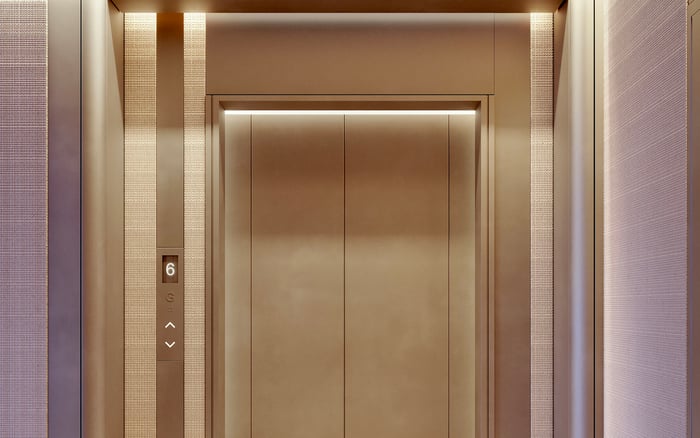
A discreet buyer’s guide to understanding elevator backup power before closing on a Miami Design District residence, from generator capacity and cab coverage to inspections, records, reserves, and storm-season planning.

The Miami Design District has become one of South Florida’s most refined mixed-use addresses, defined by high-end shopping, dining, art, architecture, and an increasingly residential lifestyle. For buyers considering a condominium or high-rise residence nearby, vertical access is not an incidental building feature. It is part of daily life: arriving from dinner, receiving guests, moving pets, scheduling staff, managing deliveries, and navigating storm-season disruptions.
That is why elevator backup deserves attention before closing. In a luxury building, the phrase “the building has a generator” may sound reassuring, but it does not always answer the question a buyer actually needs resolved: will the resident elevator serving my home operate when utility power is out?
The answer is building-specific. It depends on the property’s height, electrical design, elevator controls, generator capacity, fuel system, transfer equipment, maintenance history, and the way emergency loads are prioritized. For Design District buyers accustomed to exacting finishes and seamless service, this is one of the least glamorous due-diligence topics, but it can be among the most consequential.
Building height can change the practical importance of elevator access, especially in a residence where daily life depends on reliable vertical movement. It can also make life-safety systems, emergency operations, and standby-power coordination more complex.
Not every residence marketed as luxury will have the same elevator-backup profile. Some buildings may have one elevator designated or configured for generator-backed operation. Others may rely on selective or sequenced operation if the standby power system is not sized to run all elevators at once. In some cases, code-required elevator functions and fire-service access can take priority over ordinary resident convenience during emergency operation.
For a buyer, the important point is simple: do not assume that a generator equals full elevator service. A polished lobby, a private arrival sequence, or a high-service amenity package does not automatically mean every cab in every bank will run during an outage.
A generator-backed elevator arrangement should be translated into practical language before a contract becomes final. Which elevator is connected to standby power? Is it the service elevator, a passenger cab, or one cab within a larger bank? Does the system transfer automatically when utility power fails? If only one elevator can operate at a time, how does the sequence work?
Buyers should also ask how long the system can operate under expected conditions. Fuel duration, on-site storage, refueling access, and load priorities all matter. A generator may be responsible for more than elevator movement; it can also support life-safety systems, lighting, pumps, communications, access control, and other critical equipment. The more loads assigned to backup power, the more important capacity and prioritization become.
High-floor residences require special scrutiny because elevator dependence is magnified. The same is true for households with children, older residents, medical-device needs, frequent travel, or staff who must access the home during service interruptions.
A well-advised buyer should ask for documents rather than reassurances. For an existing condominium, association records can reveal whether elevator-backup systems are treated as serious infrastructure or as deferred complexity. Useful records include elevator maintenance contracts, generator service agreements, recent inspection reports, certificates, repair proposals, open violations, reserve schedules, and recent budgets.
The operating budget and reserves are especially important. Generator maintenance, transfer switch repairs, fuel-system work, elevator-controller modernization, and testing can become meaningful common expenses. If a building has aging equipment and thin reserves, a buyer may be inheriting the possibility of a future special assessment or prolonged repair cycle.
Resale purchasers should look closely at board minutes and capital planning materials. A history of recurring elevator faults, generator service issues, or unresolved proposals may be more revealing than a single marketing statement. The question is not simply whether the equipment exists. The better question is whether it has been maintained, tested, funded, and integrated with the building’s current elevator controls.
New-construction buyers should compare sales language with the condominium disclosures, declaration, prospectus, plans, and technical documents available for review. A brochure may describe backup power in broad terms, while the actual documents may specify which systems are backed up, which loads are prioritized, and what the association will ultimately maintain after turnover.
This distinction matters for investment buyers as well as end users. A residence that performs well during outages may hold lifestyle appeal, while one with unclear backup coverage can create friction for owners, guests, tenants, and property managers. In a storm-prone market, operational resilience is part of the ownership experience.
New construction does not eliminate the need for questions. It changes the questions. Buyers should ask for a written explanation of generator capacity, elevator-bank coverage, automatic transfer behavior, anticipated fuel duration, and testing protocol. If the response is imprecise, the buyer’s attorney, inspector, or engineer should request clarification before closing.
In older properties, the risk is not limited to whether a generator was installed. Elevator controllers, transfer switches, fuel systems, wiring, and maintenance practices must still support reliable operation. Equipment that satisfied earlier expectations may not align with today’s buyer expectations for resilience, access, and service continuity.
Brickell, Edgewater, Miami Beach, and the Design District area all include buildings of different eras, heights, and infrastructure profiles. The right comparison is not neighborhood to neighborhood, but system to system. Two luxury towers can look comparable in photography and feel entirely different during a power outage.
A careful review should include the date and scope of major elevator work, recent generator service, documented testing, pending modernization proposals, and whether the association has budgeted for future upgrades. If a property has attractive pricing but unclear infrastructure, that gap may be part of the real cost of ownership.
Power outages can affect more than lighting and air conditioning. They can disrupt communications, water systems, transportation, stores, banking, fuel access, and medical devices. For a high-rise resident, the elevator is the link between a private residence and the city around it.
Hurricane planning reinforces a practical truth: residents should prepare before storms, not after service is interrupted. Buyers should therefore treat elevator backup as part of household planning. If only one cab operates, residents may face waiting times. If fire-service functions take priority, ordinary access may be limited. If fuel duration is short or refueling is difficult, performance may vary during extended outages.
The most sophisticated buyers do not look for a one-word answer. They ask how the building behaves under stress.
Before closing, ask management, the association, or the developer for a written answer to the following: which elevator or bank runs on standby power, whether operation is automatic, whether all elevators can run simultaneously, how loads are prioritized, how long fuel is expected to last, when the last full-load test occurred, and whether any violations or repair recommendations remain open.
Also ask who pays for future upgrades. Elevator and generator systems are common elements in many condominium settings, and the costs can flow through assessments, reserves, or operating budgets. A refined residence should be matched by equally disciplined infrastructure review.
The safest closing position is to treat elevator backup as a building-specific engineering and financial question. In the Design District’s luxury environment, service continuity is not about anxiety. It is about preserving the ease, privacy, and confidence that premium ownership is meant to deliver.
Does a building generator mean every elevator will work? No. A generator may support only selected elevators or prioritized building systems, so buyers should verify the actual elevator coverage.
What should I ask first about elevator backup? Ask which elevator or bank runs on standby power, whether it transfers automatically, and whether it can operate during an extended outage.
Why does building height matter? Height can make elevator access more important and can add complexity to life-safety systems, emergency operations, and standby-power design.
Can emergency functions take priority over residents? Yes. Fire-service access and other required life-safety functions can take priority over ordinary resident convenience during emergency operation.
What documents should a condo buyer request? Request elevator maintenance records, generator service agreements, inspection reports, certificates, reserve schedules, budgets, and open repair proposals.
Should resale buyers be more cautious? Resale buyers should review maintenance history and capital planning, especially where older elevator controls or generator systems may need modernization.
Is new construction automatically better for backup power? Not necessarily. Buyers should compare sales claims with governing documents, disclosures, plans, and technical descriptions before closing.
Why do reserves matter? Generator, transfer switch, fuel-system, and elevator-control work can be expensive, and weak reserves may increase assessment risk.
What is the key storm-season concern? Extended outages can affect communications, water, transportation, fuel access, banking, and medical devices, making elevator access especially important.
Should I hire a specialist to review the system? For a high-value purchase, an attorney, inspector, or building engineer can help translate technical documents into closing risk.
To compare the best-fit options with clarity, connect with MILLION.
If branded residences are on your mind — as a home or as an allocation — we would be glad to share what we are seeing, privately.
Begin a quiet conversation