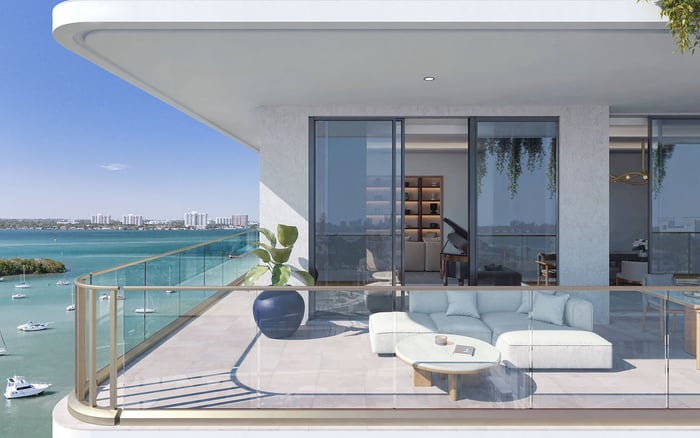
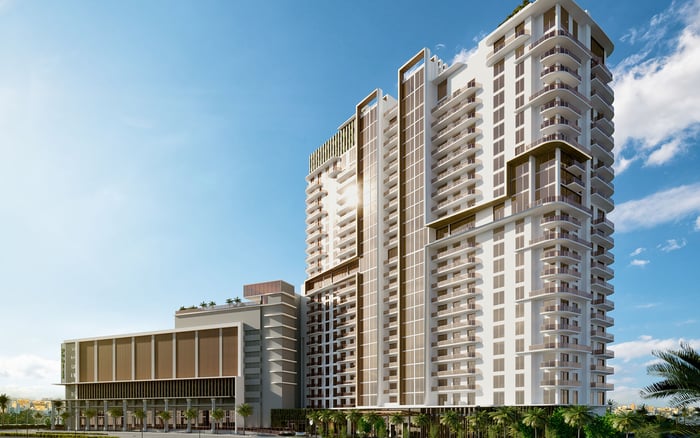
A discreet buyer guide to evaluating Shoma Bay in North Bay Village through the lens of family comfort, pet policies, waterfront living, and pre-construction due diligence.
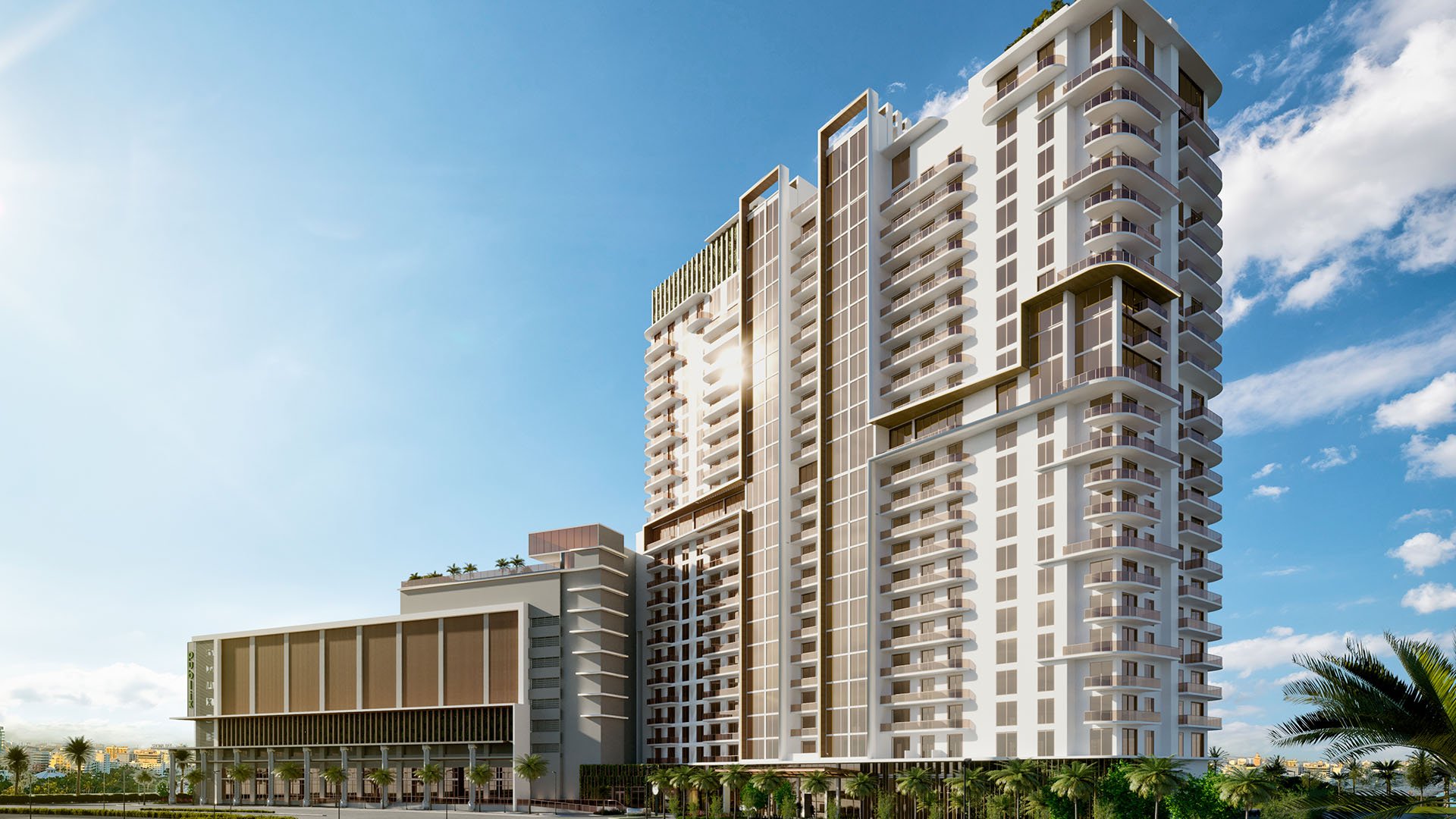
Shoma Bay North Bay Village sits in one of Miami-Dade County’s most closely watched waterfront pockets, where the conversation has moved from quiet island living to a more vertical, service-oriented condominium future. For buyers with children and pets, the appeal is clear: water views, a central position between mainland Miami and Miami Beach via the 79th Street Causeway area, and the promise of a mixed-use residential setting where daily conveniences may sit closer to home.
Yet the right question is not simply whether Shoma Bay North Bay Village appears family-friendly or pet-friendly on paper. The more meaningful question is whether its eventual building culture will support school-day routines, stroller logistics, elevator etiquette, pool behavior, dog walks, visiting grandparents, and the delicate soundscape of luxury condominium life.
That distinction matters because Shoma Bay remains in a pre-construction context. Its final resident experience will depend on delivery, management, rules, staffing, owner mix, and the tone set by the first residents who make the building their everyday address.
North Bay Village has a rare geographic advantage. It is neither fully mainland nor fully beach, and that in-between quality is central to its lifestyle proposition. Residents can orient themselves toward Miami, Miami Beach, and the bay without giving up the intimacy of an island setting.
For families, that location can create practical flexibility. The ability to move east or west from the 79th Street Causeway area may appeal to households balancing work, school, activities, and social life across different parts of the city. For pet owners, the bayfront setting can feel calmer and more residential than denser urban corridors, particularly when outdoor routines are part of daily life.
A North Bay Village purchase, however, still deserves discipline. The area’s transition toward taller luxury buildings means buyers are not just purchasing views. They are buying into a changing residential ecosystem, where each project may interpret privacy, amenity use, household rhythm, and service differently. Nearby projects such as Continuum Club & Residences North Bay Village and Tula Residences North Bay Village underscore how the village is being reimagined for a new generation of condominium buyers.
Waterview living is one of Shoma Bay’s clearest lifestyle draws. For families, the bay can offer a sense of openness that softens the experience of high-rise living. For pet owners, a waterfront setting often supports the emotional logic of a more outdoor-oriented routine, even when the residence itself is a condominium rather than a single-family home.
Still, a view does not determine culture. A building can have beautiful water exposure and still feel difficult for children if common areas are overly formal, if noise expectations are rigid, or if elevator flow becomes stressful during school-run hours. Likewise, a building can allow pets in some form and still prove inconvenient if relief-area access, cleaning rules, or elevator expectations are not well considered.
The strongest buyers separate romance from operations. They ask how the building is intended to function on a rainy weekday morning, not only how it photographs at sunset.
Pets and children test the same core issue: whether a building can maintain polish without becoming brittle. Ultra-premium buyers often want serenity, privacy, and discretion. Families with children and owners with pets also need tolerance for motion, sound, and repetition. The best residential cultures accommodate both.
At Shoma Bay, the amenity strategy will be central to that balance. Buyers should look beyond the presence of amenities and ask how they will be managed. Are there expectations around supervised common spaces? How will pool rules treat children at different hours? What happens when a stroller, a dog, and luggage arrive at the same elevator bank? How are service corridors, lobby areas, and resident entrances expected to function during busy periods?
These questions may feel granular, but they are precisely the questions that distinguish a beautiful condominium from a livable one. In luxury real estate, comfort is often found in the details least visible in a rendering.
For households with children, floor-plan usability should be treated as a lifestyle issue, not only a design preference. Buyers should consider bedroom separation, storage, sight lines, terrace comfort, acoustics, and how easily the residence can handle morning and evening transitions. A glamorous plan that works for weekends may not work as well for homework, guests, caregivers, and toys.
Elevator logistics also deserve attention. In a vertical building, the trip from residence to car, lobby, pool, or outdoor space becomes part of family life. Parents should ask how elevators are expected to serve residents during peak hours, how move-ins and service traffic will be handled, and whether common areas feel intuitive for children who are old enough to move independently but still need boundaries.
Pool culture is another essential topic. Buyers should not assume that a pool automatically translates into a family-oriented environment. The relevant question is how the pool area will be governed, how quiet enjoyment will be balanced with family use, and whether the tone of the building welcomes children as residents rather than tolerating them as occasional guests.
Pet owners should be especially precise before moving forward. Condo documents, house rules, and management practices should be reviewed for pet limits, breed or weight restrictions, fees, elevator rules, relief-area access, cleaning expectations, and enforcement procedures. A pet-friendly label is not enough.
The practical daily route matters. Where does the dog go first thing in the morning? Which elevator is appropriate? How are wet paws handled after a storm? What expectations apply in the lobby? Are there limits on the number of pets, visiting pets, or service providers walking pets on behalf of residents?
These questions are not signs of hesitation. They are signs of a buyer who understands luxury condominium living. Similar diligence can be useful when comparing other bay-oriented residential options, from Onda Bay Harbor to more established waterfront enclaves across the broader Miami market.
New-construction buying is an exercise in evaluating the future. Shoma Bay may be promising for buyers who want children and pets to feel integrated into daily life, but its true culture cannot be confirmed until residents move in and management practices are established.
That does not make the decision careless speculation. It means diligence must be structured. Buyers should request current documents, study use restrictions, ask about anticipated operating procedures, and revisit their assumptions as delivery approaches. They should also consider the likely owner profile. A building dominated by primary residents may feel different from one with a large share of part-time owners or investors, even if the rules are identical.
The most important cultural signals often appear early: how the sales team discusses families, how questions about dogs are answered, how amenity behavior is framed, and whether the project language emphasizes real residential living rather than only visual luxury.
Shoma Bay is likely to resonate with buyers who want the elegance of a waterfront condominium without sacrificing the practical needs of a household. That may include parents seeking a more connected Miami base, pet owners who want a bayfront rhythm, or second-home buyers whose children and dogs are central to how the residence will actually be used.
It may be less ideal for buyers who need every aspect of building culture already proven. For those buyers, a delivered condominium with established management may feel more comfortable. For others, the opportunity is precisely the chance to enter a project before its social fabric is fully formed, while still doing careful work around documents, rules, and operations.
In that sense, Shoma Bay should be viewed neither as automatically family-friendly nor as uncertain in a negative way. It is a candidate for a refined, children-and-pets-compatible lifestyle, provided the final governance and resident culture align with the buyer’s expectations.
Is Shoma Bay located in North Bay Village? Yes. Shoma Bay is a luxury condominium project in North Bay Village, Miami-Dade County.
Is Shoma Bay a waterfront project? Yes. The project is positioned as a waterfront development in North Bay Village.
Is Shoma Bay already delivered? It is discussed in a pre-construction context, so buyers should confirm current status and documents before making decisions.
Can buyers confirm the building culture today? Not fully. The culture will depend on delivery, management, rules, owner mix, and resident behavior after occupancy.
What should families ask about first? Families should focus on floor-plan usability, elevator logistics, noise expectations, pool rules, and supervised common spaces.
What should pet owners verify? Pet owners should review limits, breed or weight restrictions, fees, elevator rules, relief access, and cleaning expectations.
Does a waterfront setting make a building pet-friendly? Not by itself. Waterfront living can support an outdoor rhythm, but rules and operations determine daily convenience.
Why is the 79th Street Causeway area relevant? It helps position North Bay Village between mainland Miami and Miami Beach, which can be useful for daily movement.
Should buyers compare Shoma Bay with other nearby projects? Yes. Comparing North Bay Village and nearby bayfront options can clarify expectations around scale, service, and culture.
Is Shoma Bay best judged only by amenities? No. Amenities matter, but rules, staffing, enforcement, and resident tone are equally important.
When you're ready to tour or underwrite the options, connect with MILLION.
If branded residences are on your mind — as a home or as an allocation — we would be glad to share what we are seeing, privately.
Begin a quiet conversation