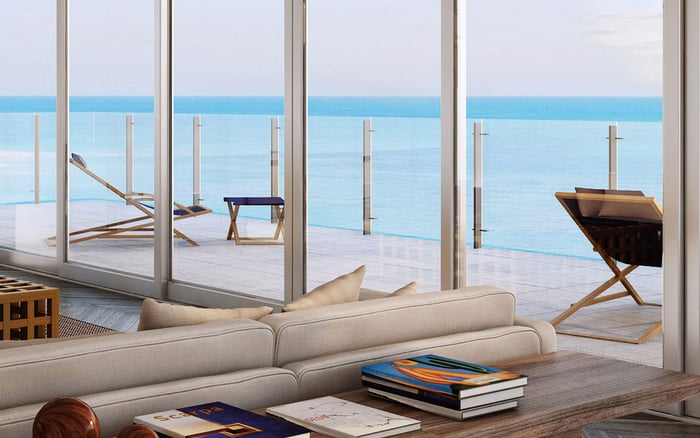
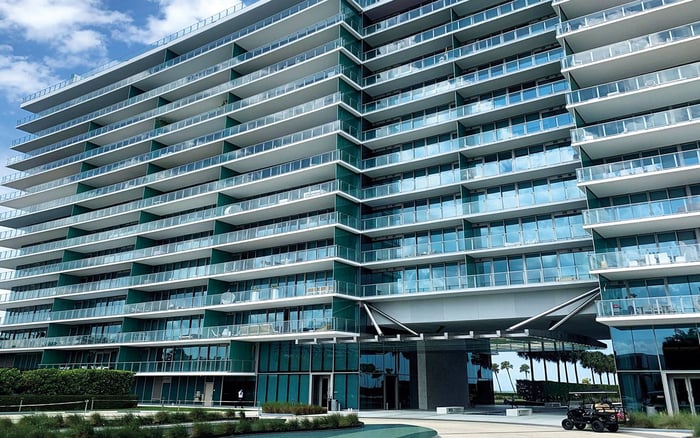
A buyer-focused comparison of Oceana Key Biscayne and Shorecrest Flagler Drive West Palm Beach for families weighing island village walkability against an urban waterfront lifestyle.
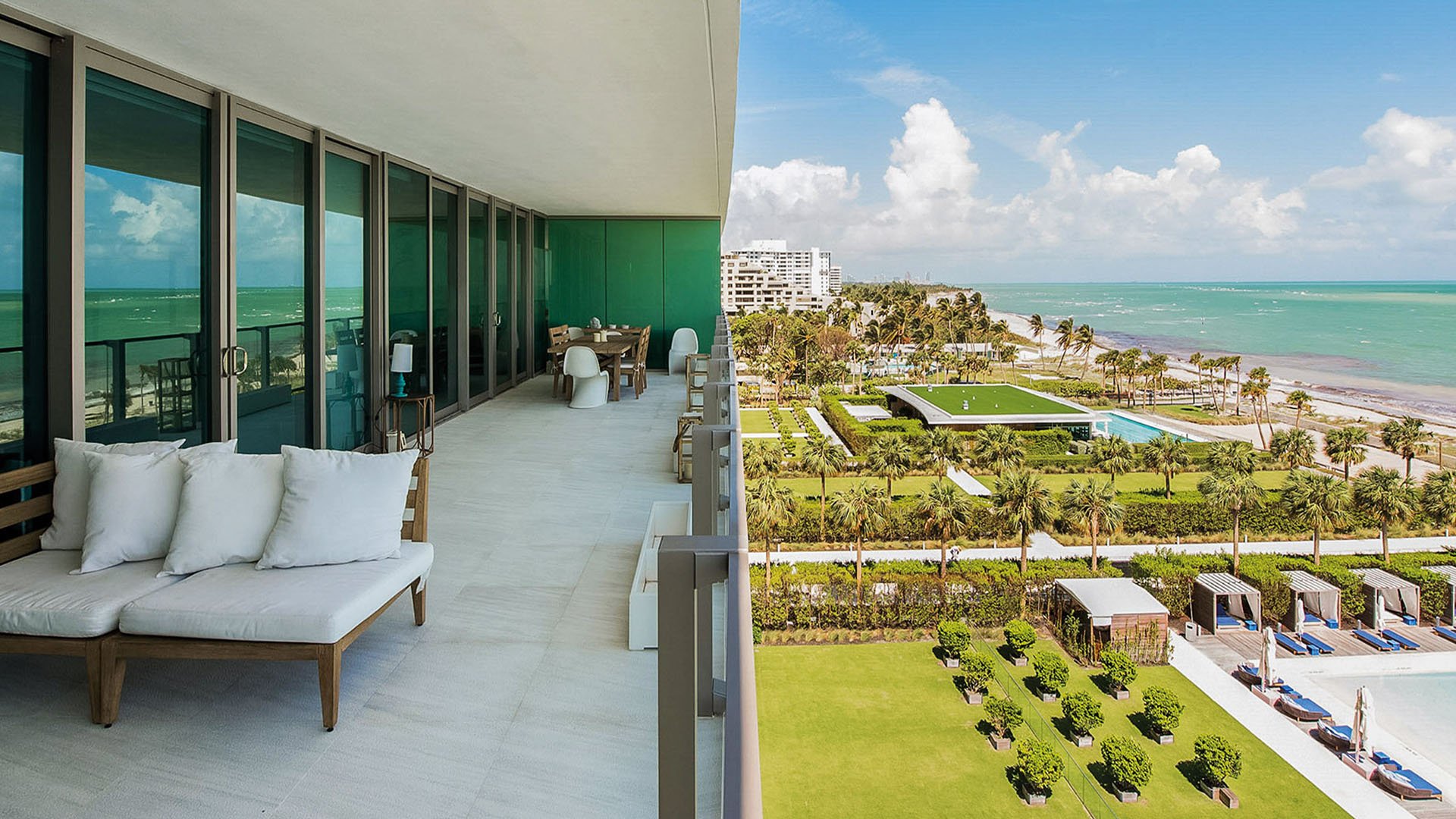
For a South Florida family buyer, the choice between Oceana Key Biscayne and Shorecrest Flagler Drive West Palm Beach is not simply about finishes, views, or lobby atmosphere. It is a more consequential lifestyle decision: do you want a walkable island village that functions as part of the amenity package, or an urban waterfront address connected to the broader pulse of West Palm Beach?
Oceana Key Biscayne is best understood as the oceanfront condominium option in a village-style island setting. Its appeal is not confined to the building itself. The surrounding Key Biscayne ecosystem matters because family life often unfolds between the residence, the beach, friends, casual meals, sports, and errands. That is where a building becomes more than a polished address.
Shorecrest Flagler Drive West Palm Beach sits in a different emotional register. It is the Flagler Drive waterfront alternative, with a more urban frame and a connection to West Palm Beach’s metropolitan lifestyle. The draw is not the same island-village rhythm. It is a waterfront position within a larger city environment, likely to appeal to buyers who want a polished, resort-style building experience without leaving urban energy behind.
The most disciplined way to compare these residences is to separate building amenities from neighborhood amenities. Family buyers often blur the two, yet they perform very different roles.
Inside the building, parents should look closely at spaces that support younger children, visiting relatives, multigenerational dinners, quiet work, and after-school downtime. But the building is only one layer of the experience. Outside the door, the question becomes whether children and teens can move with some independence, whether weekend routines feel easy, and whether everyday errands require a parent to become a chauffeur.
At Oceana Key Biscayne, the broader island context is part of the proposition. The village setting can support a softer, more self-contained family rhythm, especially for buyers who value moving through a community rather than simply occupying a residence. Oceanfront living, in this case, is paired with village scale.
At Shorecrest, the family lens shifts toward the advantages of a waterfront urban base. The building may ultimately deliver a more resort-address feeling, but families should be careful about relying on assumptions where specific amenity programming is still evolving. For buyers comparing Key Biscayne and West Palm Beach options, the distinction is not better versus lesser. It is contained village life versus urban waterfront life.
Teen amenities deserve a more practical definition than many buyers give them. A teen room, lounge, or game area can be useful, but it does not automatically create a compelling teen lifestyle. The more important test is daily independence.
Can a teenager meet friends without coordinating a ride? Can they reach a park, café, sport, or casual meal without turning every afternoon into a logistical plan? Can siblings of different ages use the neighborhood safely and comfortably in different ways? These questions matter more than the size of an amenity stack.
This is where Oceana Key Biscayne may resonate with families who prefer a lived-in village rhythm. The surrounding environment can become a practical extension of the home, particularly when children are old enough to want mobility but not yet fully independent. For parents, that can mean fewer fragmented afternoons and a more organic social life for the household.
Shorecrest’s Flagler Drive context offers a different teen proposition. It may suit families whose older children are comfortable in a more urban waterfront environment and whose parents value access to a broader city lifestyle. The tradeoff is that independence may depend more heavily on routes, timing, comfort level, and the family’s expectations for urban movement.
For ultra-prime family buyers, guest accommodation is not a minor detail. Grandparents, adult children, school-break visitors, and friends can quickly turn a beautiful residence into a space-management exercise. The correct question is not only whether guests can stay, but whether they can stay with privacy.
Buyers should examine how each residence handles overflow hosting. Is there a practical way for grandparents to remain close without occupying the family’s most private areas? Can adult children visit without disrupting younger siblings? Does the building’s guest policy, if applicable, support real-world family use rather than occasional entertaining only?
At Oceana Key Biscayne, the island setting may be especially appealing for visiting relatives who want a slower, more walkable stay. Guests can feel folded into the daily rhythm rather than placed at a distant hotel. At Shorecrest, the guest experience may be more urban and waterfront-oriented, with the appeal of West Palm Beach close at hand. In either case, buyers should verify access, rules, availability, and privacy before treating guest accommodation as solved.
The buyer who prefers a walkable village lifestyle is likely to lean toward Oceana Key Biscayne. That buyer values continuity between residence and neighborhood. Morning routines, school-year schedules, beach time, casual dining, and teen movement all contribute to the perceived value of the home.
This does not make Shorecrest less compelling. It serves a different profile. Shorecrest Flagler Drive West Palm Beach may be better suited to the buyer who wants a Flagler Drive waterfront identity, a more metropolitan backdrop, and the possibility of a highly serviced building experience. Waterview drama and city convenience may carry more weight than village intimacy for that household.
The key is to avoid letting brochure-level amenity comparisons drive the decision. A larger or more glamorous amenity presentation does not always produce the best family life. For a family that wants children and teens to use the neighborhood as part of the home, the surrounding environment can be as valuable as any indoor lounge.
When touring Oceana Key Biscayne, buyers should spend time outside the building as deliberately as they do inside it. Walk the village context. Imagine a weekday afternoon, a visiting grandparent, a teenager meeting friends, and a younger child needing simple outdoor time. The emotional question is whether the island rhythm feels like freedom or insulation.
When touring Shorecrest, buyers should evaluate the urban waterfront setting with equal care. Consider how often the family will use West Palm Beach’s broader lifestyle, how comfortable teens will be moving through the area, and how much the household values a resort-address atmosphere. Because technical details and amenity claims can evolve before completion, buyers should confirm current disclosures rather than rely on early expectations.
For some families, Oceana’s strength will be its lived-in cadence. For others, Shorecrest’s appeal will be its urban waterfront polish. The best choice is the one that reduces friction in the family’s actual week, not the one that sounds most impressive in isolation.
Is Oceana Key Biscayne the more village-oriented option? Yes. Oceana Key Biscayne is best framed as the oceanfront condominium choice for buyers who value a village-style island setting.
Is Shorecrest Flagler Drive West Palm Beach more urban? Yes. Shorecrest is the Flagler Drive waterfront alternative, tied more closely to West Palm Beach’s broader metropolitan lifestyle.
Should families compare only building amenities? No. Families should separate amenities inside the building from neighborhood amenities that shape daily walkability and independence.
Why do teen spaces require special attention? Teen lifestyle depends on practical mobility, not just designated rooms. Access to friends, parks, cafés, sports, and casual dining can matter more.
Does a larger amenity stack always mean a better family fit? Not necessarily. A strong amenity program may still fall short if the surrounding neighborhood does not support the family’s daily rhythm.
Why is guest-suite access important for buyers? Guest arrangements affect privacy for grandparents, adult children, and visiting friends. Buyers should verify how overflow hosting actually works.
Which property may suit buyers who prefer island routines? Oceana Key Biscayne may suit buyers who want a lived-in village rhythm with the surrounding community functioning as part of the amenity value.
Which property may suit buyers who prefer a resort-address feeling? Shorecrest may suit buyers who prioritize an urban waterfront address and a more resort-style residential experience.
Should buyers rely on early Shorecrest amenity assumptions? They should be cautious. Hard amenity details and technical claims may evolve as the project moves toward completion.
What is the simplest decision rule for families? Choose the address that makes ordinary weeks easier for children, teens, parents, and guests, rather than the one that wins on presentation alone.
When you're ready to tour or underwrite the options, connect with MILLION.
If branded residences are on your mind — as a home or as an allocation — we would be glad to share what we are seeing, privately.
Begin a quiet conversation